


Chronic obstructive pulmonary disease (COPD) is one of the three leading causes of death worldwide, and in 2021 alone more than 3 million people died from it, accounting for about 5% of global deaths. The Global Initiative for Chronic Obstructive Lung Disease (GOLD) released its 2027 report on World COPD Day, November 18, 2026, after presenting the updates at the 2026 GOLD International COPD Conference in Philadelphia. The 2027 edition lists 19 changes against the 2026 report, spanning disease definitions, diagnosis and assessment, pharmacological treatment, exacerbations, comorbidities and artificial intelligence (AI). GOLD’s own figures put the burden at 480 million people living with COPD and 3.7 million deaths each year.
Article Key Points
• GOLD 2027 lists 19 updates across definitions, diagnosis, treatment, exacerbations, comorbidities and AI
• Four terms are refined: early COPD, mild COPD, COPD in young individuals and pre-COPD, with six pre-COPD groups
• CT is recommended at least once for all patients with COPD where available; mucus plugging is flagged as treatable
• Group A initial treatment changes to a long-acting muscarinic antagonist, the only change to drug recommendations
• Biologics for persistent exacerbations, cardiovascular risk after exacerbation and AI-based diagnosis are added
A New Section on the Global Challenges Shared by GOLD and GINA
The report opens with a new chapter, “Addressing the Global Challenges of COPD and Asthma: A Shared Vision from GOLD and GINA”. Unlike conditions such as ischaemic heart disease and diabetes, COPD has long been denied policy priority, and asthma has fared no better. The chapter draws on a joint statement published by GOLD and the Global Initiative for Asthma (GINA) in 2026 (Halpin et al., Am J Respir Crit Care Med. 2026;212(2):297-302).
The statement focuses on global challenges that include insufficient access to spirometry and peak flow meters, limited availability of testing and of its interpretation in primary care, the availability and affordability of inhalers, distance to specialist facilities, high out-of-pocket and health system costs, the carbon footprint of inhalers and exacerbations, and the effects of climate change. The figure reproduced in the report presents these as nine panels, adding the availability of pulmonary rehabilitation and exposure reduction with smoking cessation to the list.
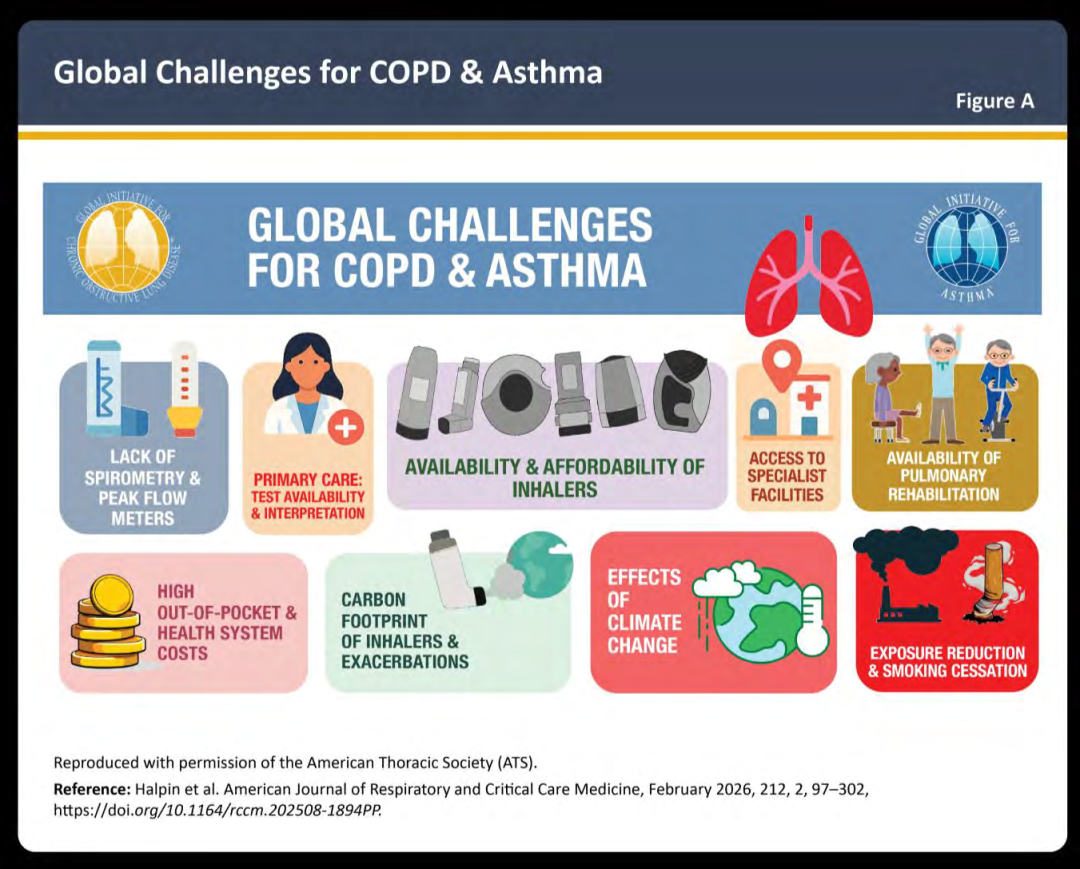 Fig. 1. Global Challenges for COPD and Asthma from the GOLD and GINA Joint Statement
Definitions and Overview: Four Terms Clarified
To avoid confusion between clinical concepts, GOLD 2027 defines four terms more precisely.
- Early COPD should not be used in clinical settings to describe patients. By the time a patient presents, the disease is already at a different stage, and the onset of the pathogenic process in an individual cannot be determined.
- Mild COPD is restricted to describing the severity of airflow limitation measured by spirometry; mild airflow limitation does not mean a light disease burden.
- COPD in young individuals is proposed for patients aged under 50 years, and GOLD prefers this wording to “young COPD”.
- Pre-COPD identifies people at increased risk of future COPD: a post-bronchodilator FEV1/FVC ratio of 0.70 or above, with the diagnostic threshold not yet met, together with a history of risk factors and one of respiratory symptoms, structural abnormalities on chest CT, or abnormal lung function.
Pre-COPD is divided into six groups:
1. Preserved ratio impaired spirometry (PRISm): post-bronchodilator FEV1/FVC ≥ 0.70 with FEV1 < 80% predicted.
2. Borderline airflow limitation: post-bronchodilator FEV1/FVC ≥ 0.70 but below the lower limit of normal (LLN), or pre-bronchodilator < 0.70 with post-bronchodilator ≥ 0.70.
3. Emphysema or airway wall thickening on CT.
4. Smokers or biomass fuel exposure with chronic cough and sputum.
5. Smokers or biomass fuel exposure with isolated reduced diffusing capacity (DLCO).
6. Smokers or biomass fuel exposure with accelerated decline in lung function (FEV1 decline ≥ 30-40 mL per year).
People who meet several groups at once have the highest risk of progression, but apart from smoking cessation no validated treatment has yet been shown to alter this trajectory. The report notes that not all individuals with pre-COPD go on to develop COPD.
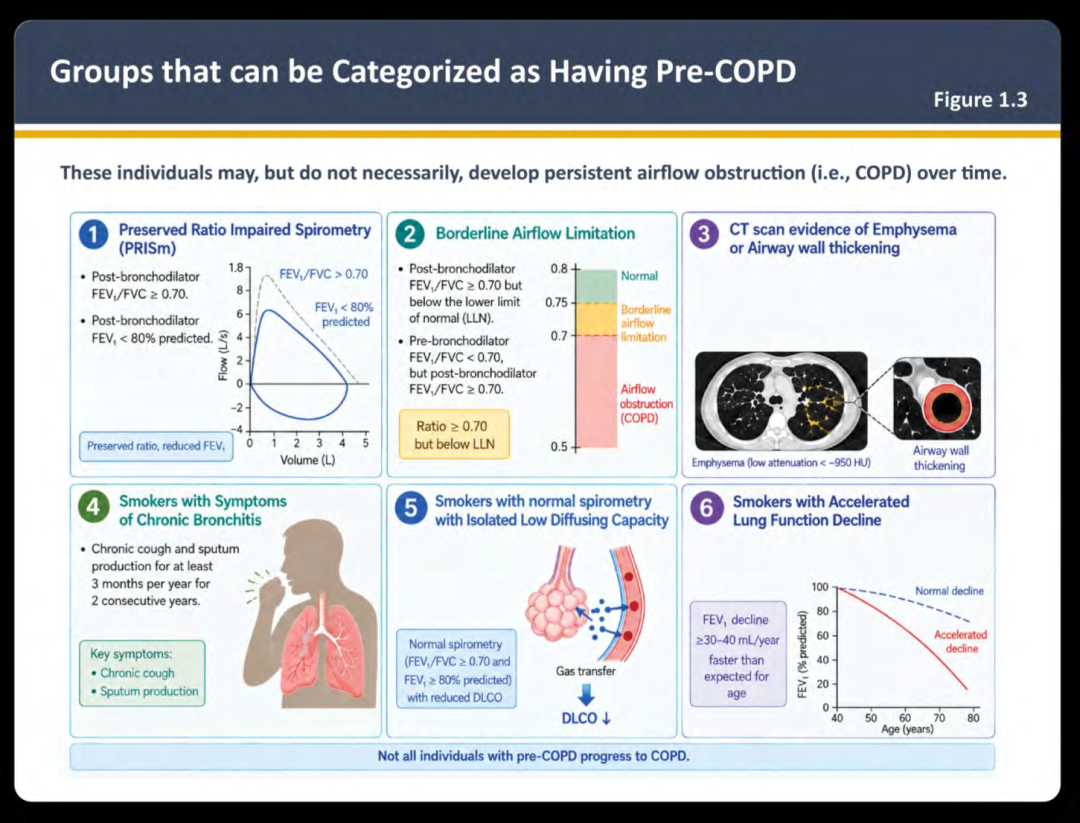 Fig. 2. Groups That Can Be Categorised as Having Pre-COPD
Diagnosis, Assessment and Monitoring: CT Enters the Initial Evaluation
On spirometry, GOLD and the Global Lung Function Initiative (GLI) issued a joint statement on diagnostic criteria. The threshold for diagnosis remains a post-bronchodilator FEV1/FVC below 0.7. On the long-running debate between the fixed ratio of 0.7 and the LLN, the two bodies state that neither is absolutely right or wrong, since spirometric measurement itself carries about 5% variability and the practical difference is small. Where the two disagree, with ratios commonly falling between 0.6 and 0.8, further investigation or repeat testing is advised (Halpin et al., Eur Respir J. 2026;67(4):2502574).
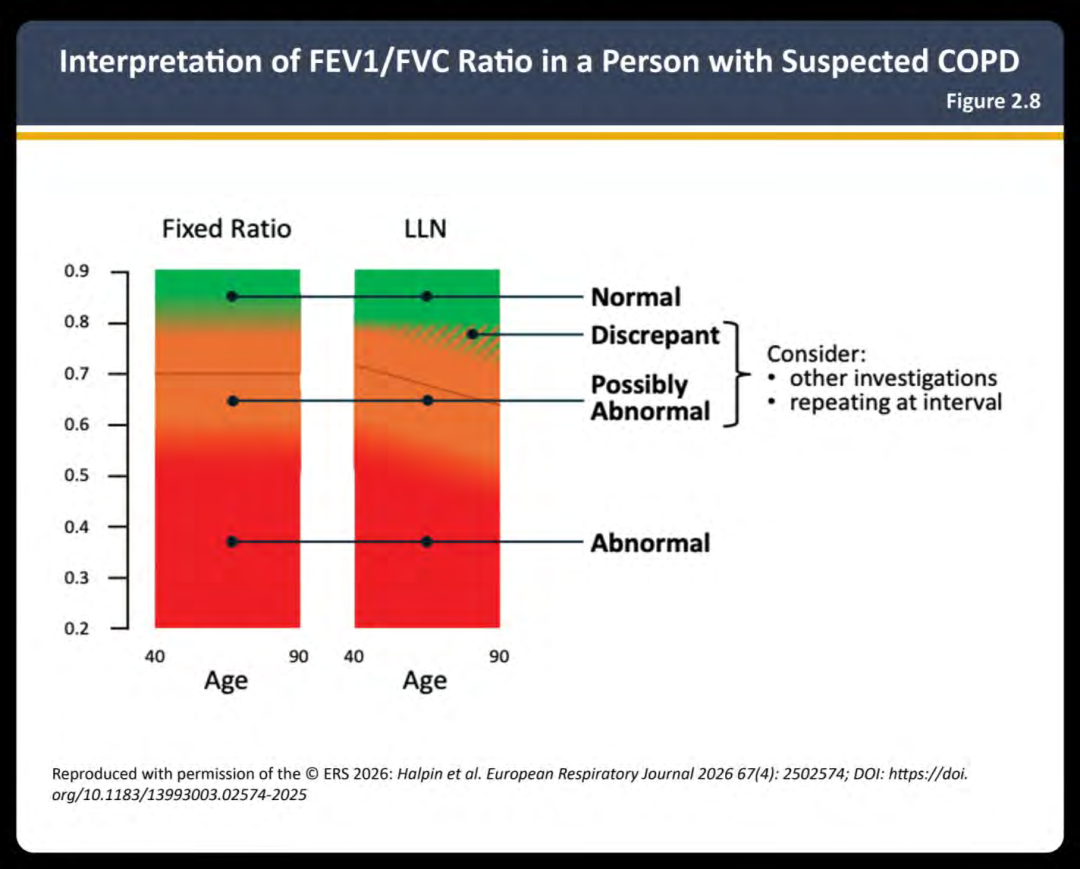 Fig. 3. Interpretation of the FEV1/FVC Ratio in a Person with Suspected COPD
The report also revises its section on universal spirometry, treating lung function as a health biomarker to be followed across the life course: testing from about the age of 6 and repeated roughly every three years to track individual trajectories and identify abnormal lung development or accelerated decline earlier (Han et al., Am J Respir Crit Care Med. 2026;aamag432).
For imaging, GOLD recommends that, where available, all patients with COPD should have at least one non-contrast chest CT including inspiratory and expiratory images. CT cannot replace spirometry for diagnosis, but is additionally recommended for patients with persistent symptoms or exacerbations, for lung volume reduction evaluation, and for lung cancer screening.
This edition introduces the imaging phenotype of mucus plugging. In the COPDGene, SPIROMICS and ECLIPSE cohorts, a greater mucus plug burden was associated with more severe airflow limitation, faster decline in FEV1, and higher risks of moderate-to-severe exacerbation and death. Mucus plugging can occur without chronic cough and sputum, so the symptoms of chronic bronchitis cannot reliably identify mucus obstruction within the airways. The IL-33-targeted biologic tozorakimab reduced mucus plug burden, with resolution of plugs on CT running in parallel with improvement in FEV1, and is presented as a potentially treatable characteristic. Routine clinical scoring of mucus plugging is not yet recommended.
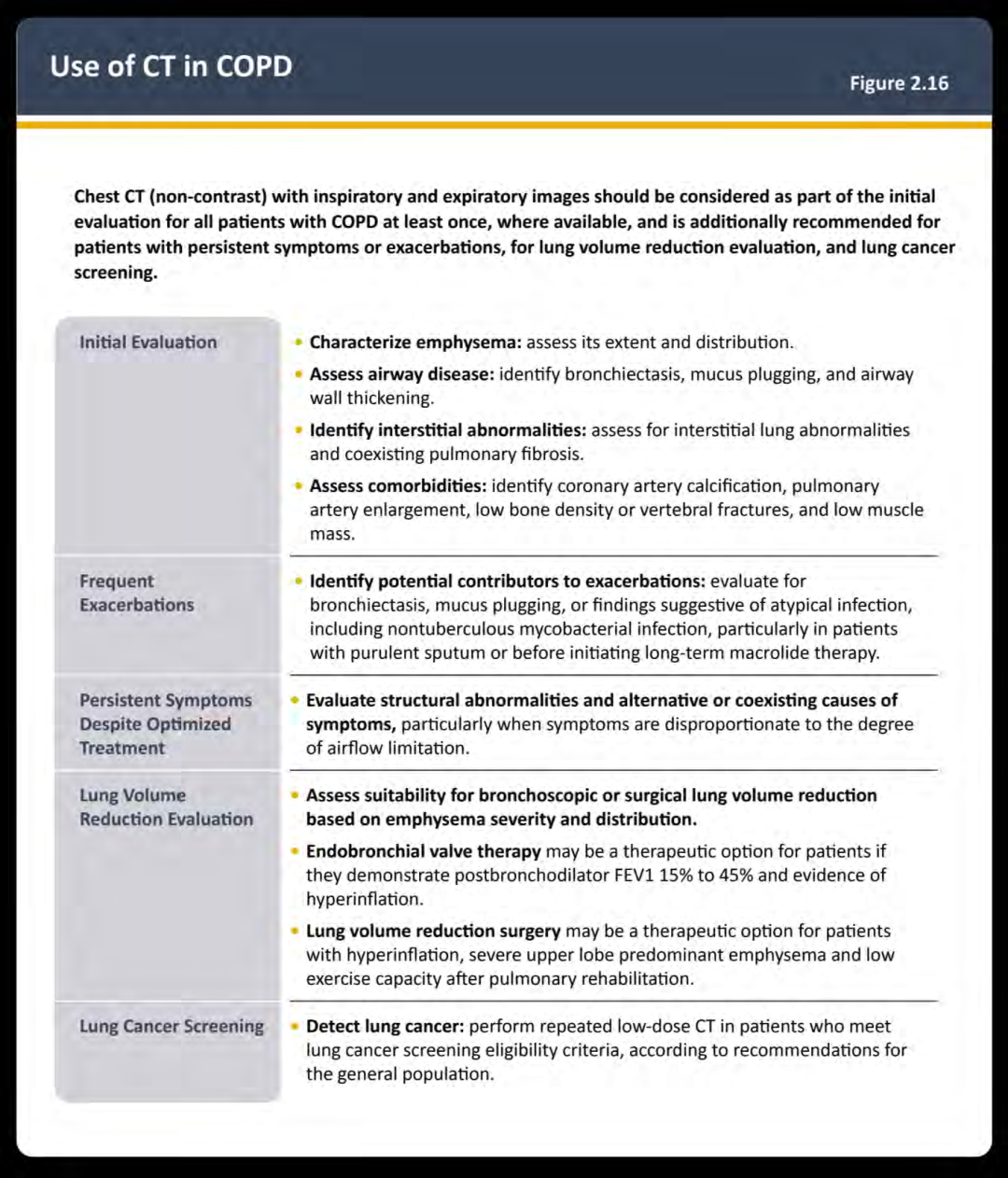 Fig. 4. Use of CT in COPD
Prevention and Management: A LAMA for Group A
Pharmacological therapy is the focus of this update. Initial treatment for group A changes from “a bronchodilator” to a long-acting muscarinic antagonist (LAMA), on the basis of its benefit for dyspnoea in patients with GOLD grade 1 or 2 airflow limitation. Where a LAMA is not available or affordable, a short-acting bronchodilator can be considered instead, and treatment is continued once efficacy is confirmed. Group B retains long-acting beta2-agonist (LABA) plus LAMA dual therapy, and group E is started on LABA plus LAMA, with an inhaled corticosteroid (ICS) triple regimen considered when the blood eosinophil count is 300 cells per microlitre or above.
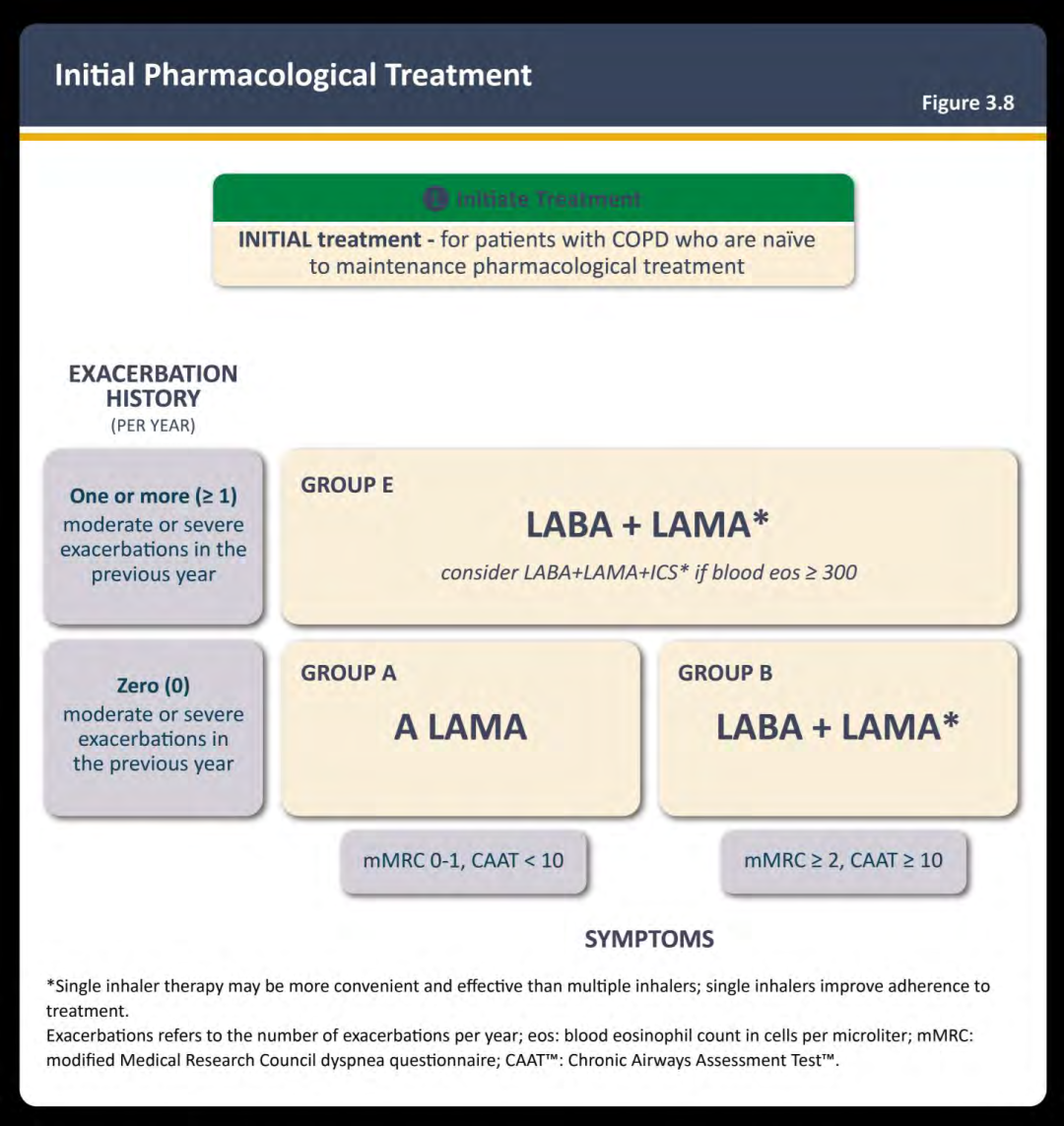 Fig. 5. Initial Pharmacological Treatment, with a LAMA Recommended for Group A
Biologics now have a formal place in the report. In patients with blood eosinophils of 300 cells per microlitre or above who continue to have exacerbations despite inhaled triple therapy, both the anti-IL-4/IL-13 antibody dupilumab and the anti-IL-5 antibody mepolizumab reduce exacerbations and improve lung function and health status. The anti-IL-33 antibody tozorakimab reduced moderate-to-severe exacerbations in Phase 3 trials, with benefit seen irrespective of blood eosinophil level; according to the company, the pooled OBERON and TITANIA data showed reductions of 29% and 34% in the primary population of former smokers and of 30% and 29% in the overall population of former and current smokers (AstraZeneca, 2026). Beyond biologics, the report also describes the selective PDE3/4 inhibitor ensifentrine, which improves lung function and dyspnoea. This edition also adds pressure metered inhalers with low global warming potential and updates vaccination recommendations.
Non-pharmacological care is updated as well, covering pulmonary rehabilitation, physical activity, self-management and integrated care, with five new figures. Self-management should move beyond the simple delivery of information towards individualised skills training and action support; pulmonary rehabilitation follows a pathway of comprehensive assessment, programme selection and outcome tracking; exercise guidance can be added for patients with low physical activity levels; and physical activity and exercise training should start as early as possible after an exacerbation.
Management of Exacerbations: Cardiovascular Risk After Exacerbation
The exacerbation chapter now includes a figure on the risk of serious cardiovascular event or all-cause death following a COPD exacerbation of any severity. The figure makes the point that myocardial infarction, heart failure, arrhythmia and stroke risk rises further during an exacerbation, that the increase follows both moderate and severe exacerbations, and that it can persist for weeks after discharge and in some cases for up to a year. Pooled hazard ratios from the EXACOS-CV meta-analysis fall from 10.22 (95% CI 5.34-19.57) in the first 1-7 days after an exacerbation to 4.00 (95% CI 2.58-6.18) at 8-14 days, 2.93 (95% CI 2.13-4.02) at 15-30 days, 1.70 (95% CI 1.45-2.00) at 31-180 days and 1.24 (95% CI 1.08-1.40) at 181-365 days; beyond 365 days the estimate was 1.18 (95% CI 0.93-1.50), which was not statistically significant (Nordon et al., ERJ Open Res. 2025;11(3):01091-2024).
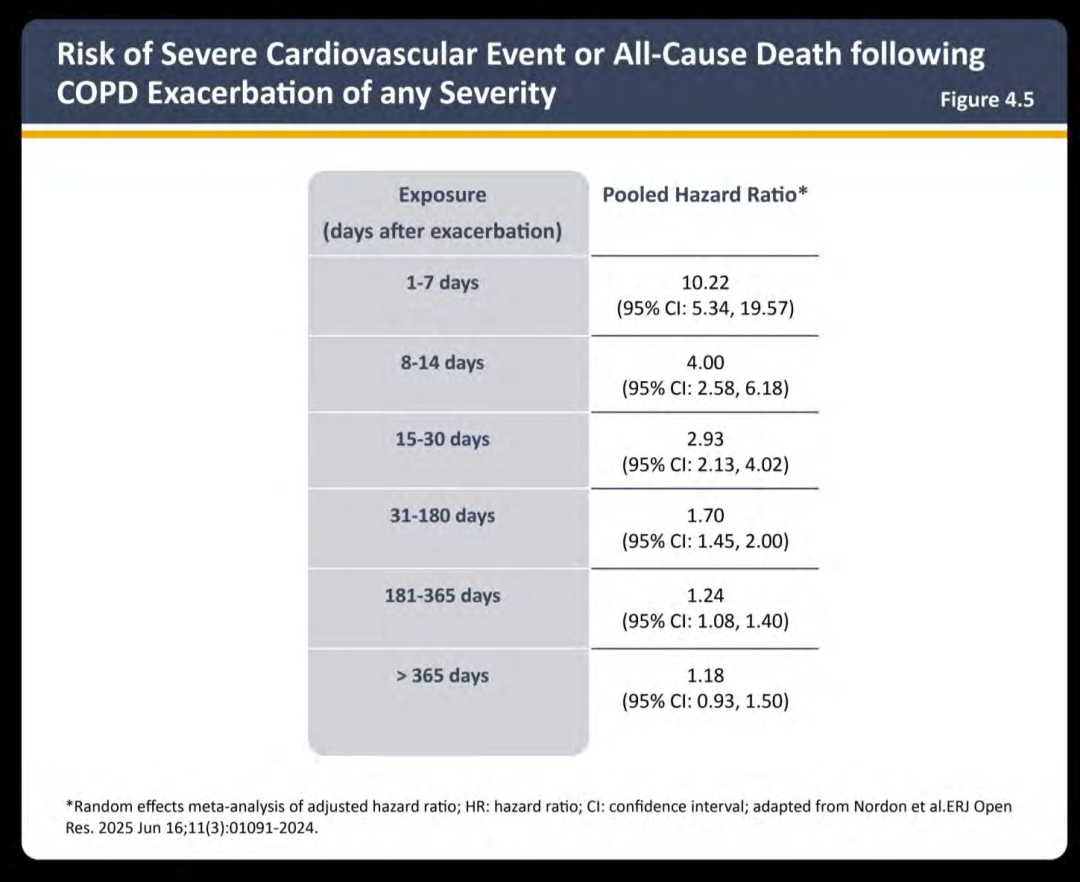 Fig. 6. Risk of Serious Cardiovascular Event or All-Cause Death Following a COPD Exacerbation of Any Severity
On this basis GOLD advises that routine testing of cardiac markers such as troponin and natriuretic peptides during an exacerbation may be considered, although the supporting evidence is weak. There is no evidence to support routine prophylactic use of drugs such as aspirin during or after an exacerbation, and beta-blockers and statins should be used according to cardiovascular indications.
COPD and Comorbidities: Refined Cardiovascular Management
Management of cardiovascular comorbidities is one of the main updates in this edition.
Hypertension. Around half of patients with COPD also have hypertension. Blood pressure should be recorded at every assessment, and a reading above 130/80 mmHg is abnormal and warrants treatment.
Heart failure. The prevalence of heart failure in COPD is 20-30%. Natriuretic peptides have a high negative predictive value (0.80-0.98) for excluding left ventricular dysfunction. Sodium-glucose cotransporter 2 (SGLT2) inhibitors are indicated across all types of heart failure and may reduce the risk of COPD exacerbation and death. Cardioselective beta-blockers are safe in patients with COPD, and heart failure therapy should not be interrupted during an exacerbation.
Coronary artery disease. Coronary artery disease affects 10-20% of patients. A coronary artery calcium score obtained from routine non-contrast chest CT is an effective screening tool, with an area under the curve of 0.98 for detecting any coronary artery disease; combined with cardiovascular risk scores it predicts major adverse cardiovascular events (MACE) better. Beta-blockers should not be withdrawn when there is an indication.
Arrhythmias. Up to 30% of patients develop arrhythmias, with atrial fibrillation the most common. No rate or rhythm control strategy, including beta-blockers, is contraindicated.
Valvular disease. The prevalence of COPD reaches 22-50% among patients with severe aortic stenosis.
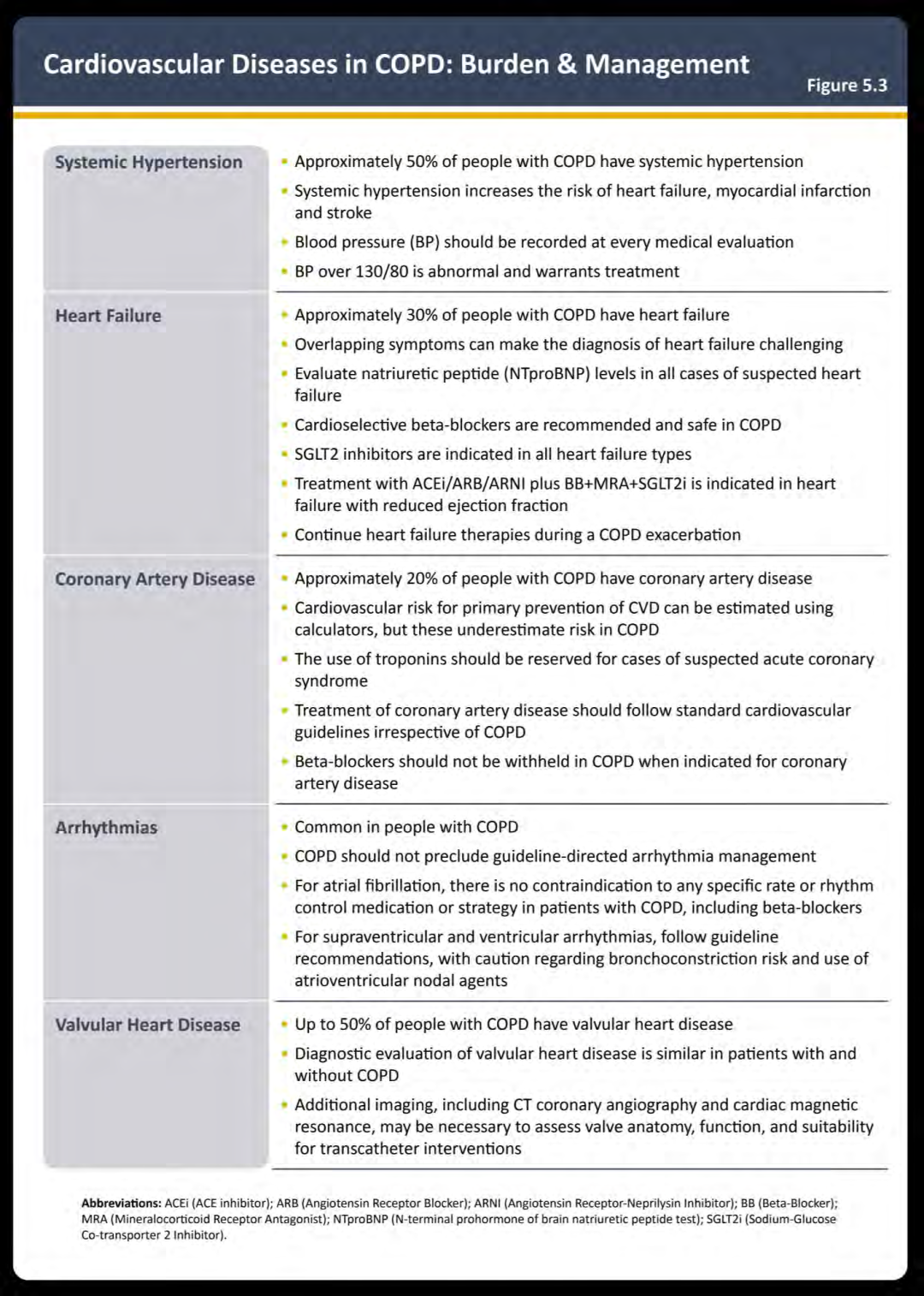 Fig. 7. Cardiovascular Diseases in COPD: Burden and Management
AI and Emerging Technologies
The AI chapter adds a figure on the potential clinical benefits of AI in COPD, focused on three bottlenecks: underdiagnosis, with missed cases left untreated; misdiagnosis, with the wrong treatment given; and late diagnosis, with the condition often not recognised until around the age of 70, by which point the disease has progressed.
AI can identify high-risk individuals in electronic health records, in the community and in lung cancer screening, and can interpret and mine high-dimensional features of spirometry flow-volume loops. Several AI-assisted alternatives to spirometry are under exploration, including breath sounds, speech, oscillometry, electronic noses, photoplethysmography, CT and electrical impedance tomography. At the level of management, AI can combine guideline recommendations with patient characteristics to produce individualised plans, and for monitoring it can support continuous assessment using wearable devices and patient-reported outcomes. GOLD also cautions that the risks and limitations of an AI tool need to be assessed carefully before deployment (Agusti et al., Am J Respir Crit Care Med. 2026;aamag337).
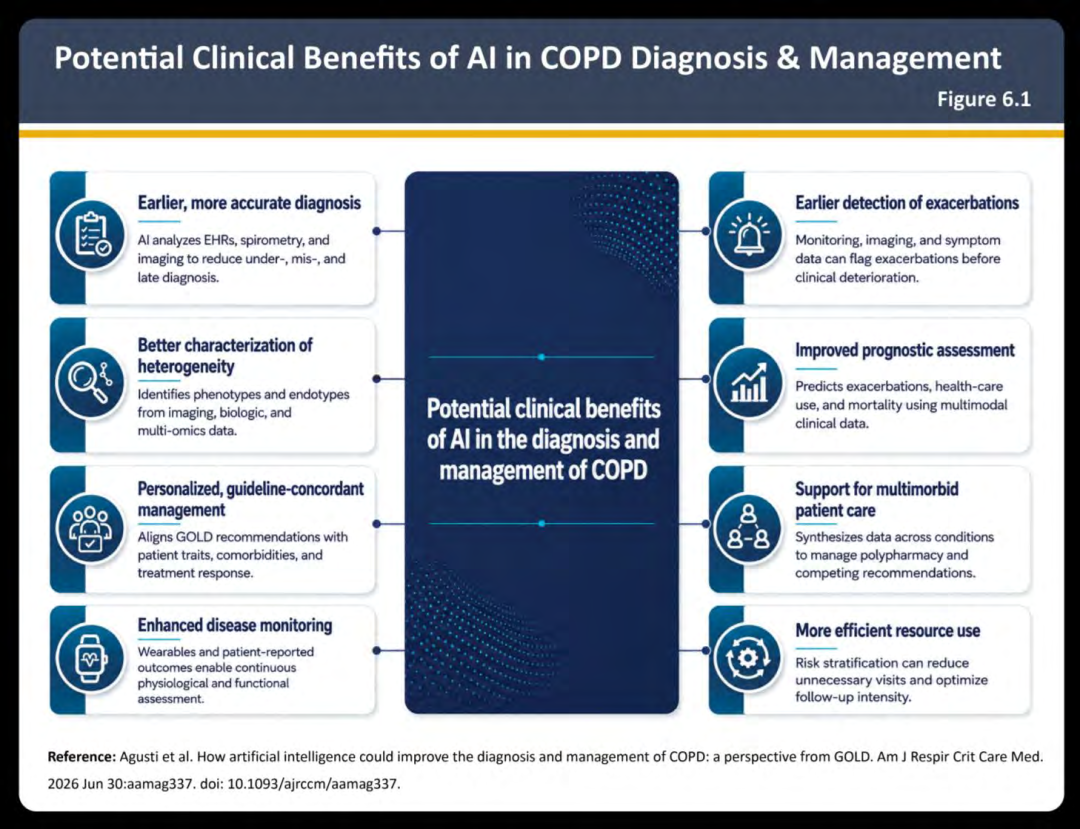 Fig. 8. Potential Clinical Benefits of AI in the Diagnosis and Management of COPD
Conclusion
Across the report, the logic of the 2027 updates is consistent. Definitions are refined through four core terms and six pre-COPD groups to support earlier identification. Earlier detection is supported by CT in the initial evaluation and by mucus plugging as an intervenable imaging feature. More precise treatment comes from specifying a LAMA for group A and from biologics entering the report. More comprehensive management comes from refined cardiovascular comorbidity guidance and from AI across the pathway. Management of COPD is moving away from a single dimension of airflow limitation towards a multidimensional assessment that combines symptoms, structure, risk and comorbidity.
References
[1] Global Initiative for Chronic Obstructive Lung Disease. Global Strategy for the Diagnosis, Management, and Prevention of Chronic Obstructive Pulmonary Disease (2027 Report). 2026.

