


On November 17, 2026, the US Food and Drug Administration (FDA) granted accelerated approval to neladalkib (NVL-655, brand name Nelkarmi), a fourth-generation anaplastic lymphoma kinase (ALK) inhibitor developed by Nuvalent Inc. and now owned by GlaxoSmithKline (GSK). The approval came 10 days ahead of the November 27, 2026 target action date set when the new drug application was accepted with priority review on May 27, 2026. It is the first fourth-generation ALK inhibitor approved anywhere.
The approved indication covers adults with locally advanced or metastatic ALK-positive non-small cell lung cancer (NSCLC) whose disease progressed after either one prior ALK tyrosine kinase inhibitor (TKI), namely alectinib, or at least two ALK TKIs plus platinum-containing chemotherapy. In other words, this is a treatment for pretreated patients, not a first-line agent.
Article Key Points
• FDA accelerated approval on November 17, 2026, ten days ahead of the target action date
• Approved after alectinib alone or at least two ALK TKIs plus platinum chemotherapy, not first line
• Single-arm ALKOVE-1: ORR 68% in G1202R, 58% in compound mutations, intracranial activity retained
• TRK-sparing design; no lorlatinib-type cognitive, mood or speech reactions among common adverse events
• First-line use awaits ALKAZAR (NCT06765109), a phase 3 trial of neladalkib versus alectinib
The ALK Target Has Iterated Through Three Generations
For patients with ALK-positive NSCLC, neladalkib answers a long-standing question: after first-, second- and third-generation ALK inhibitors have been used, what comes next?
ALK fusion mutations account for roughly 3% to 5% of NSCLC, and about 30% to 40% of patients have brain metastases at diagnosis. The development of ALK inhibitors has run alongside two persistent problems, resistance and brain metastases.
Crizotinib became the first ALK inhibitor approved globally in 2011. Second-generation inhibitors followed, with ceritinib in 2014, alectinib in 2015 and brigatinib in 2017.
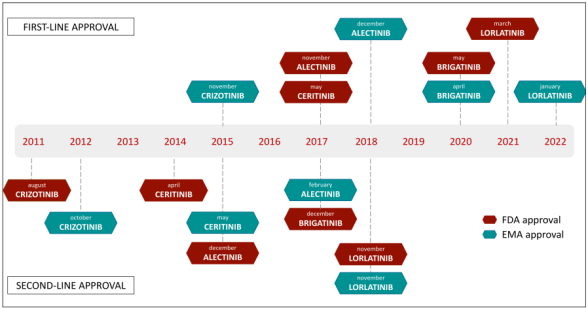 Fig. 1. Evolution of the treatment paradigm for NSCLC patients with EML4-ALK translocation
Image source: The Change in Paradigm for NSCLC Patients with EML4-ALK Translocation
Second-generation agents clearly changed clinical practice, improving both ALK inhibition and blood-brain barrier penetration. Crizotinib reaches the cerebrospinal fluid in very small amounts, which made the brain the most common site of resistance progression. In the final overall survival analysis of the ALEX trial (NCT02075840), presented at the 2025 ESMO Congress, subgroup analysis showed median OS of 63.4 months with alectinib versus 30.9 months with crizotinib in patients with central nervous system (CNS) metastases at baseline. The estimates favored alectinib over crizotinib both with and without CNS metastases at baseline.
Two caveats apply to those figures. In the ALEX intention-to-treat population, median OS was 81.1 months with alectinib versus 54.2 months with crizotinib, but the comparison did not reach statistical significance (hazard ratio 0.78, 95% CI 0.56-1.08; stratified log-rank P=0.1320), which the investigators attributed to crossover in subsequent therapy and to the study not being powered for OS. The confidence interval for the CNS metastasis subgroup (hazard ratio 0.68, 95% CI 0.40-1.15) also crossed 1, so the subgroup difference should be read as a directionally consistent estimate rather than a demonstrated survival difference.
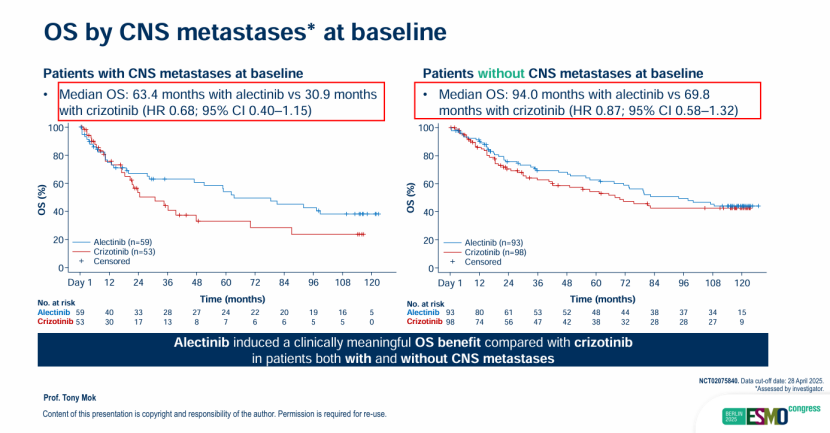 Fig. 2. Final overall survival results from the ALEX trial, presented at the 2025 ESMO Congress
Image source: ESMO 2025
Pfizer’s third-generation ALK inhibitor lorlatinib then raised the bar further. It strengthened ALK inhibition and CNS penetration while retaining activity against single resistance mutations seen after second-generation therapy, such as G1202R.
In the seven-year follow-up of the registration trial for lorlatinib in first-line treatment, CROWN (NCT03052608), reported in Annals of Oncology in 2026, median PFS in the lorlatinib arm had still not been reached as of the October 31, 2025 data cutoff, versus 9.1 months with crizotinib (hazard ratio 0.19, 95% CI 0.13-0.26). Seven-year PFS rates were 55% and 3%, respectively. For intracranial progression, no new intracranial progression events were recorded in the lorlatinib arm after the first 30 months of treatment.
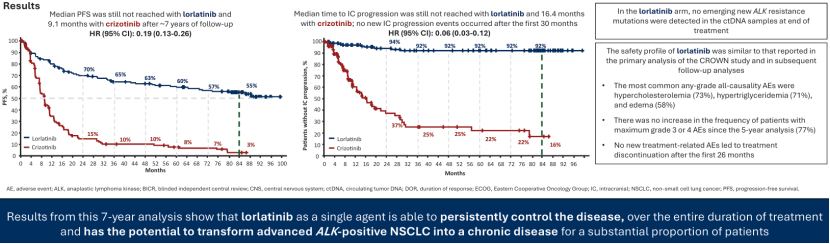 Fig. 3. Seven-year follow-up of the CROWN trial, published in Annals of Oncology (2026)
Image source: Annals of Oncology 2026
What the Clinical Data Show
Three problems remained after the third generation.
The first is resistance mutations. Among patients who progress on second-generation therapy, the ALK G1202R mutation accounts for roughly half of all resistance mutations, and sequencing lorlatinib after second-generation agents can also generate compound mutations such as G1202R/L1196M. The second is brain metastasis. ALK-positive NSCLC patients are prone to it, and a drug needs sufficient brain penetration. The third is neurologic adverse reactions, which arise from inhibition of the structurally similar tropomyosin receptor kinase (TRK) family. TRK inhibition in the central nervous system is associated with neurologic adverse reactions and dose-limiting toxicity.
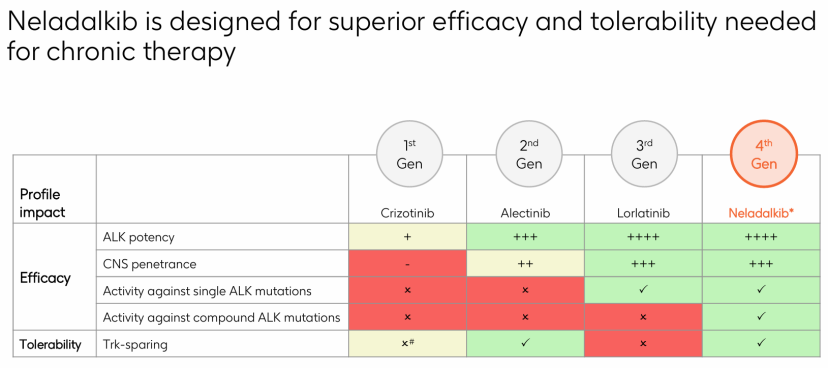 Fig. 4. Molecular design and resistance coverage of neladalkib
Image source: GSK
Earlier ALK inhibitors had difficulty meeting all of these goals at once: activity against both single and compound resistance mutations, control of brain metastases, and avoidance of TRK-mediated neurotoxicity. The development approach for neladalkib targets exactly these gaps. It is a blood-brain barrier-penetrant, selective ALK inhibitor designed to retain activity against the single or compound mutations that emerge after first-, second- and third-generation therapy, such as G1202R, while avoiding TRK kinase inhibition to limit central nervous system adverse reactions.
ALKOVE-1 provides the initial evidence for this approach, and the approval is based on it.
ALKOVE-1 (NCT05384626) is a global first-in-human phase 1/2 study, with a phase 2 recommended dose of 150 mg once daily. The key dataset comes from a combined phase 1 and phase 2 analysis, with the primary endpoint of objective response rate (ORR) assessed by an independent review committee. Enrolled patients were generally heavily pretreated: in the 253-patient efficacy population, median prior therapy was three lines (range 1 to 11), 75% had received lorlatinib, 51% had received chemotherapy, 40% had CNS metastases at baseline, 36% carried secondary ALK mutations, and 17% had two or more ALK mutations.
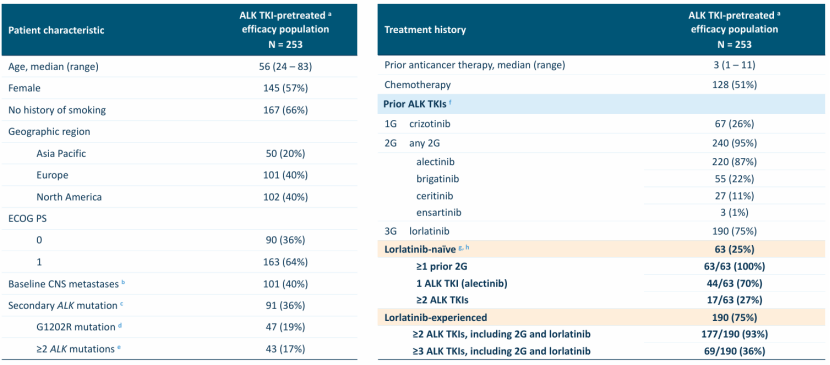 Fig. 5. Baseline characteristics of the ALKOVE-1 efficacy population
Image source: DAVA Oncology-Thoracic Malignancies Summit 2026
Resistance mutations were the most closely watched part of the study. Among patients with G1202R, ORR was 68% (32/47), comprising 83% (10/12) in patients not previously treated with lorlatinib and 63% (22/35) in those previously treated with lorlatinib, and about 80% of responders had a duration of response of 12 months or more. Data for compound mutations came from patients who had received at least two ALK inhibitors and carried two or more ALK mutations: ORR was 58% (25/43), with 69% of responders still in response at 12 months. Responses were also observed in patients with C1156Y, I1171N/T, F1174C/L, L1196M, L1198F, G1269A and other mutations. These data indicate activity against several of the major known resistance mutations, including compound mutations for which effective options had been lacking.
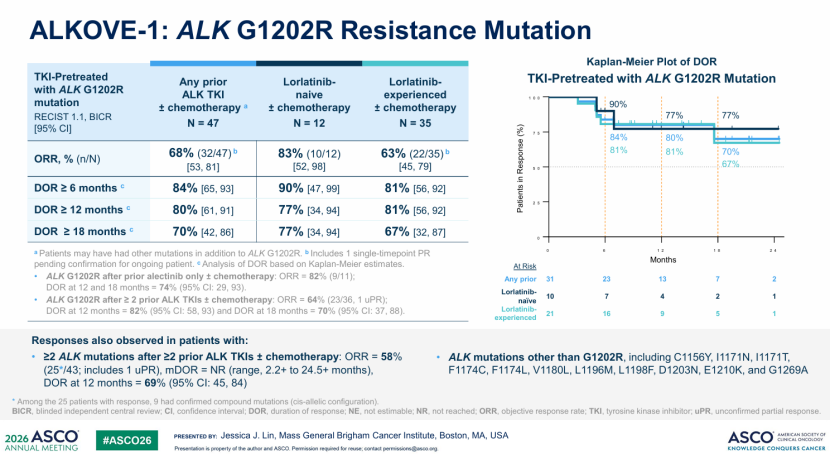 Fig. 6. Response outcomes by ALK resistance mutation in ALKOVE-1
Image source: ASCO 2026
For brain metastasis control, among patients with evaluable intracranial lesions, intracranial ORR was 60% (9/15) in patients who had received only alectinib, and no intracranial progression occurred among those with confirmed intracranial responses. In the exploratory cohort of patients not yet treated with an ALK inhibitor, intracranial ORR was 78% (7/9). These data indicate that neladalkib retained activity within the central nervous system at the level seen with second-generation agents, including after resistance to alectinib.
 Fig. 7. Intracranial activity and safety profile of neladalkib
Image source: ASCO 2026
Overall, the safety profile was consistent with the expectation of avoiding TRK-related neurotoxicity. The safety analysis included 656 patients treated with neladalkib 150 mg once daily, and the most common grade 3 or higher adverse reactions were alanine aminotransferase (ALT) elevation (20%) and aspartate aminotransferase (AST) elevation (16%). Lorlatinib’s characteristic neurologic reactions, namely cognitive impairment, mood change and speech abnormality, are generally attributed to TRK inhibition. None of these reactions appeared among the common adverse reactions listed above.
Filling the Later-Line Gap and Moving Toward First Line
Under the US indication, neladalkib currently serves two patient groups. The first comprises patients who have received only one ALK inhibitor, alectinib, most of whom progressed after first-line alectinib. The second comprises patients who have received at least two ALK inhibitors plus platinum-containing chemotherapy, a group with multi-line treatment and complex resistance mechanisms. For both groups, targeted options had been lacking, and the fourth-generation ALK inhibitor fills that gap.
ALKOVE-1 also included an exploratory cohort of patients not previously treated with an ALK inhibitor. ORR in 44 evaluable patients was 86% (38/44), with 91% of responders remaining in response at 12 months. Follow-up in this group is still short, however, and these results can only be regarded as an early signal.
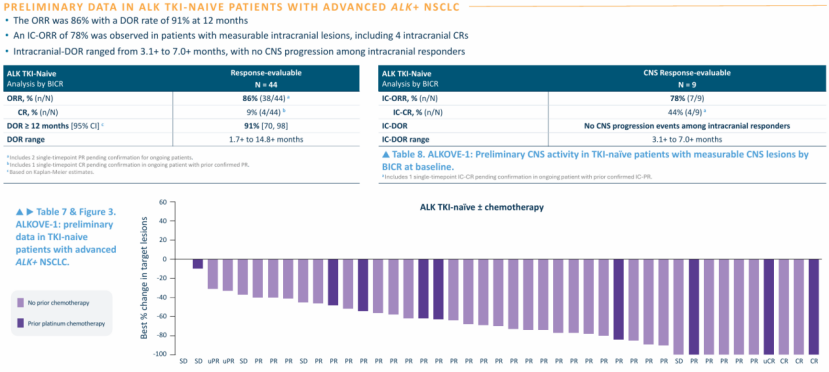 Fig. 8. Response outcomes in the ALK inhibitor-naive exploratory cohort of ALKOVE-1
Image source: DAVA Oncology-Thoracic Malignancies Summit 2026
Whether neladalkib can be used in first line must be established by the phase 3 ALKAZAR trial (NCT06765109), a global, randomized, open-label study that plans to enroll approximately 450 patients with advanced disease who have not received an ALK inhibitor. Patients are randomized 1:1 to neladalkib 150 mg once daily or alectinib 600 mg twice daily. The primary endpoint is PFS assessed by blinded independent central review, and secondary endpoints include OS, intracranial response rate, safety and patient-reported outcomes. The design is straightforward: use first-line standard of care, alectinib, as the comparator to test whether a more precisely targeted fourth-generation ALK inhibitor can extend progression-free survival.
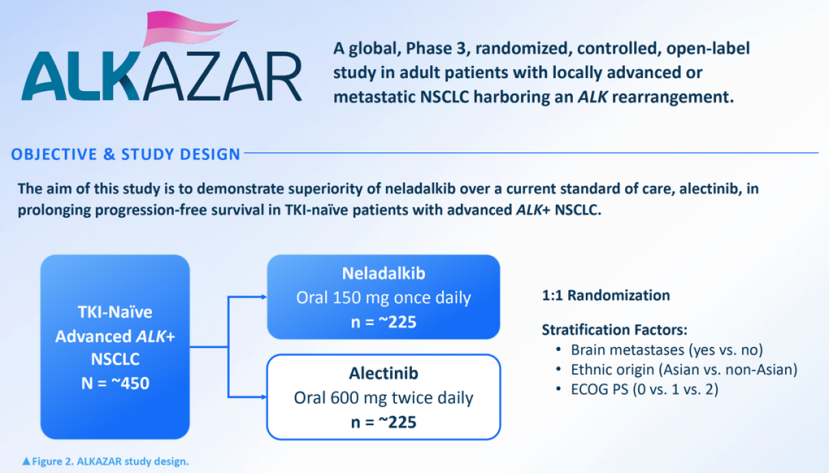 Fig. 9. Design of the phase 3 ALKAZAR study
Image source: ASCO 2025
Two questions about the study deserve attention. First, an increasing number of patients now receive lorlatinib, a third-generation ALK inhibitor, in first line, while the comparator in ALKAZAR is alectinib, so even a positive result would not directly answer which agent is better suited for first-line use. Second, prognosis with first-line lorlatinib is already good, with a seven-year PFS rate of 55% in the CROWN follow-up, so the marginal efficacy gain a fourth-generation inhibitor could deliver may be relatively limited.
China’s Fourth-Generation ALK Pipeline Is Just Getting Started
China is not far behind in the ALK field. Several domestically developed ALK inhibitors are already approved, and second- and third-generation programs are dense, but fourth-generation progress has lagged by roughly one step.
SY-12321, developed by Shouyao Holdings (Beijing) Co., Ltd., is the first fourth-generation ALK inhibitor to enter clinical development in China. In July 2026 it received clinical trial approval from the National Medical Products Administration (NMPA), and on August 13, 2026 the first participant was dosed in a phase 1/2 study at Nanjing Drum Tower Hospital, Nanjing University School of Medicine. Preclinical studies showed that SY-12321 inhibited ALK wild type and multiple key resistance mutations arising after first-, second- and third-generation therapy, covering major single-point mutations and a range of key compound mutations, and that it produced tumor growth inhibition in intracranial tumor models.
Beyond fourth-generation ALK inhibitors, a second route is to optimize within the third generation. Deulorlatinib (TGRX-326), developed by Shenzhen TargetRx Co., Ltd., is a deuterated analog of lorlatinib, and Simcere’s oncology subsidiary Hainan Simcere ReMed Pharmaceutical Co., Ltd. holds exclusive commercialization rights for the mainland China market. Its phase 3 trial (NCT06082635) is a randomized comparison with crizotinib in patients who have not received an ALK inhibitor, with PFS as the primary endpoint, a planned enrollment of 321 patients, and enrollment now complete.
Conclusion
Returning to the original question: after third-generation ALK inhibitors, what comes next? Neladalkib offers a preliminary answer. In ALKOVE-1 it showed clear activity against G1202R and compound resistance mutations, maintained responses within the central nervous system, and showed none of the TRK-related neurotoxicity among the common adverse reactions.
These conclusions come from a single-arm study with short follow-up and no direct comparison with lorlatinib, so whether the drug can move into first line depends both on the ALKAZAR data and on longer follow-up. For patients who have exhausted existing options, however, the approval of a drug designed around specific resistance mechanisms is a notable development.

