


A 37-year-old woman with a 15-year history of Parkinson’s disease, Ms. Li, has become the first patient in the world to achieve a clinical functional cure after receiving stem-cell-based regenerative therapy at Anhui Provincial Hospital. This breakthrough was achieved by a team led by Dr. Jiong Shi, Vice President of The First Affiliated Hospital of USTC (Anhui Provincial Hospital).
Using allogeneic iPSC-derived dopaminergic precursor cell therapy, a single procedure successfully reconstructed neural network connectivity in the patient’s brain, resulting in significant improvement within three months and enabling her return to normal life. This is also the world’s first successful application of this technology in an early-onset Parkinson’s disease (EOPD) patient.
The clinical trial is currently recruiting additional participants. Dr. Shi stated that the “therapeutic effect has far exceeded expectations,” and if replicated in larger trials, this could fundamentally reshape the global treatment paradigm for Parkinson’s disease.
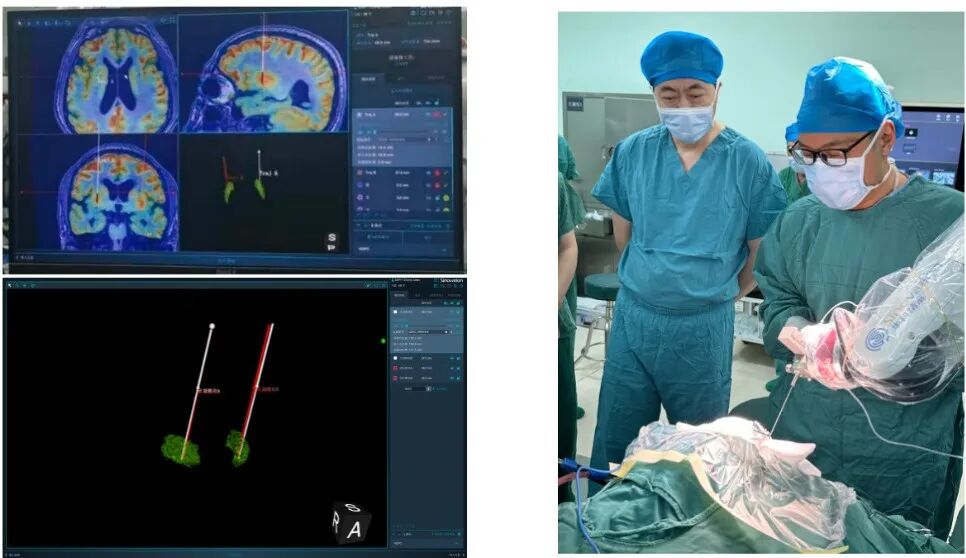
Functional Cure After 15 Years of Illness
Ms. Li developed EOPD at age 22. Over 15 years, she experienced classic symptoms including bradykinesia, uncontrollable tremors, and rigidity. By 2024, medication could barely control her symptoms. She spent up to 50% of each day in ‘off’ periods, unpredictably switching between being able and unable to move.
Dr. Shi told MedJ: “We asked whether regenerative stem cell therapy could allow us not merely to replace dopamine daily, but to rebuild entirely new, healthy dopaminergic neurons—achieving a true functional cure.”
On June 11, under the direction of Neurosurgery Chief Physician Dr. Ruobing Qian, the team used a robotic neuro-navigation system to precisely insert a catheter into a targeted brain region and inject NCR201, a preparation of iPSC-derived dopaminergic progenitor cells.
“It is like planting a seed in the patient’s brain,” Dr. Shi said. “It differentiates into new dopaminergic neurons and reconstructs neural network connections.”
The therapeutic effect exceeded expectations. Within two months, her symptoms markedly improved. Her Parkinson’s rating scale score decreased from 62 (severe impairment) to 28. By early September, her off periods had completely disappeared, and her score dropped to 12, approaching the range seen in healthy individuals.
Challenging an ‘Incurable’ Disease
About 5–10% of Parkinson’s patients have early-onset disease, with around 90% linked to genetic causes. Dr. Shi noted: “Without this treatment, we estimated that Ms. Li would have become fully paralysed in just over ten years.”
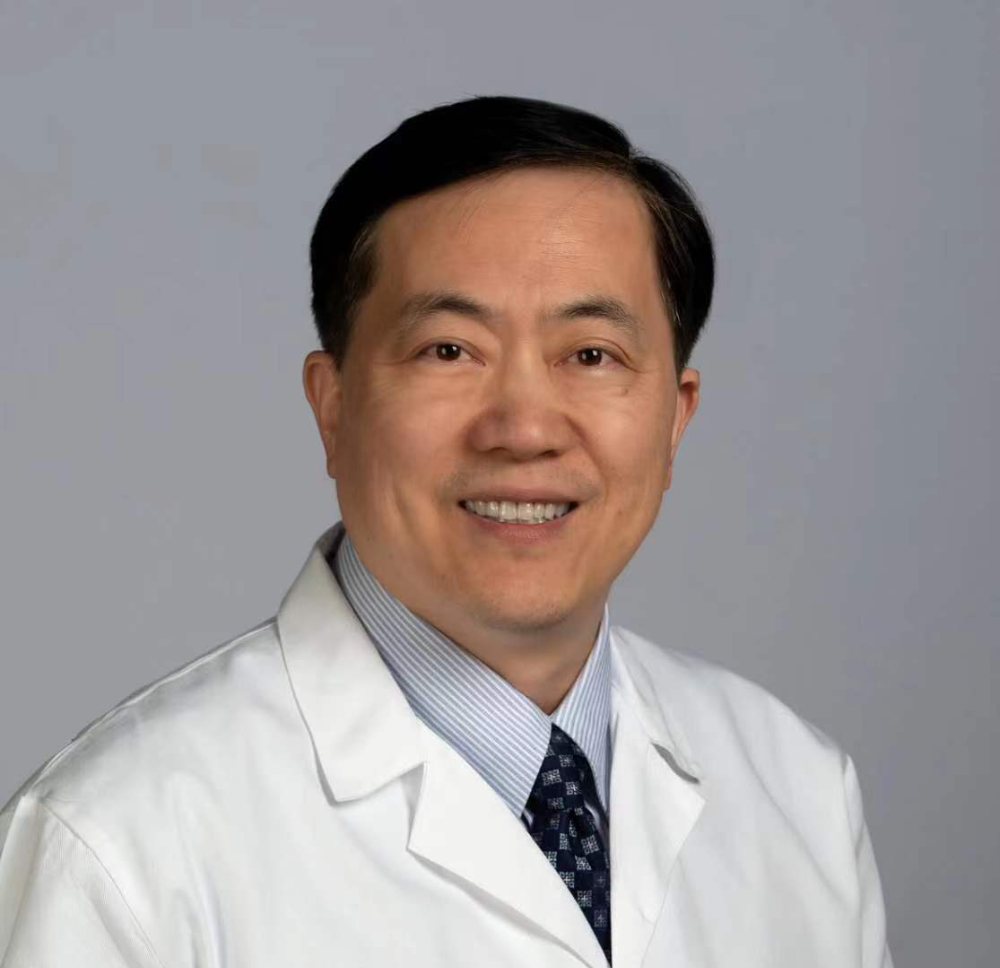
Dr. Jiong Shi
The NCR201 cell product was provided by CellOrigin Biotech. Founder Dr. Junying Yu was one of the pioneers who helped establish iPSC technology in 2007. “In primate studies,” Dr. Shi said, “our dopaminergic differentiation efficiency exceeded 80%, compared with the ~50% reported by international groups at the same time.”
The team also utilised robotic stereotactic technology combined with personalised AI algorithms to precisely plan implantation targets and trajectories. To date, six patients have undergone treatment, the oldest being 71. Beyond Ms. Li, several have experienced elimination of off periods and substantial enhancement of dopamine function.
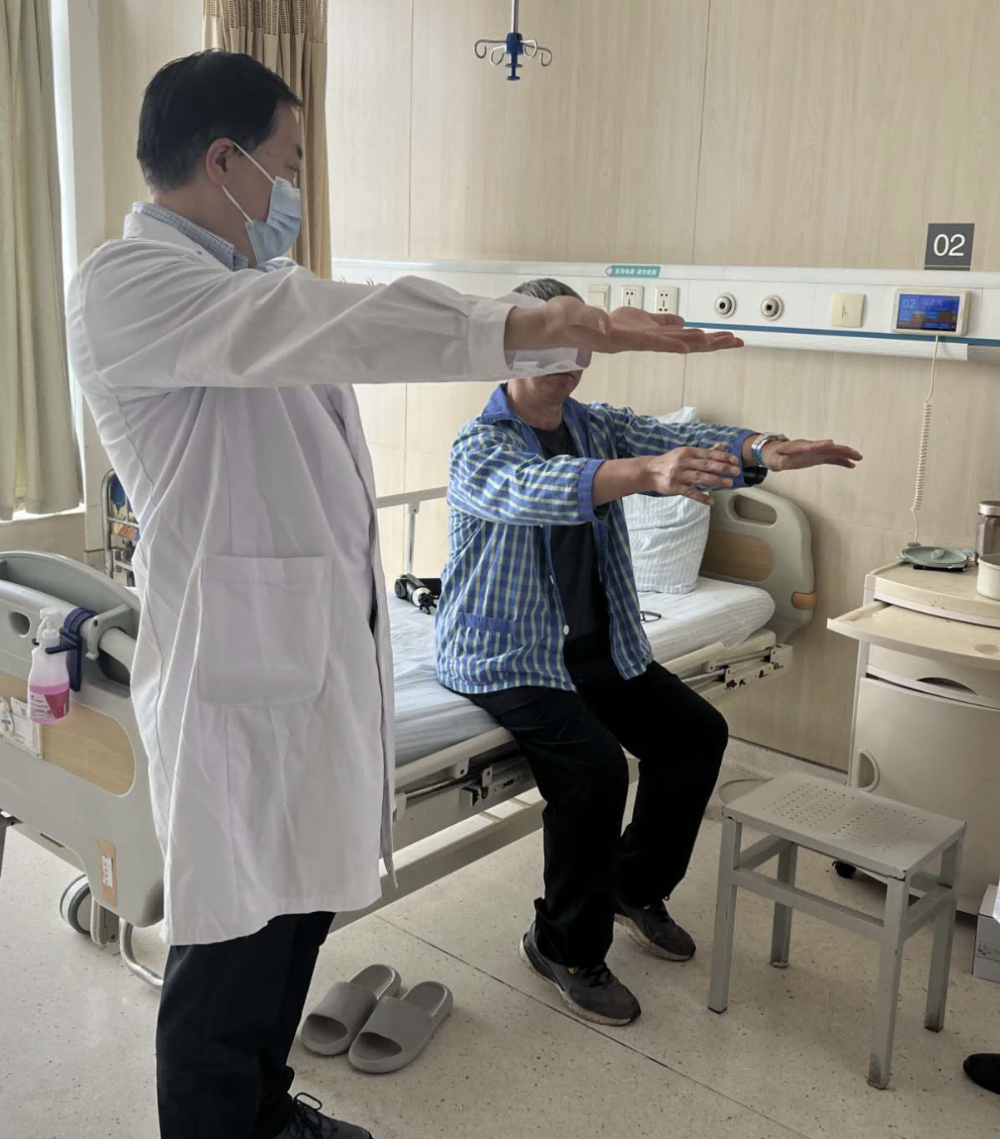 Dr. Jiong Shi is performing a neurological examination on a patient.
Toward Treating More Diseases
Because NCR201 is an allogeneic, off-the-shelf stem cell therapy, Ms. Li currently requires immunosuppressive therapy to prevent graft rejection.
Dr. Shi said: “The brain has a certain degree of immune privilege. We expect that within six to twelve months, she will develop immune tolerance and be able to discontinue immunosuppression.”
The team now faces two key challenges:
Identifying the optimal therapeutic window for patients at different disease stages.
Understanding how the pathological microenvironment of the brain affects implanted cells.
“These require long-term research and dedicated effort,” Dr. Shi added.
Following treatment, Ms. Li has returned to normal life. She recently spent an entire day walking with her family at a scenic site. “Everyone else complained of leg pain,” she said. “But I felt fine.” For her, this simple activity marked a profound sense of rebirth.
This groundbreaking therapeutic success not only brings hope to Parkinson’s patients but also expands the potential of regenerative stem cell therapies across a wider range of neurological diseases.

