


On October 19th, the 2024 MedJ Value Conference and the 5th Taishan Award Ceremony were held in Shanghai.
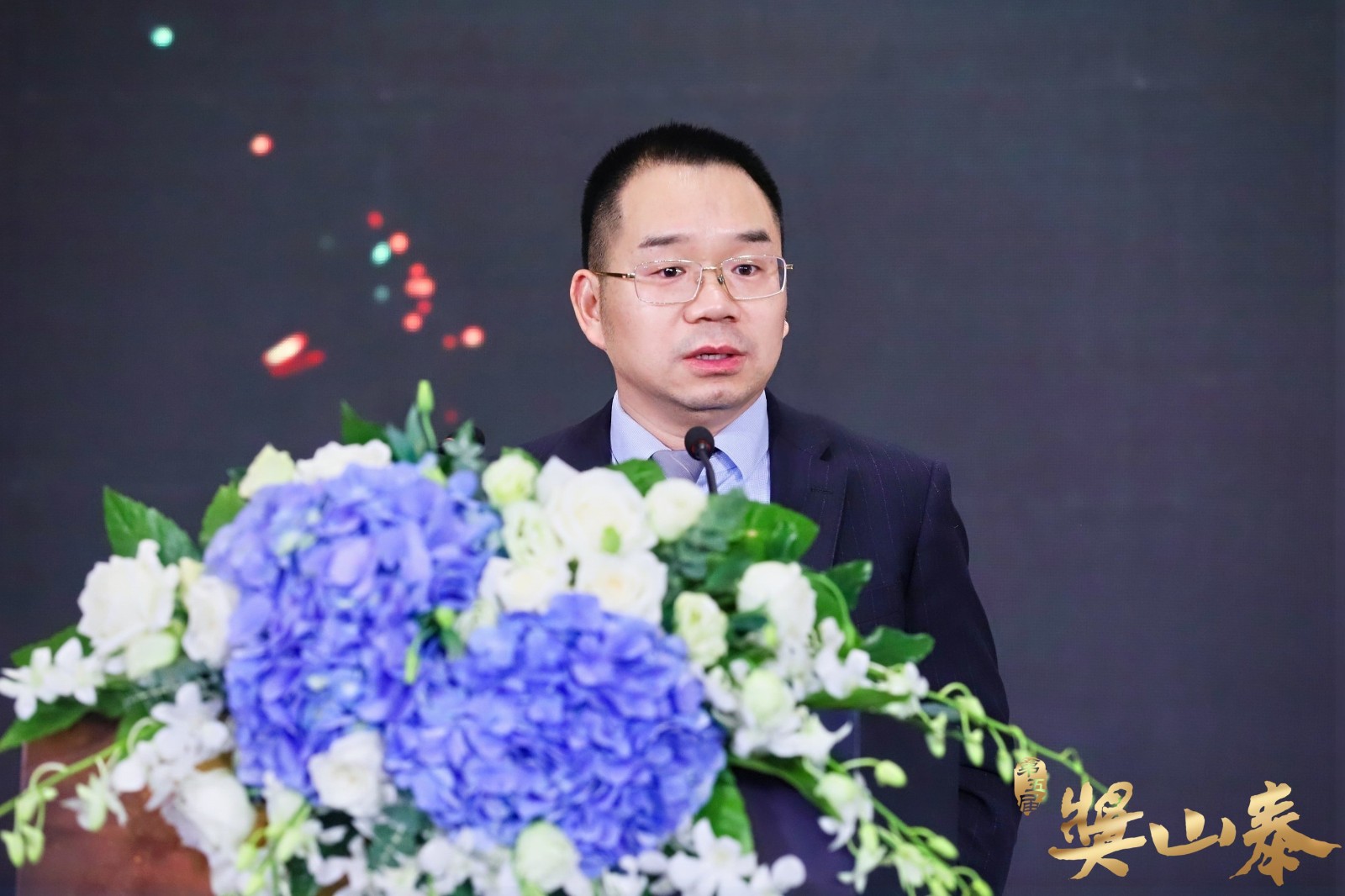
Founder of “MedJ”Chen Qirui
The "Taishan Award" has been established for 5 years, always committed to recognizing researchers and practitioners of value-based healthcare in China, and promoting greater value of value-based healthcare in China. Here, I would like to introduce to you the original intention of "MedJ" in initiating the "Taishan Award," and why we should pay attention to and promote the implementation of "value-based healthcare" in China.
Since I started the "MedJ Network" in 2012, we have embarked on entrepreneurship with the dream of "serving medical professionals and improving healthcare."
Over the past 12 years, "MedJ Network" has recorded the hot spots, cold spots, pain points, and itch points in the development of China's healthcare industry over the past 12 years as a medical information and doctor service platform. It has seized the opportunities of the internet boom and the opening of innovative drugs, and has accepted the challenges of the pandemic for three years.
Over the past 12 years, "MedJ Field Network" has grown into a leading medical information and doctor service platform in China with 300 employees.
Because of the nature of our work, we have a broad and extensive touch and understanding of Chinese healthcare. Therefore, I am not unfamiliar with value-based healthcare.
In 2019, we had the opportunity to co-organize a "China Value-based Healthcare Conference" with a public institution under the National Health Commission. Through this conference, I gained an in-depth understanding of the theory, significance, and practice of value-based healthcare. At that time, I realized that Chinese healthcare needs "value-based healthcare," and the "MedJ Value-based Healthcare Taishan Award" was established by "Medical Field Network." Unlike many awards, our "Taishan Award" has no commercial sponsorship, provides a cash prize for individual winners (although limited), and has an independent selection process.
By 2023, the Taishan Award had been held for four sessions, with awards given in several areas such as "clinical research," "diagnostic and treatment plans," "public health policies," "medical management," "public welfare figures," "medical reporting," and "breakthroughs in drugs and devices." It should be said that the "Taishan Award" has had a certain impact in our country's medical field.
Operating the "Taishan Award" is a complex task, requiring a lot of effort from our staff, and also requires an annual investment of about 1 million yuan in funds, with no commercial returns other than "reputation."
Why do we undertake this difficult, resource-intensive, and limited-return work?
Based on my understanding of the current state of Chinese healthcare, I firmly believe that China needs value-based healthcare:
With the acceleration of aging in our country, medical expenditures will rise rapidly, and with the slowdown of our country's economic growth, we must use our limited medical funds more efficiently. In fact, I personally believe that to prevent our country's medical insurance funds from being overwhelmed by rapidly increasing medical expenditures, "value-based healthcare" will be the only answer. This judgment will be verified in the next ten years;
Value-based healthcare advocates "clinical effectiveness, improved experience, increased accessibility, and high cost-effectiveness," which can provide a rigid value judgment standard for our country's medical system. Including: what kind of drugs and devices should be approved, what kind of products and medical services should be included in medical insurance... and these are the two key issues that our country's medical system is currently waiting to solve. Only by controlling these two entrances can our medical efficiency be improved;
Our country's medical system is facing a transformation from "institution-centered" to "patient-centered." Without value-based healthcare as a lever to set the value and thus set reasonable prices for medical products and services, and thus promote medical price reform, this process is bound to be difficult to achieve.
I believe that in order to "have a better Chinese medical system," we must absorb and promote the implementation, take root, and sprout of value-based healthcare in our country.
From our experience in evaluating the "MedJ Value-based Healthcare Taishan Award," although there are no lack of cases and explorations of value-based healthcare in our country, the exploration is still insufficient. When we select cases, we often feel that the options are limited. "For a better Chinese healthcare," let's continue to work hard!

