


At the foot of Jiajin Mountain in Xiaojin County, Aba Prefecture, Sichuan, Davi Town Health Center has become a vivid example of how a remote grassroots medical institution can rebuild public trust.
The town covers about 375.74 square kilometers, administers six villages, and has only 3,194 permanent residents. Villages are scattered across mountains, and access is difficult. The health center once had disordered space, confused department settings, limited equipment, a shortage of professionals, weak service capacity, and very low public confidence. Annual outpatient visits long hovered around just over 2,000.
In March 2024, Dr. Cailong Teng, a young director in his early thirties, took charge. He set a simple goal: make care convenient, reassuring, and warm for local residents. He improved the environment, expanded commonly used medicines, developed traditional Chinese medicine rehabilitation, strengthened family-doctor contracts, and led a small team into villages for home visits.
First reshape the institution
A grassroots health center's reputation begins with what patients can see. When Dr. Teng arrived, diagnostic areas overlapped, functions were unclear, workflows were inconvenient, and people entering the center often could not find the right room. Medical records, drug management, infection control, and service standards also needed rebuilding.
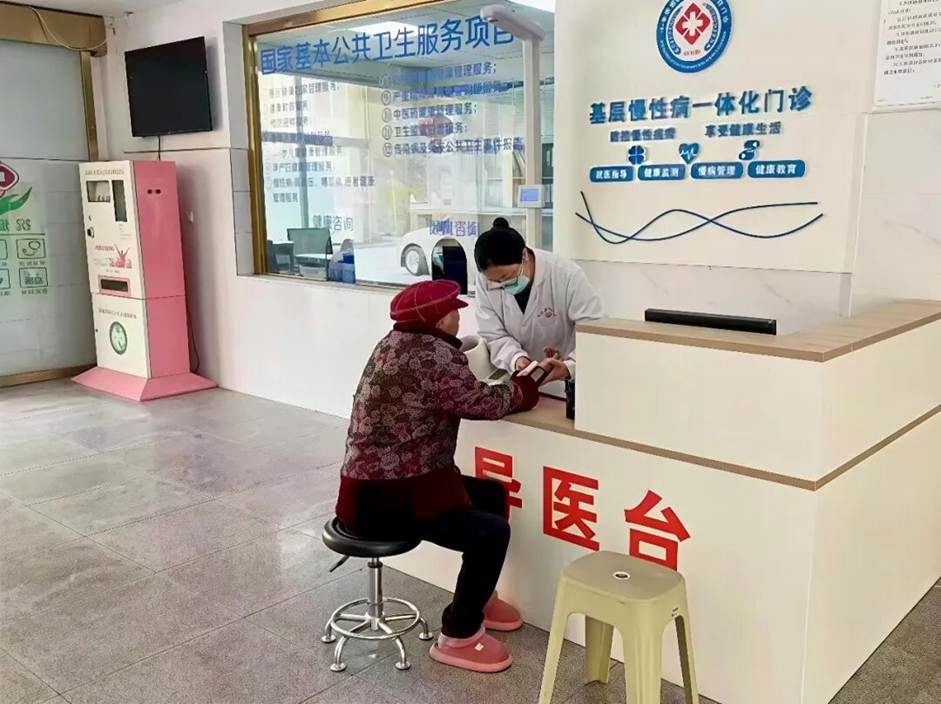
Dr. Teng first launched a standardized renovation. He reorganized departments around local needs and created a chronic disease general practice clinic that integrated common disease diagnosis, chronic disease screening, health intervention, and medication guidance.
He also separated diagnostic rooms, treatment rooms, the pharmacy, wards, public health service rooms, and the Chinese medicine area, while improving signage and optimizing registration, consultation, examination, medication pickup, and medical insurance settlement. The goal was to reduce unnecessary walking and waiting.
The center then built standardized management systems for documentation, drug procurement and storage, clinical procedures, infection prevention, and service etiquette. The small health center began moving from rough operation toward refined management.
Building Chinese medicine services from zero
In remote mountain areas, Chinese medicine services are often highly valued by residents. Before Dr. Teng arrived, the center had no Chinese medicine physician, no Chinese medicine equipment, and no herbal decoction pharmacy. Patients seeking acupuncture, moxibustion, or herbal prescriptions had to travel to the county seat.
Dr. Teng repeatedly reported the local need to higher-level health authorities and secured one professional Chinese medicine physician. The center then equipped itself for acupuncture, moxibustion, scraping, cupping, tuina massage, and other suitable techniques. It installed an automatic decoction machine and stocked nearly 200 commonly used herbal medicines under standardized quality management.
From having no Chinese medicine service to offering internal herbal therapy and appropriate external therapies, Davi Town Health Center filled a historical service gap and gained a distinctive reason for residents to return.
Serving scattered mountain communities
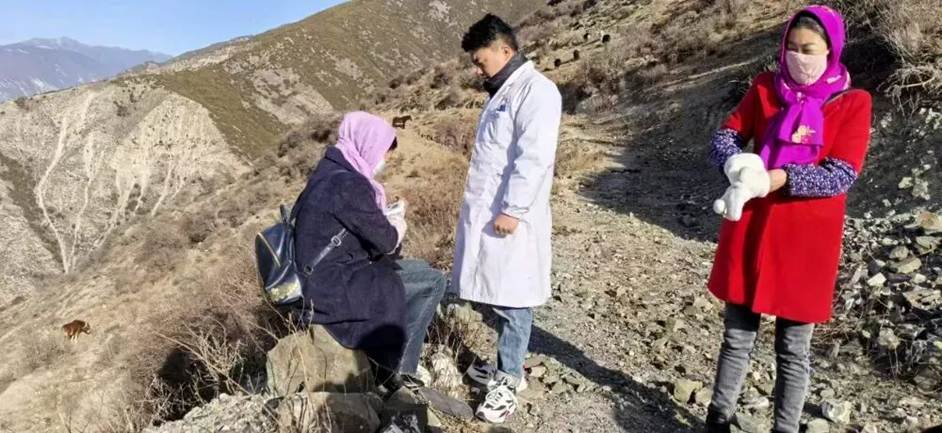
With only about 3,000 residents, the center cannot rely on scale. It must rely on precision, convenience, and trust. Dr. Teng recognized that people in the mountains worry most about distance and difficulty, and hope most that someone will manage their health consistently.
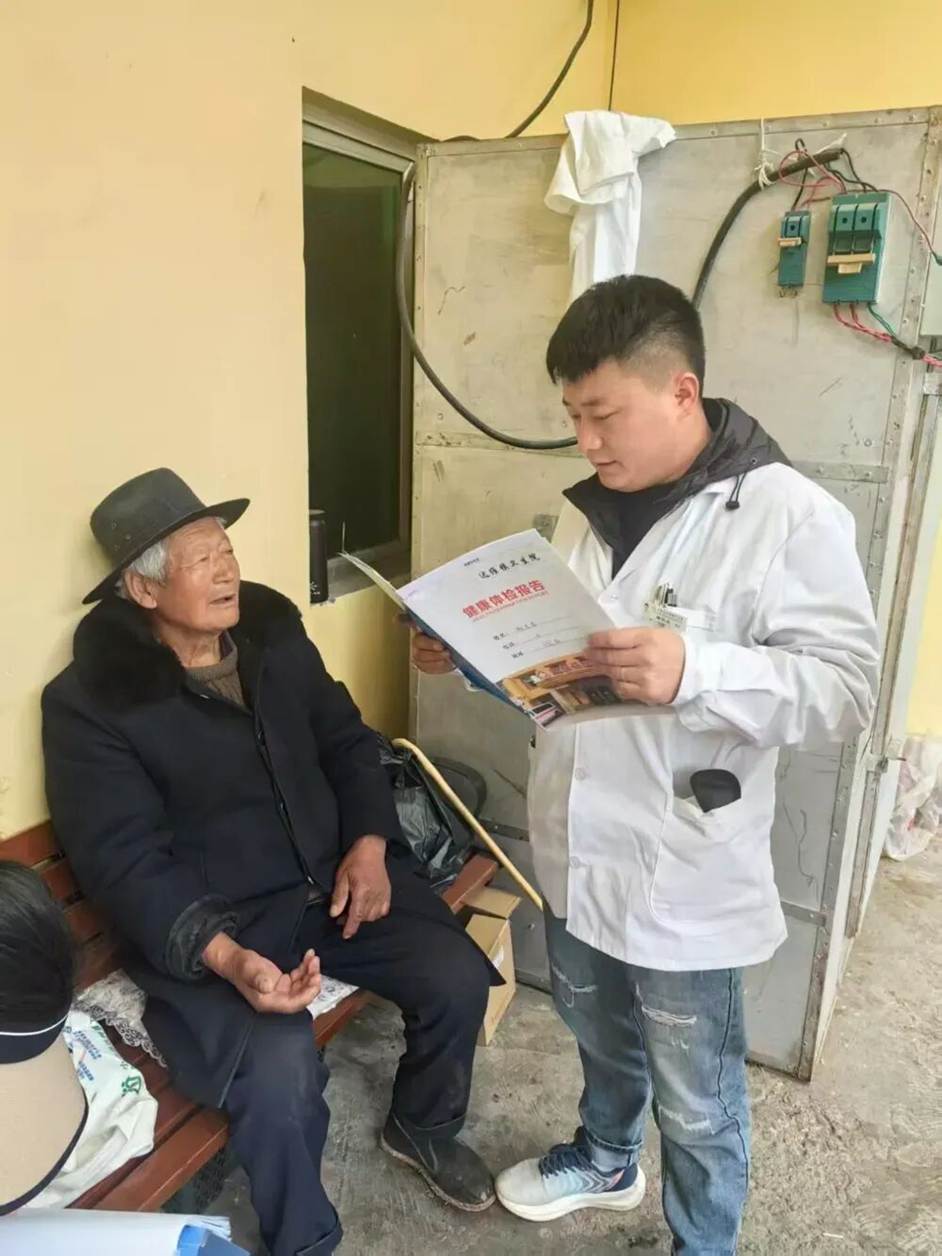
The center now provides routine care for common diseases, frequently occurring diseases, and chronic conditions, allowing minor illness and chronic disease management to happen closer to home. For patients with hypertension, diabetes, and other chronic diseases, the center builds dedicated health records, provides follow-up, medication guidance, health education, and disease monitoring.
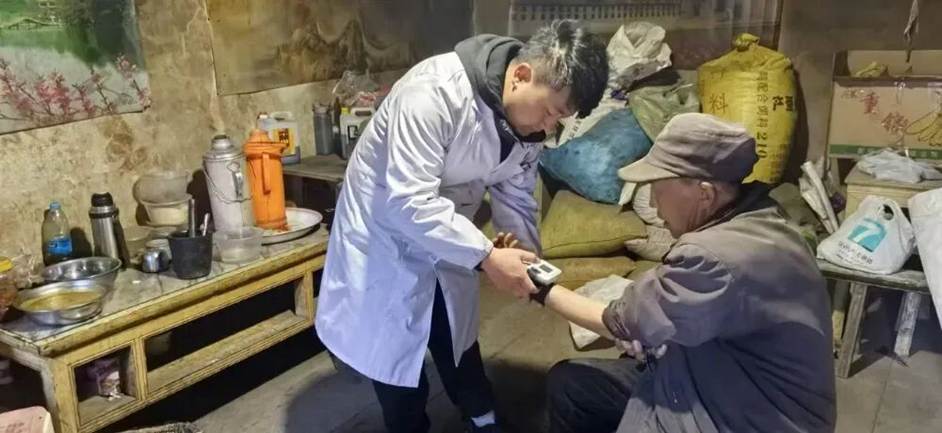
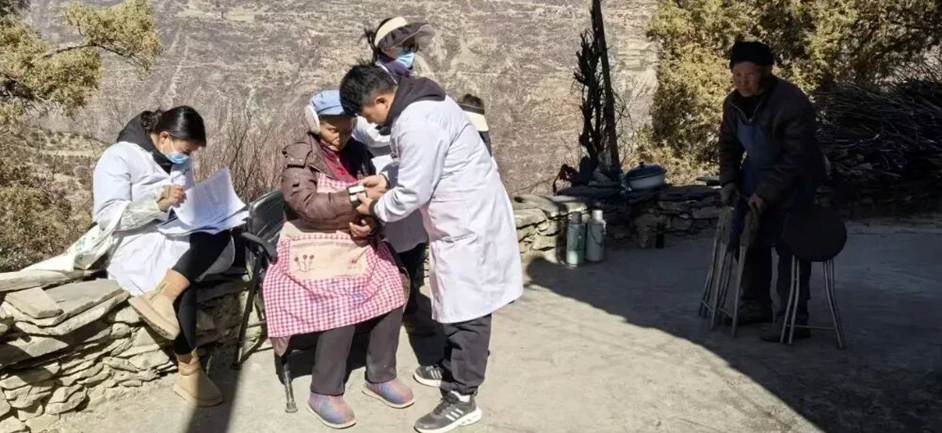
For older adults, people with disabilities, and residents living far from the clinic, Dr. Teng and his team leave the consultation room and visit all six villages. A full round of villages can require 60 to 80 kilometers of travel across mountain roads. They provide physical examinations, consultations, rehabilitation guidance, and medication delivery at home.
The changes rebuilt trust. Outpatient visits rose to more than 4,600 in 2024 and reached more than 6,800 in 2025, nearly tripling from the previous long-term level in a town of just over 3,000 residents.
Guardians of health under Jiajin Mountain
In two years, Davi Town Health Center moved from public distrust to visible order, functional completeness, Chinese medicine services, and growing patient volume. Its path shows that the development of a grassroots health center depends less on the size of the population and more on whether residents are truly placed at the center of service.
Dr. Teng often says that the Red Army created miracles under Jiajin Mountain, and today the health workers there must protect the health of more than 3,000 fellow residents. Grassroots medicine may not involve dramatic feats, but doing every small thing well and caring for every patient is its greatest responsibility.

