


A breast cancer researcher who had spent 15 years studying the disease became the patient herself. She left the laboratory, went through diagnosis and treatment, and emerged with a different understanding of the disease she had been working to understand.
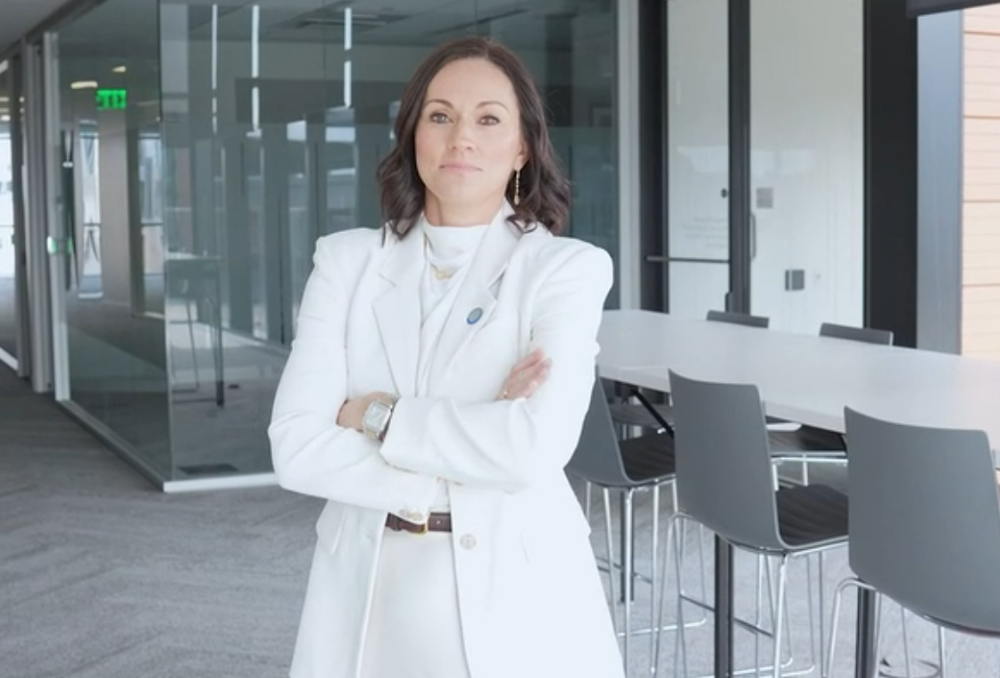 Fig. 1. Breast Cancer Researcher Jennifer Guerriero, PhD. Courtesy of Mass General Brigham
Article Key Points
- Guerriero, PhD, a breast cancer researcher at Mass General Brigham Cancer Institute, was diagnosed at 43
- The diagnosis followed a routine screening mammogram; she had no symptoms and had felt no lump
- The tumour was early stage and hormone receptor positive; she underwent bilateral mastectomy in August 2026
- She chose bilateral removal after discussing lumpectomy with her surgeon, citing recurrence risk as the key reason
- Roughly 5% to 10% of breast cancers are associated with hereditary pathogenic variants
- A family history raises risk but does not establish that hereditary breast cancer is present
- WHO estimates 2.4 million women were diagnosed with breast cancer globally in 2024
- Age-standardised five-year net survival was 41.9% in low-income countries and 87.3% in high-income countries
- The 2024 USPSTF recommendation is biennial mammography from age 40 to 74, and does not apply to high-risk groups
Jennifer Guerriero, PhD, a breast cancer researcher at Mass General Brigham Cancer Institute, had not expected to become a breast cancer patient herself. In spring 2026, the 43-year-old assistant professor of surgery at Harvard Medical School and researcher at Mass General Brigham Cancer Institute went for her annual screening mammogram as she had in previous years. She had no symptoms and had felt no lump. The examination returned an abnormal result, and she was subsequently diagnosed with early-stage, hormone receptor-positive breast cancer.
For the past 15 years, Guerriero has studied the relationship between breast cancer and immune cells. Her laboratory has worked on multiple breast cancer types, including hormone receptor-positive tumours. What she now faces is precisely the disease she has spent years trying to understand.
“I knew the science, I knew the biology, but nothing prepared me to hear the words, ‘I have cancer’,” she said in an interview with ABC News.
In August 2026, Guerriero underwent bilateral mastectomy. After recovering, she returned to the laboratory and began speaking publicly about her experience.
A Family History Does Not Equal Hereditary Breast Cancer
Guerriero’s interest in breast cancer began in childhood. In one of her earliest memories, her grandmother was diagnosed with breast cancer and underwent bilateral mastectomy. At the time she did not yet understand tumour biology, but she was already asking why some patients could be cured and others could not. That question later followed her into the laboratory and became the reason she chose to study breast cancer.
A grandmother and granddaughter with breast cancer in turn naturally raises the question of whether breast cancer can be inherited within a family.
Current research indicates that family history is information that does need to be taken into account when assessing breast cancer risk, but a relative with the disease does not mean that hereditary breast cancer is necessarily present.
Relatives may share certain genetic variants, but they may also share similar lifestyles and environments. Conversely, a person with no known family history can still develop the disease.
The US National Cancer Institute notes that approximately 5% to 10% of breast cancers are associated with hereditary pathogenic variants. BRCA1 and BRCA2 are the best known susceptibility genes among them, and certain pathogenic variants in genes such as PALB2 and TP53 are also associated with breast cancer risk.
One distinction matters: everyone has BRCA1 and BRCA2 genes. What clinicians look for is whether these genes carry pathogenic or likely pathogenic variants that increase cancer risk.
Such variants can come from the maternal or the paternal line. Carriers can pass a variant to their children, but carrying a variant increases the risk of cancer rather than making it certain. Two generations of a family developing the disease in turn also cannot, on that basis alone, establish that they carry the same variant.
When assessing family risk, doctors usually ask which blood relatives on both sides of the family have had cancer, what type of cancer it was, and at what age it was diagnosed. Several relatives with breast cancer, a diagnosis at a young age, or ovarian cancer or male breast cancer in a family may all point to a need for further evaluation.
The US National Cancer Institute advises that people with a relevant personal or family history can discuss whether testing is needed with a physician or genetics professional. Where possible, hereditary cancer risk testing usually starts with a family member who has already been affected, because the result is more useful for explaining the risk to other relatives.
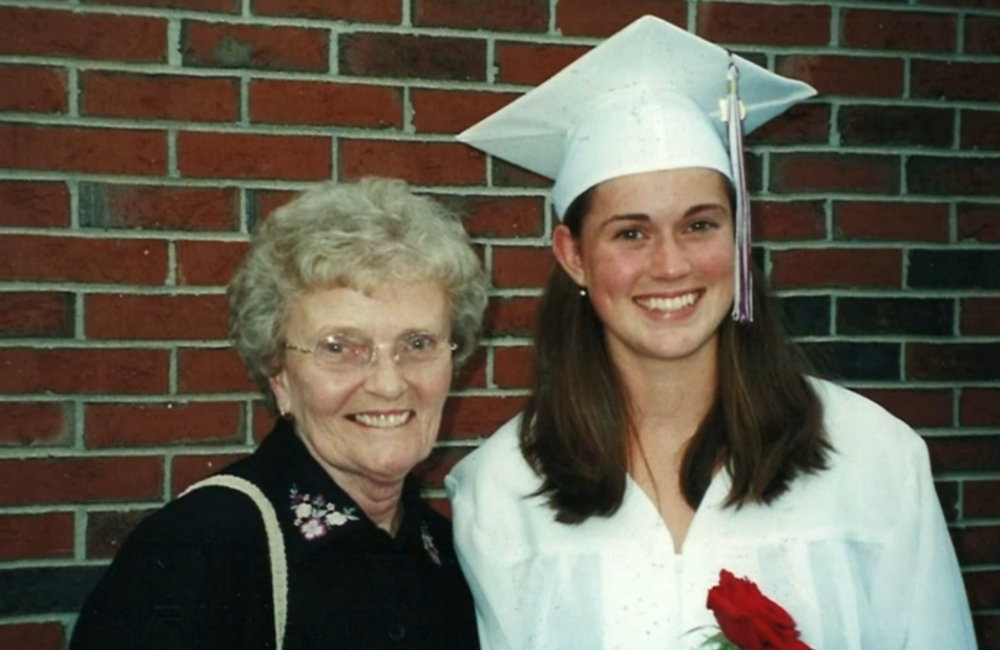 Fig. 2. Guerriero and Her Grandmother. Courtesy of Mass General Brigham
Guerriero’s experience with her grandmother also reminds people with similar family histories that understanding the medical history is the first step in assessing risk. It was with the question she carried from childhood that Guerriero chose to pursue cancer research.
She studied biochemistry at Northeastern University, then received her PhD at Stony Brook University and completed postdoctoral training at Dana-Farber Cancer Institute. She now leads a research team at Brigham and Women’s Hospital, working on the relationship between breast tumours and the immune system.
One of her research areas is tumour-associated macrophages. Macrophages are part of the immune system, but some macrophages within tumours can suppress antitumour immunity, helping the tumour grow or resist treatment.
Her team is trying to identify these cells, understand how they are regulated, and determine whether their state can be changed so that the immune system responds to the tumour. The laboratory also analyses breast tumour tissue donated by patients, looking for strategies that halt tumour growth or activate an immune response.
Patient-donated samples have long been part of her research. Only after undergoing a biopsy and surgery herself did she come to understand from another angle what a patient goes through before a sample reaches the laboratory.
In the Mass General Brigham report, Guerriero said that as a scientist she had always known how important tissue samples are for research. As a patient, she gained a deeper appreciation for what it means to undergo a biopsy and surgery and to be willing to provide a sample.
“Every piece of tissue represents a patient,” she said.
From Surgical Choice to Screening: What She Hopes More People See
After diagnosis, Guerriero needed to discuss treatment options with her physician. Barbara Smith, MD, PhD, the breast surgeon who cared for her, is also her superior in the department where she works.
The two discussed lumpectomy and bilateral mastectomy. After weighing the options, Guerriero chose the latter. In the Mass General Brigham report, she explained that reducing the risk of recurrence was the key reason for this choice.
Bilateral removal was a personal decision made by Guerriero after discussion with her physician. The extent of surgery, whether radiotherapy is accepted, and the patient’s own considerations about recovery and quality of life can all influence the choice.
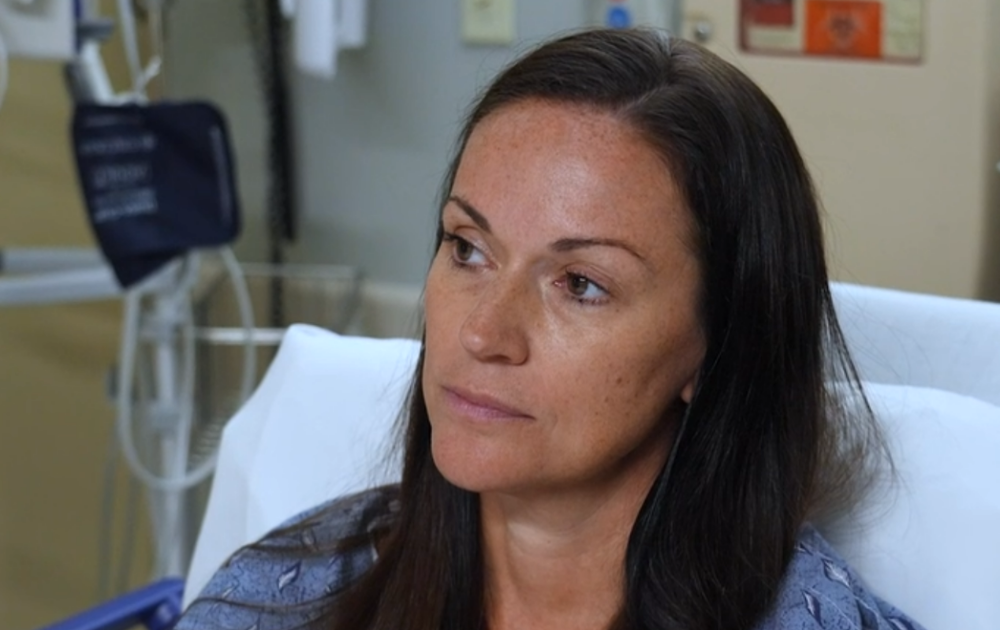 Fig. 3. Guerriero Undergoing Treatment. Courtesy of Mass General Brigham
The US National Cancer Institute notes that for early-stage patients suitable for breast-conserving surgery, breast-conserving surgery is usually combined with radiotherapy and achieves survival rates comparable to mastectomy. Removing the breast also cannot guarantee that the risk of recurrence falls to zero, because surgery cannot remove all breast tissue. After surgery, some patients may still need radiotherapy, endocrine therapy, chemotherapy, or targeted therapy, depending on tumour characteristics and the treatment assessment.
Guerriero’s tumour was hormone receptor positive. This means that the tumour cells detected oestrogen receptors or progesterone receptors, and hormonal signalling may have contributed to tumour growth. Endocrine therapy acts by lowering oestrogen levels or blocking the relevant signalling, and it is one of the important treatment options for this type of breast cancer.
Smith performed her surgery in August. After a period of postoperative recovery, Guerriero returned to the laboratory and currently has no signs of cancer. Speaking to ABC News, Guerriero said she was fortunate that her cancer was detected early, and therefore had the opportunity to consider different treatment options.
She also noted that having a trusted medical team alongside her during illness brings reassurance through the processes of diagnosis, surgery, and recovery. For a researcher, familiarity with the biology of a disease cannot substitute for the lived experience of being a patient.
Long before her diagnosis, Guerriero already had a habit: since turning 40, she posted a selfie on social media after every annual mammogram, reminding those around her to pay attention to screening.
When the 2026 results came through, she told friends and colleagues that she had found breast cancer during routine screening. Not long afterwards, a number of them messaged her to say that they had booked a screening appointment.
Those responses stayed with her through treatment as well. She said that photos and messages shared by friends kept her warm on some difficult days. Now that she has spoken publicly, she hopes more women understand their own screening schedules and discuss with their physicians what plan suits them.
The Wider Picture: Screening and Global Disparities
Guerriero’s experience is also a specific illustration of the wider global effort against breast cancer. The World Health Organization estimates that in 2024 approximately 2.4 million women were diagnosed with breast cancer worldwide and approximately 694,000 women died of the disease. Breast cancer is the most common cancer among women globally and the leading cause of cancer death in women.
Patients with the same disease do not have equal access to diagnosis and treatment in different parts of the world. WHO modelling estimates for women diagnosed between 2017 and 2021 showed an age-standardised five-year net survival of 41.9% in low-income countries, compared with 87.3% in high-income countries.
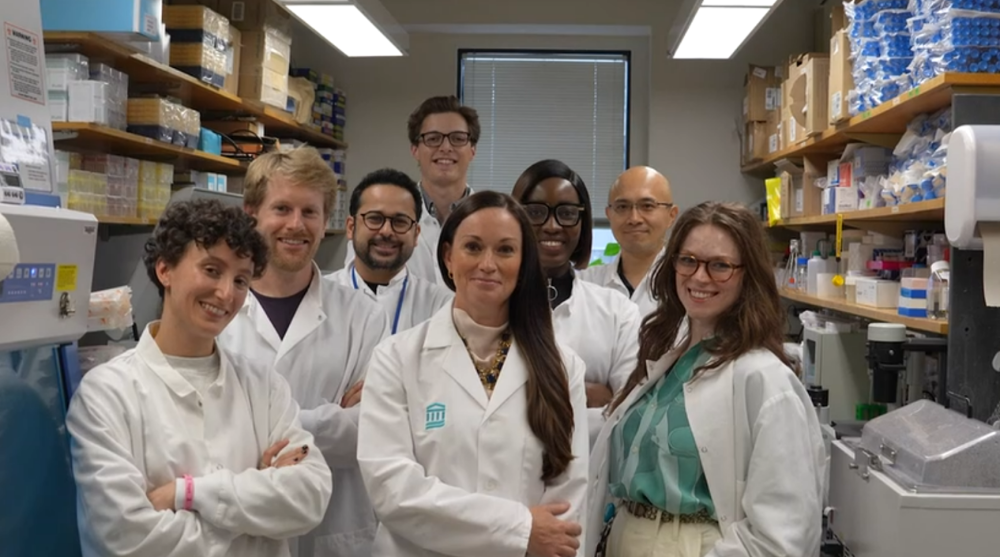 Fig. 4. Guerriero and Her Colleagues in the Laboratory. Courtesy of Mass General Brigham
That gap is associated with a range of factors, including the stage of disease at detection and access to timely diagnosis and high-quality treatment. For patients, early detection is only the first step; subsequent confirmation, standardised treatment, and long-term follow-up matter just as much.
The US Preventive Services Task Force, in its 2024 recommendation, proposed biennial mammography screening for women aged 40 to 74. The recommendation applies to women at average risk and also includes some women with a family history of breast cancer or dense breasts.
For people known to carry pathogenic gene variants associated with high breast cancer risk, and for those who have previously had breast cancer, the recommendation does not directly apply. Such people need to discuss a screening plan with a physician in light of their individual risk.
An abnormal screening result also does not equal a cancer diagnosis. Completing the necessary repeat imaging, imaging assessment, or biopsy, and then receiving prompt treatment once a diagnosis is confirmed, is what allows a screening finding to translate into benefit for the patient.
For Guerriero, treatment ended and she went back to the laboratory, but her perspective on the work has changed. She hopes her experience will both remind more people to pay attention to screening and show more people how samples donated by patients help scientists look for new directions in treatment.
“Our goal is to develop new therapeutic strategies for breast cancer,” she said. Now, more than before, this researcher understands that behind every sample in the laboratory is a person waiting for an answer.

