


In golden September, the 2026 World Conference on Lung Cancer (WCLC 2026), hosted by the International Association for the Study of Lung Cancer (IASLC), grandly convened in Seoul. On the morning of September 15, the scientific plenary and lectureship awards ceremony formally opened. As one of the most-watched academic sessions at this WCLC, the session not only brought together cutting-edge scientific progress but also saw the grand reveal of the year’s honors in lung cancer. MedJ’s oncology-channel team has arrived on-site in Seoul and is delivering live coverage of the ceremony, sharing this glorious moment for the lung cancer “leaders” with readers.
Clifton F. Mountain Staging Lectureship Award: Precision Staging, Torch Passed On
Dr. Clifton F. Mountain is the founder of the lung cancer tumor-node-metastasis (TNM) staging system. The Clifton F. Mountain Staging Lectureship Award honors scholars who advance lung cancer staging through scientific rigor, international collaboration, and real-world clinical impact.
Beyond paying tribute to Dr. Mountain’s pioneering contributions, the award emphasizes the cornerstone role of staging in precision lung cancer care—from treatment strategy selection, prognosis assessment, to clinical trial stratification, TNM staging is the common language running through the entire management of lung cancer, and its scientific validity and applicability directly shape clinical decisions for patients worldwide.
This year’s award was presented to Prof. Young Tae Kim of the Department of Thoracic Surgery, Seoul National University Hospital (Korea).
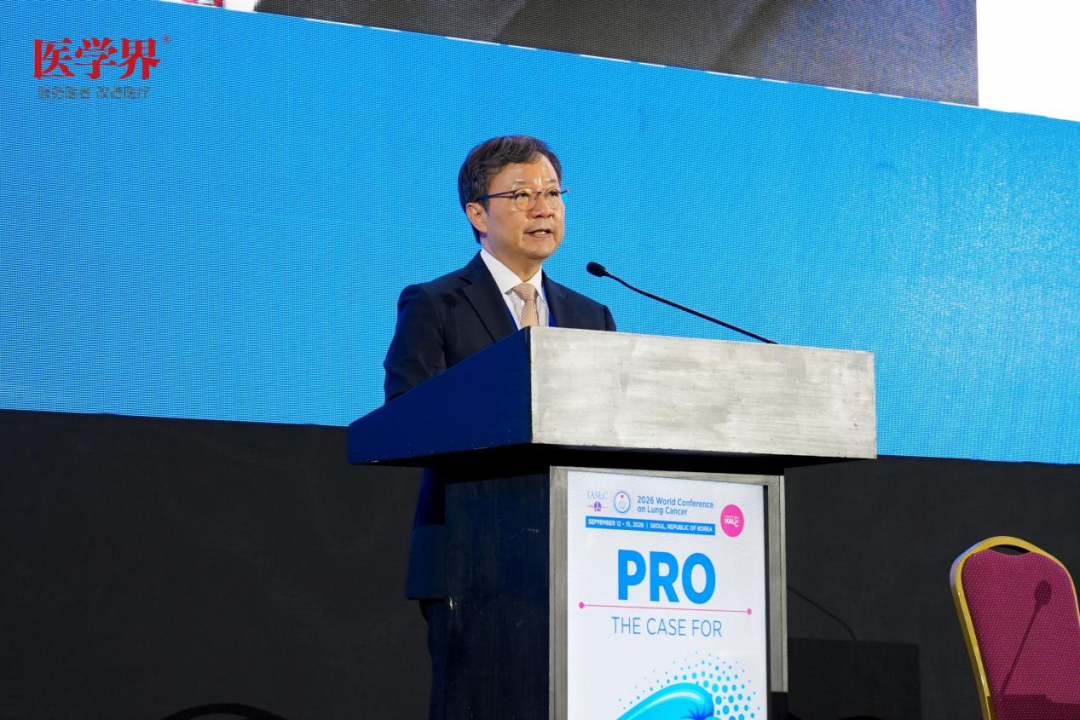 Fig. 1. Clifton F. Mountain Staging Lectureship Award Recipient
As a key contributor to the IASLC Staging Project, Prof. Kim has participated in multiple TNM revisions, helping refine the global TNM classification, thereby improving prognostic accuracy and treatment decisions. As a thoracic surgeon, he brings a unique clinical perspective, ensuring that staging is not only scientifically sound but also meaningful in real-world clinical practice, ultimately helping patients live longer and better. At the same time, as a long-standing member of the IASLC Staging Committee, he actively integrates advances in imaging, pathology, and biology, embodying the spirit of true global collaboration.
In addition, Prof. Young Tae Kim is one of the scholars who discovered the KIF5B-RET (kinesin family member 5B-rearranged during transfection) fusion gene, and he pioneered lung transplantation in Korea. From advancing global TNM staging revisions to expanding the boundaries of lung cancer care, Prof. Kim’s work has consistently embodied scientific rigor, international collaboration, and balanced clinical translation—the very core values championed by the Clifton F. Mountain Staging Lectureship Award.
IASLC Nursing and Allied Health Professionals (NAHP) Lectureship Award: Nursing Pioneer, Global Advocate
The IASLC Nursing and Allied Health Professionals (NAHP) Lectureship Award honors scholars who have made exceptional contributions in nursing and allied health—improving the lives of lung cancer patients, strengthening the global nursing workforce, advancing advanced practice, and driving the development of thoracic oncology worldwide.
The award reflects the IASLC’s strong recognition of the irreplaceable role of nursing and allied health professionals in the entire lung cancer journey. From screening, diagnosis, and treatment to rehabilitation and palliative care, the nursing team is always the key link connecting patients, families, and the multidisciplinary team, and their expertise directly shapes the treatment experience and quality of life.
This year’s award was presented to Dr. Vanessa N. Brunelli from Australia.
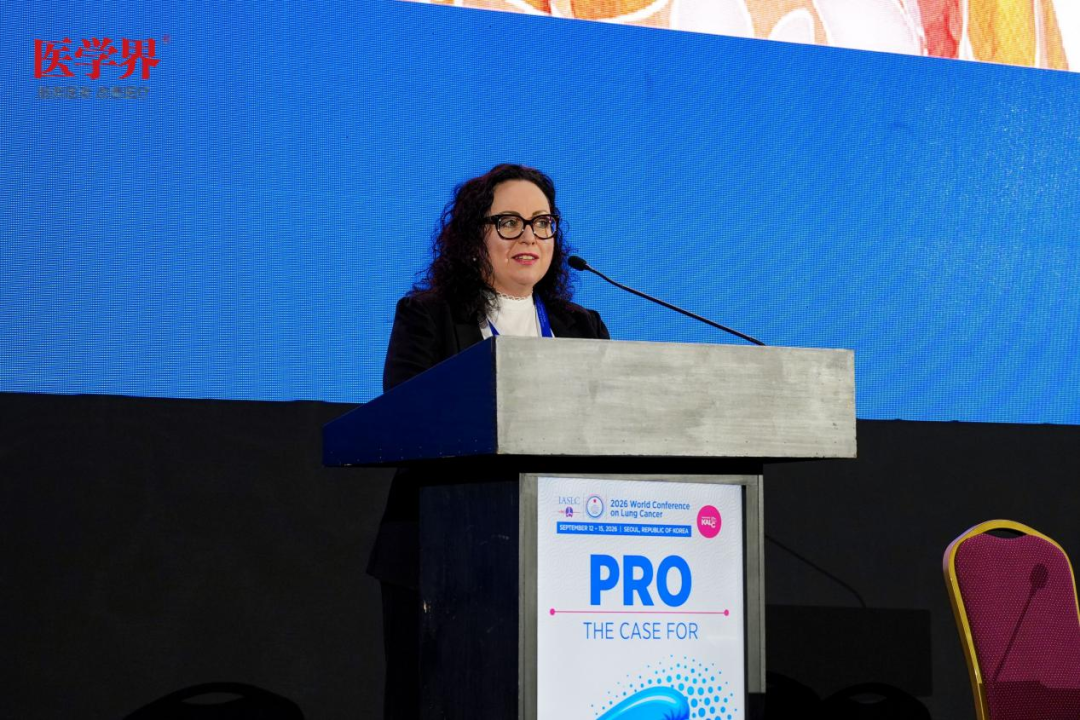 Fig. 2. IASLC Nursing and Allied Health Professionals (NAHP) Lectureship Award Recipient.
Dr. Vanessa N. Brunelli is an internationally influential researcher, leader, advocate, and innovator in lung cancer nursing. She has long been committed to improving the care experience and survival outcomes of lung cancer patients through nursing research, and to driving the development of the nursing profession worldwide.
As a researcher, she focuses on lung cancer patient-care topics; as a leader and advocate, she actively advances lung cancer nursing practice, strengthens the global nursing workforce, and promotes advanced practice nursing in thoracic oncology; as an innovator, she translates research findings into clinical practice, tangibly improving the lives of lung cancer patients. Nominators described her as “not only meeting the standards of this award but exemplifying them.” Driven by the personal experience of losing her grandparents to lung cancer, she works to eliminate the stigmatization of immigrants, people facing language barriers, and smokers, ensuring that no patient or family has to endure similar suffering. These achievements collectively exemplify the professional excellence and global responsibility championed by the IASLC NAHP Lectureship Award.
James D. Cox Radiation Oncology Lectureship Award: Light of Radiation, Collaboration Without Borders
The James D. Cox Radiation Oncology Lectureship Award honors Dr. Cox’s exceptional contributions to radiation oncology and recognizes scholars with global vision, leadership, and dedication in the field.
The award carries not only recognition of individual academic achievement but also continued attention to the central role of radiation oncology in multidisciplinary lung cancer management—from stereotactic radiotherapy in early-stage disease, to concurrent chemoradiotherapy in locally advanced disease, and to palliative symptom relief in advanced disease, radiotherapy runs throughout the lung cancer journey, with its technical precision and decision quality directly affecting patients’ survival benefit and quality of life.
This year’s award was presented to Prof. Feng-Ming (Spring) Kong from Hong Kong, China.
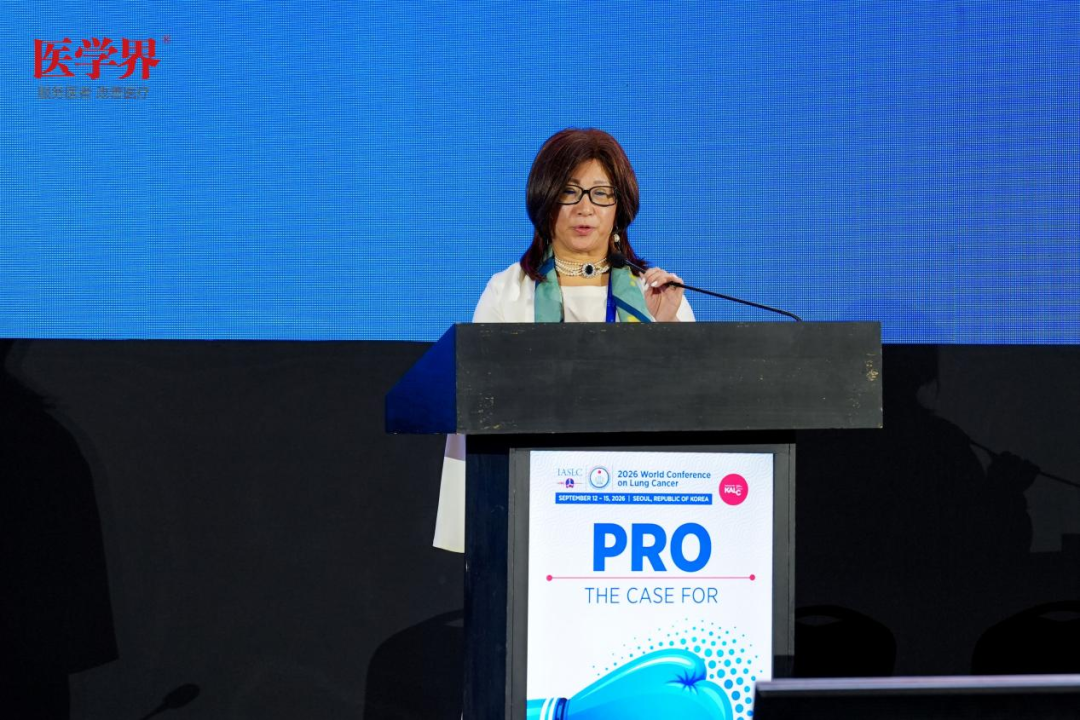 Fig. 3. James D. Cox Radiation Oncology Lectureship Award Recipient
Prof. Kong is an internationally renowned radiation oncologist who has long been dedicated to lung cancer radiotherapy and multidisciplinary integrated care. She trained in both the United States and China and has practiced clinical and scientific work in both countries, with combined Eastern and Western medical backgrounds, building an important bridge for cross-regional academic exchange. As a member of multiple IASLC committees, she actively participates in the development and promotion of global lung cancer radiotherapy standards, and has co-chaired the Asian Lung Cancer Conference, advancing collaboration and development in radiation oncology across Asia. In clinical research, she is committed to exploring bold and innovative approaches to improve patient outcomes, and she devotes herself to training the next generation of clinical scientists.
In her acceptance remarks, Prof. Kong emphasized: “In 2026, we embrace the philosophy of ‘science without borders’ more than ever. We must unite across regions and disciplines to fight thoracic cancers.”
Academic Debate: Should AI “Decide” Lung Cancer Imaging and Pathology Diagnosis?
Beyond the awards, the scientific plenary also featured two striking debates on the role of artificial intelligence (AI) in lung cancer care.
The first debate addressed whether AI should determine lung cancer imaging assessment:
- Pro: Prof. Joon Beom Seo of Korea University (Korea) showcased AI’s powerful capabilities in screening, quantification, and prediction.
- Con: Dr. Ari Araujo of Sirio-Libanés Hospital (Brazil) emphasized that “the closer one gets to decision-making, the higher the burden of proof.”
Audience voting showed 49% prioritizing radiologist judgment, 46% requiring independent human adjudication, and only 5% supporting AI primacy—the Con side prevailed by a wide margin.
The second debate focused on whether AI will replace pathologists:
- Prof. Sanja Dacic of the University of Colorado (USA) highlighted the shortage of pathologists and the reproducibility challenges of quantification.
- Dr. Philippe Joubert of Laval University (Canada) emphasized AI’s real-world bias risks and accountability in medical uncertainty. The consensus pointed toward “augmentation rather than replacement.”
Both debates, while not declaring winners, clearly outlined the boundaries and future direction of AI in lung cancer decision-making. Delegates generally agreed that AI has demonstrated clear value in detection and quantification, but in the final decision-making step, human judgment, accountability, and governance remain irreplaceable. Looking ahead, how to define the responsibility boundary between AI and clinicians and establish auditable governance frameworks will be key to safely bringing AI into lung cancer care.
Conclusion: Science Without Borders, Responsibility With a Home
Together, the awards ceremony and the academic debates constitute the full picture of this scientific plenary: the former pays tribute to excellence, the latter sparks ideas. From precision staging to whole-journey nursing, and onward to global collaboration in radiation oncology, the work of the three recipients outlines the multidisciplinary and international development of lung cancer care.
The two debates, meanwhile, remind us that, as AI accelerates its clinical integration, the technological boundary and the attribution of responsibility still need to be carefully defined. Science has no borders, but responsibility has its home. Looking ahead, we look forward to seeing more clinicians and researchers join hands, transcending geographical and disciplinary barriers, and, in heritage and dialectic, jointly pushing lung cancer care to new heights.

