


The International Association for the Study of Lung Cancer (IASLC) held the 2026 World Conference on Lung Cancer (WCLC) in Seoul, South Korea, from September 12 to 15, 2026. During a Presidential Symposium, Prof. Jie Wang of the Cancer Hospital, Chinese Academy of Medical Sciences presented the primary results of the phase 3 ARTEMIS-008 study. The trial evaluated the efficacy and safety of the B7-H3-directed antibody-drug conjugate (ADC) risvutatug rezetecan (Ris-Rez; HS-20093/GSK5764227) versus topotecan in patients with relapsed small-cell lung cancer (SCLC).
Prof. Jie Wang

- Director and Chief Physician, Department of Medical Oncology, Cancer Hospital, Chinese Academy of Medical Sciences; Tenured Professor, Peking Union Medical College, appointed on July 1, 2018
- Specializes in the precision diagnosis and treatment of lung cancer, pleural mesothelioma, and thymic tumors, with a research focus on the molecular and immune classification of lung cancer and its clinical translation
- Vice President, Chinese Society of Clinical Oncology (CSCO)
- Chair, Multidisciplinary Diagnosis and Treatment Committee, Chinese Medical Doctor Association
- Has served as principal investigator for more than 20 research projects, including a Key Program of the National Natural Science Foundation of China and special programs of the Ministry of Science and Technology
- Recipient of the National Science Fund for Distinguished Young Scholars
- Received the Second Prize of the State Scientific and Technological Progress Award as the first-ranked contributor
- Recipient of the National Innovation Award for Excellence, the Ho Leung Ho Lee Foundation Science and Technology Progress Award, the Wu Jieping Medical Innovation Award, and the China Young Female Scientist Award
- Leader of an Innovation Research Team supported by the Ministry of Education
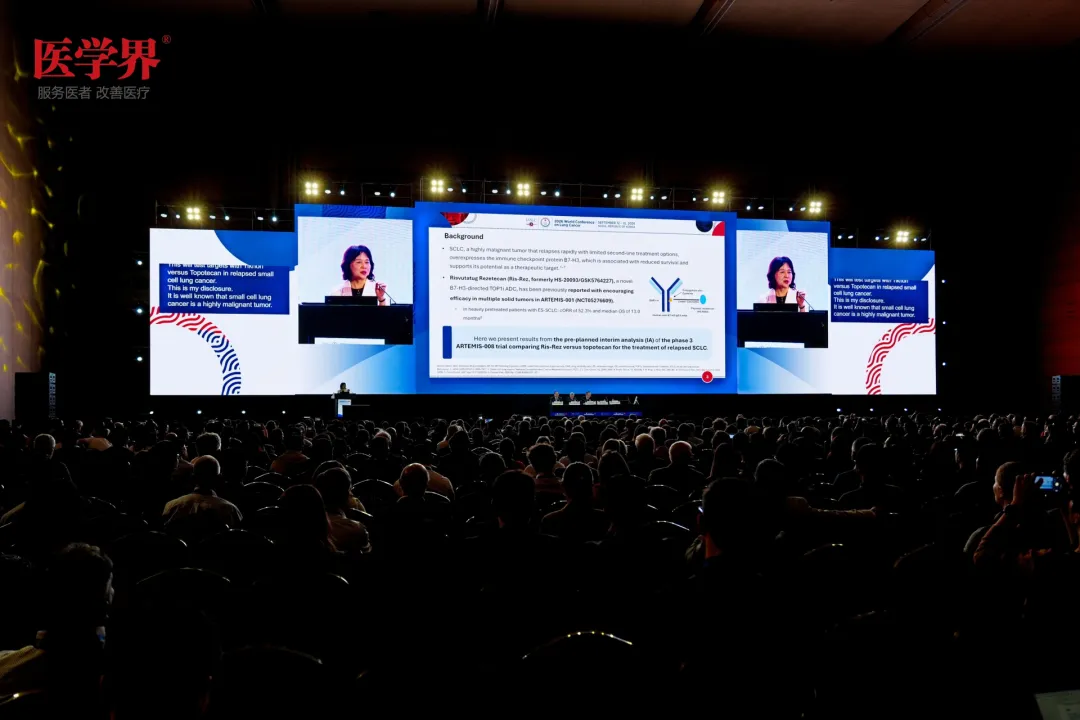
Fig. 1. Prof. Jie Wang Presenting the ARTEMIS-008 Results at WCLC 2026
Ris-Rez Significantly Extends Overall Survival Versus Topotecan
Study Design
ARTEMIS-008 (NCT06498479) is a multicenter, open-label, randomized, controlled phase 3 trial in patients with relapsed SCLC whose disease progressed during or after platinum-based chemotherapy. Participants were randomly assigned 1:1 to receive Ris-Rez at 8.0 mg/kg once every 3 weeks or topotecan at 1.2 mg/m² on days 1-5 of each 3-week cycle. Randomization was stratified by chemotherapy-free interval, brain metastasis status, and disease stage at enrollment.
The primary endpoint was overall survival (OS). Key secondary endpoints included progression-free survival (PFS), objective response rate (ORR), disease control rate (DCR), and safety. Efficacy and safety analyses were based on the intention-to-treat population and safety population, respectively.
Efficacy Results
At the June 6, 2026 data cutoff, 461 patients in China had undergone randomization: 230 to Ris-Rez and 231 to topotecan. Overall, 80.9% of patients had previously received a PD-(L)1 inhibitor. After a median follow-up of 12.2 months, OS was significantly longer with Ris-Rez than with topotecan. Median OS was 18.5 months versus 10.3 months, respectively, corresponding to a hazard ratio (HR) of 0.46 (95% confidence interval [CI], 0.35-0.62; P<0.0001). A consistent OS benefit was observed across all relevant subgroups.
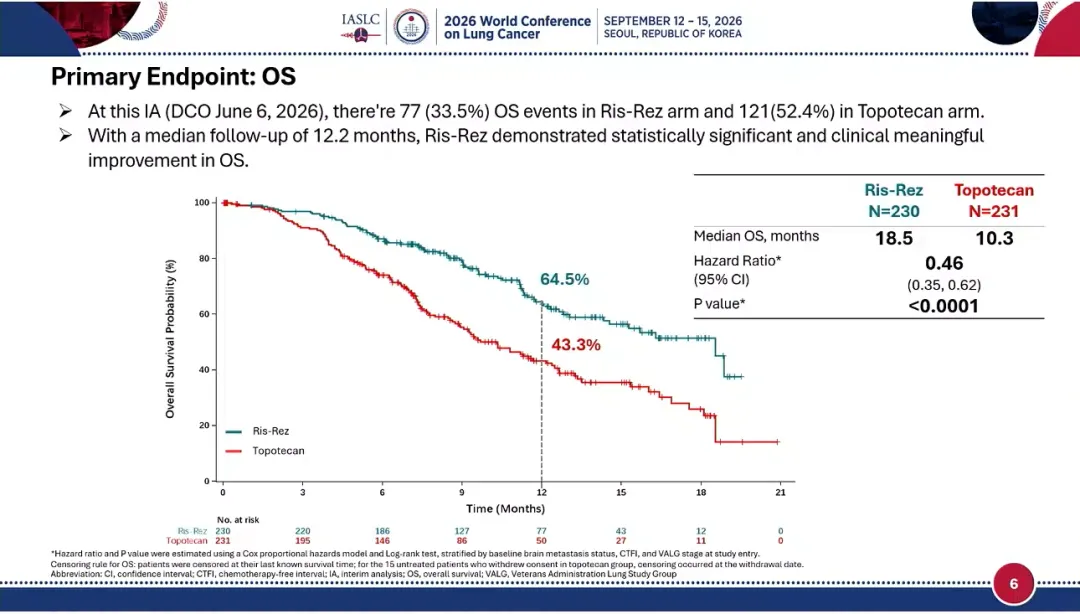
Fig. 2. Overall Survival Results From the ARTEMIS-008 Study
By blinded independent central review (BICR), Ris-Rez also improved PFS, ORR, and DCR compared with topotecan. Median PFS was 7.2 months versus 3.0 months (HR, 0.33; 95% CI, 0.25-0.42), ORR was 58.3% versus 12.6%, and DCR was 90.4% versus 60.2%. Investigator-assessed results were consistent with the BICR findings.
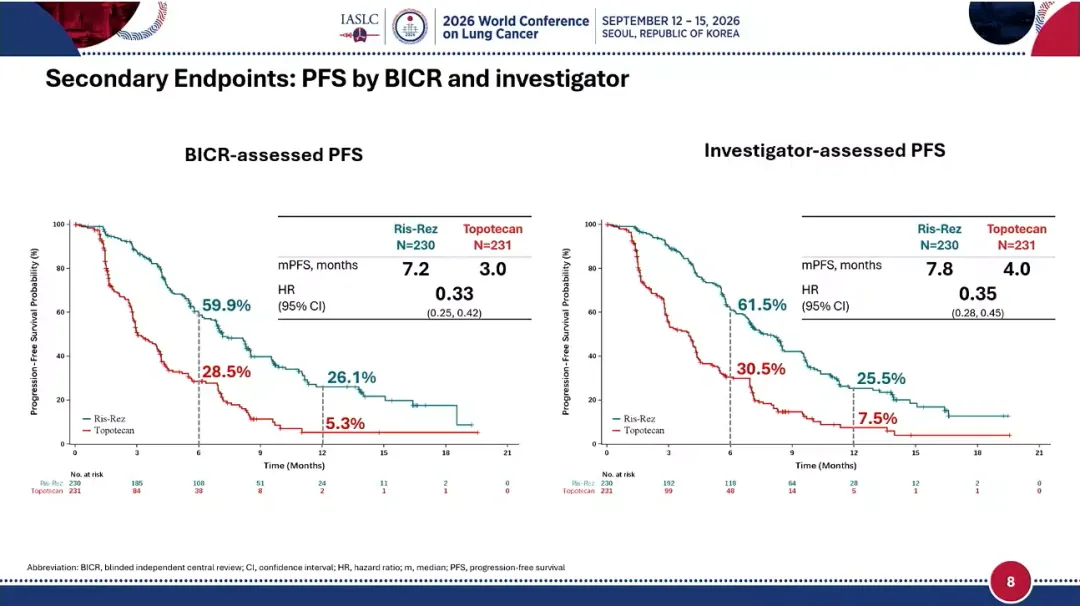
Fig. 3. Progression-Free Survival Results From the ARTEMIS-008 Study
Safety
The incidence of grade 3 or higher treatment-related adverse events (TRAEs) was lower with Ris-Rez than with topotecan (60.9% vs 78.2%). The most common grade 3 or higher TRAEs were hematologic toxicities, including decreased neutrophil count (27.0% vs 40.7%), decreased white blood cell count (24.3% vs 32.4%), anemia (17.4% vs 25.0%), decreased lymphocyte count (16.1% vs 10.2%), and decreased platelet count (13.9% vs 59.7%).
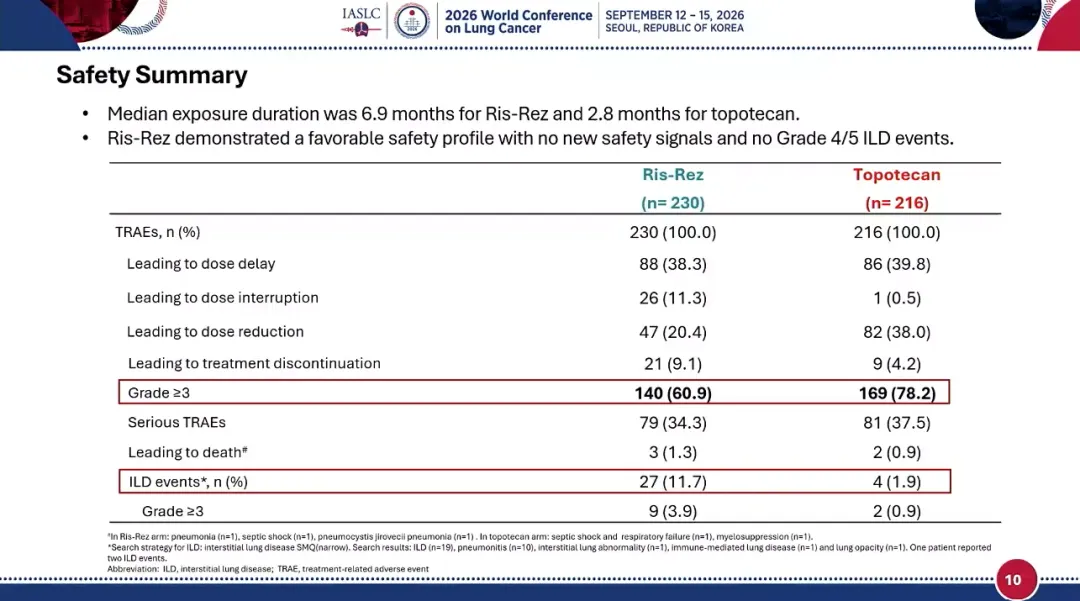
Fig. 4. Safety Results From the ARTEMIS-008 Study
Conclusion
Prof. Wang stated that Ris-Rez at 8.0 mg/kg every 3 weeks provided a statistically significant and clinically meaningful OS benefit over topotecan in patients with SCLC whose disease progressed after platinum-based chemotherapy, with a favorable safety profile. She noted that the findings suggest Ris-Rez could become a new standard treatment for relapsed SCLC. As these results were presented as conference data, interpretation should remain aligned with the full study analysis and subsequent peer-reviewed publication.
Reference
1. Wang J, et al. Risvutatug Rezetecan (a B7-H3-Directed ADC) Versus Topotecan in Relapsed SCLC: Primary Results of Phase 3 ARTEMIS-008. Presented at: 2026 World Conference on Lung Cancer; September 12-15, 2026; Seoul, South Korea.

