


Updated 1b data on RC148 (ABBV-1480), a PD-1/VEGF bispecific antibody, combined with platinum chemotherapy as first-line treatment for locally advanced or metastatic non-small cell lung cancer (NSCLC) were presented during an oral session at the 27th World Conference on Lung Cancer (WCLC) 2026 in Seoul, South Korea. The findings, reported by Prof. Zhao Yuanyuan on behalf of Prof. Zhang Li’s team from Sun Yat-sen University Cancer Center, suggest that the bispecific may provide antitumor activity across both squamous and non-squamous histologies in patients without actionable genomic alterations. Results are from a conference presentation; full publication is pending.
NSCLC accounts for approximately 85% of all lung cancer cases. For patients with advanced disease without actionable genomic alterations (AGA), immune checkpoint inhibitor (ICI) plus chemotherapy has become an important first-line option, although unmet clinical need remains across histologic subtypes and PD-L1 expression strata.
RC148 is a novel PD-1/VEGF bispecific antibody designed to engage both pathways simultaneously. By targeting PD-1 and VEGF, the molecule aims to combine immune activation with antiangiogenic activity to potentially enhance antitumor efficacy. Data previously presented at the 2025 European Society for Medical Oncology Immuno-Oncology (ESMO-IO) Congress from the phase 1/II RC148-C001 study suggested antitumor activity for RC148 as monotherapy and in combination, with a generally manageable safety profile. The new WCLC 2026 presentation (abstract OA14.04) reports the phase 1b RC148-C002 trial (NCT06883630) evaluating RC148 plus platinum chemotherapy in the first-line NSCLC setting.
Article Key Points
- RC148-C002 is a phase 1b trial evaluating RC148 (ABBV-1480), a PD-1/VEGF bispecific antibody, plus platinum chemotherapy as first-line treatment for locally advanced or metastatic NSCLC without actionable genomic alterations.
- In the squamous NSCLC cohort, RC148 10 mg/kg plus carboplatin/paclitaxel showed an ORR of 90.0% (95% CI 73.5%-97.9%) and a confirmed ORR of 76.7% (95% CI 57.7%-90.1%); median PFS was 11.8 months and median OS was not reached.
- In the non-squamous NSCLC cohort, RC148 10 mg/kg plus carboplatin/pemetrexed showed an ORR of 75.9% (95% CI 56.5%-89.7%) and a confirmed ORR of 72.4% (95% CI 52.8%-87.3%); median PFS was 11.1 months and median OS was not reached.
- Activity was observed regardless of PD-L1 expression, with cORR of 86.7% in PD-L1-negative (TPS <1%) squamous patients and ORR of 100% (cORR 92.9%) in non-squamous patients aged ≥65.
- No grade ≥3 bleeding events were reported; the most common treatment-related adverse events were hematologic toxicities consistent with chemotherapy, including neutrophil count decrease, white blood cell count decrease, anemia, and thrombocytopenia.
The trial enrolled patients with previously untreated, unresectable stage IIIB/IIIC or stage IV NSCLC without actionable genomic alterations. Patients were enrolled into two histology-specific cohorts. In the squamous cohort (cohort 1), patients were randomized 1:1 to RC148 10 mg/kg or 20 mg/kg in combination with carboplatin and paclitaxel. In the non-squamous cohort (cohort 2), patients were randomized 1:1 to RC148 10 mg/kg or 20 mg/kg in combination with carboplatin and pemetrexed. Both cohorts were followed by maintenance therapy. The primary endpoint was objective response rate (ORR) per RECIST v1.1; secondary endpoints included disease control rate (DCR), duration of response (DoR), progression-free survival (PFS), overall survival (OS), pharmacokinetics, and safety.
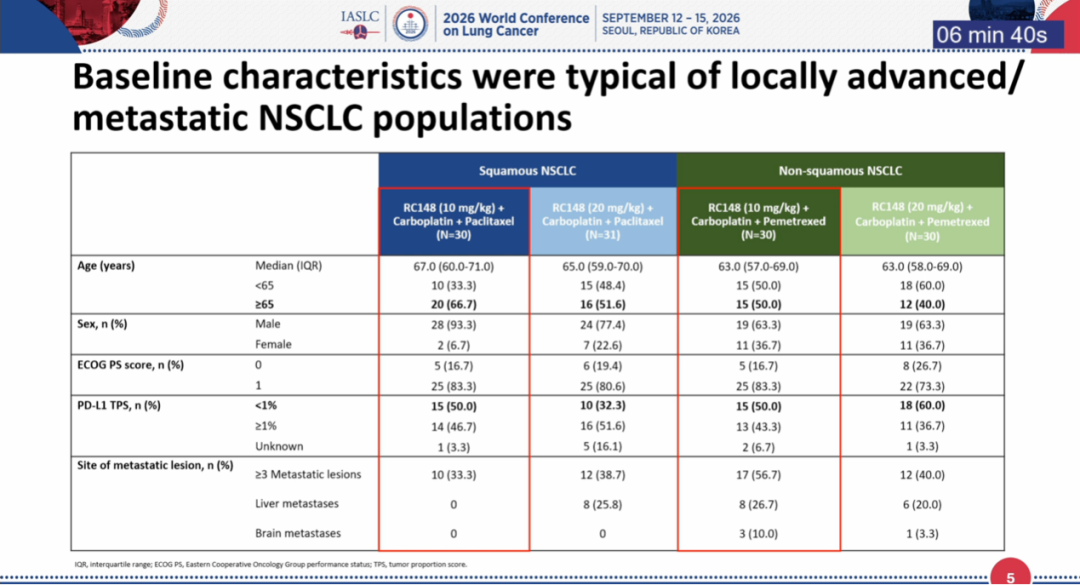 Fig. 1. Baseline Characteristics of the RC148-C002 Study
As of the data cutoff on June 22, 2026, 61 patients with squamous NSCLC and 60 patients with non-squamous NSCLC had been enrolled.
In the squamous cohort at a median follow-up of 11.7 months, RC148 10 mg/kg produced an ORR of 90.0% (95% CI 73.5%-97.9%) and a confirmed ORR (cORR) of 76.7% (95% CI 57.7%-90.1%). Subgroup analyses showed responses across PD-L1 strata: among patients with a PD-L1 tumor proportion score (TPS) <1%, ORR was 93.3% and cORR was 86.7%; among patients with TPS ≥1%, ORR was 85.7% and cORR was 64.3%. Activity was also consistent by age, with ORR of 90.0% in both patients aged <65 and those aged ≥65, and cORR of 60.0% and 85.0%, respectively. Median DoR had not been reached, and 52.2% of responders remained on treatment at the data cutoff.
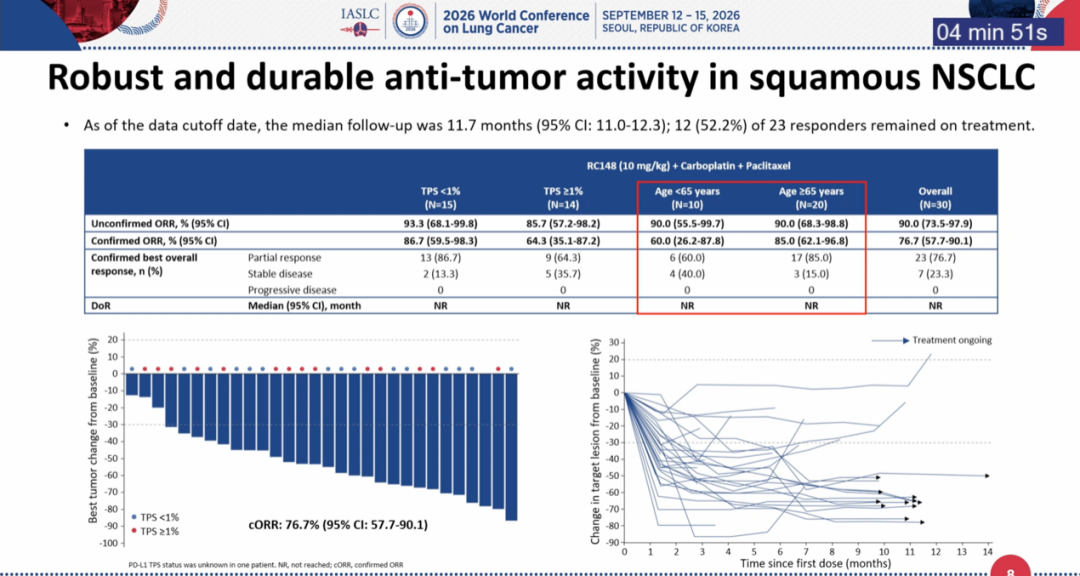 Fig. 2. ORR and DoR Data for the Squamous NSCLC Cohort
Median PFS was 11.8 months and median OS was not reached.
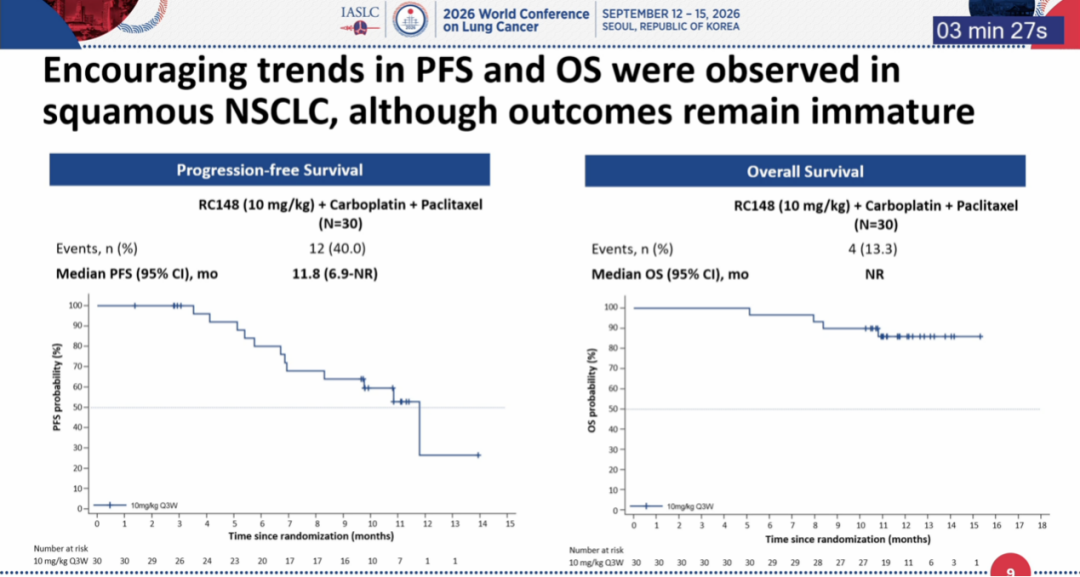 Fig. 3. PFS and OS Data for the Squamous NSCLC Cohort
In the non-squamous cohort, RC148 10 mg/kg produced an ORR of 75.9% (95% CI 56.5%-89.7%) and a cORR of 72.4% (95% CI 52.8%-87.3%). Among PD-L1-negative (TPS <1%) patients, ORR was 71.4% and cORR was 64.3%. In the age subgroup of patients aged ≥65, ORR was 100% and cORR was 92.9%, suggesting comparable activity in older patients. Median DoR was 9.7 months.
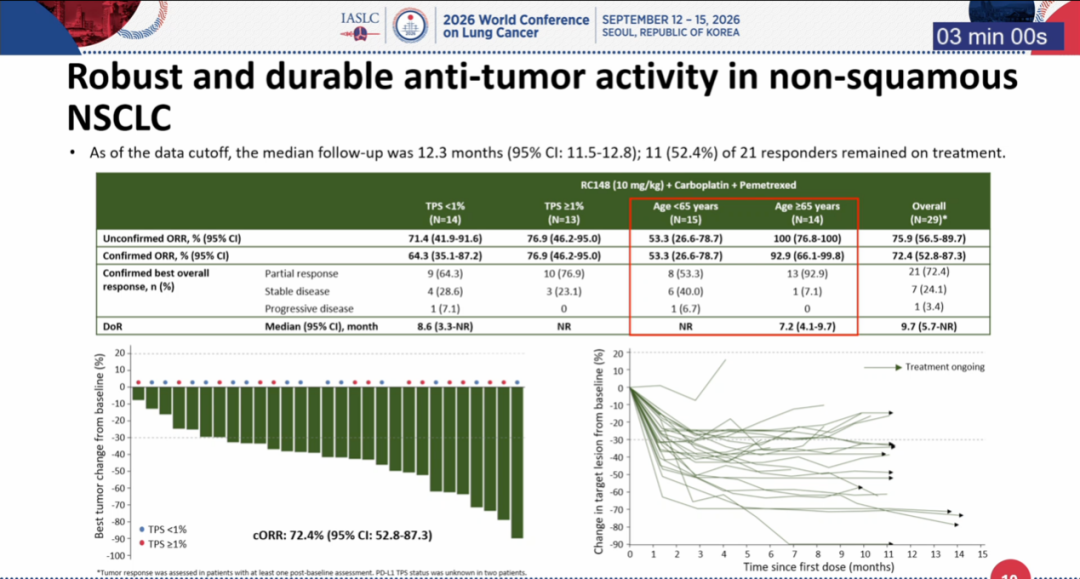 Fig. 4. ORR and DoR Data for the non-squamous NSCLC Cohort
Median PFS was 11.1 months and median OS was not reached.
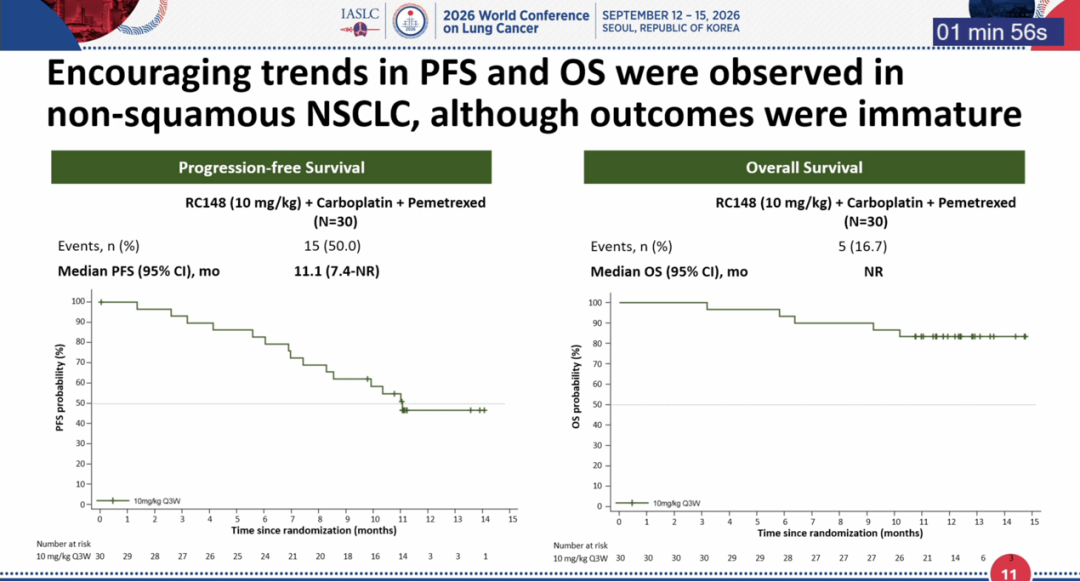 Fig. 5. PFS and OS Data for the non-squamous NSCLC Cohort
Taken together, RC148 10 mg/kg plus chemotherapy demonstrated antitumor activity in both squamous and non-squamous NSCLC, with cORR exceeding 70% in each cohort (76.7% in squamous; 72.4% in non-squamous) and PFS exceeding 11 months in both. Median OS was not reached in either cohort. The data also suggest broadly consistent activity across PD-L1 expression levels, supporting further evaluation of the regimen in PD-L1-low or -negative populations.
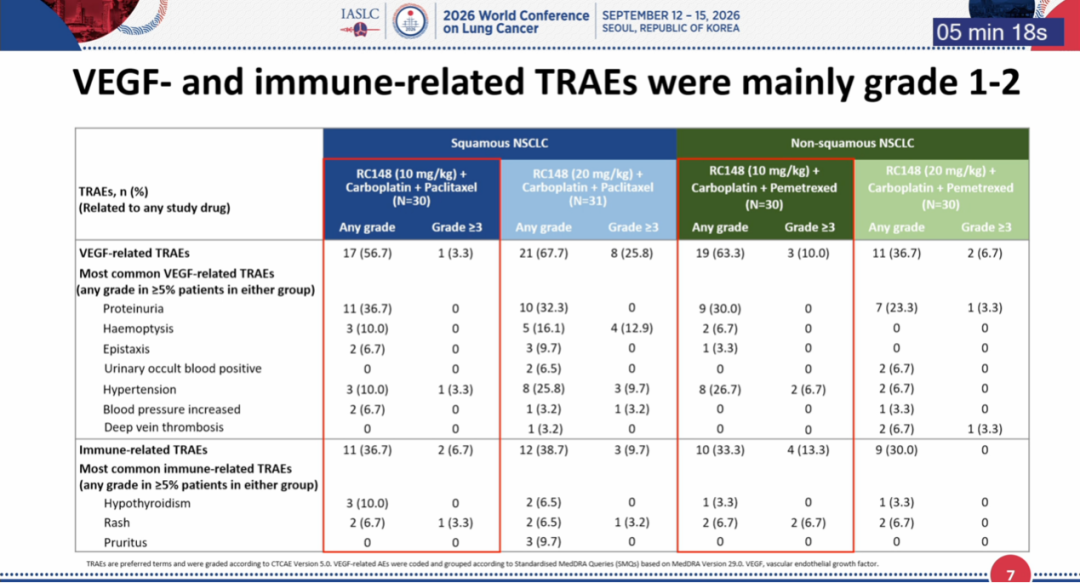 Fig. 6. Safety Data
In terms of safety, the most common treatment-related adverse events (TRAEs) in both cohorts were neutrophil count decrease, white blood cell count decrease, anemia, and thrombocytopenia. No grade ≥3 bleeding events were observed in the RC148 10 mg/kg arms of either cohort. Overall, the TRAE profile was dominated by chemotherapy-related hematologic toxicities, and safety was considered manageable.
The PD-1/VEGF bispecific class, by jointly targeting immune checkpoints and tumor angiogenesis, represents a new line of investigation for optimizing immunotherapy-based combinations. The RC148-C002 data presented at WCLC 2026 suggest that RC148 plus platinum chemotherapy may provide high response rates and durable disease control in first-line NSCLC across histologic subtypes, with encouraging signals in PD-L1-negative patients and a manageable safety profile.
A pivotal phase 3 trial of RC148 plus chemotherapy as first-line treatment for NSCLC has been initiated or planned in China and globally, and the authors noted that additional data are awaited.
References
[1] Li Zhang. et al. RC148 (ABBV-1480, PD-1/VEGF Bispecific Antibody) Plus Chemotherapy in First-Line Locally Advanced or Metastatic Non-Small-Cell Lung Cancer. 2026 WCLC OA14.04
[2] Yu, J. et al. “249P A phase I/II study of RC148 (PD-1/VEGF bispecific antibody) monotherapy or in combination with docetaxel for the treatment of first- or second-line locally advanced or metastatic non-small cell lung cancer (la/mNSCLC) without actionable genomic alterations (AGA).”Immuno-Oncology and Technology (2025): n. pag.

