


Three Pillars of Lung Cancer Innovation in China
The 2026 World Conference on Lung Cancer (WCLC 2026) opened in Seoul, South Korea, on September 12. On the first day, the International Association for the Study of Lung Cancer (IASLC), the Chinese Alliance Against Lung Cancer (CAALC), and the Chinese Society of Clinical Oncology (CSCO) jointly convened a forum titled “ADCs, Bispecific Antibodies, and AI Agents in Lung Cancer: China-Led Innovation and Global Translation.” The session examined three major areas shaping lung cancer research and care in China: artificial intelligence (AI), antibody-drug conjugates (ADCs), and bispecific antibodies.
The forum was chaired by Prof. Yi-Long Wu of Guangdong Provincial People’s Hospital, Prof. Chunxue Bai of Zhongshan Hospital, Fudan University, Prof. Caicun Zhou of Shanghai East Hospital, Tongji University, and IASLC Chief Executive Officer Prof. Karen Kelly. Prof. Siyang Liu of Guangdong Provincial People’s Hospital, Prof. Fei Zhou of Shanghai East Hospital, Tongji University, and Prof. Dawei Yang of Zhongshan Hospital, Fudan University served as co-chairs and delivered presentations.
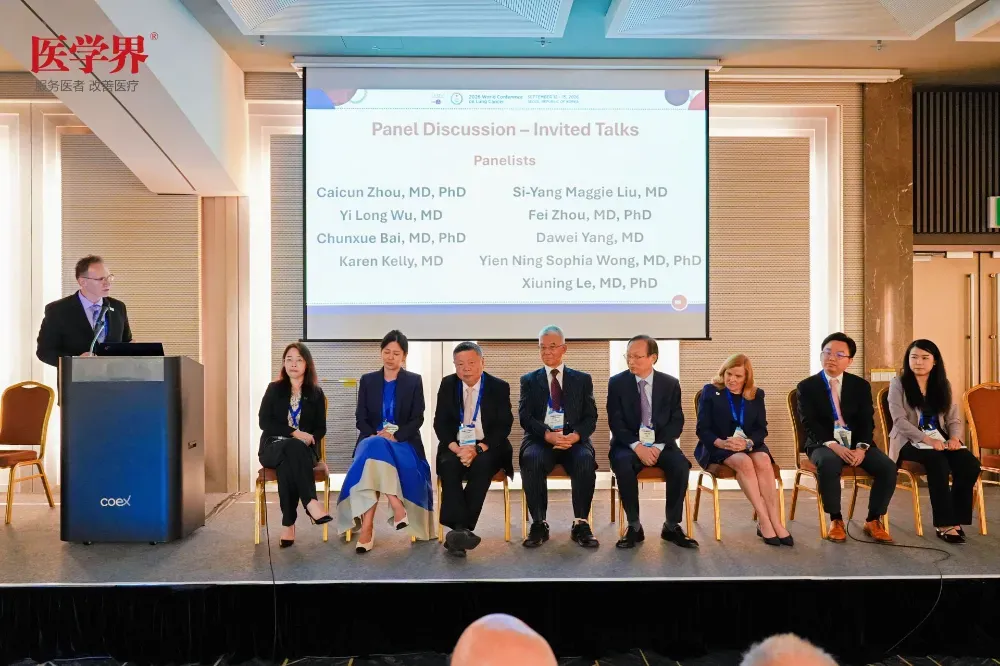
Fig. 1. The IASLC-CAALC-CSCO Joint Forum at WCLC 2026
AI-Enabled Care: Supporting Precision Lung Cancer Diagnosis and Treatment
In the first presentation, Prof. Dawei Yang reviewed the clinical application and validation of AI agents in precision lung cancer care. The session was moderated by Prof. Chunxue Bai and highlighted ongoing work in China to evaluate AI-supported clinical workflows.
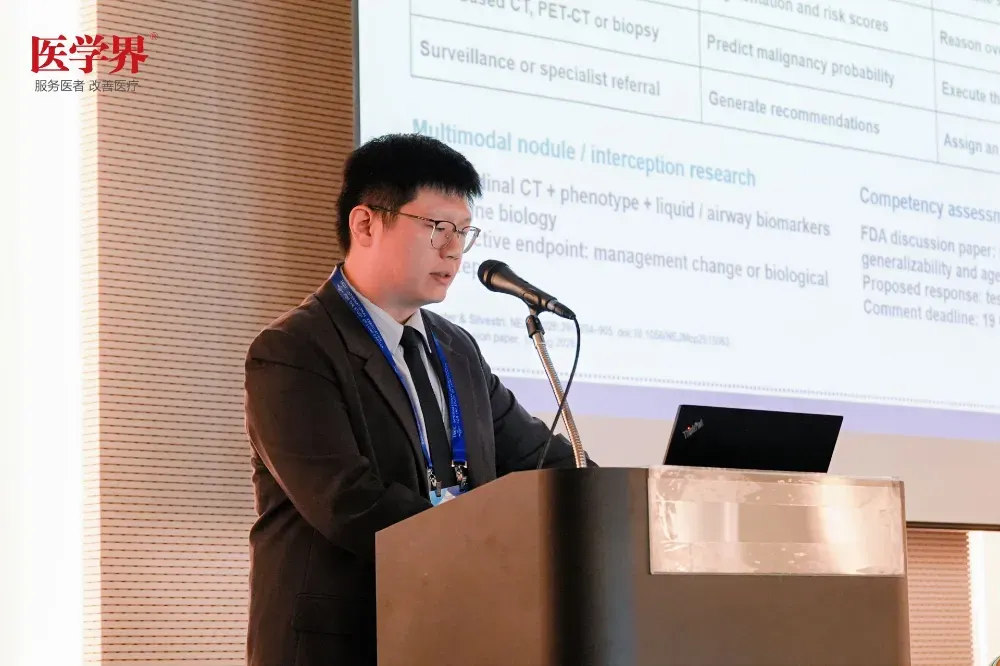
Fig. 2. Prof. Dawei Yang Presenting at the Joint Forum
During the discussion, speakers noted that several AI-enabled diagnostic and treatment pilot programs are underway in China. Using real-world data to refine their models, these systems are being evaluated as decision-support tools for differentiating benign from malignant pulmonary nodules, estimating the risk of treatment resistance, and helping clinicians compare treatment options. IASLC has also established a dedicated AI working group and is surveying healthcare professionals and patients worldwide to support the development of shared standards, data interoperability, and international collaboration.
The panel emphasized that AI agents should currently be viewed as clinical support tools. They may reduce repetitive workload and improve the consistency of selected diagnostic and treatment processes, but they cannot replace physicians’ clinical judgment or the human dimensions of care. Over the next decade, closer integration between AI and clinical practice may support collaborative human-machine workflows and standardized training for younger physicians, although these applications will require continued validation and governance.
ADCs After EGFR-TKI Resistance: Toward Biomarker-Guided Treatment
In a presentation chaired by Prof. Yi-Long Wu, Prof. Siyang Liu reviewed ADC treatment strategies after resistance to epidermal growth factor receptor tyrosine kinase inhibitors (EGFR-TKIs), with particular emphasis on biomarker-guided patient stratification.
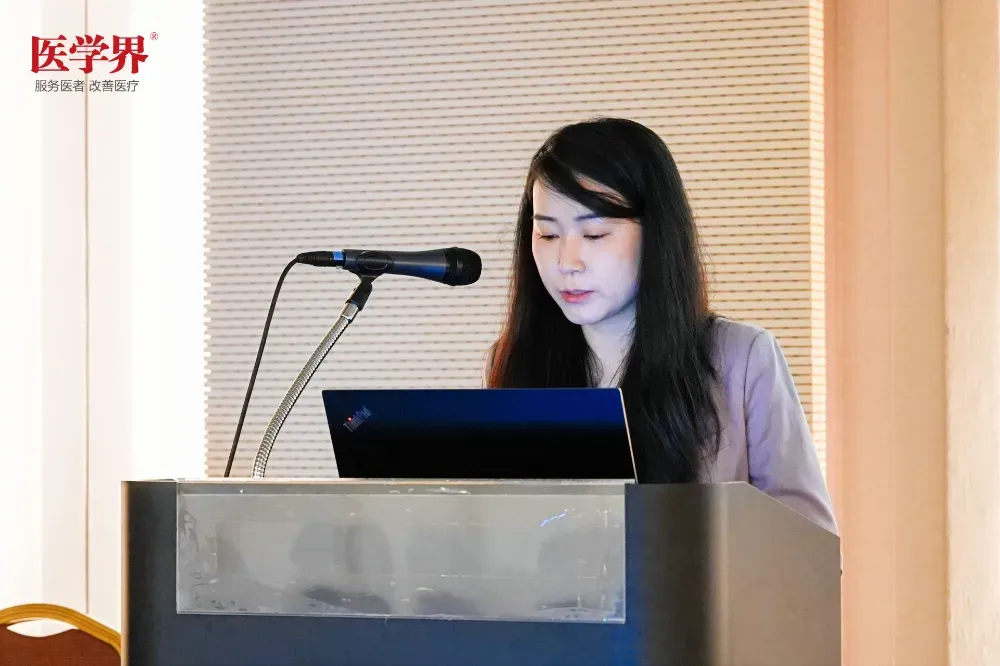
Fig. 3. Prof. Siyang Liu Presenting at the Joint Forum
The presentation reviewed clinical studies of several ADCs developed in China for patients whose disease progressed after EGFR-TKI therapy. According to the session, these agents have shown antitumor activity in heavily pretreated populations, while response patterns appear to vary by resistance mechanism and genomic subtype. These observations support further evaluation of biomarker-based selection for ADC treatment. Several global, multicenter phase 3 studies of China-developed ADCs are ongoing, and mature overall survival results from studies including HARMONi are awaited.
As fourth-generation EGFR-TKIs and other targeted therapies enter development, the potential role of ADCs is also expanding beyond later-line treatment after resistance. Investigators are evaluating their use in earlier treatment settings, as maintenance approaches across lines of therapy, and in combination with targeted therapy, immunotherapy, or antiangiogenic agents. Such strategies are also being explored in difficult-to-treat molecular subgroups, including KRAS G12C-mutated disease. Their clinical value, optimal sequencing, and safety will require confirmation in prospective trials.
Bispecific Antibodies and Combination Strategies Across Treatment Settings
The third major presentation, delivered by Prof. Fei Zhou and chaired by Prof. Caicun Zhou, focused on bispecific antibodies, antiangiogenic immunotherapy, and ADC-based combinations across different stages of lung cancer treatment.
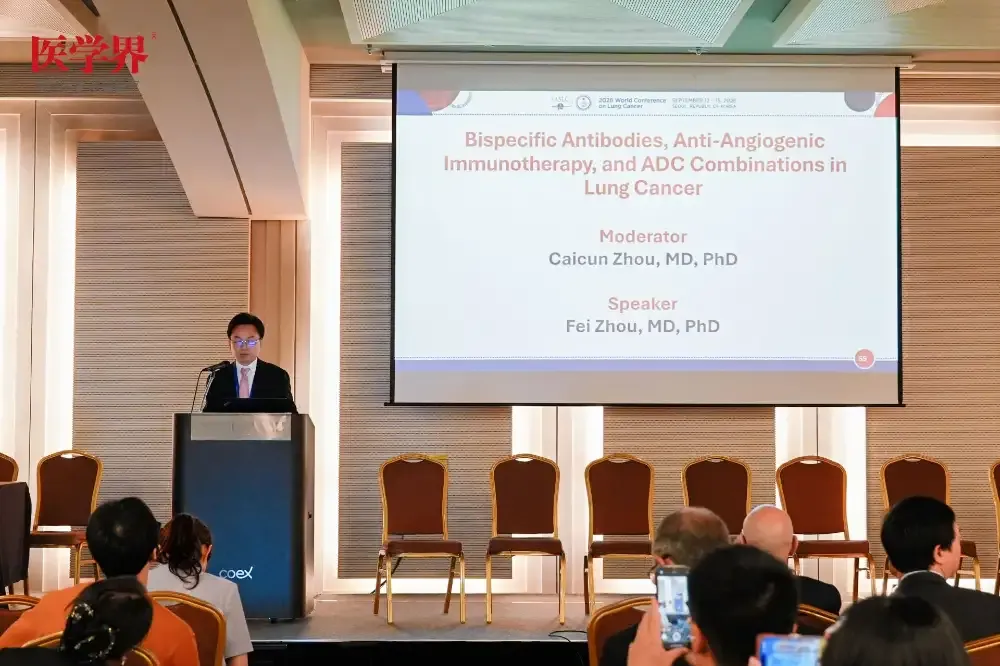
Fig. 4. Prof. Fei Zhou Presenting at the Joint Forum
Unlike single-target agents, bispecific antibodies are designed to engage two targets or pathways. The session reviewed clinical data for several bispecific antibodies developed in China, including combinations involving PD-1, PD-L1, and VEGF. These agents are being studied in first-line advanced non-small-cell lung cancer (NSCLC) and in patients with recurrent or treatment-resistant disease. The speakers also noted that some China-developed therapies have received US Food and Drug Administration approval in second-line settings, although the article did not identify the specific products or indications.
Combination strategies discussed at the forum included ADC plus immunotherapy, bispecific antibody plus antiangiogenic therapy, and targeted therapy plus immunotherapy. These regimens are being evaluated across driver-positive and driver-negative disease, from first-line through later-line treatment, and in both NSCLC and small-cell lung cancer (SCLC). Early clinical results suggest that selected combinations may improve objective response rate (ORR) and progression-free survival (PFS), while dose optimization may help balance efficacy and safety. However, benefits are likely to depend on the specific regimen and patient population, and confirmation in randomized studies is required.
Several global, multicenter phase 2 and phase 3 trials led by Chinese investigators are evaluating bispecific antibodies and ADC-based combinations. More mature global data are expected as these studies progress.
From Local Development to Global Translation
A dedicated international-perspective segment was chaired by Prof. Sophia Wong of the National Cancer Centre Singapore. Prof. Xiuning Le of The University of Texas MD Anderson Cancer Center discussed the global development of China-led lung cancer trials and considered their potential relevance from scientific and regulatory perspectives.
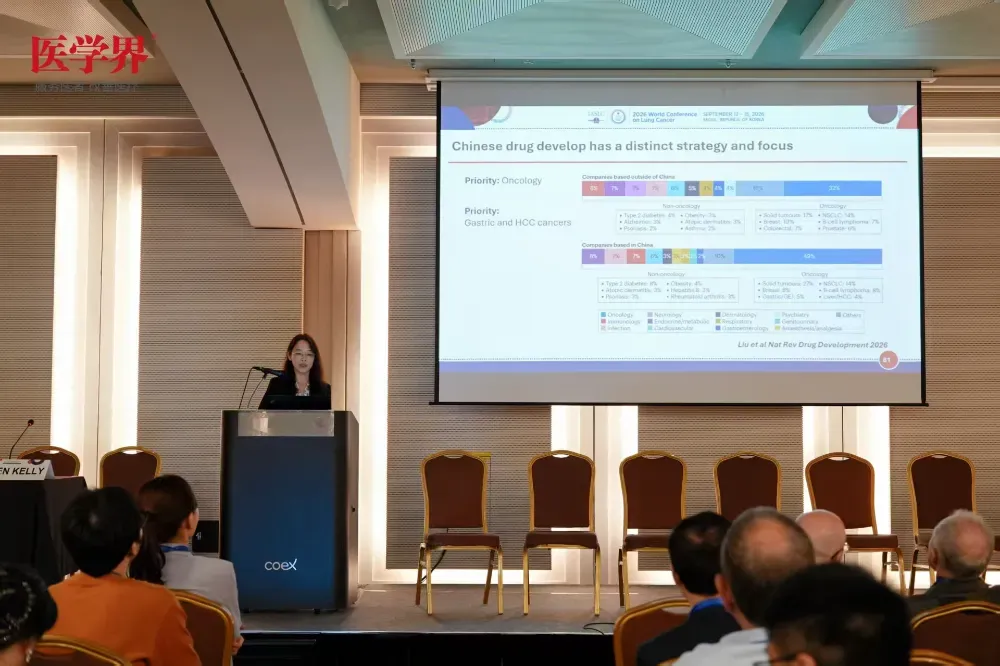
Fig. 5. Prof. Xiuning Le Presenting at the Joint Forum
Prof. Le noted that China has launched a growing number of large, multicenter, randomized trials in lung cancer over the past three years, covering ADCs, bispecific antibodies, fourth-generation EGFR-TKIs, and AI-enabled care. She described a shift from the earlier emphasis on introducing therapies developed overseas toward greater participation by China-based investigators and companies in originating and globally developing new treatments and care models.
The international discussion identified several priorities for global translation. These included building diverse multinational cohorts to assess whether findings generalize across regions and ethnic groups; strengthening biomarker-based stratification to support individualized treatment; expanding coordination among regulators and multicenter trial networks; and using real-world data to support implementation and iterative improvement after clinical validation.
In an interactive audience survey at the end of the session, ADCs and novel bispecific antibodies were identified as the China-developed innovations that physicians most wanted to see evaluated and adopted more broadly. Prospective biomarker validation, global multicenter collaboration, and integration of real-world data were also highlighted as important directions for future lung cancer research.
Conclusion
The IASLC-CAALC-CSCO forum at WCLC 2026 presented a broad view of China-led activity in lung cancer research, spanning AI-enabled clinical support, ADCs, bispecific antibodies, and combination regimens. The discussions also underscored that global adoption will depend on rigorous multinational validation, clear biomarker strategies, coordinated regulation, and careful assessment of safety and clinical utility. As ongoing trials mature, these factors will determine how widely the approaches reviewed at the meeting can influence lung cancer practice.

