


Over the past decade, more than 10,000 patients from across China, Europe, and the United States have traveled to Nanjing Medical University Second Affiliated Hospital to receive fecal microbiota transplantation (FMT) treatment.
Autism, depression, Parkinson's disease, cancer, and refractory Clostridium difficile infections—patients with a range of conditions receive the same treatment. Processed fecal microbiota are introduced into their intestines to restore microbial balance. Professor Zhang Faming, Director of the Department of Microecology Medicine at Nanjing Medical University Second Affiliated Hospital, firmly believes that fecal microbiota transplantation is not merely an adjunctive therapy; it plays a pivotal role in the diagnosis and treatment of many diseases.
Driven by this dedication, Professor Zhang Faming has focused on the clinical practice and research of fecal microbiota transplantation for over a decade. He is also hailed as the "pioneer of fecal microbiota transplantation in China," having developed fecal microbiota washing techniques and next-generation transplantation methods. Additionally, he established a new clinical medical discipline—"Microecology Medicine."
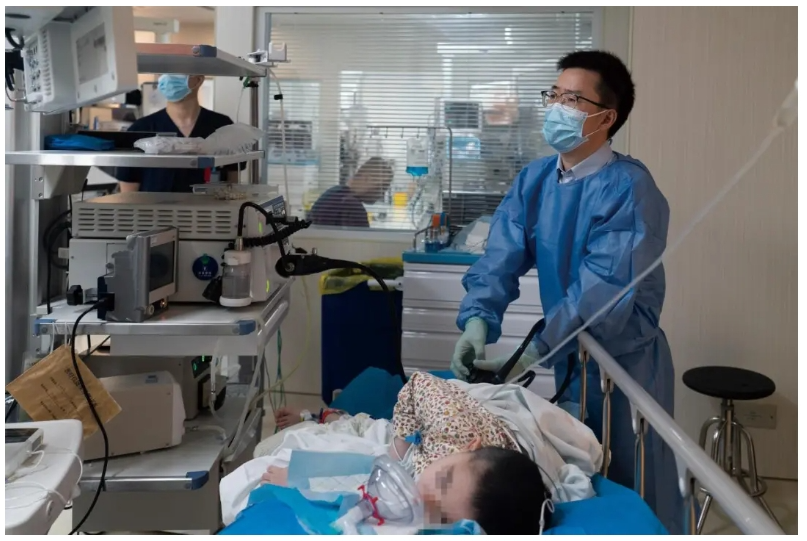
Fig.1 Treating children with leukemia, Zhang Faming is currently conducting a colonic catheterization before fecal microbiota transplantation.
However, controversies surrounding fecal microbiota transplantation (FMT) have persisted. In the early years, some individuals even wrote letters to the journals publishing Professor Zhang Faming's papers, claiming that they misled readers. The concept of using a single method to treat a wide range of diseases across various medical disciplines often seems to contradict the modern medical principle of precision medicine.
Professor Zhang Faming has long been accustomed to such skepticism. He hopes that as the number of treated patients continues to grow, the evidence supporting fecal microbiota transplantation (FMT) across various diseases will increase. This, in turn, could fundamentally alter medical guidelines and validate the efficacy of FMT.
"Gravedigger of Traditional Disciplines"
There is a 1,300-square-meter new laboratory on the 4th floor of Building 2 in the Jiangjiayuan Campus of the Second Affiliated Hospital of Nanjing Medical University, plus the ward on the 1st floor of Building 1. Zhang Faming founded the world's first "Microecological Medicine Department" here. The doorplate of the department can be covered by two palms. "The building was built before, and the hospital said that if we hang a big sign, we have to chisel the wall again, and the renovation cost is high and affects the appearance, so we won't do it." Zhang Faming said with a smile.
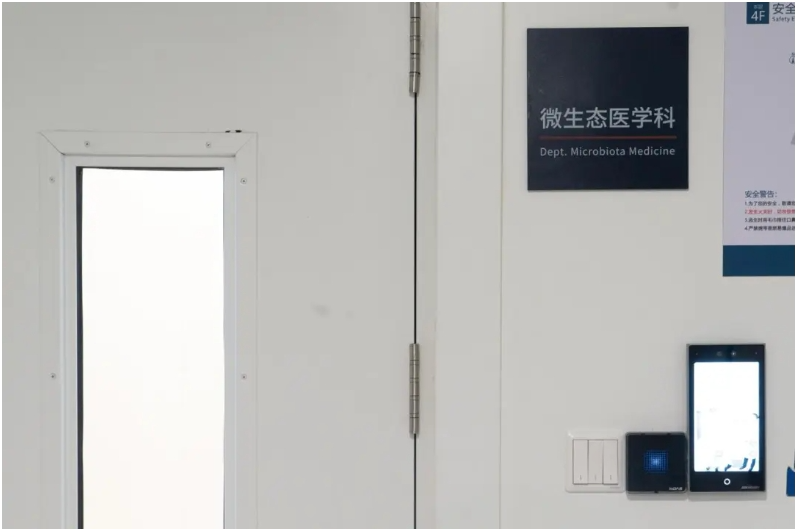
Fig.2 The world's first department of microbiome medicine.
Despite the modest size of the doorplate, the transformation is nothing short of revolutionary compared to the mere 6 square meters of laboratory space a decade ago. Last summer, Zhang's research team published the world's first study on the treatment of amyotrophic lateral sclerosis (ALS) using fecal microbiota transplantation (FMT) here. After several courses of FMT, the patient's symptom progression was reversed twice within three years, and motor function continued to improve.
Zhang Faming also revealed that by the end of this year, the department is expected to release the world's first clinical trial data on fecal microbiota transplantation for epilepsy patients. "From 2015 to the present, we have achieved unexpectedly positive results in the treatment of epilepsy. The longest-standing patient among them has not experienced a recurrence of symptoms for eight years."
"We are treating drug-resistant epilepsy, where patients have tried various methods without success and finally come to us," Zhang Faming told ”MedJ”, "Including radiation enteritis, which is considered a 'disease without a cure,' but after our treatment, most patients can be cured, which is a revolutionary advancement."
Zhang Faming has even applied fecal microbiota transplantation (FMT) to leukemia patients, hoping that the microbiota can regulate the patients' immune status, thereby achieving "detoxification and enhancement of efficacy" for chemotherapy. At the same time, it aims to treat immune rejection and intestinal infections after bone marrow transplantation. Currently, the team has already carried out treatment on more than 100 leukemia patients. The same applies to patients who have undergone kidney and liver transplants.
Although Zhang Faming is listed among the top in the field of Chinese gastroenterology in the "World's Top 2% Scientists List" released by Stanford University in 2023, he has made statistics showing that nearly half of the patients he has treated belong to diseases outside the intestines.
Zhang Faming also jokingly refers to himself as the "grave-digger" of traditional disciplines, saying, "Medical predecessors have divided the land of various disciplines into one-third of an acre each. Suddenly, someone comes and says, 'I can also 'till' your piece of land.' That's what I often do."
More than a decade ago, when initiating fecal microbiota transplantation (FMT), Zhang Faming often awoke from his sleep startled. FMT involves collecting feces from healthy donors, processing it, and then transplanting it into patients. The theoretical foundation is that the gut microbiota and its metabolites participate in the regulation of the nervous system and the entire immune system. However, due to the unclear direct correlation and the procedure being considered invasive with the risks of infection, it was not accepted by the modern medical community for a long time.
"Back then, I would repeatedly call the on-call nurse in the middle of the night to give medical instructions. There were so many unknowns, what would be the outcome of treating severe conditions like Crohn's disease combined with abdominal abscesses and complex fistulas with fecal microbiota transplantation? What if the patient died, or if there was a medical dispute..." said Zhang Faming.
"Whenever in doubt, turn to PubMed" is the main way Zhang Faming relieves his anxiety. After establishing the team, "I require every medical staff member who joins the team to read English literature every day, to see which diseases may be related to the gut microbiota and immunity, what evidence supports fecal microbiota transplantation, and what other innovative ideas there are. We hold research group meetings every week."
In the early years, the discussion sessions were held on weekends, sometimes starting from 9:00 in the morning until the evening. Now the schedule has changed; every Monday at 7:00 AM, all the medical staff in the department must start learning about cutting-edge technologies, and at 6:00 PM they engage in research topic discussions. On Thursday afternoons, interdisciplinary, inter-hospital, and inter-regional difficult disease discussions are held, where experts from different fields and hospitals also join in the intense discussions.
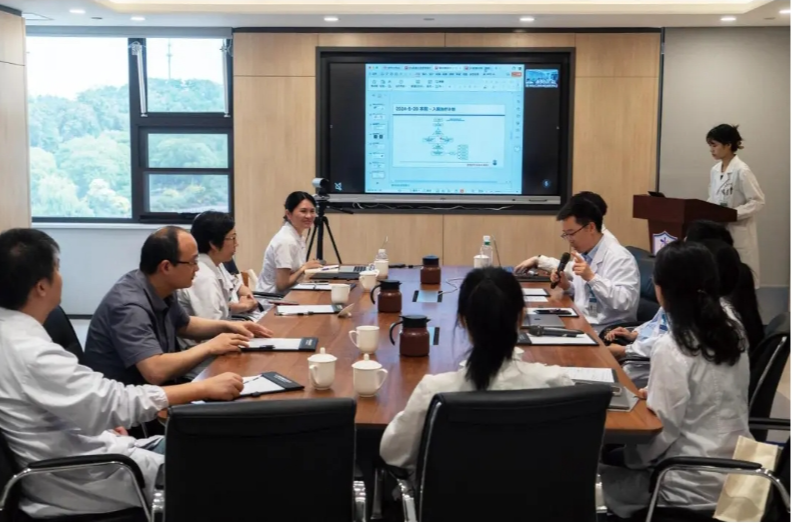
Fig.3 Hybrid difficult disease discussion sessions combining online and offline participation.
In 2022, the team of Zhang Faming, along with the globally renowned gastroenterologist Professor Thomas Borody, after a series of evidence collection and analysis, co-published an article in the "Chinese Medical Journal" pointing out that over the past decade, a total of 85 diseases worldwide have been reported to have been treated with fecal microbiota transplantation, mainly involving the digestive system, nervous system, metabolic-related, and tumor-related diseases.
"We have proposed the scientific hypothesis of using fecal microbiota transplantation as a salvage treatment for a variety of diseases, and almost entirely relied on our own exploration to move forward in clinical practice," said Zhang Faming. "We need to study the indications, dosage, route, safety, and principles, and very cautiously research this technology."
Bonded with Feces
Zhang Faming's doctoral supervisor was the renowned gastroenterology expert and academician of the Chinese Academy of Engineering, Fan Daimin. After completing his doctoral studies at the Fourth Military Medical University in 2008, he went to the Johns Hopkins Hospital in the United States twice for study and research between 2009 and 2012.
Going to the United States was originally to learn cutting-edge gastrointestinal endoscopy technology, but a case discussion with a colleague sparked Zhang Faming's strong interest in fecal microbiota transplantation, leading him onto a career path different from that of most gastroenterologists.
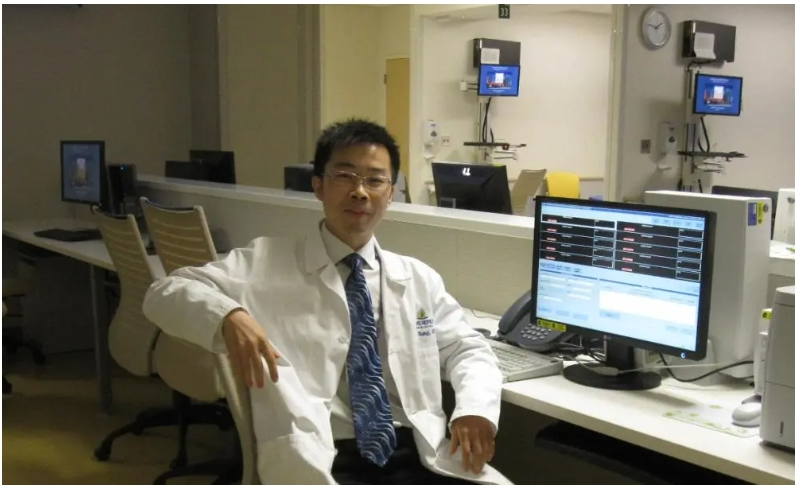
Fig.4 During his study period at Johns Hopkins Hospital, Zhang Faming.
During that discussion, the doctors were deliberating on how to attempt to administer fecal matter in the form of enemas to patients to combat Clostridium difficile infections that were unresponsive to antibiotic treatments. In early 2011, a long feature interview was published in Nature Medicine, where three authoritative American gastroenterology experts publicly called for fecal microbiota transplantation to be considered as a first-line treatment for severe C. difficile infections, potentially avoiding surgery and death.
But at that time, the prospects for fecal microbiota transplantation were not clear. Around 2010, minimally invasive technology was booming, and the field of gastroenterology in China was rapidly advancing into the "endoscopic era." "I was thinking then, the endoscopy track was too 'hot,' and the probability of making pioneering achievements was very low," Zhang Faming recalled, "But the field of fecal microbiota transplantation was still little known, and if I delved into it, I could potentially create entirely new value."
The first step in fecal microbiota transplantation is to prepare the microbial solution. The initial method of operation was very primitive. Doctors would pour feces into a device similar to a "juicer," add water, stir, filter out the fecal residue, and then subject the liquid to a series of medical treatments before finally delivering it into the patient's intestines through a nasogastric jejunal tube or gastroscope, among other methods.
"You stir the toilet after you're done, and you'll know what it feels like to prepare the microbial solution. How many doctors are willing to do this kind of work?" said Zhang Faming. Before officially starting the treatment research, he wanted to change the way the microbial solution was prepared, develop a fully automated standardized equipment, and designed the prototype drawings.
During that time, whenever he had spare time, he would wander around the corridors of the engineering laboratories at Johns Hopkins University, immediately striking up a conversation with "Chinese faces," asking, "Classmate, are you majoring in engineering?" Eventually, an exchange student from Tianjin University's Biomedical Engineering program became Zhang Faming's initial partner in developing the equipment, and together they designed the prototype drawings. After returning to China in 2012, Zhang Faming spent over a year in the laboratory testing the prototype, continuously refining the details.
In 2013, fecal microbiota transplantation was written into the Clostridium difficile infection (CDI) treatment guidelines for the first time in the United States and was rated as one of the "Top Ten Medical Breakthroughs of 2013" by Time magazine. In 2014, this machine was officially produced and put into clinical use, becoming the world's first intelligent fecal microbiota separation system.
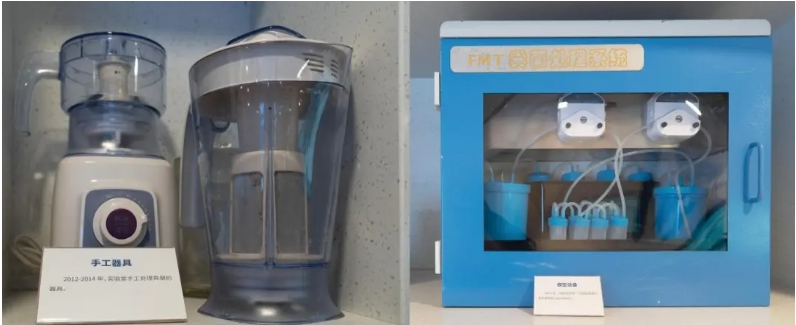
Fig.5 On the left is the early fecal microbiota preparation device, and on the right is the intelligent fecal microbiota separation system developed by Zhang Faming.
In addition to developing equipment, during his study in the United States, from the "folk remedies" related to fecal microbiota transplantation in ancient medicine, to the association between modern medical microbiota homeostasis and the human system, and the potential mechanisms of action in different diseases, Zhang Faming read a large number of literatures. He published an article in the "American Journal of Gastroenterology," elaborating on the medical history of the world of fecal microbiota transplantation, and for the first time proposed to promote the standardization of fecal microbiota transplantation.
This article was subsequently cited by a large number of related papers in journals such as the New England Journal of Medicine, Nature, and Gastrointestinal Endoscopy. Zhang Faming wrote in the article that with the development of fecal preparation equipment and transplantation methods, more patients can benefit from standardized fecal microbiota transplantation. The treatment will be more convenient, and the efficacy will be better.
Doubt
Despite being promoted to deputy chief physician immediately upon returning to China, fecal microbiota transplantation was too niche a field. Zhang Faming had only a laboratory of about 6 square meters, transformed from an office, for the research of fecal microbiota transplantation and the preparatory work before starting treatment. On October 25, 2012, Zhang Faming used his newly designed technical route to complete the first fecal microbiota transplantation in China at the Second Affiliated Hospital of Nanjing Medical University, treating a patient with Crohn's disease who was suffering from unbearable abdominal pain.
Crohn's disease is an idiopathic inflammatory bowel disease that causes swelling of the digestive tract tissues, leading to symptoms such as abdominal pain, diarrhea, and malnutrition, for which there is no effective cure. Zhang Faming applied to the hospital leadership for permission to try a new therapy and obtained approval from the ethics committee. The first surgery was very successful; the patient's abdominal pain was significantly reduced after three hours post-transplantation, and the symptoms almost disappeared within 12 hours.
That winter, Zhang Faming used fecal microbiota transplantation to treat more than ten patients with Crohn's disease. In September 2014, Zhang Faming's team published related research in the "Journal of Gastroenterology and Hepatology," which was the largest global sample size at the time, reporting on refractory Crohn's disease patients receiving fecal microbiota transplantation.
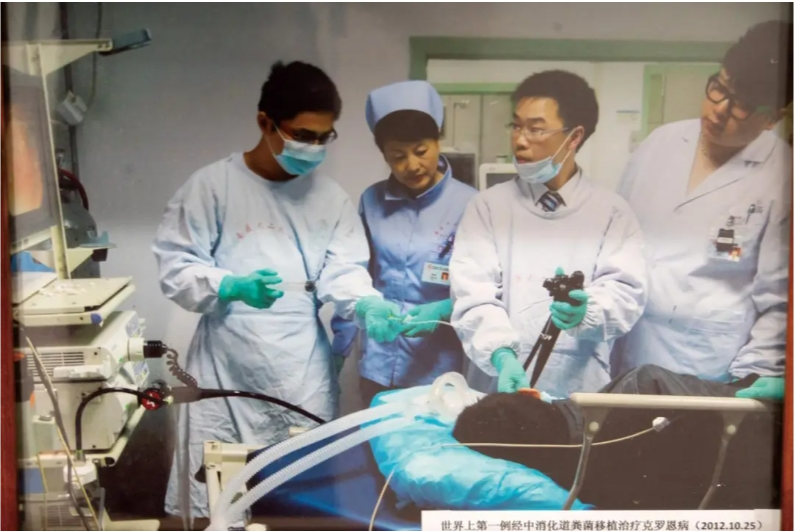
Fig.6 The world's first case of Crohn's disease treated with fecal microbiota transplantation via the middle digestive tract.
In addition to Crohn's disease, over those years, Zhang Faming also successively carried out fecal microbiota transplantation treatment trials for patients with Clostridium difficile infection, ulcerative colitis, and diabetic complications. In a paper published in 2015, he also discussed the potential effects of fecal microbiota transplantation on sleep and sexual dysfunction. In the same year, fecal microbiota transplantation was approved by the Jiangsu Provincial Health Department for medical service project establishment, transitioning from an experimental therapy to an officially approved medical charging technology service for the first time in China.
Despite achieving a series of accomplishments, fecal microbiota transplantation was still not recognized by the domestic academic community. At various relevant academic conferences, Zhang Faming was always the one who attracted the most "attention" in the audience. "As soon as they start speaking, they ask me what the high-level evidence for the treatment is? How can I prove that the therapeutic effect is directly related to fecal microbiota transplantation?"
"Not knowing, not believing, not daring to do," facing the doubts of peers, he was unable to give a strong response at the time. Even to this day, in the field of fecal microbiota transplantation, the most thoroughly studied and internationally recognized for treatment remains only Clostridium difficile infection. Although there are reports of evidence for other diseases, they are almost all controversial, only to varying degrees.
But Zhang Faming still insists on his own opinion, "No treatment, no evidence." "The number of bacteria in the human gut reaches 10 to the 14th power, which is an extremely complex micro-ecological system. We cannot blindly 'pick' the pathways and targets... but should view the impact of the flora from an overall perspective, which is immunity and infection."
Based on this theory, Zhang Faming "closed the door" and continued to attempt to treat Alzheimer's disease, autism, Parkinson's disease, amyotrophic lateral sclerosis (ALS), and other mental or neurological system diseases related to immunity with fecal microbiota transplantation. In 2017, Zhang Faming reported the world's first case of a patient with epilepsy cured by fecal microbiota transplantation and registered the first clinical trial in this field.
The team also applied fecal microbiota transplantation to control related immune and gastrointestinal complications in cancer patients. "The choice of treatment indications, some are supported by previous literature, and some are accidentally discovered while treating other diseases," said Zhang Faming. "These patients have also received ineffective conventional treatments before. If we do not attempt it, we will never know what role fecal microbiota transplantation can play."
The international academic community's progress in fecal microbiota transplantation has also given Zhang Faming a "booster shot".
In July 2023, Canadian scholars published their research findings in Nature Medicine. They applied fecal microbiota transplantation in combination with PD-1 inhibitors as first-line treatment for patients with advanced melanoma. The results showed that among 20 patients, 4 achieved complete remission, 9 had partial remission, and 2 had stable disease for over six months, with objective response rates and clinical benefit rates of 65% and 75%, respectively. This is significantly better than the historical data—where the objective response rate for monotherapy with PD-1 inhibitors in previous trials was 44%.
Make fecal microbiota transplantation as safe and efficient as blood transfusion
In 2019, the death of a 73-year-old patient in a fecal microbiota transplantation clinical trial in the United States cast a pall over the entire field.
In April of that year, the New England Journal of Medicine published details of the case, in which researchers reported finding a rare multi-drug resistant bacteria in the fecal transplant material. A few days after the publication, the U.S. FDA urgently halted a series of clinical trials and convened a meeting specifically to discuss how to regulate this technology.
"This incident intensified the doubts of our peers about our work, which led us to make a decision to disclose the safety data on the Chinese Microbiota Transplantation Platform," Zhang Faming told “MedJ”.
The Chinese Microbiota Transplantation Platform is a non-profit management and research platform that has evolved from the original Chinese Fecal Microbiota Bank Emergency Rescue Plan. The plan was co-launched by Zhang Faming and Academician Fan Daimin, and it is also a core project of the National Clinical Medical Research Center for Digestive System Diseases.
"For patients with refractory intestinal infections, fecal microbiota transplantation can save lives in critical situations, but not every hospital has the corresponding technology and resources," said Zhang Faming. "We have decided to provide free training for doctors in hospitals everywhere, and to send standardized fecal microbiota transplants in the first place when treatment is needed."
Safety assurance is a prerequisite for promoting fecal microbiota transplantation. In fact, in the first two years after Zhang Faming returned to China to conduct transplantation trials, he found that the fever rate in patients after treatment was close to 20%, "Many people will have a high fever up to 40 degrees Celsius. Although it did not lead to serious consequences, it brought a tense mood to us doctors," said Zhang Faming.
To address this issue, Zhang Faming proposed the concept of "Washed Microbiota Transplantation" (WMT). Similar to the evolution of blood transfusion from the initial "whole blood transfusion" to the revolutionary "component blood transfusion," Zhang Faming utilized his independently developed intelligent fecal microbiota separation system and washing procedure to remove substances from the microbial liquid that are likely to cause inflammation and fever reactions, such as leukotrienes, corticosteroids, and prostaglandins (PG). "Now, fever after transplantation hardly ever occurs."
or fecal donors, the team also conducts strict initial screenings, interviews, and comprehensive physical examinations to assess whether the gut microbiota is healthy and to evaluate the risks of infection and disease transmission.
On the other hand, Zhang Faming also invented Transendoscopic Enteral Tube (TET) placement. TET is like an "indwelling vein catheter" in the intestine, where a high polymer tube is fixed deep in the colon through colonoscopy for a long period, painless, and naturally expelled after a while. In this way, it is achieved that patients only need to undergo one colonoscopy surgery to receive multiple fecal microbiota transplantation treatments. In 2020, The Lancet published a review stating, "The TET approach is a promising direction for the future development of fecal microbiota transplantation."
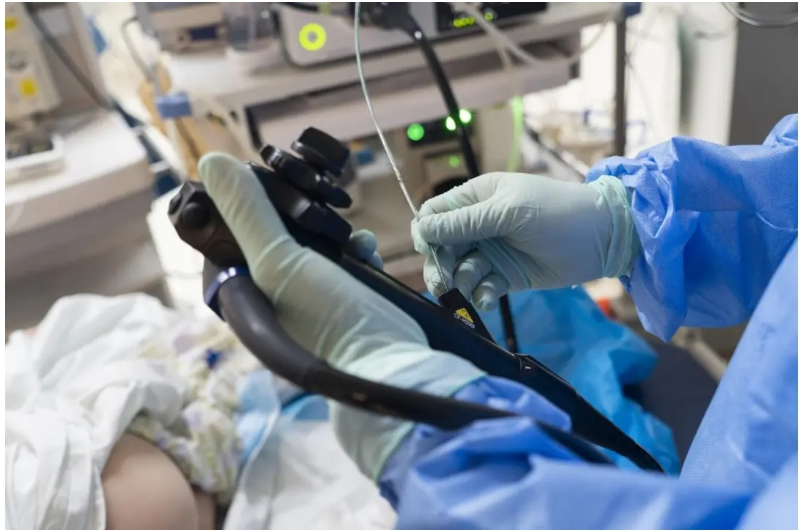
Fig.7 The TET system developed by Zhang Faming.
As of now, more than 100 hospitals nationwide have established cooperative relations with the Chinese Microbiota Transplantation Platform, and the overall incidence rate of adverse events is only 1/20 of that of the same period internationally.
Fecal microbiota transplantation is increasingly gaining attention in the academic community.
On November 30, 2022, the field of fecal microbiota transplantation reached a climax globally. The U.S. FDA approved the first fecal microbiota transplantation product, RBX2660, for administration via enema to patients aged 18 and older with recurrent Clostridium difficile infection. This is considered a "breakthrough in the field of microbiome pharmaceuticals," as what was once considered a "folk remedy" fecal preparation has become an officially approved medical prescription.
A brand new discipline
From being initially ignored when it was first introduced in the country, to being regarded as a "cutting-edge technology" and flourishing explosively, fecal microbiota transplantation has taken more than a decade.
Approximately starting from 2020, various regions in China such as Guangdong, Beijing, and Shandong have successively launched clinical projects similar to "fecal microbiota transplantation for the treatment of autism," and calls for the public to "donate feces" have frequently made the headlines in the news. Statistical data show that microbiota transplantation is becoming a new track in the field of biomedicine, with the global scale of the niche market being around 50 billion US dollars.
In response to this, Professor Zhao Liping, a member of the American Academy of Microbiology, once stated to "MedJ" that the popularity of fecal microbiota transplantation is not surprising due to its low barrier to entry. "The gut microbiota, as an integrated ecosystem, theoretically, the destruction of its structure would exacerbate various diseases, and there is no problem with this in theory."
"But everyone is flocking into this field, and there is a continuous repetition at a low level of clinical application, resulting in many inconsistent and even contradictory outcomes, yet few people delve deeper to understand the fundamental issues," Professor Zhao Liping believes that the sudden surge in the popularity of fecal microbiota transplantation could, in fact, have a negative impact on the healthy development of the entire field.
Zhao Liping is regarded by Zhang Faming as a "senior in this field," and his views are also a source of concern for Zhang Faming. To this day, Zhang Faming has not fully opened up the permissions of the microbiota transplantation platform. Other hospitals, through this platform, are only allowed to treat patients with refractory infections such as Clostridium difficile.
"Microecological medicine is still in its early stages of development, mainly providing pure medical technical services. However, all technologies have a tendency to be profitable and have a limited life cycle. If a systematic discipline cannot be formed, no matter how popular it is at the moment, it can easily be fleeting," said Zhang Faming.
Thus, after a full decade of research and exploration, in early 2023, Zhang Faming established the world's first Department of Microecological Medicine based on the hospital's intestinal disease center, and initiated the "Microecological Medicine" course at Nanjing Medical University to cultivate the education and talent needed for the discipline.
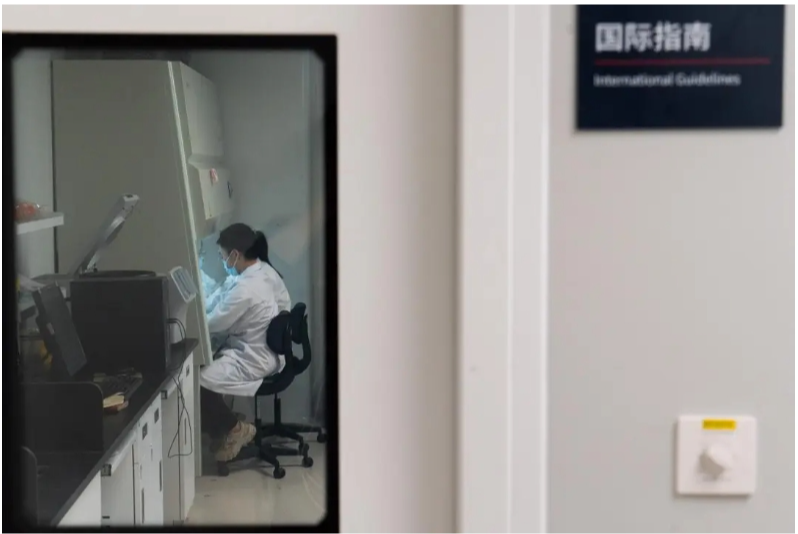
Fig.8 Microecological Medicine Department laboratory, two graduate students are conducting experiments.
"Our original specialty training background was gastroenterology. To 'cross over' and treat patients who originally belonged to other disciplines, carry out fecal microbiota transplantation, and also requires doctors to have comprehensive diagnostic and treatment capabilities for diseases such as endocrinology and metabolism, oncology, immune system, urinary system, and neuropsychiatric system. This urgently needs to be organized and classified from the academic discipline level to produce a new clinical medical discipline."
"At the same time, through this brand-new discipline, we also hope that fecal microbiota transplantation can continue to make breakthroughs in methodology and evidence-based medicine. As the sample size of treatments expands, we will continuously supplement or modify the current models, enhance the level of evidence for fecal microbiota transplantation, and ultimately change medical guidelines," said Zhang Faming.
But where are the boundaries of the possibilities of fecal microbiota transplantation? In which areas will it completely change the existing diagnostic and treatment models, and in which diseases will it eventually be proven wrong? Zhang Faming cannot give an accurate answer either.
"My teacher, Professor Wu Kai Chun, once told me that choosing to do pioneering work, especially work that may affect the current diagnostic and treatment patterns and the division of disciplines, will definitely be 'full of twists and turns'," said Zhang Faming. "At first, I didn't think it through, but the more I worked on it, the more convinced I became that no matter what the final outcome is, this is something worth dedicating my life to."

