


Recently, the 43rd General Conference of the United Nations Educational, Scientific and Cultural Organization (UNESCO) adopted a resolution to officially include the centenary commemoration of Prof. Fangzhou Gu’s birth among UNESCO’s calendar of anniversaries for 2026–2027.
“A small sugar pellet, benefiting countless people.” The white sugar pellet vaccine that dissolves in the mouth has protected countless Chinese children from poliomyelitis, and the scientist who gave life to this innovation was Prof. Fangzhou Gu, affectionately known as “Grandpa Sugar Pill.”
Prof. Fangzhou Gu was a renowned Chinese medical scientist, virologist, educator, and social activist. He was honored with national titles including “Most Beautiful Doctor” and “People’s Scientist.” He enabled children to be completely free from polio, helped make China a polio-free country, and brought health to generations of Chinese people.
Prof. Gu passed away in Beijing on January 2, 2019, at the age of 92. Between 2026 and 2027, centenary commemorative activities in his honor will be jointly held in China, France, Italy, and other locations.
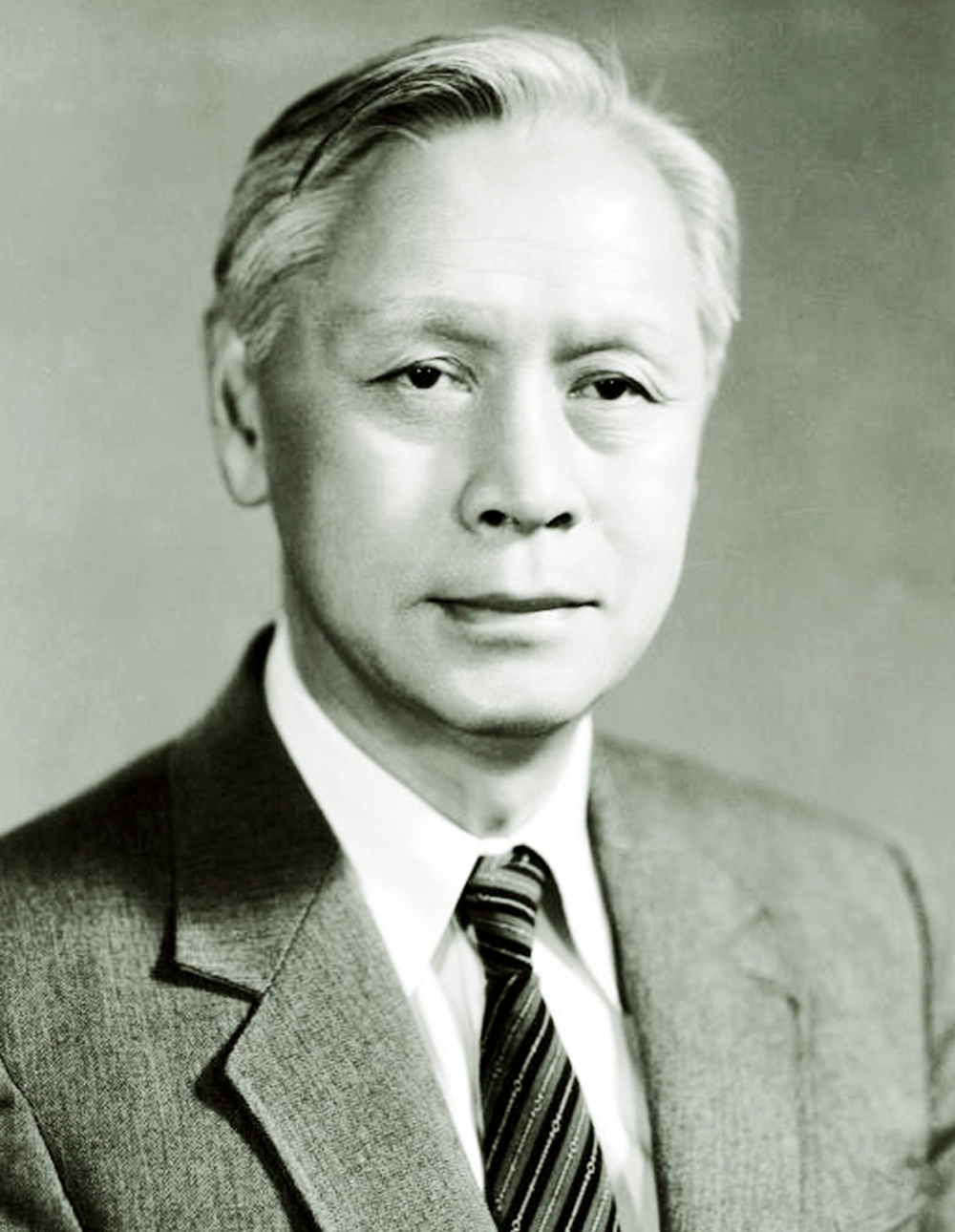
Prod. Fangfzhou Gu
Dedicated to Public Health and Epidemic Prevention
Prof. Fangzhou Gu was born on June 16, 1926, in Ningbo, Zhejiang Province. When he was five years old, his father died of kala-azar, and the burden of supporting the family fell on his mother. Amid difficult circumstances, she first enrolled in the Hangzhou Guangji Midwifery Vocational School and later moved to Tianjin, where she became a midwife and planted the seed of studying medicine in her son.
In 1944, Prof. Gu was admitted to the Peking University Medical School, taking a crucial step toward his goal of healing the sick and saving lives. During his studies, he was deeply influenced by public health expert Prof. Jingqing Yan, from whose classes he learned about the dire state of public health in China at the time, the rampant spread of infectious diseases, and the tragic situation of maternal and child healthcare, giving him a deep understanding of the importance of public health work.
After graduating in 1950, while many of his classmates chose to become clinicians, Prof. Gu accepted his assignment to work in public health and epidemic prevention at the Dalian Health Research Institute. He once said, “Being a doctor can indeed save many people, but engaging in public health can benefit millions.”
In 1951, Prof. Gu was assigned to study in the Soviet Union, where he studied under renowned virologists including Prof. Mikhail Chumakov and Prof. Anatoly Smorodintsev. After returning to China in 1955, he was appointed Deputy Director of the Encephalitis Laboratory at the Institute of Microbiology and Epidemiology under the Ministry of Health, at the age of 29.
Developing the Polio Vaccine
In the same year Prof. Gu returned to China, a large-scale poliomyelitis epidemic broke out in Nantong, Jiangsu Province. Of the 1,680 reported clinical cases, 466 resulted in death, and most surviving children were left with lifelong disabilities. Subsequent outbreaks occurred in Qingdao, Shanghai, Nanning, and other cities. By 1959, poliomyelitis had become the most severe public health emergency in China.
Poliomyelitis, commonly known as infantile paralysis, is caused by the poliovirus, which attacks motor neurons in the central nervous system. With its high disability and mortality rates, it once plunged countless families into despair.
Recalling that period, Prof. Gu said that during the summer months in Nanning, households kept doors and windows shut and prevented children from going outside, fearing infection. Tens of thousands of children were infected nationwide each year, and the inability to cure the disease weighed heavily on public health workers.
In 1957, Prof. Gu led his team to successfully isolate the poliovirus from patient stool samples using monkey kidney tissue culture technology. They identified the differing characteristics of the three virus types and, for the first time, confirmed through virological and serological methods that Type I poliovirus was the predominant strain circulating in China.
This work provided essential epidemiological evidence for controlling poliomyelitis and established laboratory diagnostic standards for the virus.
In 1958, Prof. Gu was transferred to the Institute of Virology at the Chinese Academy of Medical Sciences and appointed Director of the Poliomyelitis Research Laboratory. From that point on, he devoted his life to research in this field.
In March 1959, the Ministry of Health sent Prof. Gu and three colleagues to the Soviet Union to study poliomyelitis vaccines. At that time, the inactivated vaccine developed in the United States required three injections and was prohibitively expensive, while the live attenuated vaccine was far less costly but had not yet entered human trials.
After carefully weighing China’s national conditions and the severity of the epidemic, Prof. Gu concluded that eliminating polio in China required adopting the live vaccine approach. Later that year, his team completed their investigation of vaccine production techniques and brought a small quantity of live vaccine back to China to begin domestic research.
A Poliomyelitis Live Vaccine Research Collaboration Group was subsequently established, with Prof. Gu serving as its leader. In 1960, he and his colleagues established vaccine production facilities in Kunming, Yunnan Province, laying the foundation for what would later become the Institute of Medical Biology under the Chinese Academy of Medical Sciences.
After five months of intensive work, the first trial batch of the vaccine was successfully produced. Animal studies demonstrated that the vaccine was both safe and effective.
Testing the Vaccine on Himself, Eradicating Polio
Facing unknown risks, Prof. Gu and his colleagues orally administered the first batch of the vaccine to themselves. One week later, all showed stable vital signs with no abnormal reactions. However, adult safety alone was not sufficient, as children were the primary victims of poliomyelitis.
Without informing his wife, Prof. Gu administered the vaccine to his one-year-old son. Several researchers involved in the project made the same decision, allowing their own children to participate in the trial.
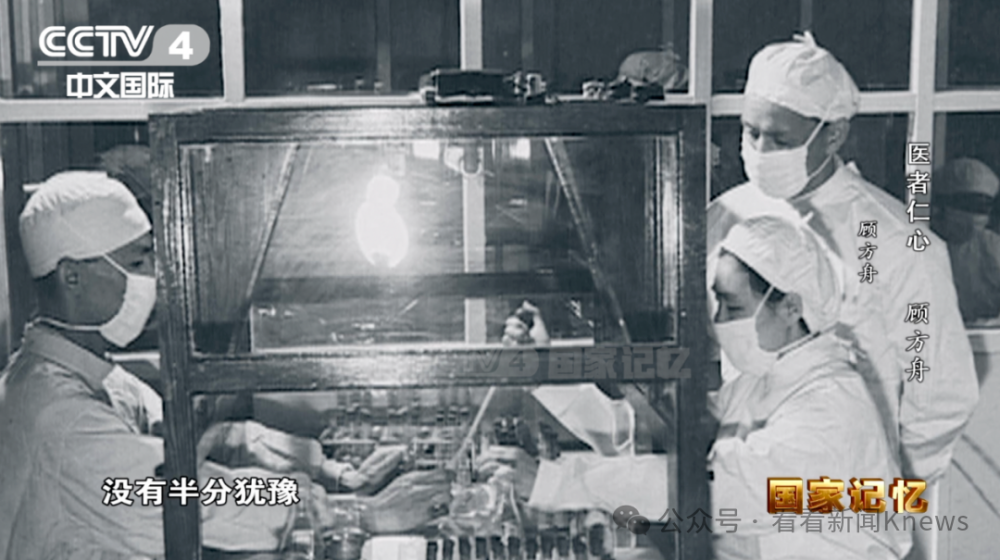
In a later documentary, Prof. Gu recalled that he felt anxious at the time, knowing the risks involved, but believed that advancing the work was unavoidable under the circumstances.
After several weeks of observation with no serious adverse reactions, Prof. Gu collaborated with the Beijing Epidemic Prevention Station to conduct Phase II clinical trials involving 2,000 children under the age of seven.
By the end of 1960, five million doses of the live vaccine had been distributed in multiple cities nationwide. The results further confirmed both the safety of the vaccine and its effectiveness in significantly reducing disease incidence.
Prof. Gu soon identified another challenge: the liquid formulation of the vaccine required cold storage and was prone to losing potency, making distribution in rural areas difficult and wasteful.
To improve storage, transportation, distribution, and administration, Prof. Gu and his colleagues developed a sugar pellet form of the live vaccine, drawing on children’s familiarity with candy while preserving vaccine efficacy.
After successful application in three million children, the sugar pellet vaccine proved to be as effective as the liquid formulation.
In 1965, the sugar pellet vaccine was promoted nationwide. In 1990, China launched its National Polio Eradication Plan, after which case numbers declined rapidly. Following the last indigenous case reported in 1994, no cases caused by wild poliovirus have been detected in China to date.
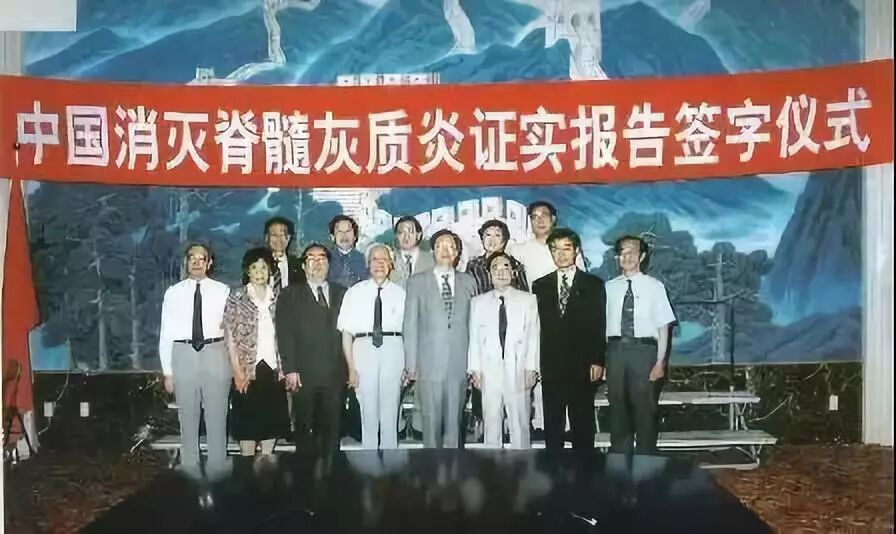
On July 21, 2000, at the China Polio Eradication Certification signing ceremony held by the Ministry of Health, Prof. Gu and other members of the certification committee formally signed the report, marking China’s official recognition as a polio-free country. This achievement stands as one of humanity’s major public health milestones since the eradication of smallpox.
Reflecting on his life’s work, Prof. Gu once said, “I only did one thing in my life: I made a small sugar pellet.”

