


Two randomized trials led by Chinese stroke investigators were published simultaneously in the New England Journal of Medicine on October 23, 2026. LATE-MT evaluated mechanical thrombectomy 24-72 hours after large-vessel ischemic stroke, while MILD-MT examined endovascular therapy in patients with mild stroke caused by large-vessel occlusion.
Both studies were led by Prof. Jianmin Liu of Shanghai Changhai Hospital and conducted with stroke centers across China. Together, they address two patient groups for whom evidence has remained limited under current treatment frameworks: patients arriving more than 24 hours after onset and patients whose initial neurologic deficits are mild.
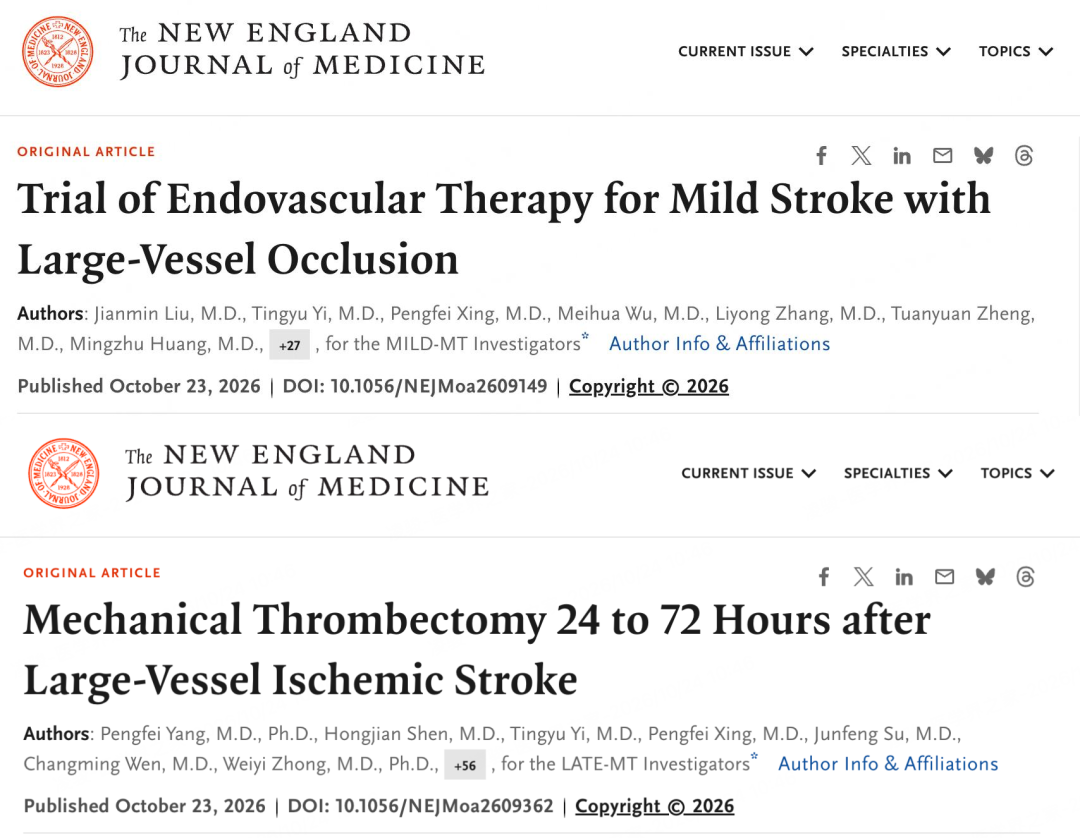
Fig. 1. The LATE-MT and MILD-MT Trials Published in the New England Journal of Medicine.
The Clinical Gap Beyond Current Thrombectomy Criteria
Mechanical thrombectomy became standard care for selected patients with acute ischemic stroke after five randomized trials published in 2015 showed that endovascular clot removal improved outcomes in large-vessel occlusion. Subsequent studies extended the treatment window from 6 hours to 24 hours for carefully selected patients with severe deficits and salvageable brain tissue.
Important gaps remained. Some patients arrive more than 24 hours after symptom onset, while others present within 24 hours but have an NIH Stroke Scale score below 6 and therefore may not meet conventional thrombectomy criteria. A proportion of these initially mild cases later deteriorate, sometimes after the treatment window has closed.
The issue may be particularly relevant in China, where intracranial atherosclerotic stenosis is common. Prof. Liu said that chronic arterial narrowing may allow some patients to develop collateral circulation and tolerate ischemia for longer periods, resulting in initially mild symptoms despite a large-vessel occlusion. The LATE-MT and MILD-MT programs were launched around 2022 to investigate whether imaging could identify patients who still had substantial tissue at risk and might benefit from intervention.
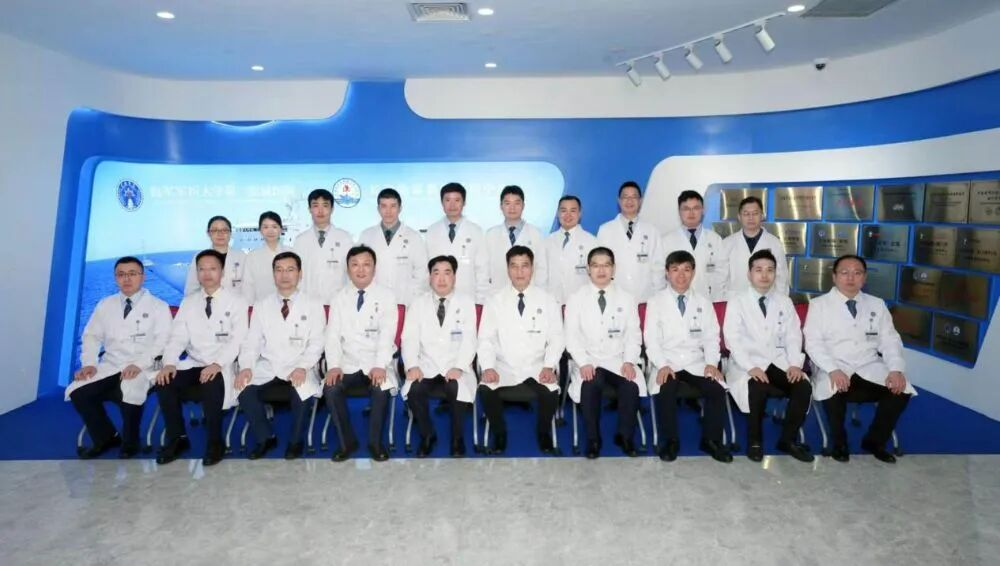
Fig. 2. Prof. Jianmin Liu and the Cerebrovascular Team at Shanghai Changhai Hospital.
LATE MT Tests Thrombectomy 24 to 72 Hours After Stroke
LATE-MT was an open-label, randomized trial with blinded outcome assessment conducted at 35 comprehensive stroke centers in China. It enrolled 336 adults with anterior-circulation large-vessel occlusion who presented 24-72 hours after symptom onset or the time last known well. Eligible patients had an NIH Stroke Scale score of at least 6, an infarct-core volume below 50 mL, and salvageable tissue identified by perfusion imaging. Median time to randomization was 38.5 hours.
Patients were randomly assigned 1:1 to endovascular therapy plus standard medical care or standard medical care alone. Successful reperfusion was achieved during the procedure in 94.6% of patients assigned to thrombectomy. At 48 hours, arterial patency was documented in 82.4% of the thrombectomy group and 18.0% of the medical-care group.
At 90 days, the distribution of modified Rankin Scale scores favored thrombectomy, with a common odds ratio of 1.74 for a better functional outcome. Death or dependence was reported in 51.5% of the thrombectomy group and 64.7% of the medical-care group. The investigators estimated that approximately one additional patient would regain independent living for every eight patients treated.
The benefit came with important safety tradeoffs. The study reported a higher risk of intracranial hemorrhage in the thrombectomy group, particularly among older patients and those with more severe baseline disease. The investigators proposed that prolonged ischemia may leave tissue vulnerable to reperfusion injury after the vessel is reopened. Patient selection and risk stratification therefore remain central questions for future research.
MILD MT Evaluates Patients With Mild Deficits
MILD-MT was a multicenter, open-label randomized trial involving patients with anterior-circulation large-vessel occlusion, an NIH Stroke Scale score below 6, a small infarct core of no more than 50 mL, and at least 50 mL of salvageable ischemic tissue on perfusion imaging. Patients were treated within 24 hours of symptom onset or the time last known well. Of 304 randomized patients, 300 were included in the modified intention-to-treat population.
Endovascular therapy reduced early neurologic deterioration. Within 7 days, deterioration occurred in 13.9% of patients assigned to thrombectomy plus medical management and 31.4% of those receiving medical management alone.
At 90 days, an excellent functional outcome, defined as a modified Rankin Scale score of 0 or 1, was reported in 69.4% of the thrombectomy group and 50.0% of the medical-management group. This corresponded to an odds ratio of 2.32 and an estimated number needed to treat of approximately six for one additional excellent functional outcome.
The trial did not show an increase in symptomatic intracranial hemorrhage, but serious procedure-related complications were reported. The results therefore support a potential role for thrombectomy in carefully selected patients with mild deficits and substantial tissue at risk, while underscoring the need to weigh procedural risk against the risk of later deterioration.
Why the Findings Matter
The two trials suggest that the conventional boundaries of 24 hours and clinical severity may not fully capture which patients can benefit from thrombectomy. Imaging-defined salvageable tissue was a central selection criterion in both studies, shifting emphasis from time and initial symptom severity alone toward the amount of brain tissue that remains at risk but viable.
The findings may inform future guideline discussions, but they should not be interpreted as support for thrombectomy in all late-presenting or mildly affected patients. Both trials enrolled selected patients treated at experienced stroke centers, and the balance of benefit and harm depended on imaging, clinical characteristics, and procedural expertise.
A Decade of Work on Thrombectomy Strategy
The LATE-MT and MILD-MT trials build on a series of studies led by Prof. Liu’s team. In 2020, the DIRECT-MT trial, also published in the New England Journal of Medicine, examined whether eligible patients could proceed directly to thrombectomy without intravenous thrombolysis. In 2022, the ENCHANTED2/MT trial in The Lancet found that intensive blood-pressure reduction after successful thrombectomy was associated with worse outcomes, helping define a lower boundary for post-procedural blood-pressure management.
Other programs, including IRIS and PROTECT-MT, have investigated additional questions in the endovascular treatment of acute large-vessel occlusion. The broader aim has been to refine treatment selection and peri-procedural management rather than apply a single approach to every patient.
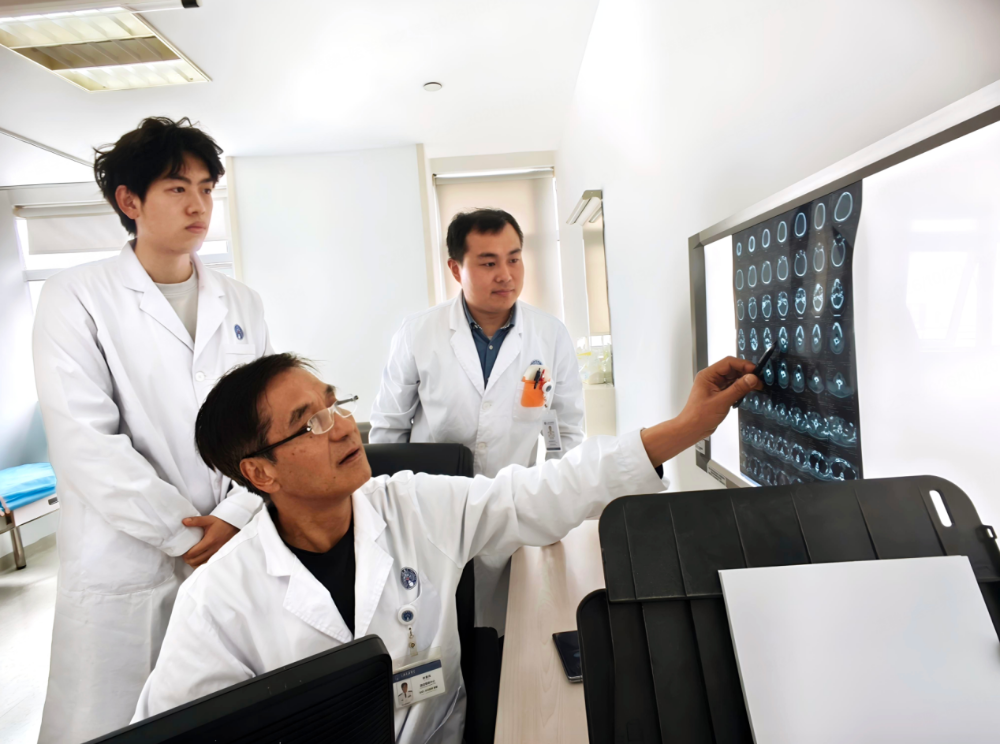
Fig. 3. Prof. Jianmin Liu Reviews Neuroimaging With Members of His Team.
Imaging and Device Development for Intracranial Atherosclerosis
Perfusion imaging was essential to identifying patients with salvageable tissue. Prof. Liu said that some overseas perfusion-analysis tools did not consistently match the final infarct distribution observed in Chinese patients. His team therefore developed UGuard using imaging data from Chinese patients collected at different time points. Most participants in LATE-MT were screened with this system.
The team also developed procedural concepts and devices for intracranial atherosclerotic stenosis, in which a thrombus may form on top of a pre-existing narrowed artery. Removing the clot alone may leave a high risk of re-occlusion, while balloon angioplasty can displace thrombotic material into more distal vessels.
One proposed diagnostic approach is the microcatheter first-pass effect. If blood flow becomes visible after a microcatheter crosses and is withdrawn from the occluded segment, the finding may indicate a smaller thrombus burden overlying fixed stenosis and help guide the choice between thrombectomy and angioplasty.
The team subsequently developed techniques including BASIS and FAST-ICAS, which combine distal protection, thrombectomy, angioplasty, and stenting when required. Fastunnel is an integrated balloon and microcatheter device designed to permit balloon dilation followed by stent delivery through the same catheter, reducing repeated device exchanges. These technologies formed part of the treatment platform supporting the clinical studies.
Building a Multicenter Stroke Research Network
Prof. Liu has also emphasized standardized stroke systems as a foundation for multicenter research. Shanghai Changhai Hospital established an integrated stroke center in 2013, bringing neurologic and neurosurgical services into a coordinated pathway. The center adopted a model in which clinical teams move around the patient rather than requiring the patient to pass through multiple departments, reducing door-to-needle time to approximately 30 minutes.
China began a national stroke-center development program in 2015, and the Changhai model was adopted by other institutions. Prof. Liu said that greater consistency in treatment capability across hospitals made it possible to conduct trials such as DIRECT-MT, LATE-MT, and MILD-MT simultaneously at multiple centers and generate more generalizable evidence.
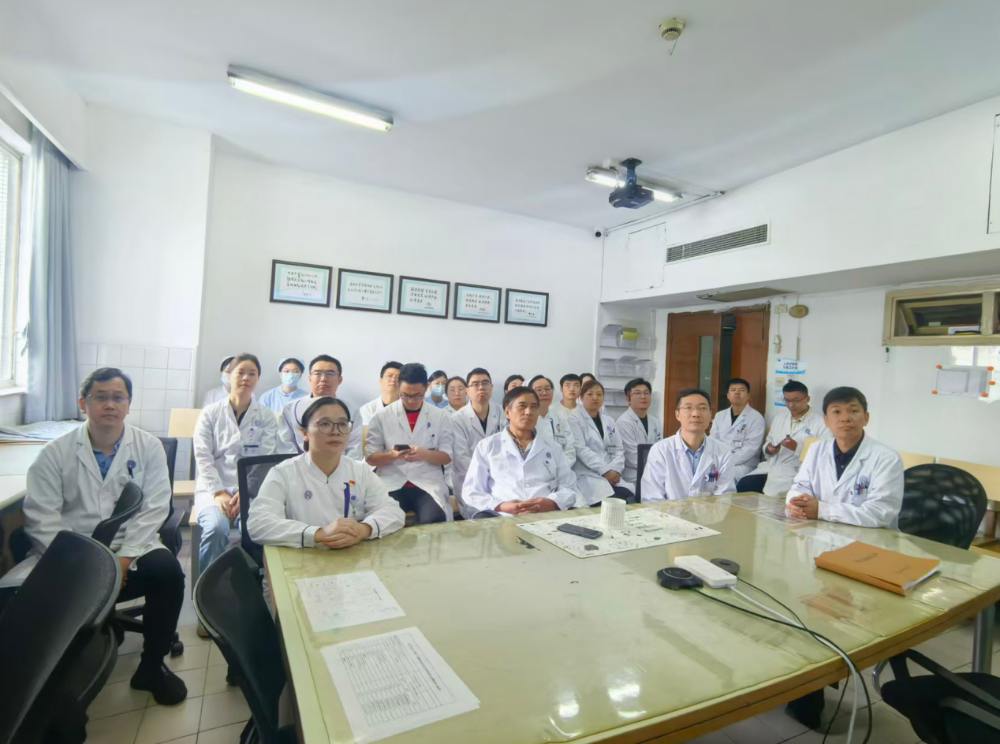
Fig. 4. The Shanghai Changhai Hospital Team Discusses Clinical Cases.
From Guideline Implementation to Evidence Generation
For many years, stroke practice in China relied heavily on devices, techniques, and evidence developed in other health systems. The research program behind LATE-MT and MILD-MT was designed around epidemiologic and clinical features frequently encountered in Chinese patients, particularly intracranial atherosclerotic disease.
The studies may contribute evidence relevant to patients beyond China, while also prompting changes in emergency assessment and treatment selection within Chinese stroke systems. Their publication reflects a broader transition from implementing international guidelines to contributing randomized evidence that may shape future recommendations.
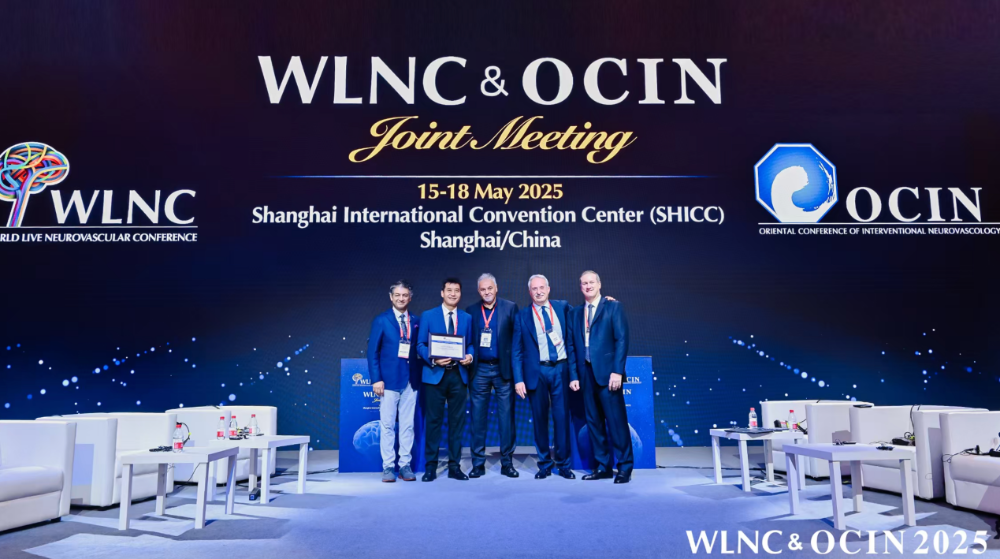
Fig. 5. Prof. Jianmin Liu Receives a Scientific Achievement Award at the 2025 WLNC and OCIN Joint Meeting
Limitations and Next Steps
The positive efficacy findings do not eliminate uncertainty. In LATE-MT, the higher hemorrhage risk and mortality signal require careful consideration alongside functional benefit. In MILD-MT, serious procedure-related complications highlight the importance of experienced operators and precise selection, even when the presenting neurologic deficit is mild.
The investigators plan to combine data from similar studies worldwide to identify which late-presenting patients have the greatest likelihood of benefit and which face higher risks. Follow-up studies of LATE-MT and MILD-MT are also expected to further define the populations most appropriate for thrombectomy.
Prof. Liu described the research process as iterative: unresolved clinical problems lead to new techniques, devices, observational data, and ultimately randomized trials designed to confirm or refute whether an intervention improves outcomes. The two NEJM studies expand the evidence base, but their translation into routine practice will depend on further analysis, guideline review, and local capacity to reproduce the patient-selection and procedural standards used in the trials.
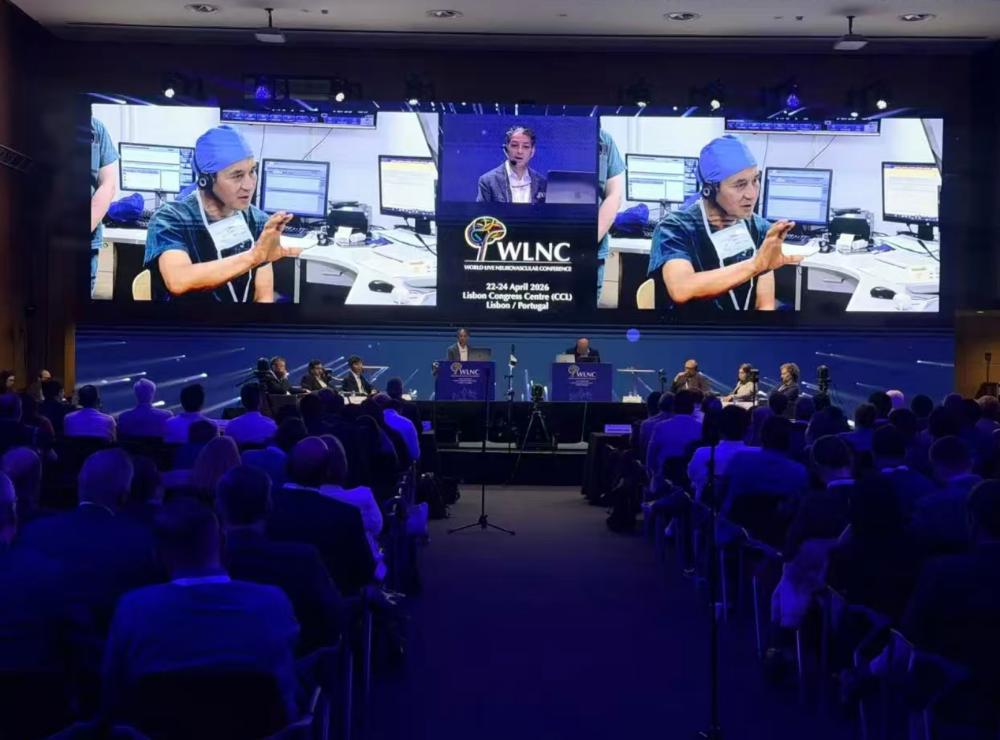
Fig. 6. Prof. Jianmin Liu Presents Chinese Neurointerventional Devices and Techniques at the 2026 WLNC.
References
Liu J, Yi T, Xing P, et al. Trial of Endovascular Therapy for Mild Stroke with Large-Vessel Occlusion. New England Journal of Medicine. Published online October 23, 2026. doi:10.1056/NEJMoa2609149.
Yang P, Shen H, Yi T, et al. Mechanical Thrombectomy 24 to 72 Hours after Large-Vessel Ischemic Stroke. New England Journal of Medicine. Published online October 23, 2026. doi:10.1056/NEJMoa2609362.

