


Small cell lung cancer (SCLC) is highly aggressive, with a tendency for relapse and metastasis. After first-line resistance, effective second-line and later-line treatment options remain limited, and the field has an unmet need for new therapeutic approaches. B7-H3 (CD276) is widely overexpressed in SCLC and other malignancies and has emerged as a target of interest in antibody-drug conjugate (ADC) development.
Two Chinese B7-H3 Studies Selected for WCLC Presidential Symposium
According to the article, among 8 global studies selected for the Presidential Symposium of the upcoming 2026 World Conference on Lung Cancer (WCLC), 2 are led by Chinese teams. Both are phase 3 trials in relapsed SCLC, comparing the respective ADC with the second-line standard topotecan, with overall survival (OS) as the primary endpoint:
- Prof. Li Zhang of Sun Yat-sen University Cancer Center will present the TAISHAN-302 study (Abstract PL02.03) of YL201 (Tam-Peli), developed by YL Pharma.
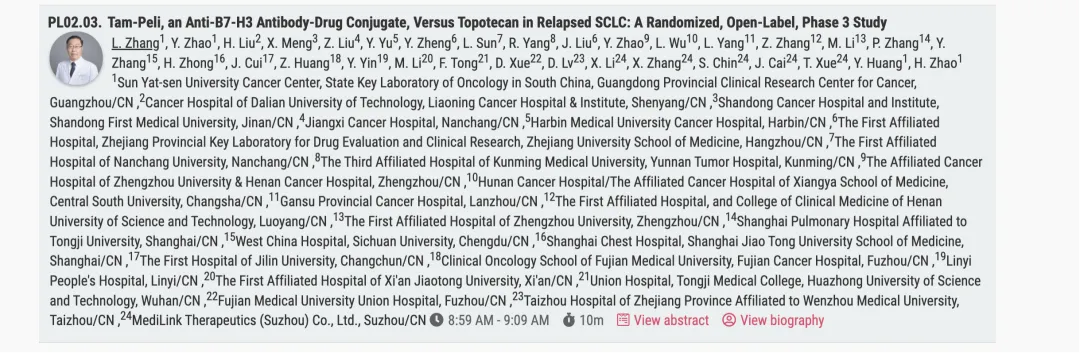 Fig. 1. Prof. Li Zhang’s Team Presenting the Study
- Prof. Jie Wang of the National Cancer Center/Cancer Hospital, Chinese Academy of Medical Sciences, will present the ARTEMIS-008 study (Abstract PL02.04) of HS-20093 (Ris-Rez), developed by Hansoh Pharma.
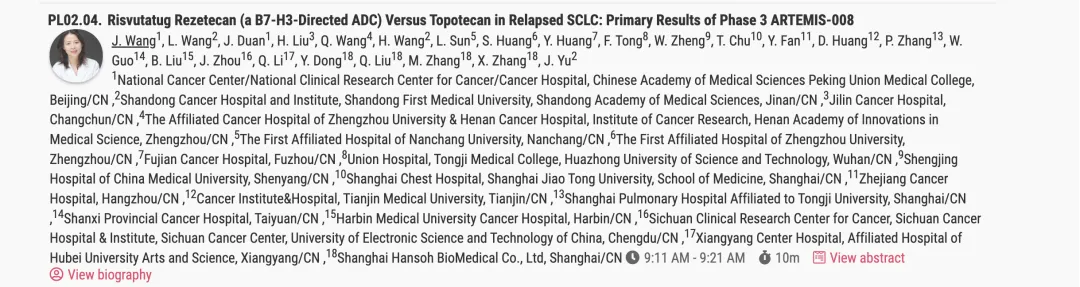 Fig. 2. Prof. Jie Wang’s Team Presenting the Study
The simultaneous presentation of these two phase 3 trials is expected to provide evidence for evaluating the confirmatory clinical value of B7-H3 ADCs in SCLC.
Early-Phase Data Review
The article reviews early-phase data for both ADCs that have been previously published.
YL201 (Tam-Peli) Phase I/Ib Study (Published in Nature Medicine)
In the evaluable extensive-stage SCLC (ES-SCLC) cohort:
- Confirmed objective response rate (cORR): 63.9%
- Disease control rate (DCR): 91.7%
- Median duration of response (mDOR): 5.7 months
- Median progression-free survival (mPFS): 6.3 months
Adverse events were primarily hematologic toxicities, with common grade ≥3 treatment-related adverse events (TRAEs) including neutropenia, leukopenia, and anemia. Treatment-related interstitial lung disease (ILD) occurred in 1.3% of patients.
HS-20093 (Ris-Rez) Phase I ARTEMIS-001 Study (Published in Cancer Cell)
In 65 evaluable ES-SCLC patients (approximately 60% had received ≥2 prior lines of therapy):
- Confirmed ORR: 52.3%
- DCR: 87.7%
- mDOR: 7.1 months
- mPFS: 6.2 months
The most common grade ≥3 TRAEs were also hematologic toxicities (decreased neutrophil count, decreased white blood cell count, and anemia). Treatment-related ILD occurred in 3.4% of patients.
According to the article, both ADCs showed high tumor response rates and response durations in the later-line SCLC population in early studies, providing a clinical basis for the subsequent phase 3 randomized studies.
Conference Focus: Key Points to Watch in the Phase 3 Studies
ARTEMIS-008 announced in July 2026 that it met its primary endpoint at a pre-specified interim analysis, demonstrating a statistically significant and clinically meaningful improvement in OS with Ris-Rez compared with topotecan. TAISHAN-302 will present full data at this year’s meeting.
As complete data are presented, several metrics warrant attention:
- Long-term survival benefit: whether the high response rates translate into meaningful survival extension, and whether improvements in progression-free survival (PFS), duration of response (DOR), and final OS are consistent.
- Clinical safety: the hematologic toxicity profile, dose reduction rates, discontinuation rates, and ILD incidence, which directly affect whether the drug can be administered long-term in real-world clinical practice.
- Performance in difficult-to-treat subgroups: whether the two ADCs provide benefit in patients who have previously received first-line immunotherapy, those with primary platinum resistance, and those with baseline brain metastases.
Summary
The inclusion of two Chinese phase 3 trials in the WCLC 2026 Presidential Symposium reflects the contributions of Chinese researchers to relapsed SCLC research. The full OS data from TAISHAN-302 and ARTEMIS-008 are expected to provide key evidence on whether B7-H3 ADCs have the potential to change clinical practice in relapsed SCLC.
This article is based on a pre-conference press release; the full phase 3 data have not yet been publicly presented. ARTEMIS-008 has announced meeting its primary endpoint, but detailed results will be presented at WCLC 2026. TAISHAN-302 and ARTEMIS-008 early-phase results have been published in Nature Medicine and Cancer Cell, respectively.

