


At the beginning of this year, Wan Feng, an internationally renowned cardiac surgeon, honored his promise made five years ago by resigning from the position of director of the Department of Cardiac Surgery at East Hospital Affiliated To Tongji University (hereinafter referred to as “East Hospital”).
“I promised before I joined the department that I would pay my respects after bringing up the discipline and training up the young people, so in February this year I submitted my resignation from the administrative position of department head, and now I am in the capacity of honorary director of cardiothoracic surgery and chief consultant of the East Hospital, and I occasionally go back to do special-needs on-demand surgeries, which is equivalent to a free man.” Wan Feng said.
After leaving Shanghai, in March this year, Wan Feng went to Yunnan, The First Affiliated Hospital of Kunming Medical University (hereinafter referred to as “Kunming Medical University Affiliated Hospital”) as the director of the cardiac macrovascular surgery medical center, becoming the first full-time introduction of the medical field of Yunnan's history of the first main committee-level experts.
For Wan Feng, who is past his prime, this is the last stop in his career as a doctor. His goal is, within five years, to build up the business volume of cardiothoracic surgery at Kunming Medical University Affiliated Hospital, and at the same time to bring out a high-level clinical team, and ultimately to make the department a well-known cardiovascular surgical center in China, and also have a certain degree of influence in the international arena.
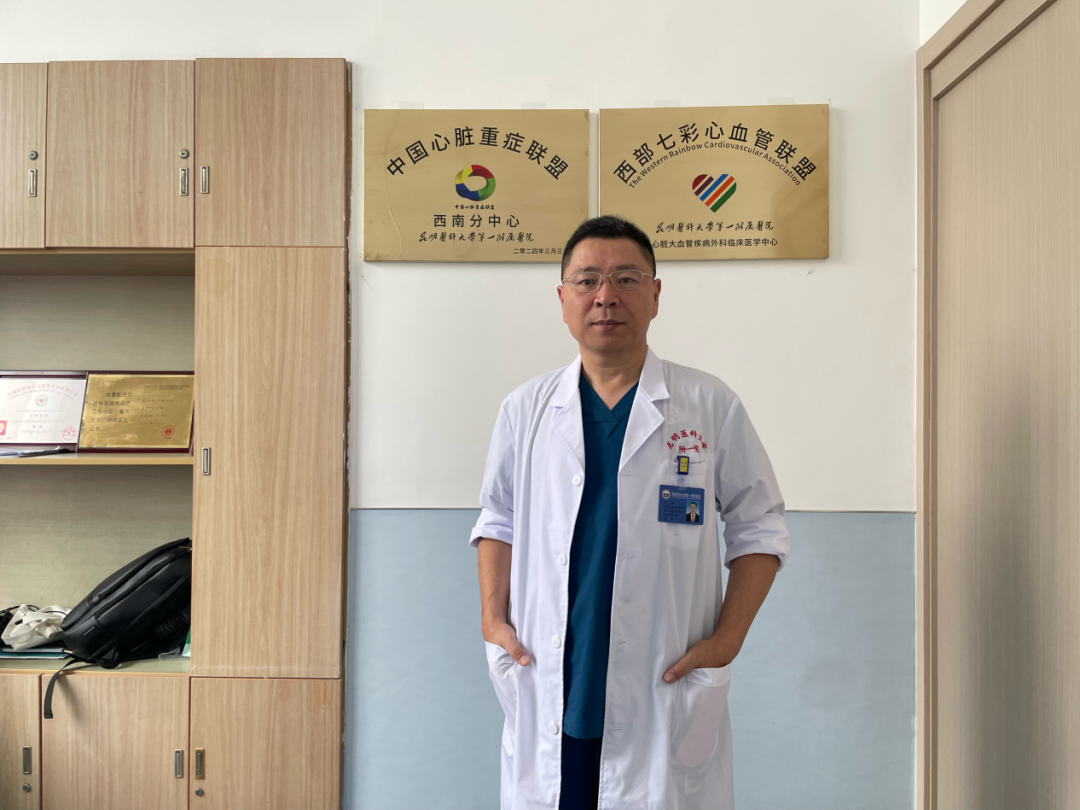
Fig.1 Photo by Wan Feng/Wang Hang
Aspire to a life of free practice
This is not the first time Wan Feng has resigned from a public hospital. Over the past 30 years, he has worked in close to 10 organizations, successively working as the chief of the cardiac surgery department at the former Beijing University of Posts and Telecommunications Hospital (Fuwai Technical Cooperative Hospital), Peking University People's Hospital, Beijing Jian Gong Hospital, and Peking University Third Hospital.
In 2019, Wan Feng left Beijing to become chief of cardiac surgery at East Hospital, where he told MedJ that five years ago, his goal was to bring out another team, create a brand, and start a career at East Hospital.
Today, the number of cardiac surgeries performed by the Department of Cardiac Surgery at East Hospital has risen from less than 200 a year to more than 1,000, with some new techniques and difficult surgeries achieving zero breakthroughs. What's more, he has trained a number of top cardiac surgeons, which has expanded the department's influence nationally and internationally.
“I've trained my successor and team, and I've basically made it to the top with thousands of surgeries a year, and it's hard to have much room for growth due to objective constraints, so I've successfully completed my mission, so I might as well step down early and give the position to a younger person.”
After learning the news that Wan Feng is leaving Shanghai, some peers feel very puzzled: already more than 60 years old, why not in a place to do a solid job, prefer to go around “tossing”?
Wan Feng is not convinced, explaining to MedJ that he prefers the challenging life of a doctor practicing freely to spending decades in the same medical institution.
“I grew up in the hospital, both my parents are doctors, since I was a child I felt that doctors should be freelance, in addition to sitting in the hall and asking questions, but also go out to see people.” After returning from further study abroad, Wan Feng reinforced this choice, “Doctors in Europe and the United States are social beings and can practice freely, while the opposite is true in China, where doctors belong to a unit and can't just move around.”
Therefore, in the past, whenever he went to a public hospital, Wan Feng would negotiate with the director, hoping that he would be allowed to practice freely. During that time, he has also been in and out of public hospitals, formed China's first physician group, founded a specialty hospital, invested in a medical enterprise, and worked as a head of a private medical institution.
As the earliest explorer of free practice for Chinese doctors, Wan Feng's credo in life is “to go wherever he is most needed”. Last year, Wan Feng participated in the first Shanghai-Yunnan Medical Cooperation and Development Summit Forum. After the keynote speech, the director of the First Affiliated Hospital of Kunming Medical University issued an invitation for him to go to Yunnan to support the development of local cardiac surgery.
In recent years, with a number of out-of-province tertiary hospitals to Yunnan to build a branch, the development of cardiothoracic surgery of Kunming Medical University attached to the first hospital has been comprehensively suppressed, not only the department's business volume declined year by year, the talent echelon is incomplete, and even the completion of the number of cases of level IV surgery, minimally invasive surgery and coronary artery surgery, such as the number of cases of the National Examination of the number of indicators have been under pressure.
“The First Affiliated Hospital of Kunming Medical University is a regional medical center and the most invested and largest hospital in Yunnan Province, so it can be said that it is the kingpin medical institution in the area, but now the development of cardiothoracic surgery is lagging behind, and the hospital is very anxious.”
Wan Feng said that although he retired, but still can not be idle, want to do something, coupled with policy support and other factors, which finally accepted the invitation of the Yunnan hospital side, to open his last career in public hospitals.
What can the "Chief Instructor of Coronary Surgery in China" bring to Yunnan?
After coming to the First Affiliated Hospital of Kunming Medical University, Wan Feng was very clear about his mission: first of all, to do business, to bring out a strong cardiovascular surgical team, and ultimately, to make the hospital's cardiology and surgery work perfectly together, so that the center can become a leading cardiac surgery center in Yunnan and a first-class one in China.
“One, within 2 years, the number of cardiac surgeries should be increased from 300-400 cases now to more than 1,000 cases, and break through 2,000 cases within 5 years; two, I want to be the first in the province in terms of subspecialties, such as minimally invasive coronary artery bypass grafting surgery should definitely surpass other hospitals in the province; three, from minimally invasive coronary artery treatments to the surgical treatments of heart failure, I also want to do some innovative projects, and the The technology should be leading in the province.”
With the Center for Cardiac Macrovascular Surgery at the First Affiliated Hospital of Kunming Medical University as the core, Wan Feng hopes to establish a chain of medical groups or medical associations to support the overall development of cardiovascular medicine in hospitals in cities and towns across the province, and even in the southwest.
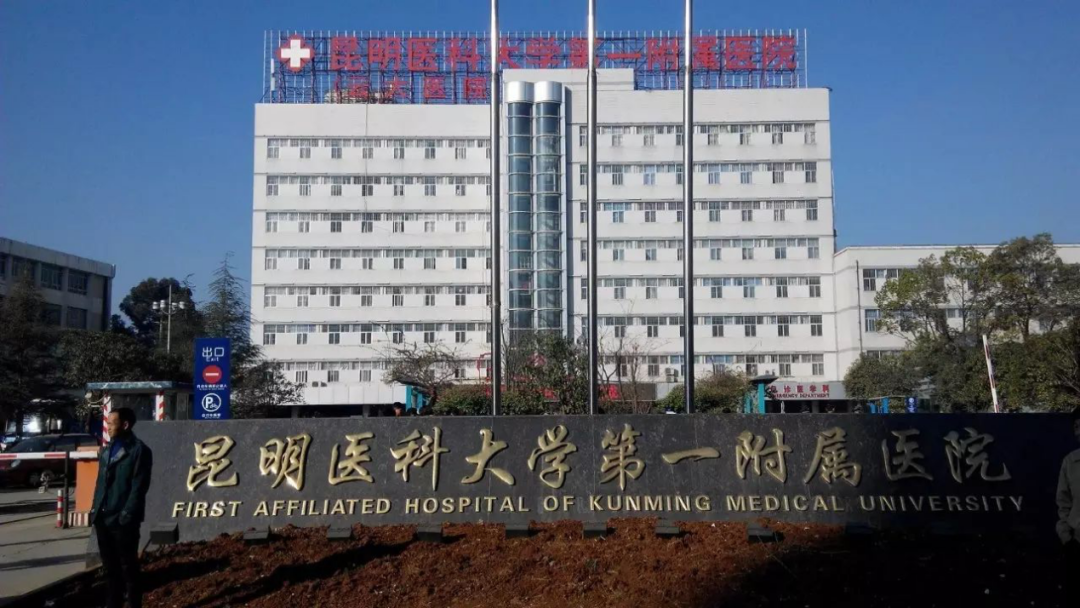
Fig.2 Wanfeng New Unit
Wan Feng is confident about these missions. In the 1980s, after launching his career in the Department of Cardiothoracic Surgery at Fu Wai Hospital of the Chinese Academy of Medical Sciences, he went to Europe and the United States to study and train at the University of Paris XII Medical School in France, Yale University School of Medicine in the U.S., and St. Vincent's Medical Center in the U.S., accumulating advanced cardiothoracic surgical techniques.
After returning from his studies, Wan Feng worked as the chief of cardiac surgery at the Beijing University of Posts and Telecommunications Hospital (Fu Wai Technical Cooperation Hospital). After taking office, the department was able to do more than 200 cardiac surgeries per year, and certain clinical minimally invasive techniques were even carried out earlier than those in Fuwai and Anzhen Hospitals, and he attracted the attention of his peers as a result.
Thereafter, Wan Feng was invited to join the People's Hospital of Peking University and the Third Hospital of Peking University, where he served as department head for 10 years each. On the platform of the top tertiary hospitals in China, he built up the technology, reputation, and management mechanism of cardiothoracic surgery and trained a large number of cardiothoracic surgical talents for Peking University.
Thanks to his outstanding achievements in the field of cardiac surgery, Wan was once hailed as a “pioneer of beating heart surgery” by the Wall Street Journal and was honored as a “foreign member” of the French National Academy of Surgery in 2013.
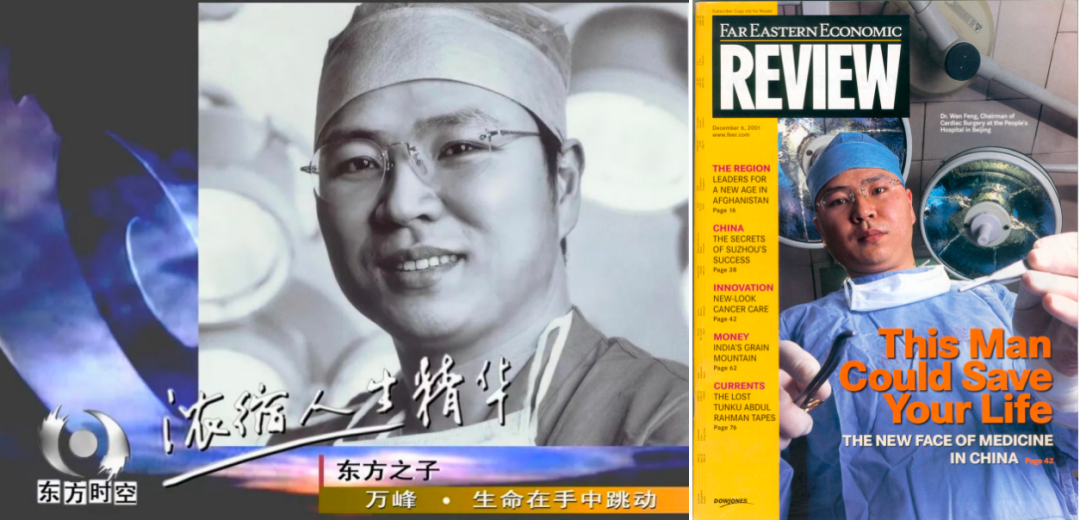
Fig.3 Wanfeng has been widely reported by Chinese and foreign media
To date, he is still the expert with the highest number of heart surgery cases in China, having completed nearly 20,000 heart surgeries, mainly coronary artery bypass grafting, and created more than 10 “China's firsts”: China's first laser myocardial revascularization, minimally invasive coronary bypass grafting of a non-corporeal beating heart, and the first biventricular assist device implantation in an artificial heart. implantation; China's first coronary artery bypass graft + left ventricular assist device (L-VAD) implantation ......
Even though he has top clinical skills, Wan Feng has never been stingy in teaching others. 2001, when he was still working at the People's Hospital of Peking University, Wan Feng founded a training course on non-corporeal circulation beating heart coronary artery bypass grafting, which is known as the “Whampoa Military Academy of Cardiac Surgery” and has been held for 35 times, and many of his students and trainees have become well-known experts in the field of cardiac surgery in China. His disciples and many trainees have become well-known experts in the field of cardiac surgery in China.
It is also because of Wan Feng such as “China's chief instructor of coronary surgery”, China's cardiac surgery talent training echelon can be perfected, “from my training course out of the cardiac surgeons all over the country in major hospitals, many of them are now the director of the hospital, professor, there are many students are growing! , or have retired.”
After coming to the First Affiliated Hospital of Kunming Medical University, Wan Feng brought the coronary artery bypass grafting training course to the past, and held the “First Minimally Invasive Coronary Artery Bypass Grafting Training Course of the Western Colorful Cardiovascular Alliance” on May 30-31 this year, which attracted 36 cardiac surgeons from the hospitals of various cities and towns in Yunnan, as well as from the provinces of Chongqing, Sichuan, Hunan, Henan, and Guizhou to participate in. The course attracted 36 cardiac surgeons from hospitals in Yunnan and provinces such as Chongqing, Sichuan, Hunan, Henan and Guizhou.
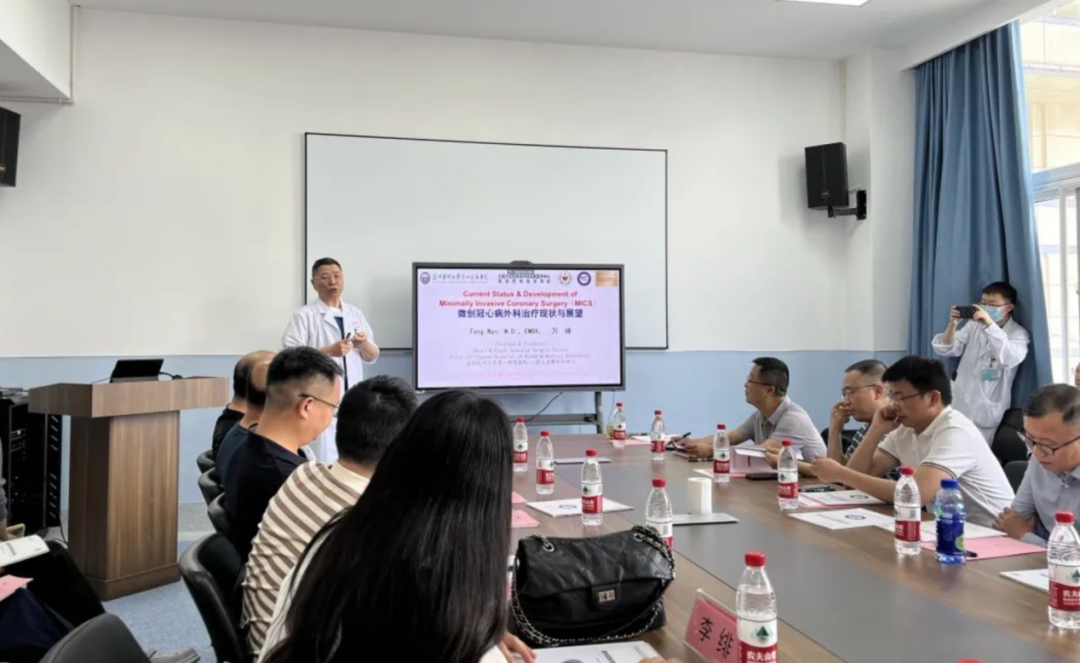
Fig.4 Wan Feng trains trainees in cardiac surgery techniques
In front of many doctors, Wan Feng personally demonstrated the technical process of “non-stop coronary artery bypass grafting surgery” and the operation experience of anastomosis “Wan's suture”, and provided one-on-one guidance and training for the trainees.
One of the doctors told MedJ that due to technical constraints and other reasons, there are a large number of cardiovascular patients with unmet treatment needs at the grassroots level, while the grassroots cardiac surgeons have few opportunities for further training and learning, “Director Wan Feng teaches us the latest technology without reservation, and we will be able to do such difficult surgeries right at home in future. difficult surgeries, which is good for both doctors and patients.”
In order to let the young doctors of Chinese cardiovascular surgery grow up quickly, in addition to the training courses, Wan Feng also deliberately recorded his multiple surgical procedures and published them in the form of CD-ROMs. Some students joked when they learned about it, “Director, you can't put such wonderful things in there, we followed you for so many years of hard work to learn the techniques, but you made them all public without reservation.”
Wan Feng hopes that the training cycle for cardiovascular surgeons in China can be reduced from 10 years to 2-3 years, and that not only head hospitals will be able to do it, but also doctors in grass-roots county hospitals in Southwest China will be able to master cutting-edge cardiac surgery techniques.
A "mirror", a "target", a "flag"
After coming to Yunnan, Wan Feng spent only 3 months to complete nearly 100 cases of non-corporeal circulation beating heart coronary artery bypass grafting and ultra-difficult heart surgeries as well as Yunnan's first “artificial heart” implantation in the First Affiliated Hospital of Kunming University of Medical Science and Technology (KUMS). In the past, this would have required a much longer and more costly investment by the hospital.
“In terms of the number of surgical cases, new technologies and new projects, cardiac surgery here has a lot of room for development, and I will try to build a cardiovascular surgery center for the region and train a medical team that can't be taken away.”
In addition to the First Affiliated Hospital of Kunming Medical University, Wan Feng also intends to empower the cardiac centers of a dozen hospitals in Yunnan's cities and states, so that these hospitals can also fulfill the national examination target of 50 cardiac bypass surgeries, and at the same time bring the surgical treatment of coronary artery disease and heart failure as a routine and standardized technology to various hospitals, and even radiate to Southeast Asia, so as to contribute to the establishment of a “national medical system Contribute to the establishment of the “national medical system”.
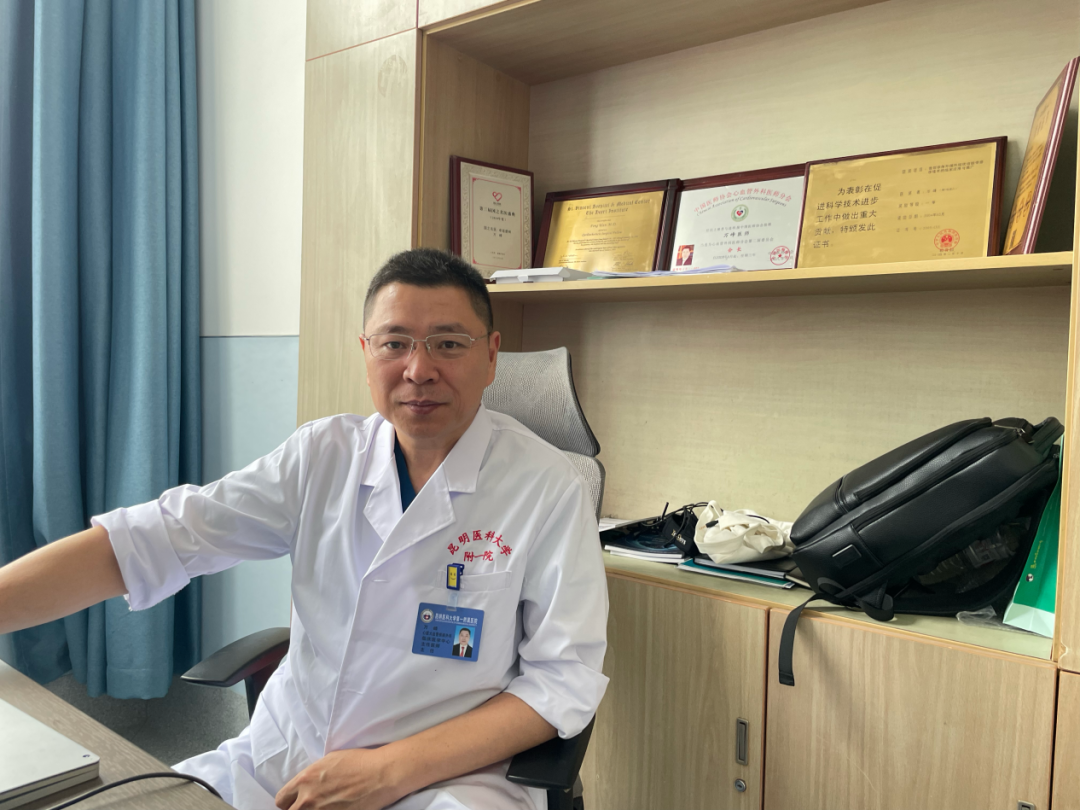
Fig.5 Photo by Wan Feng/Wang Hang
However, after working in the new environment for a few months, Wan Feng also had new troubles, “When I was introduced, the hospital hoped that I would bring the team along with me, at least 4-6 people, but after I came, by the time other people wanted to be introduced, all kinds of rules and regulations stuck people, so in the end, there were only two people who came with me.”
For example, an anesthesiologist who has been following Wan Feng for a long time to do surgery, although retired, but if you want to enter the hospital, you need to retrace the process of written tests, interviews, etc., which formed a big contrast when Wan Feng joined the hospital in Shanghai, “I agreed to go to Shanghai that year, and on the next day the director of the human resources department of the hospital came to me with a white lab coat, badges and office keys, and other people want to come over. Going on contract can be done quickly.”
“Anesthesiologists have traveled with me to all the major hospitals in the country, to any place to do surgery without a problem, everyone is very respectful, as a result, now come in and have to take the test, he is willing to take the test I will not let him take the test.”
Wan Feng introduced, in order to solve this problem, anesthesiologists will handle the practice in another partner hospital, wait until this side of the surgical needs, he then invited in the name of the center, arranged for its multi-point practice, and finally in the name of Wan Feng personal name to send the labor fee.
He also found that, from clinical to administrative staff, many people like to say: “Our hospital in the past is the rules”, this sentence makes Wan Feng uncomfortable, he emphasized to the “medical profession”, “innovation and development is not to break the old rules? The old rules are not broken? Isn't the reason I was invited here to make a change? If the hospital's past rules were all good, then why do I need to come here?”
There are also hospital staff who say, “We are conservative and slow in remote areas of the southwest, so please don't be anxious.” Wan Feng thought to himself, “Slow or backward work can be changed, so why should he be ‘not ashamed but honored’ and use it as an excuse and a reason for inaction?” He has also emphasized with the hospital many times that only when all the support policies are in place can all the tasks he has promised for the development of the discipline be accomplished.
For this reason, Wan Feng first jokingly referred to himself as a “mirror”.
“For medical, scientific and technological crowd, the government gives university hospitals a lot of policy support, encourage innovation and development, break the routine, a matter of discussion, special affairs, but in the end can not be implemented? I am a mirror, if even I have a strong sense of disparity, not to mention other people, means that there is still a big gap between the policy and reality here.”
Secondly, Wan Feng also compared himself to a “target”. He explained to the “medical profession”, he as a foreign academician and the main committee-level experts were introduced to Yunnan full-time, will change many old rules, touching the vested interests of some people, once the original balance is broken, it is inevitable that people do not hold a grudge.
“After becoming a thorn in the side of others, you will be staring at you every day, treating you as a target, as long as there is something wrong with what is said and done, some people will 'shoot' at you in an attempt to 'beat' you down, and then wait to to see you joke, see the policy joke.”
However, Wan Feng said, he is willing to do this “target”, but after being a “target”, he hopes to become a “flag”.
“I hope to play a leading role as a flag to train more young doctors to grow while also attracting more specialists to Yunnan, a change of environment, a unit, a mood and a way of life, and then bring out a team and make a new career.”

