


Psoriasis is a chronic, relapsing inflammatory skin disease. Patients with moderate-to-severe disease often require long-term systemic therapy. As biologics have become more widely used, treatment goals have shifted from skin clearance alone toward comprehensive, long-term, safe disease management. Patients with concurrent chronic infectious diseases, however, remain a clinical challenge — particularly those with chronic hepatitis B virus (HBV) infection, in whom reactivation risk narrows the choice of systemic agents [1].
Tumor necrosis factor-α (TNF-α) plays an important role in suppressing viral replication, so TNF-α inhibitors can increase the risk of HBV reactivation [2,3]. In contrast, more selective novel biologics may offer a better safety profile in patients with psoriasis and chronic HBV. However, because most psoriasis clinical trials exclude chronic HBV infection, treatment data in this population remain scarce. In 2022, JAAD Case Reports published a case series [1] of three patients with plaque psoriasis and chronic HBV, each treated with a different IL-23p19 inhibitor. The series systematically evaluated efficacy and safety, providing valuable clinical evidence for treatment decisions in this special population.
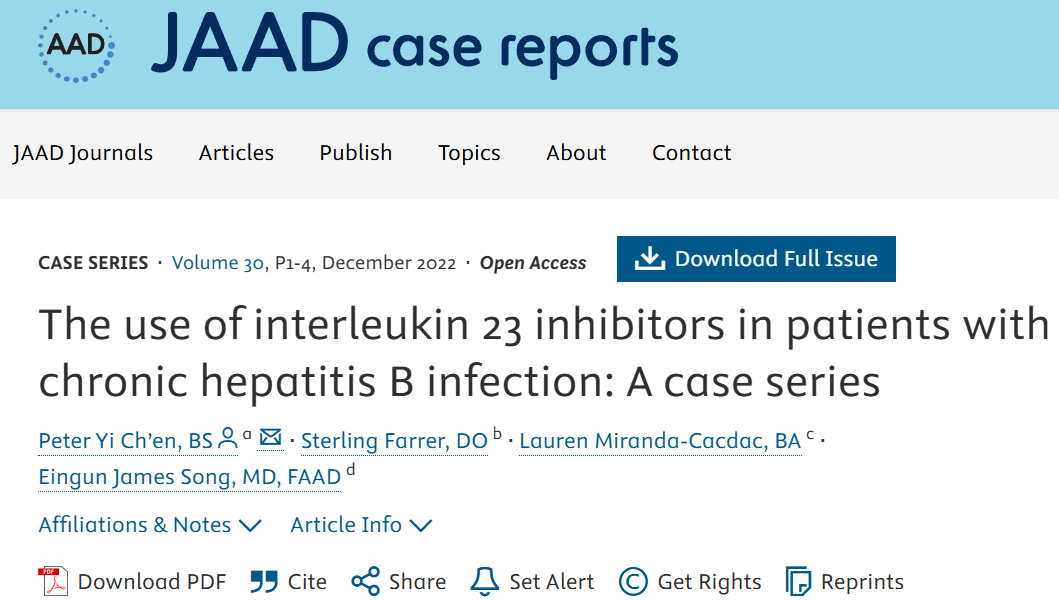 Fig. 1. Use of IL-23 Inhibitors in Chronic Hepatitis B Patients: Case Series
Expert Profile: Prof. Lin Li

• Doctor of Medicine (MD), Associate Chief Physician
• Committee Member, Dermatology Branch, Chinese Elderly Health Care Medicine Research Association
• Committee Member, Psoriasis and Immune-Mediated Dermatologic Disease Committee, Sichuan Provincial Association of Chinese Medicine Information
• Committee Member, Dermatovenereology Prevention and Treatment Branch, Sichuan Provincial Preventive Medicine Association
• Vice Chair, Youth Committee of Dermatovenereology, Sichuan Provincial Medical Association
• Committee Member, Psoriasis Specialty Committee, Sichuan Provincial Medical Association
• Principal investigator on 5 grants including a National Natural Science Foundation of China project and provincial/municipal-level projects; first author of more than 20 academic papers, including more than 10 SCI-indexed papers; recipient of 11 Sichuan Provincial and Chengdu Municipal Medical Science and Technology Awards
Tildrakizumab in Psoriasis with HBV Infection: Safe and Effective
A 62-year-old Vietnamese man presented with severe generalized plaque psoriasis, with lesions mainly on the arms, legs and trunk. He had previously used topical glucocorticoids; phototherapy was not available due to insurance constraints, and improvement was inadequate.
At baseline, body surface area (BSA) involvement was 50% and Physician’s Global Assessment (PGA) was 4. Baseline labs showed HBsAg and anti-HBc IgG positive, anti-HBs negative, HBV DNA 1.301 log10 IU/mL. Liver function was normal (AST 19 IU/L, ALT 17 IU/L). After an induction dose, the patient received tildrakizumab 100 mg subcutaneously every 12 weeks, with prophylactic entecavir 0.5 mg daily.
By week 17, the patient had achieved complete skin clearance, which was sustained to week 42. At week 46, lab values remained within normal limits and HBV DNA was undetectable.
Other IL-23 Inhibitors in Psoriasis with HBV Infection
A 14-year-old Guatemalan woman presented with severe generalized plaque psoriasis involving the scalp, forehead, elbows, abdomen and lower legs. She had previously received super-high-potency topical glucocorticoids, methotrexate and ustekinumab, with inadequate improvement.
At baseline, BSA was 7% and PGA 3. Prior tests showed HBsAg and IgG antibody positivity, with baseline HBV DNA at 1.5 log10 IU/mL. Liver function showed normal AST (36 IU/L) and mildly elevated ALT (59 IU/L). Based on additional testing, the patient was classified as a chronic inactive HBV carrier.
After 28 weeks on ustekinumab, response was suboptimal (scalp BSA 3%, PGA 3). She was switched to guselkumab, combined with entecavir 0.5 mg daily. After 36 weeks, BSA had dropped to 2% and PGA to 2. Mild transaminase elevation persisted (ALT 71 IU/L, AST 80 IU/L), but HBV DNA remained at low levels. After 39 weeks she was switched to ixekizumab, ultimately reaching PGA 0. At long-term follow-up through week 114, transaminases had normalized and HBV DNA was undetectable.
A 49-year-old Chinese man presented with severe plaque psoriasis involving the scalp, elbows, arms, abdomen and knees. He had previously used ketoconazole shampoo, super-high-potency topical glucocorticoids and phototherapy, with poor response.
At baseline, BSA was 6% and PGA 4. Labs showed HBsAg and anti-HBc IgG positive, anti-HBs negative, and viral load below the lower limit of detection. Transaminases were mildly elevated (AST 65 IU/L, ALT 92 IU/L), attributed to non-alcoholic fatty liver disease. After consultation with gastroenterology, the patient received risankizumab 150 mg subcutaneously every 12 weeks, combined with entecavir 0.5 mg daily.
At week 28, the patient had reached PGA 0. By week 70, liver function had normalized (AST 35 IU/L, ALT 56 IU/L) and HBV DNA was undetectable.
Discussion and Summary
This case series systematically reports the use of IL-23p19 inhibitors — exemplified by tildrakizumab — in psoriasis patients with chronic HBV. Across cumulative follow-up of 173 weeks, all three patients achieved varying degrees of improvement; the patient on tildrakizumab achieved complete skin clearance. Importantly, no patient experienced HBV reactivation or meaningful worsening of liver function, suggesting that targeting the IL-23p19 pathway may combine efficacy with safety in this special population. Notably, the tildrakizumab-treated patient, who started with BSA as high as 50%, still achieved complete skin clearance — suggesting that the drug retains meaningful efficacy even in severe disease.
From an immunological standpoint, HBV reactivation occurs when host antiviral immunity is suppressed, allowing viral replication to resume. TNF-α, a key innate-immunity cytokine, contributes directly to antiviral defense by promoting degradation of HBV cccDNA, so blocking the TNF-α pathway significantly increases reactivation risk. IL-12 and IL-23 both belong to the IL-12 family and share the p40 subunit, but have different functions: IL-12 mainly mediates Th1 responses central to clearing intracellular pathogens, while IL-23 mainly mediates Th17 responses and is implicated in psoriatic inflammation. Ustekinumab targets the IL-12/23 p40 subunit and inhibits both pathways, theoretically weakening antiviral immunity; IL-23 inhibitors such as tildrakizumab block only the IL-23 pathway and do not interfere with IL-12-mediated antiviral immunity, so the theoretical risk of HBV reactivation is lower.
Limitations of this series include the small sample size; in addition, all three patients were chronic inactive HBV carriers — by definition a lower reactivation-risk group. Nonetheless, the findings are clinically informative. For plaque psoriasis patients with chronic HBV, tildrakizumab may be a relatively safe systemic option when combined with adequate prophylactic antiviral therapy. Larger studies are needed to confirm this conclusion and to provide more robust evidence for biologic selection in this special population.
Case Share: Psoriasis with Hepatitis B and Tuberculosis History Achieves Deep Clearance on Tildrakizumab
Case Overview
A 52-year-old man presented with a more than 20-year history of recurrent erythema, papules, plaques and scaling with itching on the scalp, face, trunk and limbs. The lesions had appeared spontaneously, with marked scaling, itching and gradual progression, and no joint pain. Previous treatments included oral levocetirizine and topical desonide cream and a “seven-inch” psoriasis cream, with poor results. The patient had a history of hepatitis B (diagnosed in 1997, on long-term oral entecavir) and tuberculosis (diagnosed in 2022, advised to undergo concurrent anti-TB treatment at a specialty hospital). At his initial visit on November 29, 2024, his PASI was 7.3, BSA 7.1% and DLQI 23.
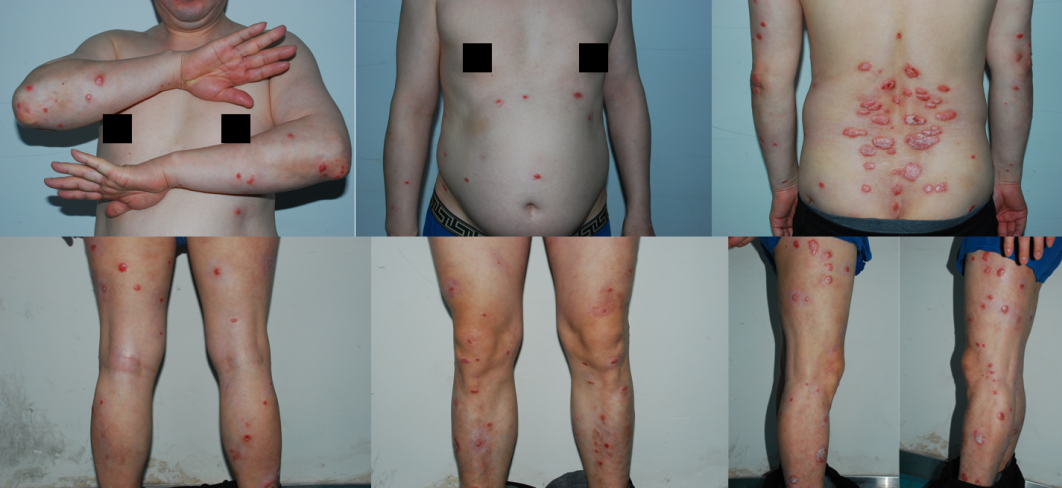 Fig. 2. November 29, 2024, before tildrakizumab
Treatment Plan
After a full discussion of the potential infection-related risks of biologic therapy, the patient provided informed consent. Following relevant investigations and exclusion of contraindications, tildrakizumab 100 mg was initiated (one dose at week 0 and one at week 4, then once every 12 weeks).
Efficacy Observation
After starting tildrakizumab, the patient’s skin lesions improved progressively. At follow-up on January 3, 2025, PASI was 4.2, BSA 7.1% and DLQI 16. By July 4, 2025, erythema, plaques and scaling had substantially resolved, with marked improvement in itching and quality of life: PASI 0.1, BSA 0.1%, DLQI 0. Safety was favorable throughout follow-up, with no tuberculosis reactivation or HBV reactivation.
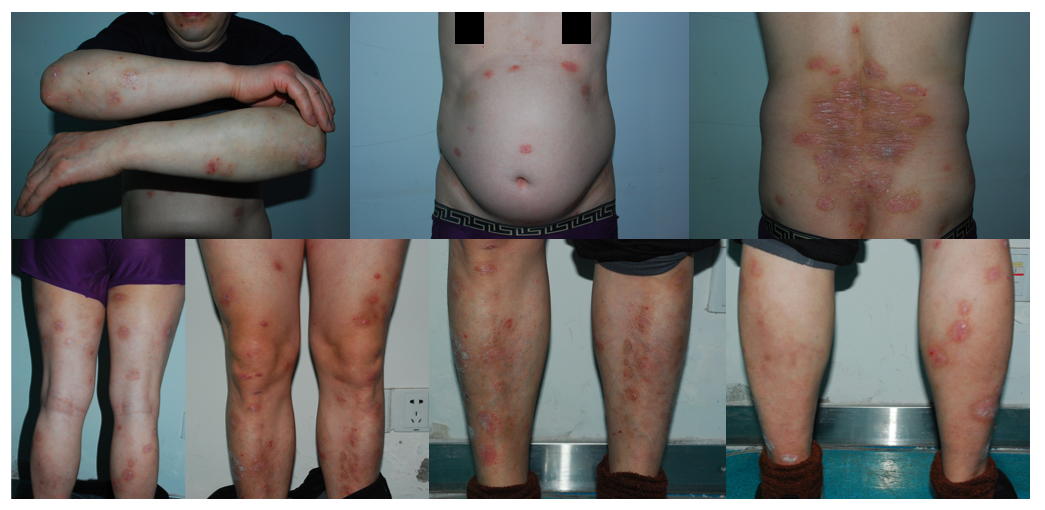 Fig. 3. January 3, 2025, one month after tildrakizumab
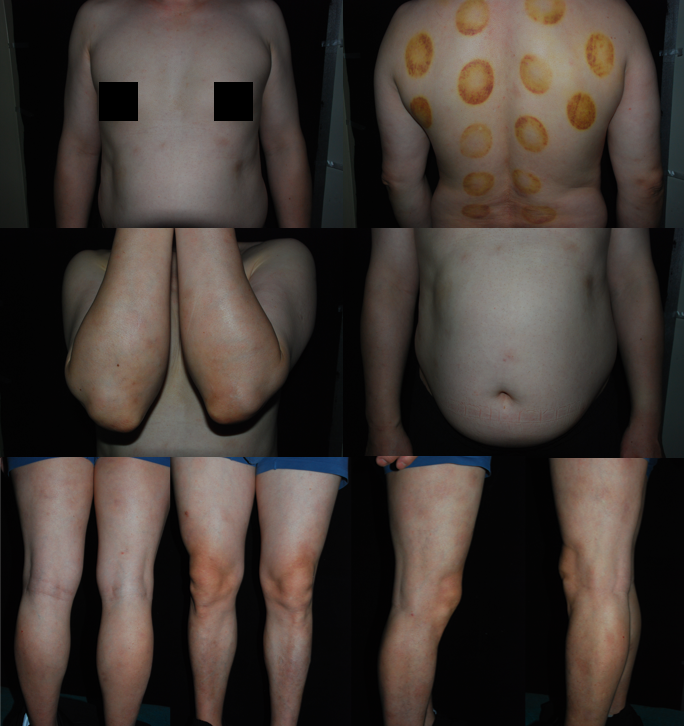 Fig. 4. July 4, 2025, seven months after tildrakizumab
Case Summary
This patient had a disease course of more than 20 years, had failed conventional therapies, and had a history of HBV and tuberculosis — a profile in which infection risk warrants particular attention during biologic therapy. After approximately 7 months of tildrakizumab 100 mg, he achieved deep skin clearance and substantial quality-of-life improvement, with no infection-related adverse events during treatment. The case suggests that tildrakizumab can produce meaningful skin clearance even in patients with complex infection histories, with controllable infection risk, and provides a practical reference for its use in high-infection-risk populations.
References
[1] Ch’en PY, Farrer S, Miranda-Cacdac L, et al. The use of interleukin 23 inhibitors in patients with chronic hepatitis B infection: A case series. JAAD Case Rep. 2022 Oct 4;30:1–4.
[2] Kaushik SB, Lebwohl MG. Psoriasis: which therapy for which patient: focus on special populations and chronic infections. J Am Acad Dermatol. 2019;80(1):43–53.
[3] Abramson A, Menter A, Perrillo R. Psoriasis, hepatitis B, and the tumor necrosis factor-alpha inhibitory agents: a review and recommendations for management. J Am Acad Dermatol. 2012;67(6):1349–1361.

