


The 7th Taishan Award ceremony was held on August 9, 2026 in Shanghai, recognizing eight recipients across seven categories for contributions to medicine in China. Awardees include Prof. Youlin Qiao (cervical cancer screening), Prof. Xiaofeng Zeng (rheumatology), Prof. Feng Zhang of MIT (CRISPR), Prof. Yilong Wu (lung cancer targeted therapy), Eli Lilly's tirzepatide, Siemens Healthineers' 7T MRI Terra.X, Prof. Yilai Shu (hereditary deafness gene therapy), and Prof. Ben Lv (sepsis).
The Taishan Award - Discovering the Light of Chinese Medicine
On August 9, 2026, the "2026 Yixuejie Value-Based Healthcare Conference and the 7th Taishan Award Ceremony" was held in Yangpu District, Shanghai.
The conference brought together Junbo Ge (Academician of the Chinese Academy of Sciences [CAS] and Founding Director-General of the Taishan Award Governing Council), Kaixian Chen (CAS Academician), Xianjun Xiong (Former Director-General of the Department of Pharmaceutical Service Management at the National Healthcare Security Administration), Yanfeng Ge (Researcher at the Development Research Center of the State Council), Minghui Ren (Director of the Peking University Global Health Institute), Jinglei Wu (President of the Shanghai Medical Association), Chunlin Jin (Founding Director-General of the Taishan Award Governing Council and Director of the Shanghai Health Development Research Center), Qirui Chen (Founder of Yixuejie and Initiator of the Taishan Award), and more than 100 experts, scholars, and industry leaders in medicine, pharmaceuticals, and healthcare insurance, along with pharmaceutical and innovation industry executives.
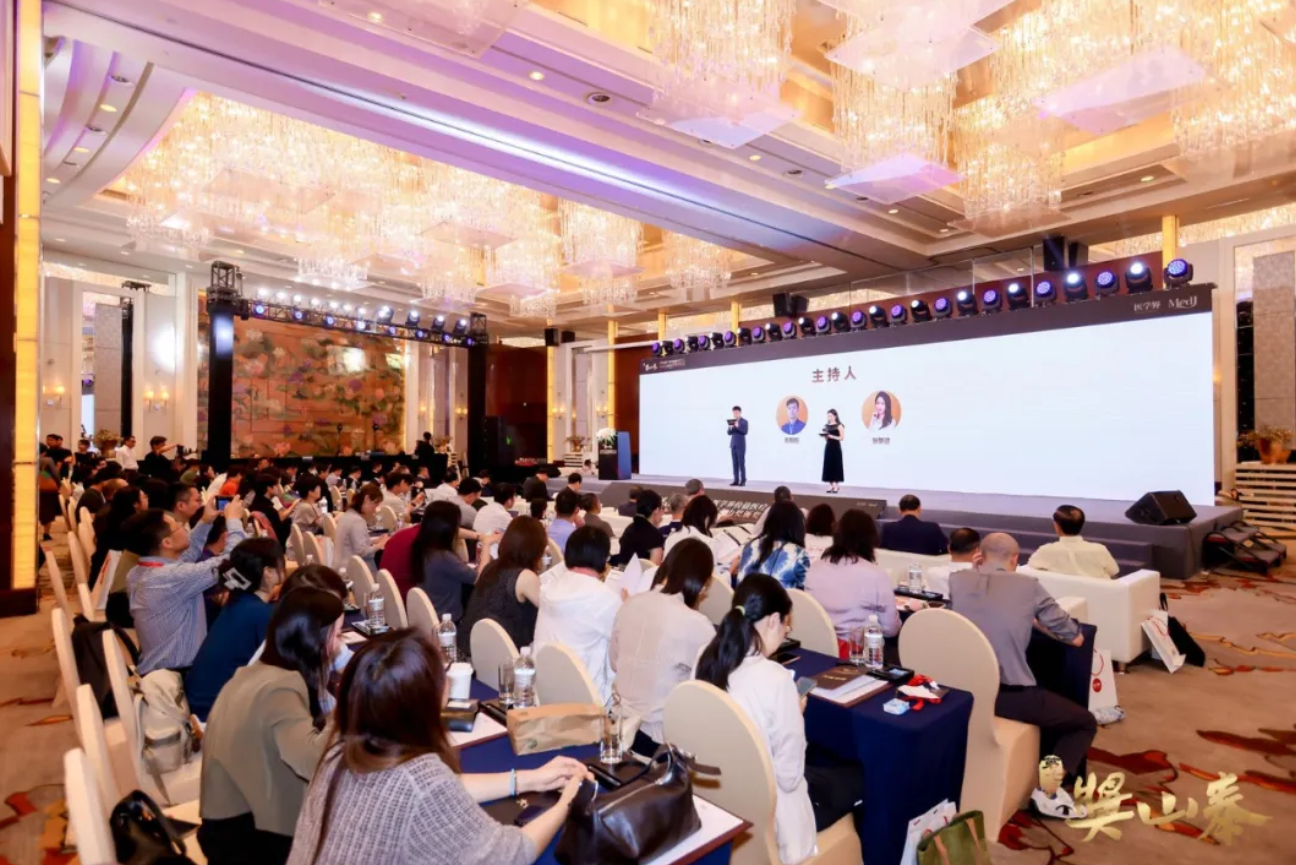
Fig. 1. Taishan Award Ceremony Venue
Established in 2019 by Yixuejie, a leading healthcare media platform in China, the Taishan Award takes its name from the Chinese saying that "the responsibilities of a physician weigh heavier than Mount Tai," and from the spirit of the legendary Taishan Stone, a symbol long associated with dedication, courage, and a pioneering attitude. Over seven years, the award has remained committed to recognizing researchers and practitioners of value-based healthcare in China and to advancing the broader adoption of value-based care.
In his address, Junbo Ge, Founding Director-General of the Taishan Award Governing Council and CAS Academician, noted that value-based healthcare has gradually evolved from a health-economics concept into a shared consensus across stakeholders. Value-based care, he said, requires viewing the "person" as a whole rather than a collection of isolated "diseases" and directing resources toward prevention. It must pursue technological innovation while making sure that innovation reaches patients in a financially sustainable way. Its ultimate goal is enabling patients to "live longer and live better," shifting the focus of healthcare from "disease-centered care" to "people-centered health." Allocating medical resources where they matter most, focusing clinicians' attention on patients, and pursuing the highest-value health outcomes for patients - these, he said, are the essence of value-based healthcare.
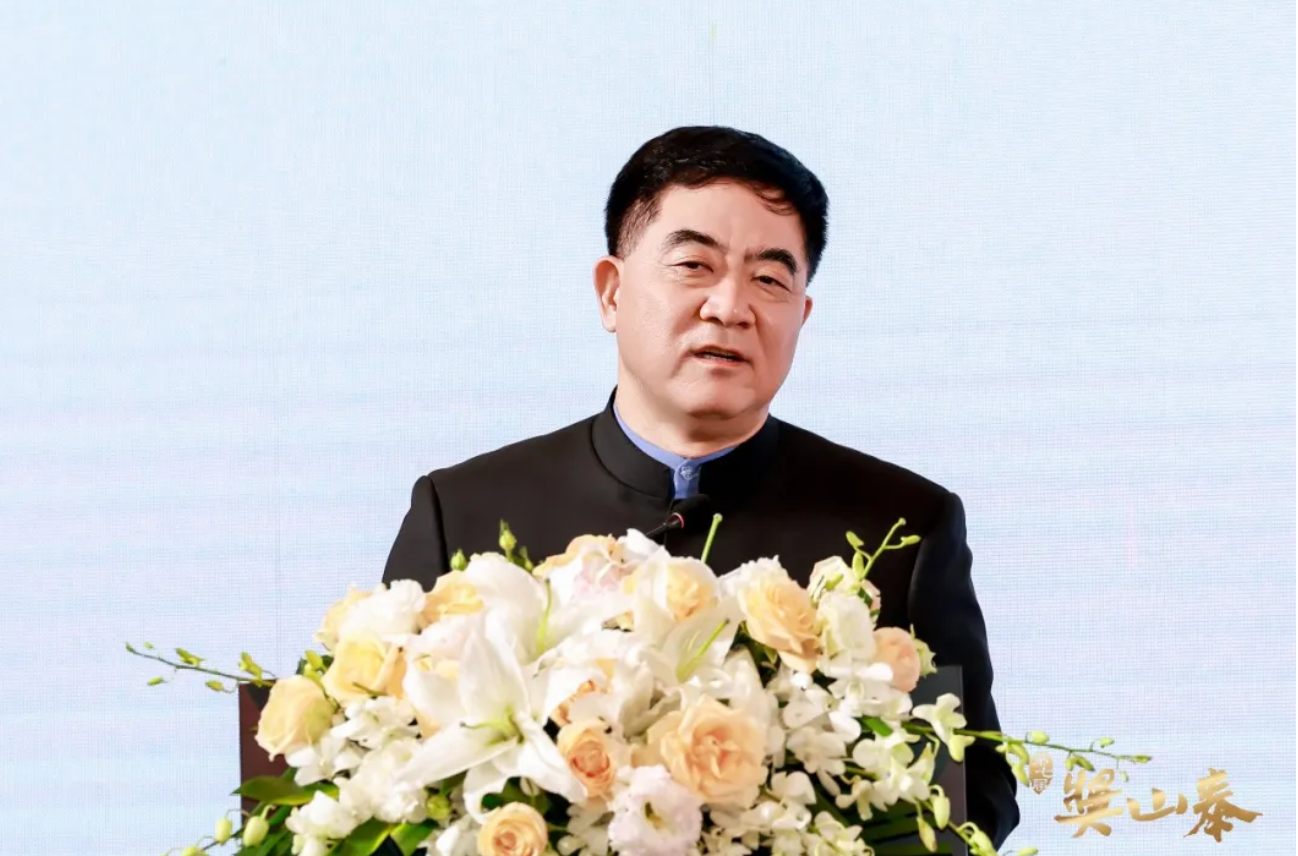 Fig. 2. Junbo Ge, Academician of the Chinese Academy of Sciences
Qirui Chen, Founder of Yixuejie and Initiator of the Taishan Award, reflected on the origins of the award and its seven-year journey. When the award was established in 2019, the team aimed to do something more substantive for value-based healthcare, hence the name "Taishan," inspired by the symbolism of Taishan Stone. Over seven years, the Taishan Award has remained committed to its principle of "seeking truth" and to identifying Chinese exemplars of value-based healthcare with integrity, with the goal of finding "value-based answers to China's healthcare payment challenges" along the dimensions of effectiveness, accessibility, patient experience, and cost control. Chen emphasized that Yixuejie has consistently upheld its founding mission of "serving clinicians and improving healthcare" and remains dedicated to connecting and empowering builders of the healthcare ecosystem, contributing to the high-quality development of China's healthcare sector.
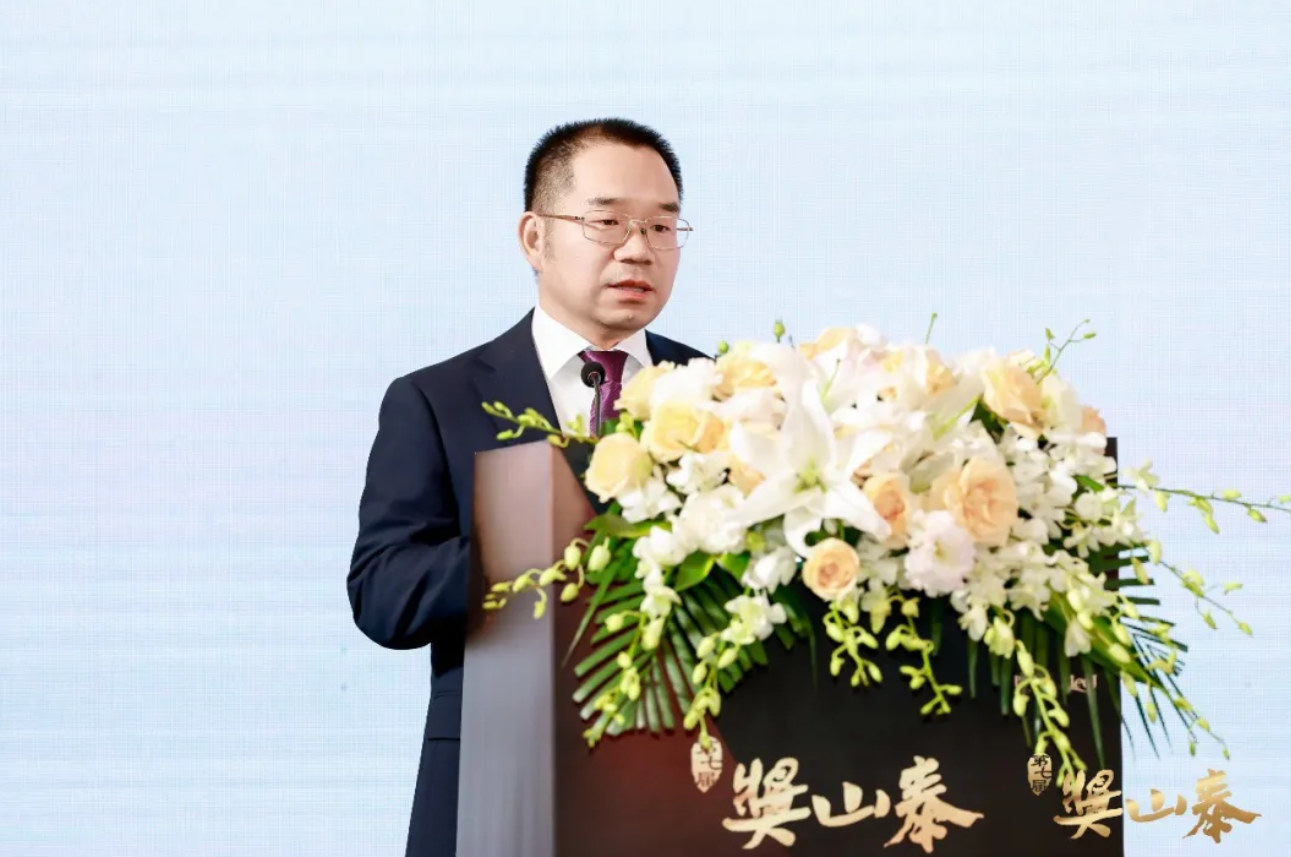 Fig. 3. Qirui Chen, Founder of Yixuejie And Initiator of the Taishan Award
The 7th Taishan Award Winners Announced, Honoring Medicine's Outstanding Contributors
The 7th Taishan Award recognized seven award categories, including the Public Service Award, Medical Innovation Award, Basic Medical Research Award, Clinical Medical Research Award, Drug Breakthrough Award, Medical Device Breakthrough Award, and the Qinzi Young Clinical Research Award (two recipients).
7th Taishan Award - Public Service Award
Recipient: Prof. Youlin Qiao
Affiliation: Chinese Academy of Medical Sciences (CAMS) and Peking Union Medical College (PUMC)
Reason for the award: Led the development of China's only cervical cancer human papillomavirus (HPV) screening method to receive World Health Organization (WHO) prequalification; advanced national cervical cancer screening and the introduction of HPV vaccines in China; and supported inclusion of HPV vaccines in the National Immunization Program, making outstanding contributions to women's health in China.
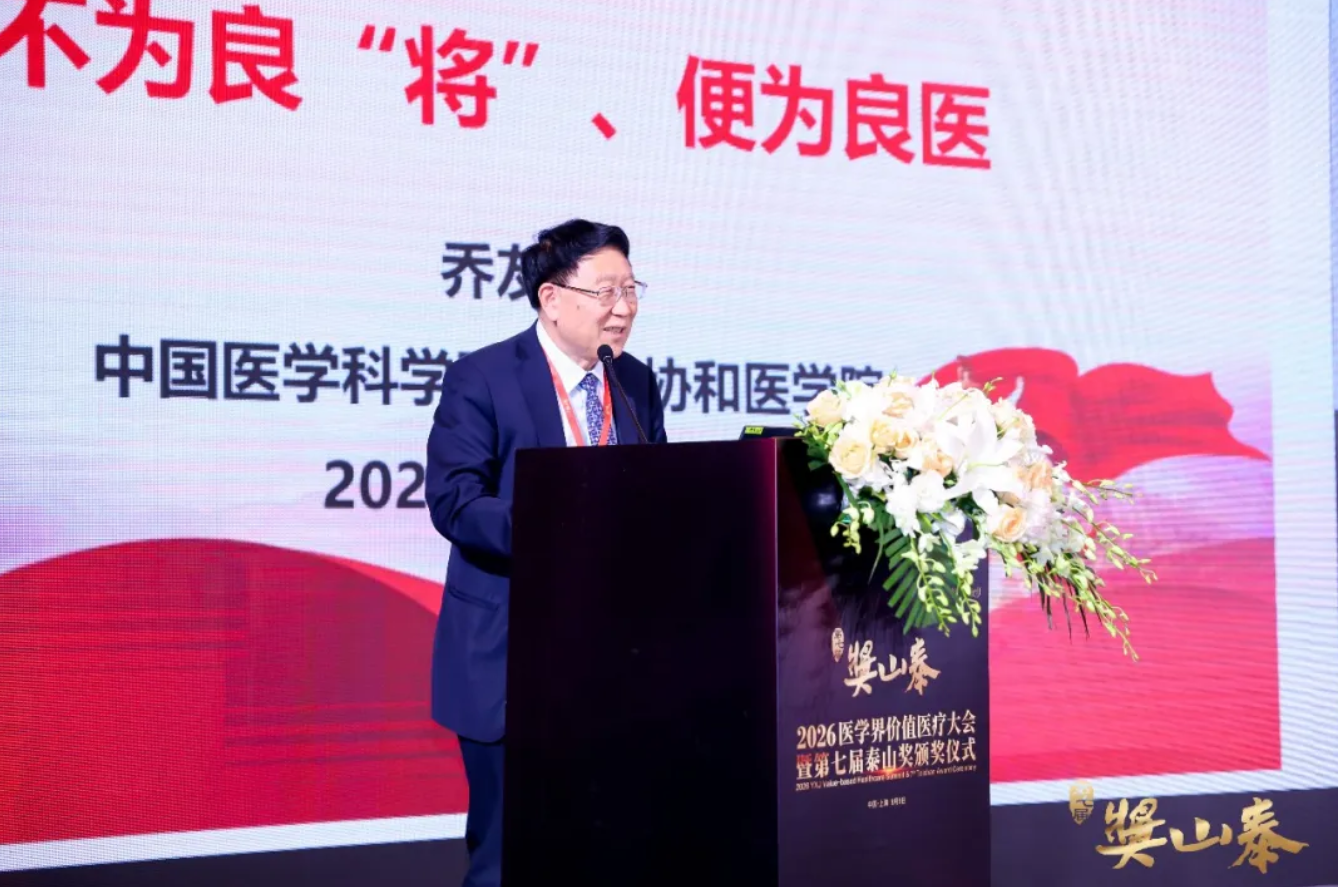 Fig. 4. Prof. Youlin Qiao Delivering His Acceptance Speech.
Prof. Youlin Qiao is an internationally recognized expert in cervical cancer prevention and control. In 1997, he returned to China through the "Cross-Century Discipline Leader" recruitment program at CAMS and PUMC. For nearly three decades since, he has centered his work on screening and vaccination to advance cervical cancer prevention in China.
In 1999, Qiao led a pivotal study of novel cervical cancer screening methods in China, demonstrating that HPV testing achieved a detection rate of 95.2% for cervical cancer and precancerous lesions. This provided essential domestic evidence to support cervical cancer screening in China. He subsequently supported the approval of two imported HPV vaccines and one domestic HPV vaccine in China, and led the clinical research and rollout of a low-cost, rapid HPV screening technology. The technology later received WHO prequalification and has enabled cervical cancer screening to reach remote communities in China and other developing regions.
Since 2019, Qiao has worked to expand vaccine access from the ground up. He facilitated negotiations between Ordos and vaccine manufacturers for pricing concessions, leading to the launch of China's first free HPV vaccination program for middle-school girls in Jungar Banner in 2020. In November 2025, HPV vaccines were formally included in China's National Immunization Program.
Bridging scientific research and public policy, Qiao's work has advanced cervical cancer prevention in China while offering a replicable model for other developing countries and regions. In his acceptance speech, he said: "My lifelong wish has been to be either a good general or a good physician. I have done so and will continue to do so."
7th Taishan Award - Medical Innovation Award
Recipient: Prof. Xiaofeng Zeng
Affiliation: National Clinical Research Center for Dermatologic and Immunologic Diseases
Reason for the award: Established the Chinese Systemic Lupus Erythematosus Treatment and Research Group (CSTAR) and the National Rheumatology Data Center (CRDC); developed evidence-based standards for the diagnosis and treatment of rheumatic and immune diseases; and built a multi-center clinical research system in China, providing a clearer picture of the domestic landscape of these diseases and markedly improving clinical care.
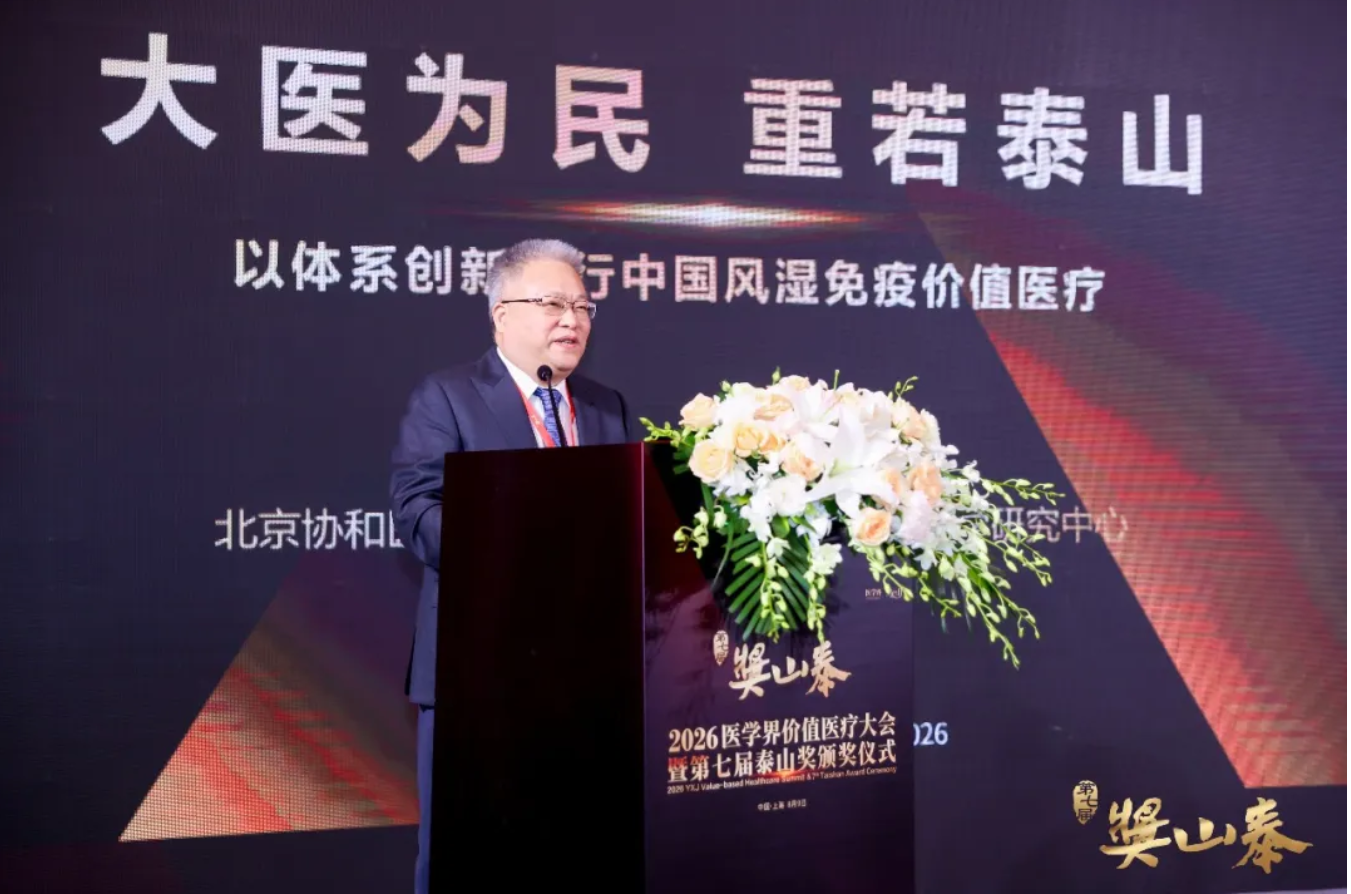 Fig. 5. Prof. Xiaofeng Zeng Delivering His Acceptance Speech
Prof. Xiaofeng Zeng joined the Department of Rheumatology and Immunology at Peking Union Medical College Hospital in 1984 and has spent more than 40 years focused on systemic lupus erythematosus (SLE) and other rheumatic and immune diseases. He was among the first in China to use high-dose intravenous immunoglobulin (IVIG) therapy for SLE and was the first to propose the use of ultrasound in the diagnosis and assessment of rheumatic diseases.
To address the long-standing lack of domestic clinical data on rheumatic and immune diseases in China, Zeng established CSTAR in 2008. In 2011, the program was upgraded into the National Rheumatology Data Center (CRDC). The registry has now accumulated data from more than 460,000 patients.
Drawing on this data platform, the body of evidence supporting Chinese guidelines for rheumatic and immune diseases has gradually shifted from reliance on international data to incorporating findings from Chinese cohort studies. Zeng led the development of the 2020 and 2025 editions of the Chinese Clinical Practice Guidelines for Systemic Lupus Erythematosus, introducing the "treat-to-target" concept to China. According to data highlighted at the ceremony, this work has been associated with a reported increase in 10-year survival among Chinese SLE patients from 50% to 89%, and a 5-year survival rate above 95%. In 2018, Zeng was elected Vice-President of the Asia Pacific League of Associations for Rheumatology (APLAR).
Reflecting on the field's transformation - from having no dedicated department, no robust data, and no clinical guidelines to having patients seen, the discipline recognized, and standards endorsed - Zeng said the progress of rheumatology in China has largely paralleled his career. "Our original aspiration has been to mobilize national expertise to advance clinical and basic research in lupus, and to build a high ground for lupus research in China," he said. "Going forward, we are committed to research that is genuinely sustainable and able to withstand the test of time."
7th Taishan Award - Basic Medical Research Award
Recipient: Prof. Feng Zhang
Affiliation: Massachusetts Institute of Technology (MIT)
Reason for the award: A scientific pioneer whose work spans optogenetics and CRISPR gene editing. He was the first to apply the CRISPR-Cas9 system to precise gene editing in mammalian cells, effectively redefining the language of life with a pair of "molecular scissors."
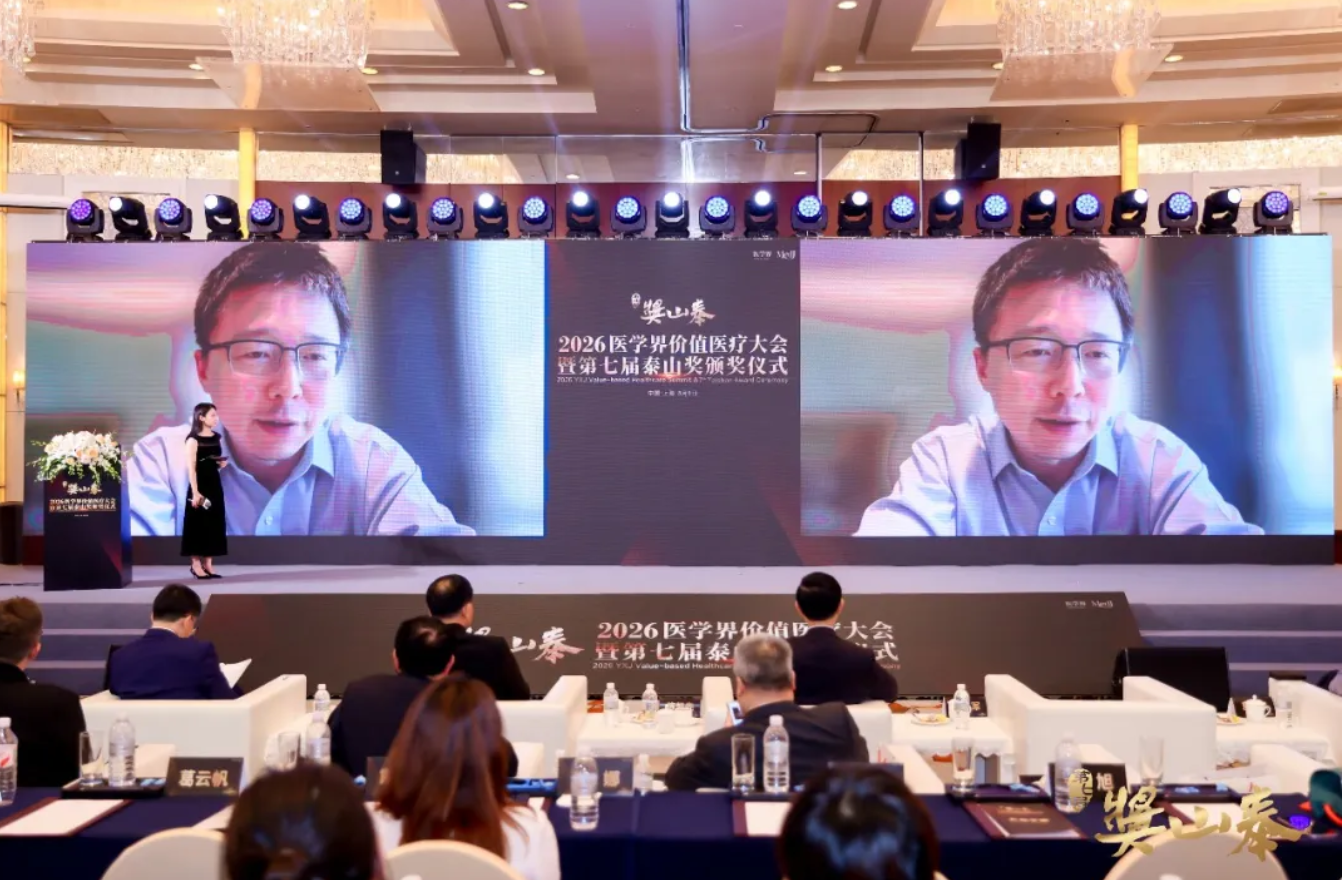 Fig. 6. Prof. Feng Zhang Delivering His Acceptance Speech
Prof. Feng Zhang is a professor at MIT, with affiliations at the Broad Institute and the McGovern Institute for Brain Research. He is a member of the U.S. National Academy of Sciences and has received the U.S. National Medal of Technology and Innovation and the Clarivate Citation Laureates distinction, among other honors. At age 34, he became the youngest Chinese-American tenured professor in MIT's history and is widely recognized as one of the pioneers of the gene-editing field.
In 2013, at the age of 31, Zhang published, as corresponding author in the journal Science, the first demonstration that the CRISPR-Cas9 system can edit the genome with precision and high efficiency in human and mouse cells. The work helped transform gene editing from a specialized technique into a foundational tool accessible to laboratories worldwide, opening the door to a new era of gene-editing therapies.
Following the emergence of CRISPR technology, Zhang chose to share key "genetic tool editing toolkits" free of charge with researchers globally, helping to make the technology widely accessible.
In 2023, the world's first approved CRISPR-Cas9 gene-editing therapy was launched for the treatment of sickle cell disease, building on a strategy that Zhang and his team had proposed as early as 2015. The product illustrates how a basic-science discovery made in the laboratory has been translated into a clinical therapy for patients.
Zhang's pioneering contributions have effectively redefined the discipline of "gene editing." In his acceptance remarks, he expressed appreciation to the Taishan Award Governing Council for the recognition, noting that CRISPR-based gene-editing therapies have already entered clinical use in several diseases - particularly blood disorders - and that the pace of translation from basic research to clinical applications continues to accelerate. He added that he and his team would continue their efforts in this direction.
7th Taishan Award - Clinical Medical Research Award
Recipient: Prof. Yilong Wu
Affiliation: Guangdong Provincial People's Hospital
Reason for the award: Built a comprehensive framework for precision treatment of EGFR mutation-positive lung cancer, helped reshape leading international guidelines including National Comprehensive Cancer Network (NCCN) and European Society for Medical Oncology (ESMO) guidance, and supported the approval of 14 targeted therapies for lung cancer in China.
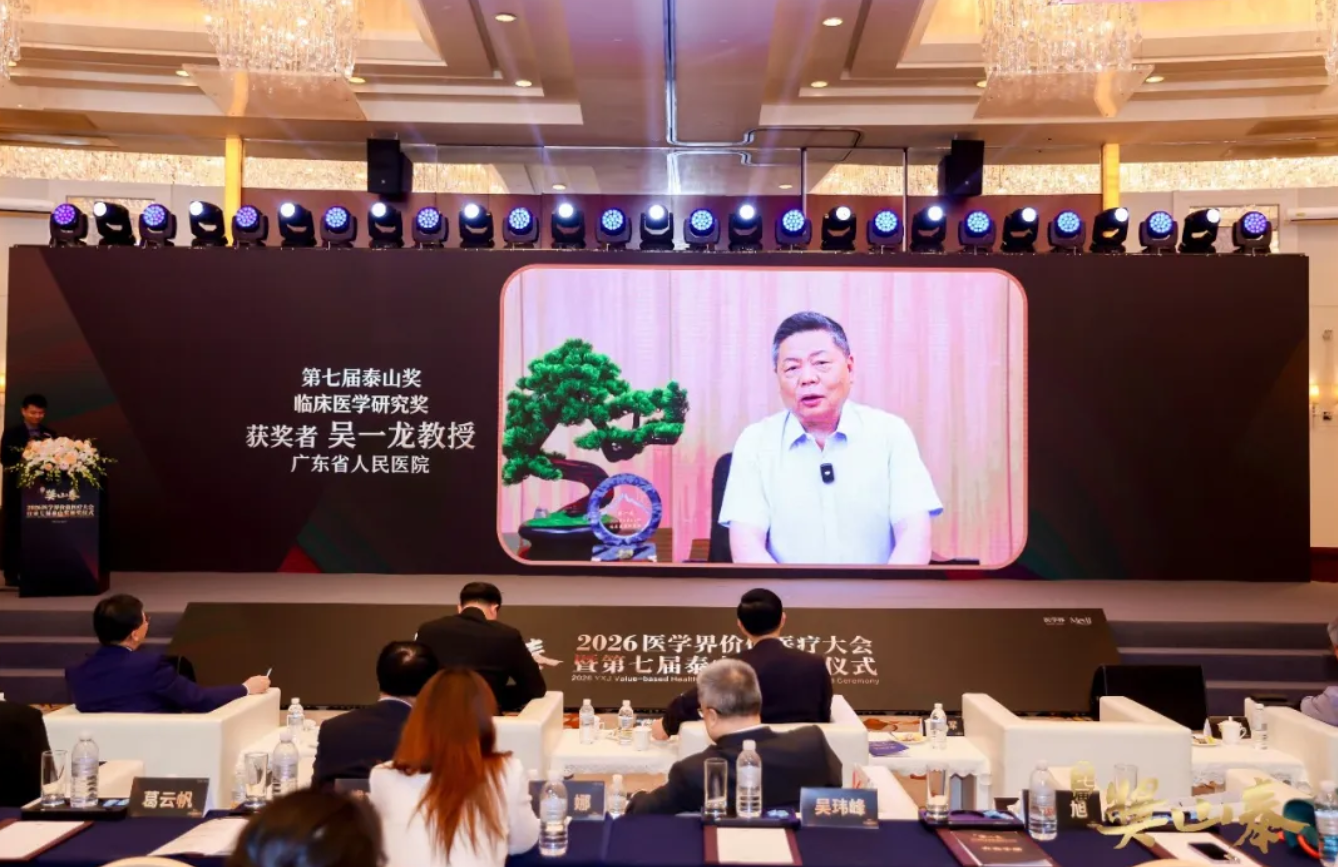 Fig. 7. Prof. Yilong Wu Delivering His Acceptance Speech
Prof. Yilong Wu is an internationally influential figure in the field of precision treatment for lung cancer in China, often described in the field as the "Father of Targeted Therapy in China."
In 2006, Wu joined colleagues from several Asian countries in launching the IRESSA Pan-Asia Study (IPASS). The findings, published in 2009 in The New England Journal of Medicine (NEJM), demonstrated a significant advantage of targeted therapy over traditional chemotherapy, marking the beginning of the era of targeted therapy for lung cancer worldwide. Since then, Wu has supported the approval of 14 targeted therapies for lung cancer in China. In 2015, he received the Distinguished Scientist Award from the International Association for the Study of Lung Cancer (IASLC), becoming the first Chinese scholar to receive this honor.
Over the years, Wu and his team have continued to drive advances in lung cancer precision therapy. The ADAURA study (2020), the ALINA study (2024), and the LIBRETTO-432 study (2026) were published in The New England Journal of Medicine. To date, he has led 16 international clinical trials and more than 110 domestic multi-center clinical trials, with findings incorporated into 27 lung cancer guidelines across 15 countries and regions.
In 2007, Wu co-founded the Chinese Thoracic Oncology Group (CTONG), which has expanded from 11 member institutions to more than 40 and has conducted over 60 clinical trials to date. He has supervised more than 80 master's and doctoral students, and supported the expansion of an in-hospital ward-round model into the nationwide "China Thoracic Oncology Grand Rounds" initiative to support standardized lung cancer care at the grassroots level.
In his acceptance speech, Wu thanked the Taishan Award organizing committee for building a high-level academic platform and expressed gratitude to his research team for their decades of commitment. He noted that his group would continue to be guided by clinical needs as they work to support the further development of oncology in China.
7th Taishan Award - Drug Breakthrough Award
Product: Mounjaro (tirzepatide injection)
Sponsor: Eli Lilly and Company (Eli Lilly)
Reason for the award: Mounjaro is the world's first dual glucose-dependent insulinotropic polypeptide (GIP) and glucagon-like peptide-1 (GLP-1) receptor agonist, which uses a single molecule to co-activate two incretin pathways. According to cited clinical data and the sponsor's submission, the product has helped reshape treatment paradigms for diabetes and obesity and has filled a long-standing therapeutic gap for obesity-related obstructive sleep apnea (OSA). The award recognizes its potential to open a new chapter in metabolic therapy.
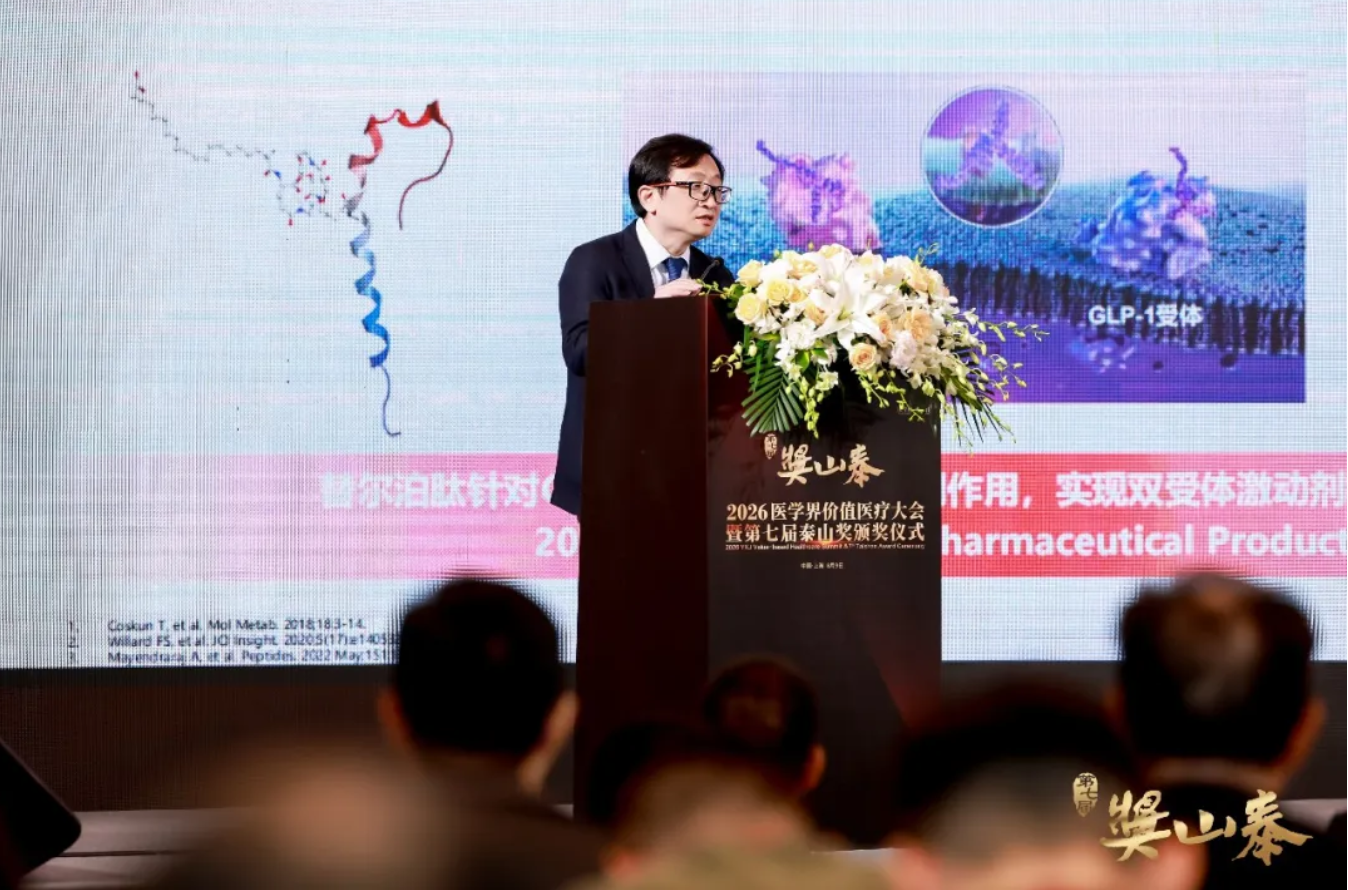 Fig. 8. Dr. Haidong Chi, Vice President of Eli Lilly and Chief Medical Officer of Lilly China Drug Development and Medical Affairs
As the world's first GIP/GLP-1 dual receptor agonist, tirzepatide addresses more than just glycemic control - it incorporates weight management and broader metabolic improvement within a unified therapeutic goal, helping to redefine the boundaries of metabolic disease treatment.
In obesity, the SURMOUNT-1 trial showed that in adults with obesity or overweight without diabetes, the highest-dose group (15 mg) achieved an average weight reduction of 22.5% after 72 weeks of treatment - a magnitude previously associated with bariatric surgery in some published comparisons. Mounjaro has also received regulatory approval as the first pharmacological treatment for moderate-to-severe obstructive sleep apnea in patients with obesity, extending a domain that was previously addressed primarily by ventilatory support into pharmacological care.
Mounjaro was first approved in the United States in 2022 and reached China in May 2024, completing a journey that previously took 8-10 years in only two years. By the end of 2025, the diabetes indication of tirzepatide was included in China's National Reimbursement Drug List through national negotiation, extending access to a broader patient population. From a novel dual-target mechanism to global "blockbuster-drug" status, tirzepatide has demonstrated, according to cited clinical evidence, the value of innovative medicines.
7th Taishan Award - Medical Device Breakthrough Award
Product: MAGNETOM Terra.X
Sponsor: Siemens Healthineers
Reason for the award: The first domestically produced 7 Tesla (7T) magnetic resonance imaging (MRI) system in China, designed to advance non-invasive, ultra-early diagnosis of neurodegenerative diseases, precise localization of epileptogenic foci, and non-invasive molecular subtyping of gliomas.
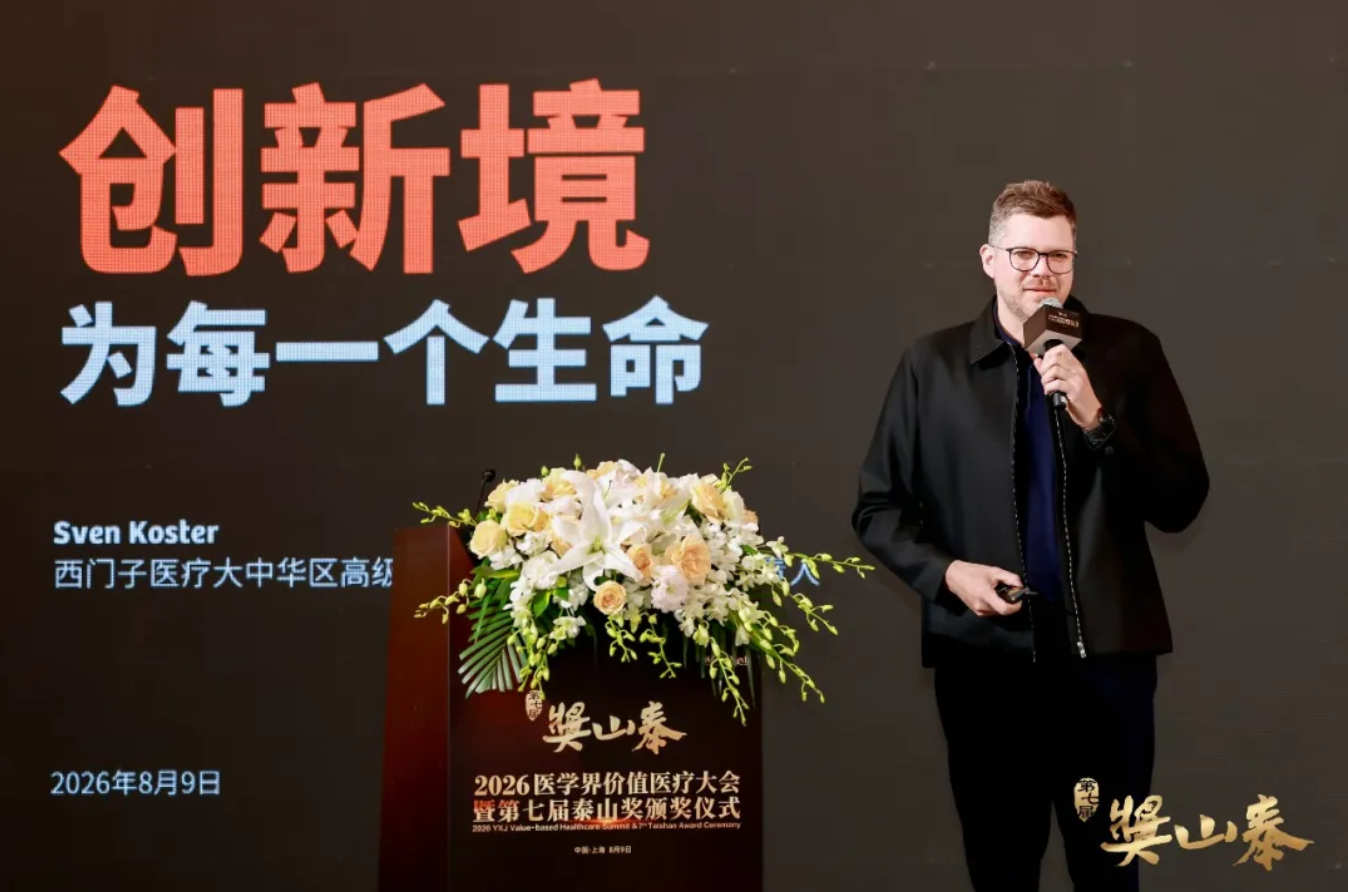 Fig. 9. Sven Koster, Senior Vice President of Siemens Healthineers Greater China and Head of Diagnostic Imaging
The 7T ultra-high-field MRI has long been recognized for its superior resolution. For more than two decades, however, challenges including radiofrequency field inhomogeneity and complex scanning protocols have limited its use to a small number of elite brain-research centers worldwide.
Terra.X employs dynamic 8-channel parallel transmit (pTx) technology and Deep Resolve, a deep-learning-based image reconstruction solution. According to the manufacturer, a standard whole-brain or knee high-resolution scan can be completed in approximately 15 minutes, and certain head sequences can achieve in-plane resolution of 0.2 mm - moving 7T imaging from a research capability toward stable, efficient clinical performance.
Studies cited in the ceremony suggest that 7T MRI may help identify epileptogenic foci that are not detected on 3T MRI and may provide additional imaging evidence supporting disease classification, diagnosis, and treatment adjustment in patients with multiple sclerosis (MS).
In 2024, Terra.X received U.S. Food and Drug Administration (FDA) clearance and China's National Medical Products Administration (NMPA) approval. In 2025, the first domestically produced Terra.X system was installed in Shenzhen. Clinical evidence in epilepsy, cerebral small vessel disease, glioma, and multiple sclerosis continues to accumulate, the manufacturer noted.
7th Taishan Award - Qinzi Young Clinical Research Award (Two Recipients)
First Recipient
Recipient: Prof. Yilai Shu
Affiliation: Eye and ENT Hospital of Fudan University
Reason for the award: Developed a gene therapy candidate for hereditary deafness and led the world's first clinical trial of gene therapy for congenital hearing loss. A dual-vector split-delivery strategy was used to address the long-standing challenge of delivering large genes, enabling patients with OTOF-related hearing loss to recover natural hearing and speech in early clinical evaluation.
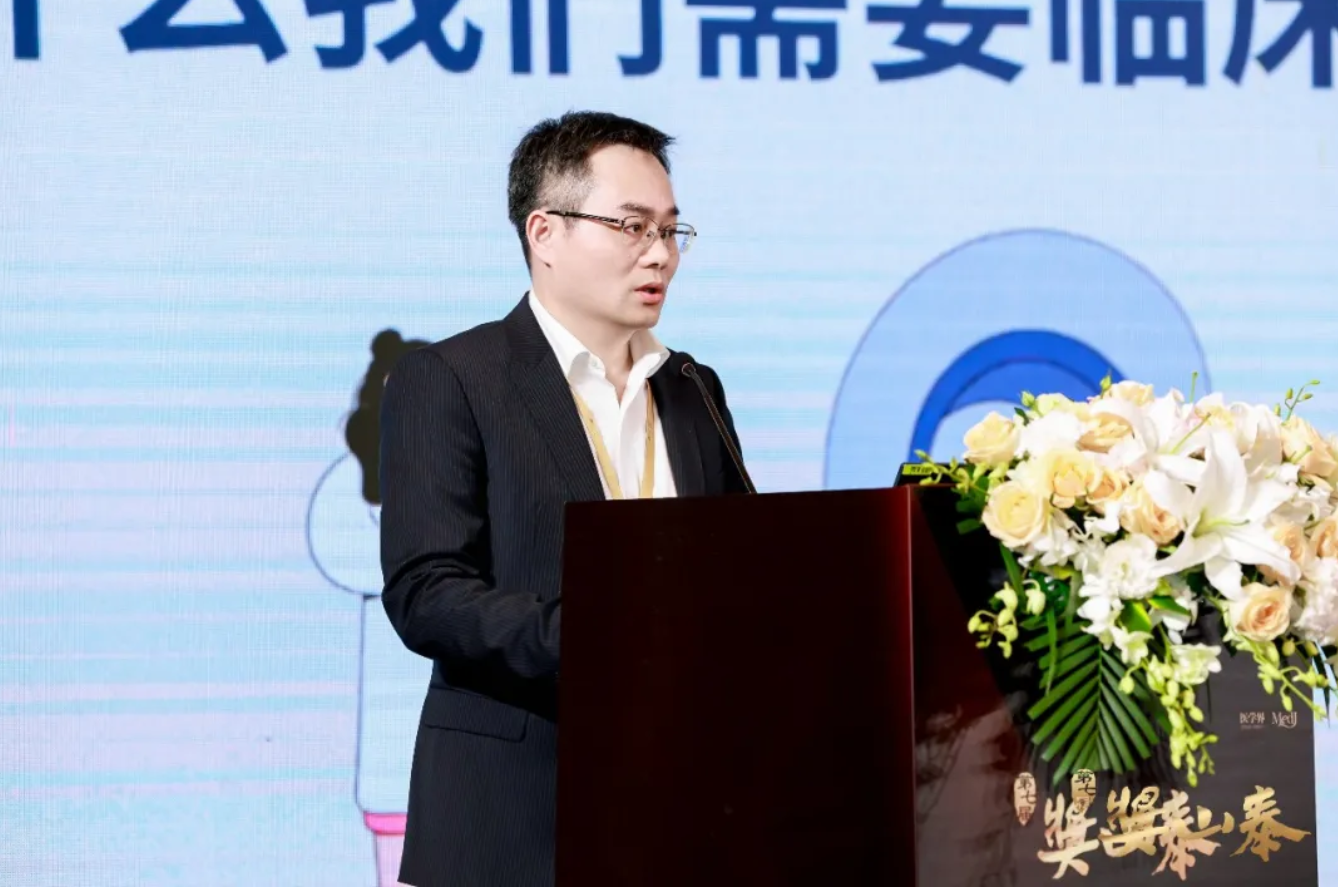 Fig. 10. Prof. Yilai Shu Delivering hHs Acceptance Speech
Hearing loss is a high-prevalence condition. Globally, approximately 20% of the population experiences some degree of hearing impairment, including a substantial proportion of children with congenital deafness, most of whom have genetic etiologies and, historically, no approved pharmacological treatment options.
Prof. Yilai Shu has been at the forefront of efforts to address this challenge. His long-standing work on gene therapy for hereditary deafness has focused on the OTOF gene. Patients with OTOF mutations experience auditory neuropathy leading to severe congenital deaf-mutism; because the inner-ear structure is largely preserved in these patients, restoring a functional gene may in principle restore hearing.
Over nearly a decade, Shu's team addressed the core technical challenge of delivering a large healthy gene into the inner ear via a dual-AAV (adeno-associated virus) split-delivery strategy and developed bespoke precision equipment for inner-ear injection. In December 2022, Shu's team completed the world's first gene therapy procedure for congenital hearing loss - described at the ceremony as a milestone exploration of gene therapy for hereditary deafness in medical history.
Shu has continued his research following this milestone. In his acceptance remarks, he noted that clinical-needs-driven scientific innovation and clinical research have been the team's enduring direction. With more than 200 identified deafness-associated genes, the team plans to address additional common genes such as GJB2, with the goal of helping more patients with different forms of congenital deafness to lead healthier lives.
Second Recipient
Recipient: Prof. Ben Lv
Affiliation: The Second Xiangya Hospital of Central South University
Reason for the award: Elucidated key mechanisms underlying the development and progression of severe coagulopathy. Findings have been referenced in international clinical guidelines, helping to drive innovation in critical care concepts and intervention strategies.
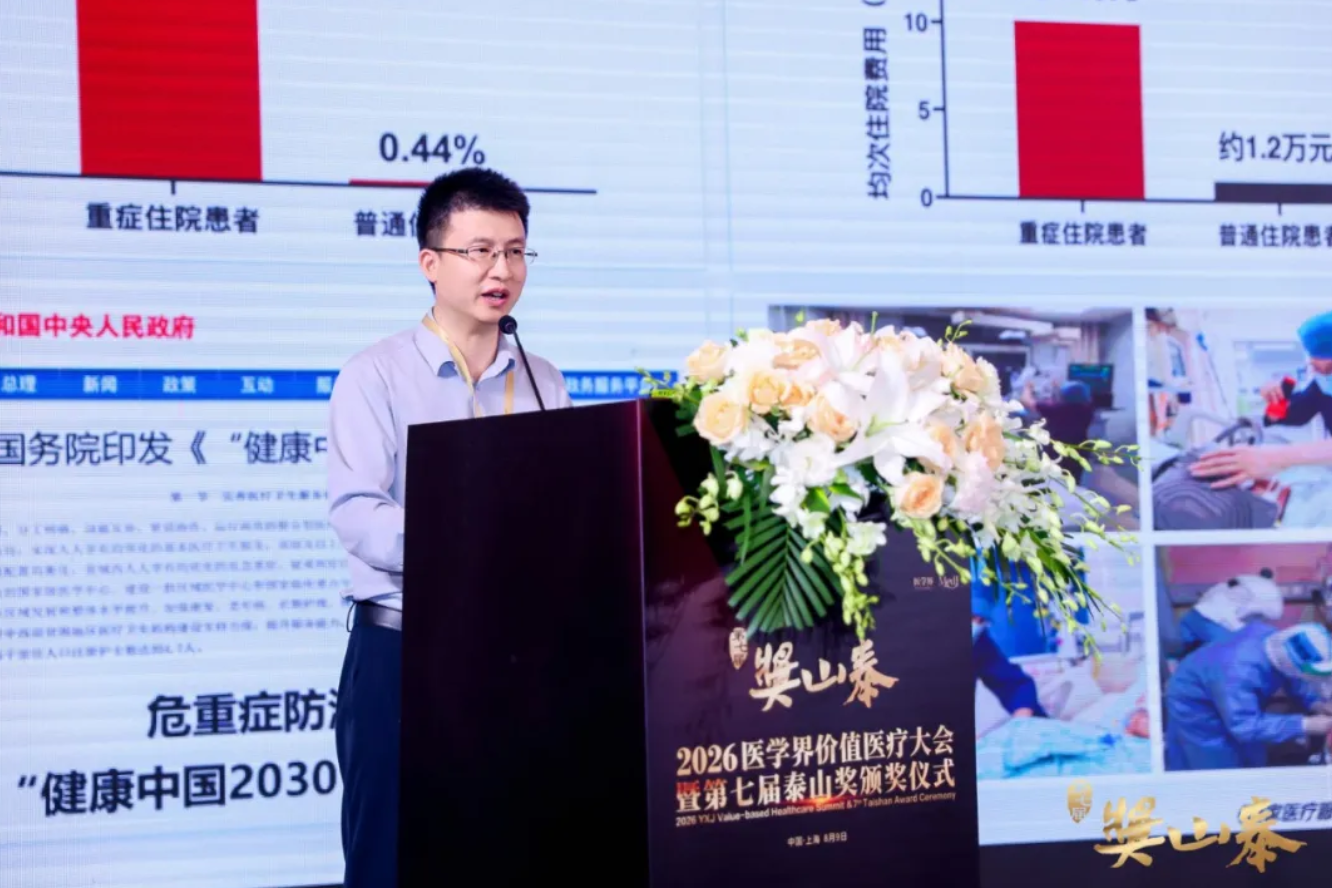 Fig. 11. Prof. Ben Lv Delivering His Acceptance Speech
According to cited statistics, sepsis accounts for more than 11 million deaths globally each year. It represents the category of critical illness with the highest intensive care unit (ICU) mortality and the highest medical expenditure. Sepsis is not a single disease but an umbrella term for infection-triggered critical illness - an acute, mechanistically complex, and highly heterogeneous condition for which, to date, no approved targeted therapy directed at host injury mechanisms has been established.
To address this challenge, Prof. Ben Lv and his team have conducted ongoing research into the pathophysiology of sepsis. Their preclinical work has elucidated a mechanism by which hepatocytes release HMGB1 protein during sepsis, leading to over-activation of caspase-11 and the subsequent development of disseminated intravascular coagulation (DIC) and organ failure, identifying potential new targets for drug intervention.
The team further found that heparin, a commonly used anticoagulant, can selectively inhibit caspase-11 activation independent of its anticoagulant effect. They synthesized a low-anticoagulant-activity heparin derivative intended to balance efficacy and safety. In 2022, the team reported another mechanism, in which elevated body temperature activates ZBP1 protein to induce DIC and multi-organ injury. The findings, published in the journal Science, reframed earlier understanding of the pathogenesis of heat stroke.
Lv has long anchored his research in important clinical questions, leading his team in tracing the mechanisms underlying sepsis and working to translate laboratory findings into interventions that may ultimately benefit patients. "I have only done a small amount of work," he said. "I will continue to learn and move forward in science, and I hope that Chinese critical care medicine can reach even higher levels."
Practicing Value-Based Healthcare
In addition to the awards ceremony, the 2026 Yixuejie Value-Based Healthcare Conference featured a roundtable and two themed talks, sketching out a roadmap for the transformation of China's healthcare system toward value-based care and exploring practical pathways for advancing value-based healthcare in China.
In the themed talks, Yanfeng Ge, Researcher at the Development Research Center of the State Council, discussed how technological progress and institutional innovation can drive the implementation of value-based healthcare in a session titled "Building Value-Based Healthcare through Scientific Progress and Organizational Reform."
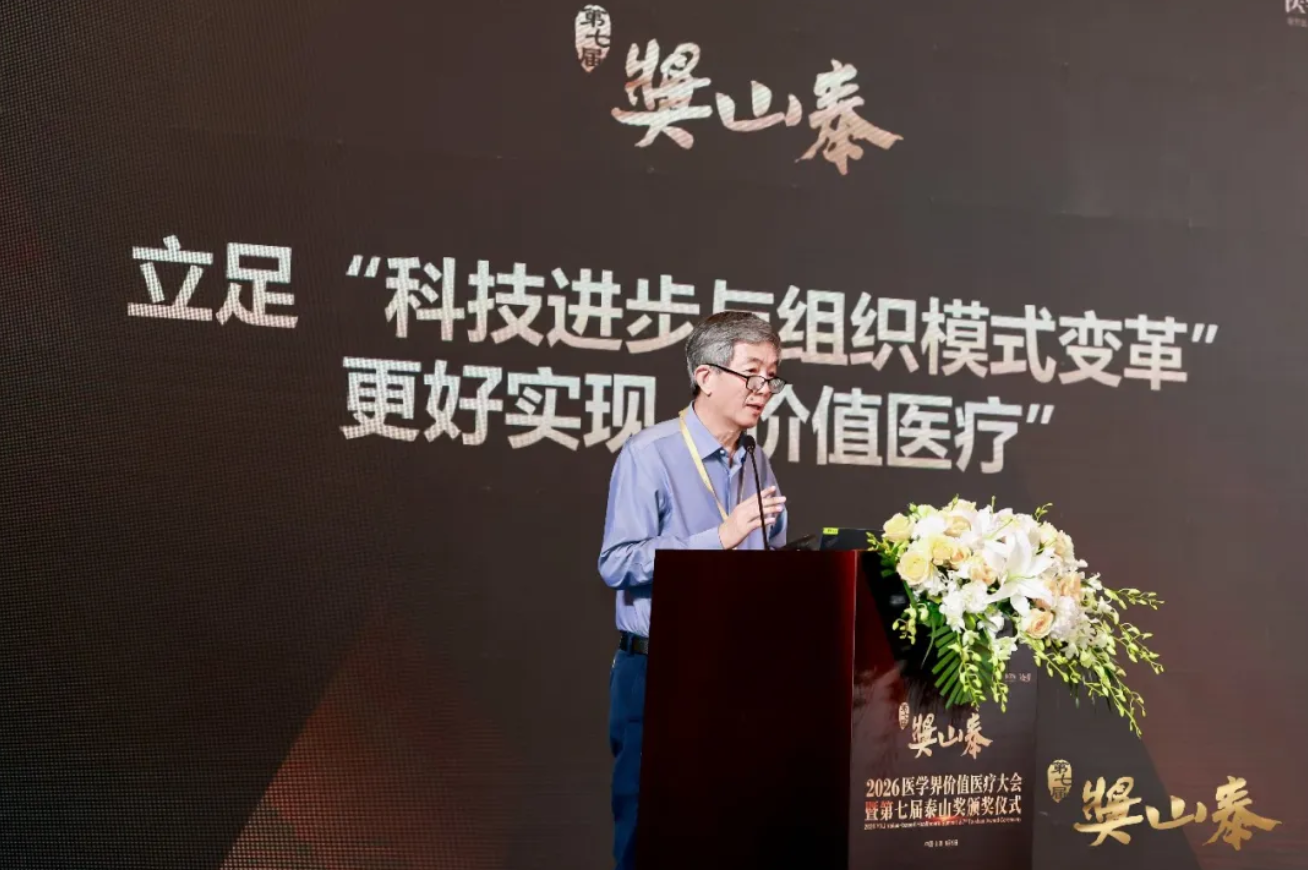 Fig. 12. Yanfeng Ge, Researcher at the Development Research Center of the State Council
Yingxian Sun, Director of Cardiology at The First Hospital of China Medical University and a recipient of the 4th Taishan Award in Clinical Medical Research, presented "Echoes from Taishan: The Establishment of New Blood Pressure Targets and the Evolution of Antihypertensive Concepts," sharing insights into the evidence-based process behind updates to hypertension treatment standards.
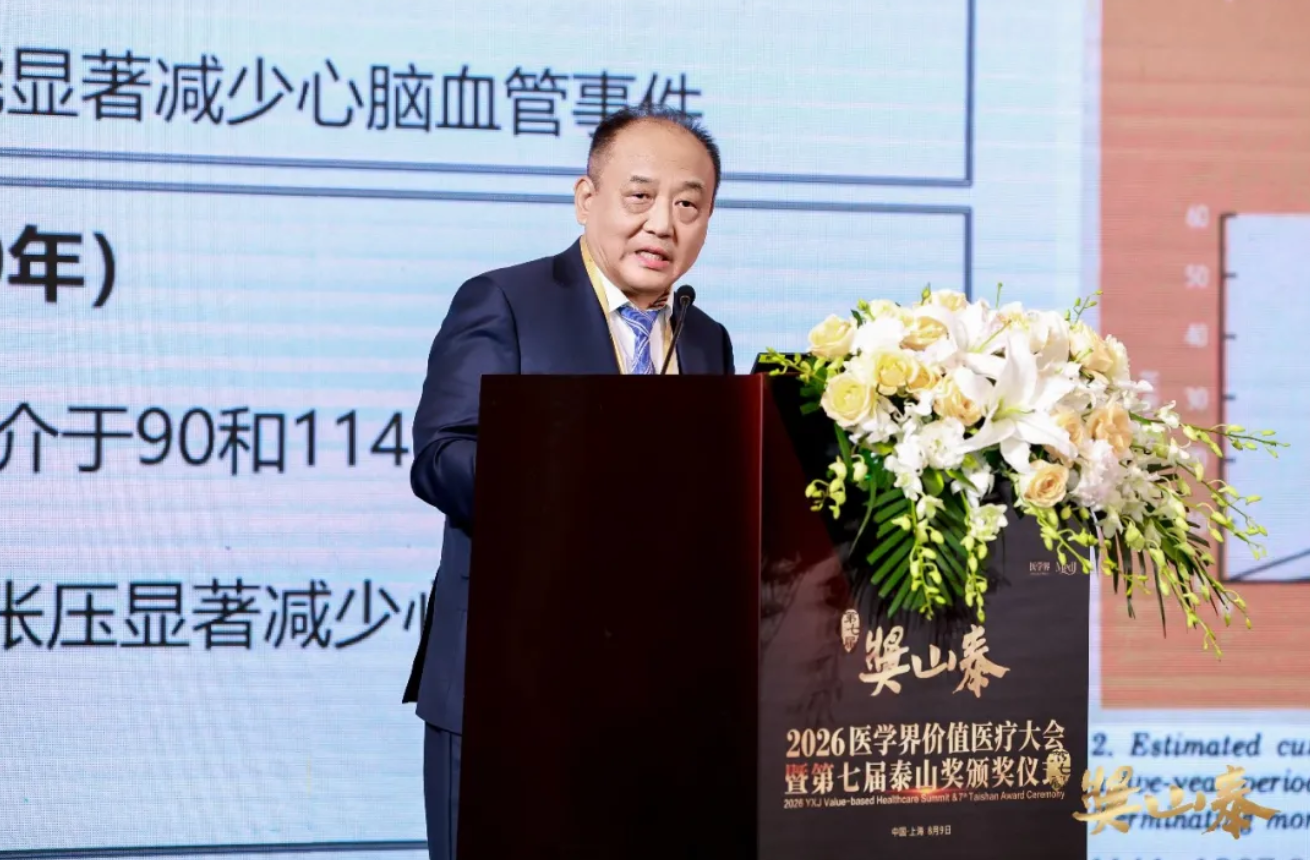 Fig. 13. Yingxian Sun, Director of Cardiology at The First Hospital of China Medical University
Together, the two talks - one examining macro-level pathways of institutional and technological change, the other focused on evidence accumulation for a specific disease - echoed the central logic of value-based healthcare: innovation-driven and evidence-based.
The roundtable was moderated by Minghui Ren, Director of the Peking University Global Health Institute and Director-General of the Taishan Award Governing Council. Panelists included Xianjun Xiong (Adjunct Professor at CAMS and PUMC and Former Director-General of the Department of Pharmaceutical Service Management at the National Healthcare Security Administration), Jinglei Wu (President of the Shanghai Medical Association), Xiaocui Li (Vice President of the Shanghai First Maternity and Infant Hospital), Yu Lou (Vice President of Takeda [China] Investment Co., Ltd.), and Yiou Wang (Chair of the Beijing Illness Challenge Foundation). The discussion focused on "The New Decade of Value-Based Healthcare: Multi-Stakeholder Collaboration to Reshape China's Healthcare Value Framework."
Drawing on diverse perspectives spanning policy, hospital management, industry innovation, and patient advocacy, the panelists explored how multi-stakeholder collaboration can address the practical challenges of implementing value-based healthcare - building consensus and pooling resources for the next decade of practice.
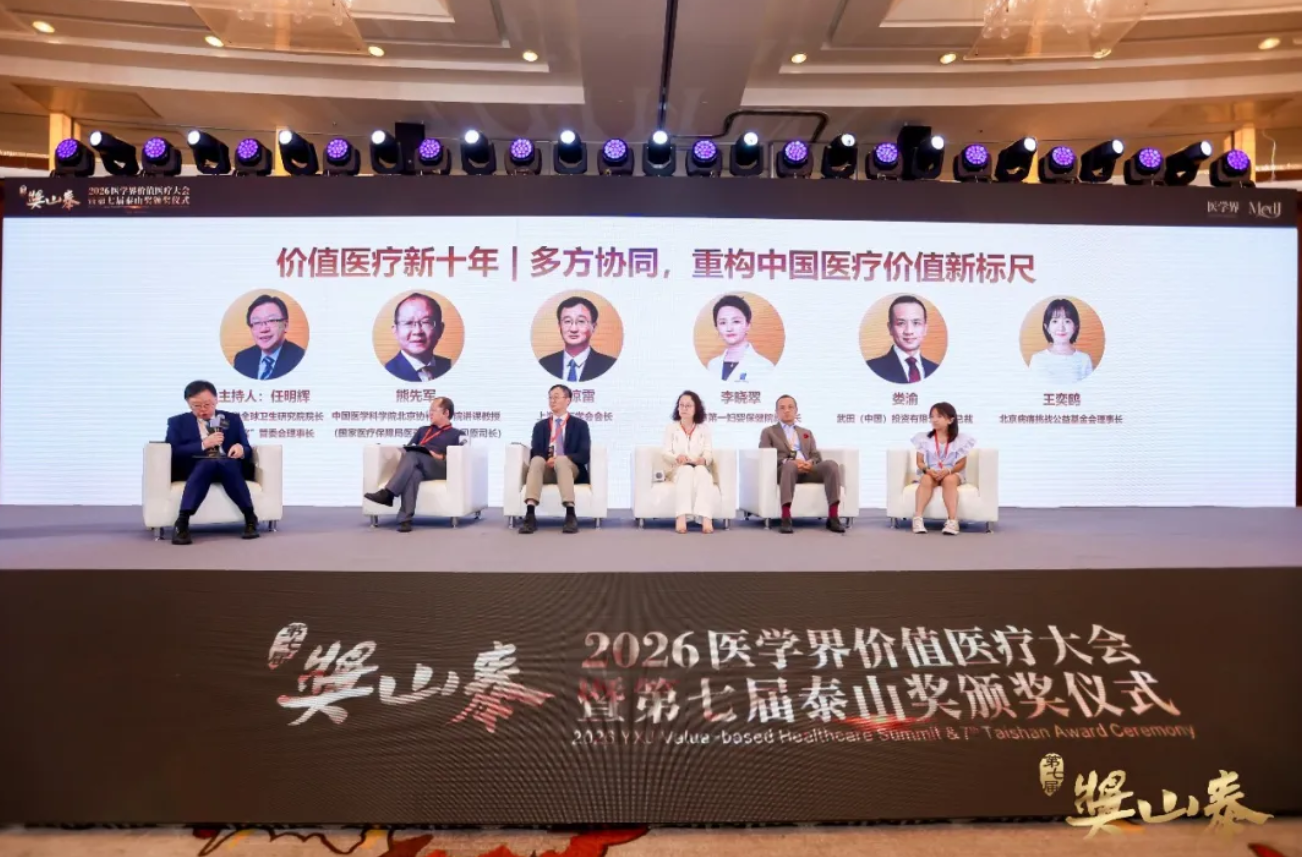 Fig. 14. Roundtable Discussion
In closing remarks, Chunlin Jin, Founding Director-General of the Taishan Award Governing Council and Director of the Shanghai Health Development Research Center, reflected on the seven-year journey of the Taishan Award under the theme "Vision, Consensus, and Practice." He noted that value-based healthcare has grown from a health-economics concept into an industry consensus and a key anchor of healthcare reform. Practicing value-based healthcare, he argued, requires shifting the focus upstream, anchoring evaluation and payment in health outcomes, centering patients, driving through innovation, and fostering multi-stakeholder collaboration. He expressed hope that past recipients would serve as role models as the principles of value-based healthcare take root.
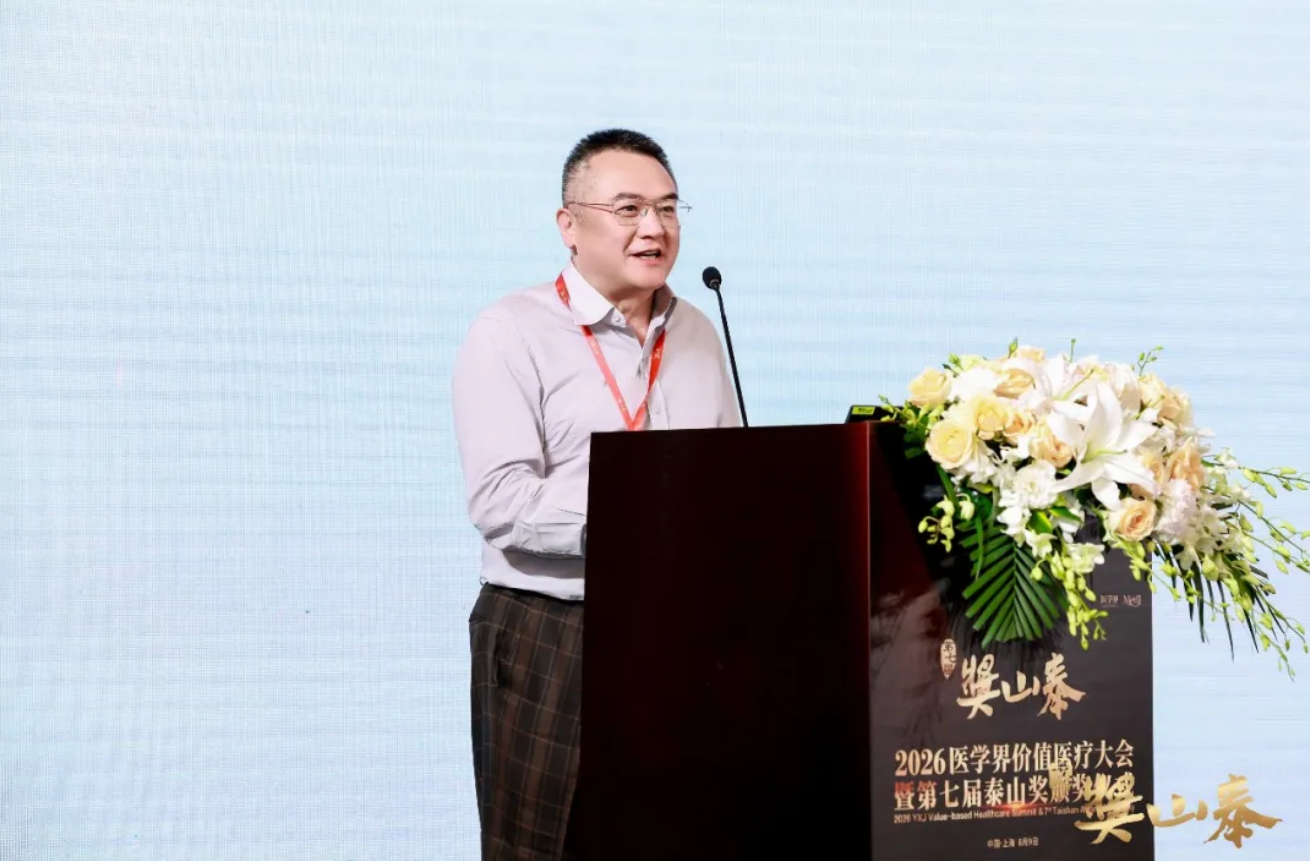 Fig. 15. Chunlin Jin, Founding Director-General of the Taishan Award Governing Council and Director of the Shanghai Health Development Research Center
The conference was hosted by Yixuejie, with the support of the Shanghai Health Development Research Center and the Qionghai Boao Primary Health Innovation and Development Research Center.
Looking ahead, the path is long. The wave of healthcare reform continues, and the public's pursuit of healthier lives continues to grow. Fully realizing value-based healthcare will require the sustained efforts of stakeholders across healthcare, pharmaceuticals, and other sectors. The 7th Taishan Award is a starting point - translating the recognition of honorees into practical action and putting new ideas generated through exchanges into concrete reform and innovation practice.
On the road to practicing value-based healthcare, Yixuejie will continue to uphold its philosophy of "science, professionalism, and compassion" and to keep discovering the light of Chinese medicine. See you next year.

