


Today (October 19th), the "2024 MedJ Value Conference and the 5th Taishan Award Ceremony" was held in Yangpu District, Shanghai.
Ge Junbo, a member of the Standing Committee of the National Committee of the Chinese People's Political Consultative Conference (CPPCC), an academician of the Chinese Academy of Sciences, and the director of the Cardiology Department at Zhongshan Hospital affiliated with Fudan University, Fan Xianqun, the Vice President of Shanghai Jiao Tong University, Dean of the School of Medicine at Shanghai Jiao Tong University, and an academician of the Chinese Academy of Engineering, Lu Yu Ming, the incoming President of the Chinese University of Hong Kong, an academician of the Chinese Academy of Sciences, Wang Hao, the Deputy District Mayor of Yangpu District, Shanghai, Jin Chunlin, the Director of the Shanghai Municipal Health and Development Research Center, Ren Minghui, the Dean of the Global Health Institute at Peking University, and over a hundred experts and scholars from the fields of healthcare, pharmaceuticals, medical insurance, as well as managers from pharmaceutical companies and the innovation industry, attended the conference.
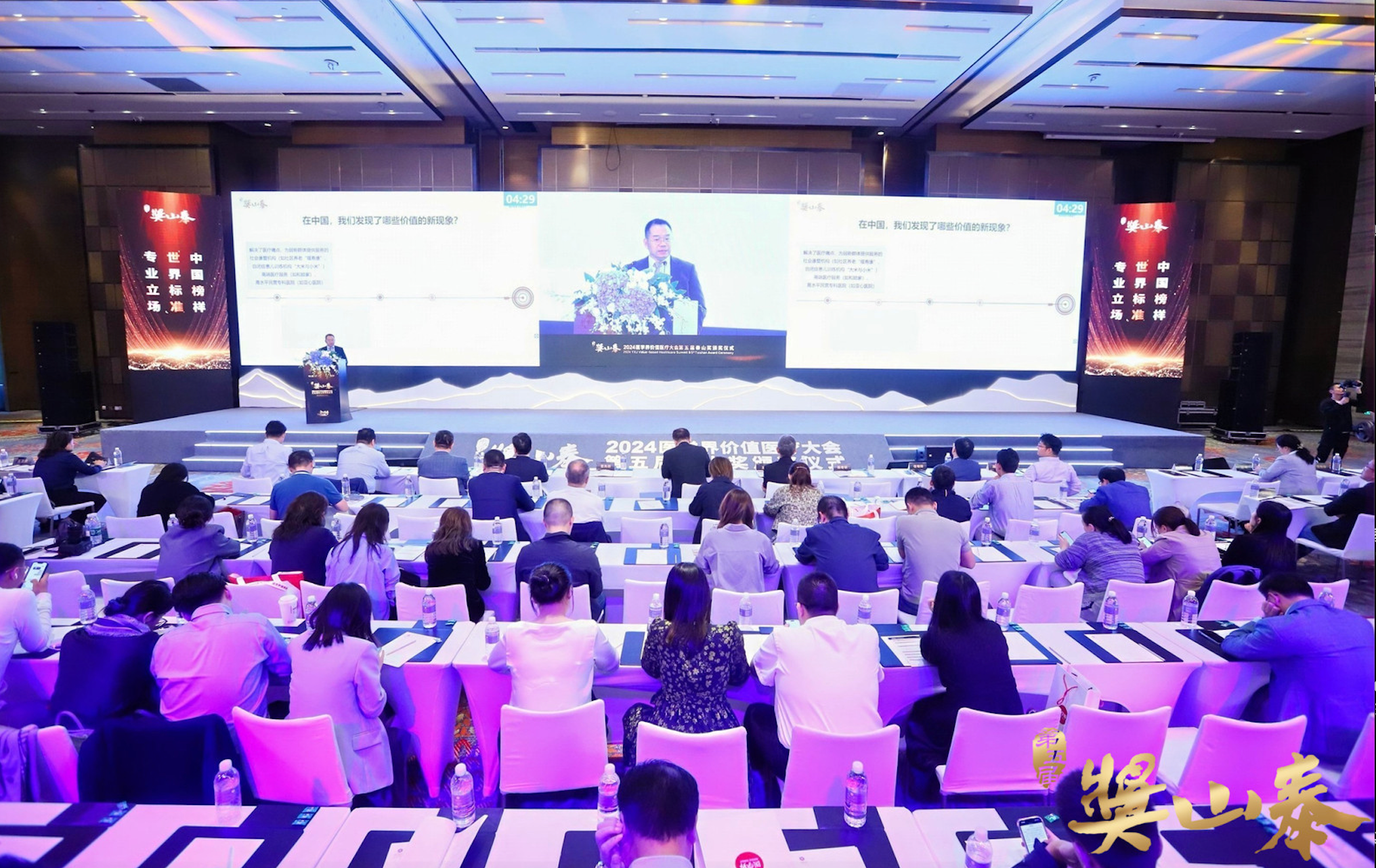
Taishan Award Conference Venue
The "Taishan Award" was established by "MedJ" in 2019, named after the phrase "Health is entrusted, lives are confided, the responsibility of a doctor is heavier than Mount Tai," and also after the phrase "Mount Tai stone dares to be the first," highlighting the responsibility, courage, and pioneering spirit of Chinese medical professionals. Over the past five years since its establishment, the "Taishan Award" has been dedicated to honoring researchers and practitioners of value-based healthcare in China, promoting greater value of value-based healthcare in the country.
The concept of "value-based healthcare" was first proposed by Professor Michael Porter of Harvard University in 2006, with the basic idea of pursuing the most cost-effective healthcare, that is, achieving the best therapeutic outcomes at a relatively low cost. "Value-based healthcare" has three most fundamental elements: high medical quality, low medical costs, and a good patient experience.
In his speech, Fan Xianqun, the Vice President of Shanghai Jiao Tong University, Dean of the School of Medicine at Shanghai Jiao Tong University, and an academician of the Chinese Academy of Engineering, said that the concept of the "Taishan Award" is "value-based healthcare," and providing valuable medical services is a question that every medical worker should consider. Academician Fan Xianqun said, "To cure better, to provide a healthier lifestyle and philosophy, and to contribute to the practice of a healthy China, this is the purpose of value-based healthcare and the 'Taishan Award'."
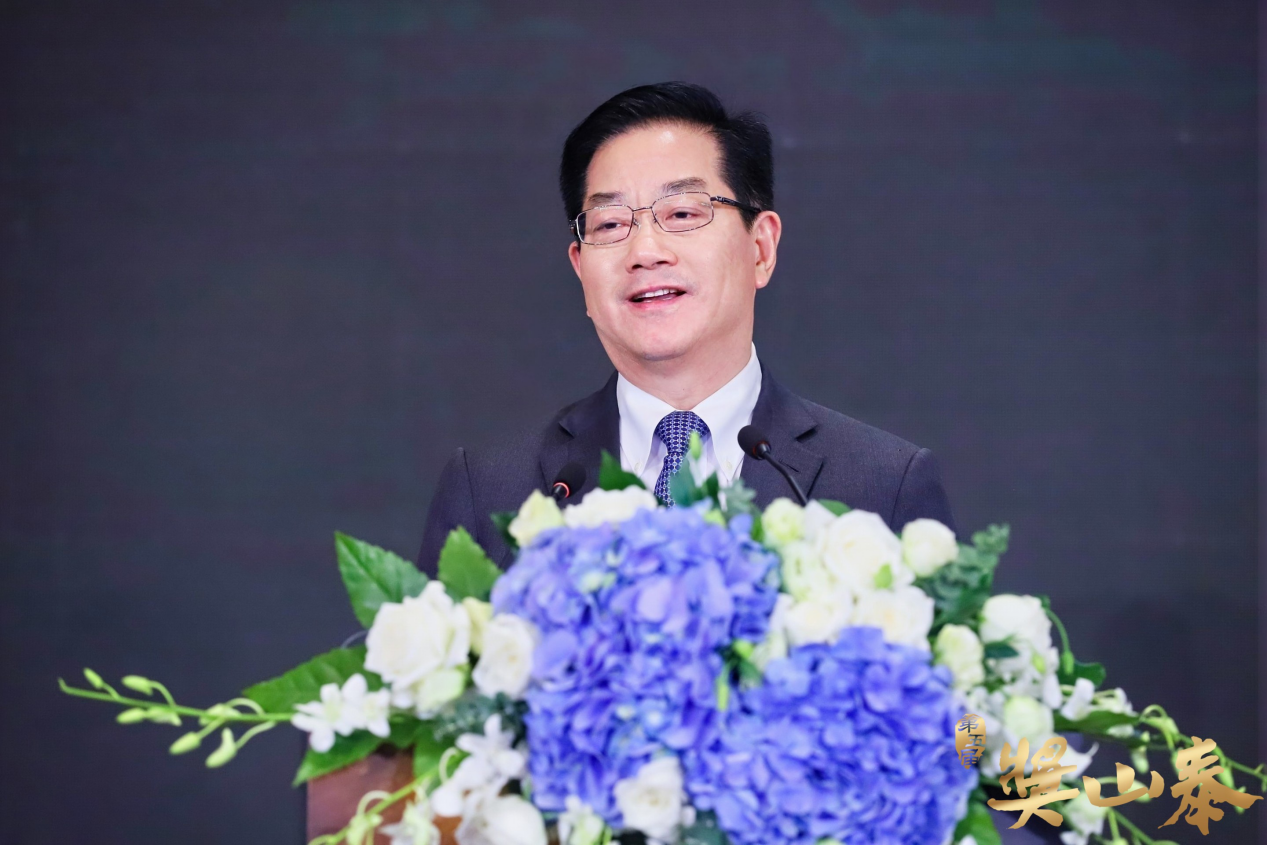
Fan Xianqun, the Vice President of Shanghai Jiao Tong University, Dean of the School of Medicine at Shanghai Jiao Tong University, and an academician of the Chinese Academy of Engineering
Ren Minghui, the Dean of the Global Health Institute at Peking University, said in his speech that in recent years, China's medical reform has made significant progress, but it also faces unprecedented challenges, putting higher demands on medical resources and service systems. "Promoting the implementation of the concept of value-based healthcare is not only a choice that follows the trend of the times but also our commitment to the health of patients and the welfare of society. I sincerely hope that through the platform of the 'Taishan Award,' we can contribute more wisdom and strength to the transformation and upgrading of China's medical system."
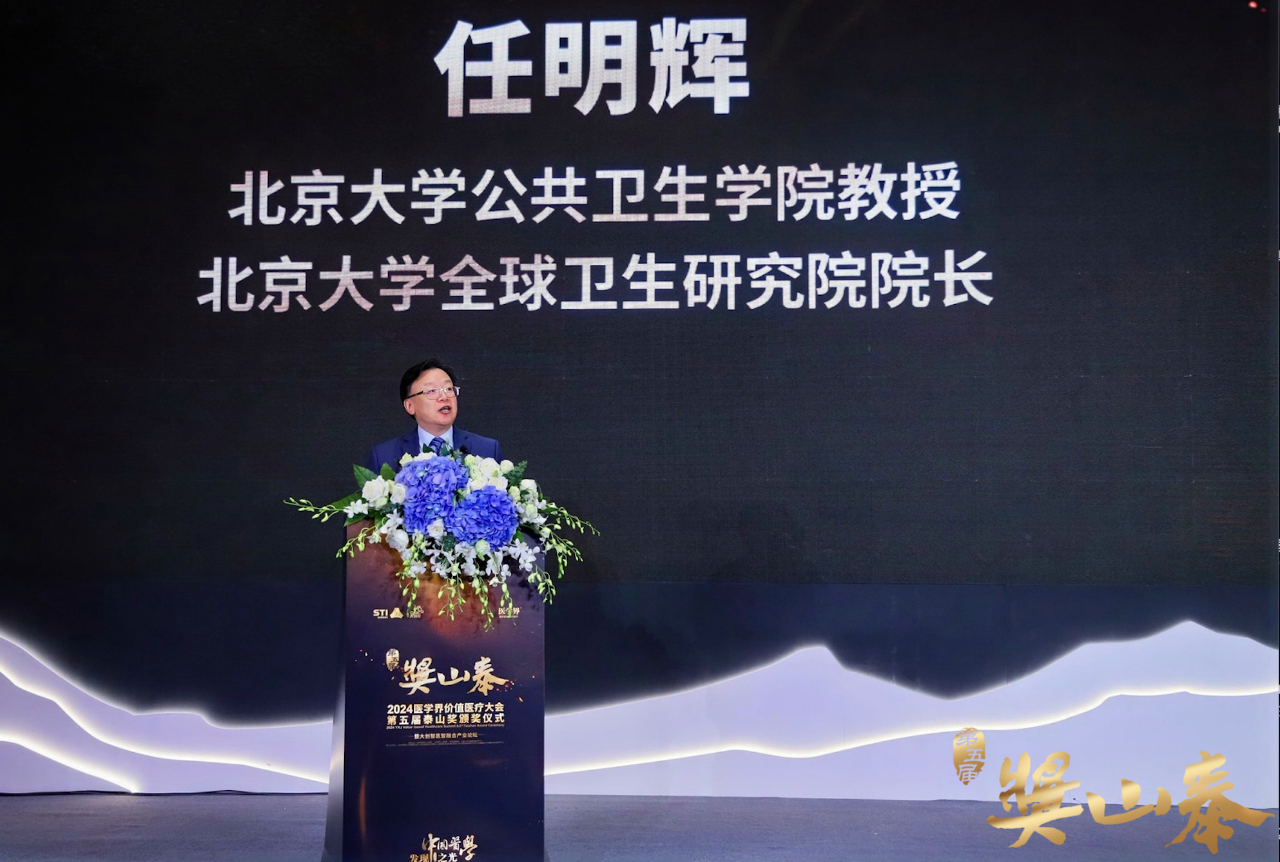
Ren Minghui, the Dean of the Global Health Institute at Peking University
Wang Hao, the Deputy District Mayor of Yangpu District, said in his speech that Yangpu District is the richest area in medical resources in the northern part of Shanghai, with a group of excellent medical institutions and outstanding medical talents, and has been practicing the concept of value-based healthcare. He said, "We will take this forum as an opportunity to further strengthen cooperation with medical and health industries and research institutions at all levels and types at home and abroad, and jointly promote the innovative development of value-based healthcare and the integration of medicine and intelligence."
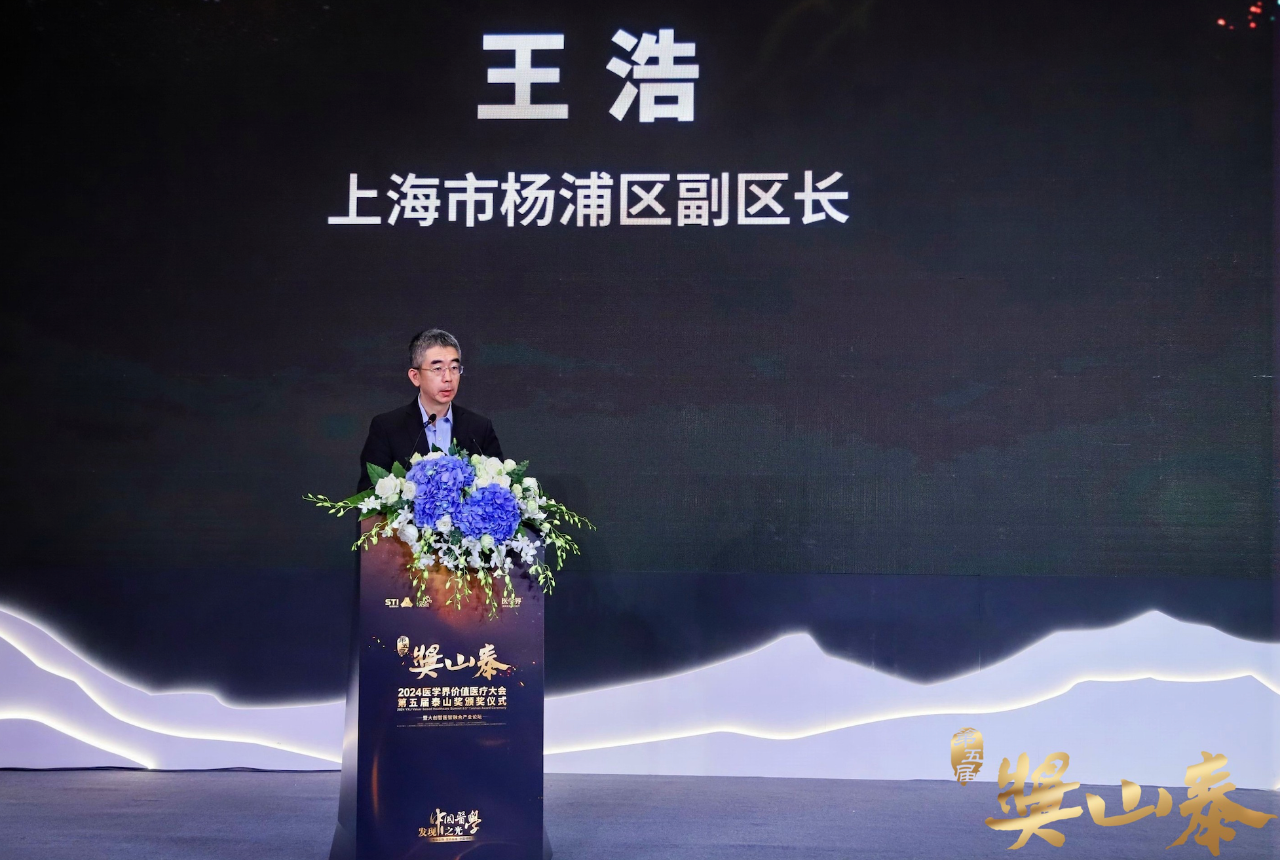
Wang Hao, the Deputy District Mayor of Yangpu District
At the opening ceremony of the conference, Jennifer Bright, the Chair of the International Consortium for Health Outcomes Measurement (ICHOM), congratulated the convening of the conference and the winners of this year's Taishan Award. ICHOM is a non-profit organization founded by Professor Michael Porter of Harvard University, aiming to advocate for value-based healthcare. Jennifer Bright mentioned in her speech that with the development of population aging, the burden of chronic diseases and complications will increase. We must shift from simply treating diseases to measuring and improving the life outcomes of patients. Value-based healthcare is not just a concept but also a necessary foundation for future medical practice.
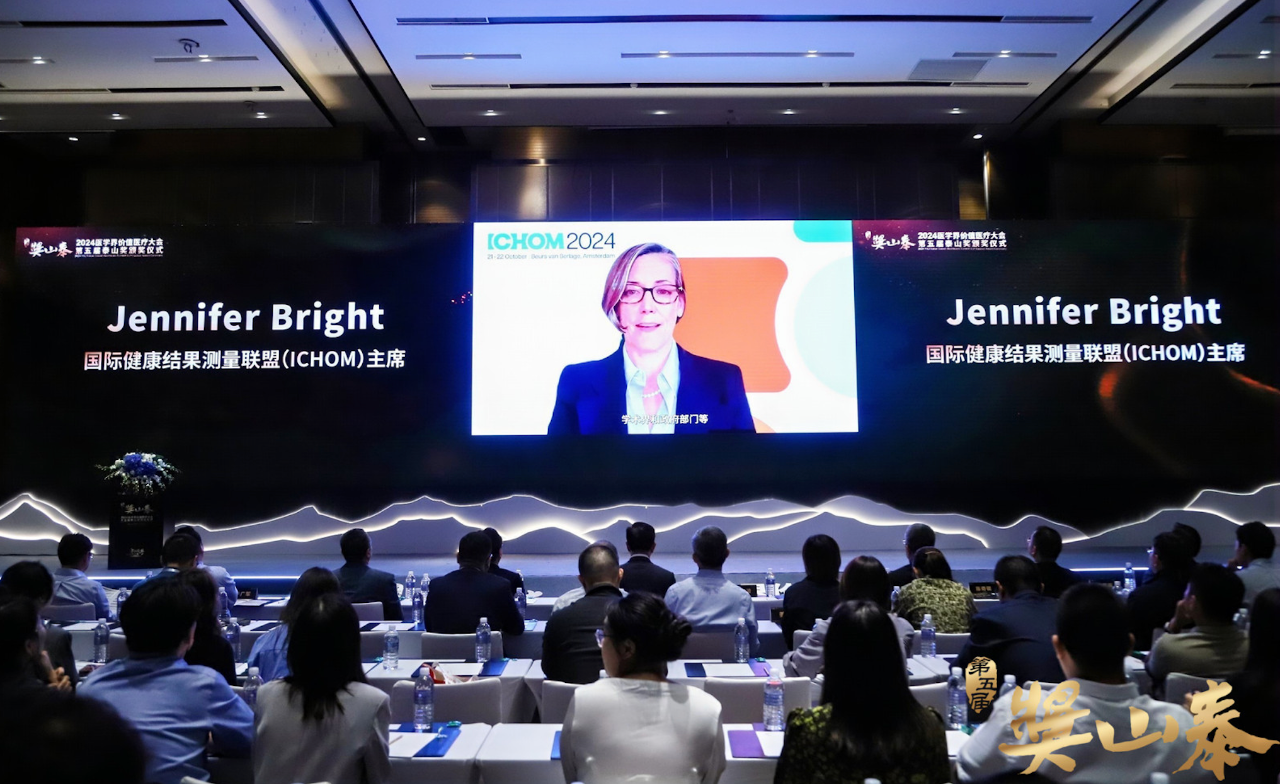
Jennifer Bright, the Chair of the International Consortium for Health Outcomes Measurement (ICHOM)
The 2024 "Taishan Award" officially announces seven major awards to pay tribute to outstanding contributors to Chinese healthcare.
The 2024 "Taishan Award" includes seven major awards, which are the Clinical Research Award, the Diagnostic and Treatment Plan Award, the Public Health Research and Policy Innovation Award, the Healthcare Management Award, the Medical Device Breakthrough Award, the Public Welfare Individual Award, and the "Qinzi" Young Clinical Research Award.
Before the award ceremony, Ge Junbo, a member of the Standing Committee of the National Committee of the Chinese People's Political Consultative Conference (CPPCC), an academician of the Chinese Academy of Sciences, and the director of the Cardiology Department at Zhongshan Hospital affiliated with Fudan University, congratulated all the Taishan Award winners. He said: "Health is entrusted, lives are confided, the responsibility of a doctor is heavier than Mount Tai. The life and health of every patient should be taken seriously. This is not only the pursuit of medical technology but also requires medical staff to provide efficient and safe medical care services for patients. The Taishan Award, as a benchmark for value-based healthcare, will bring us thoughts and references."
Academician Ge Junbo hopes that in the future, more medical professionals will pursue the concept of value-based healthcare, strive to improve patient experience, reduce medical costs, and promote the sustainable development of the medical system, working together to push the Chinese medical industry towards a more brilliant future.
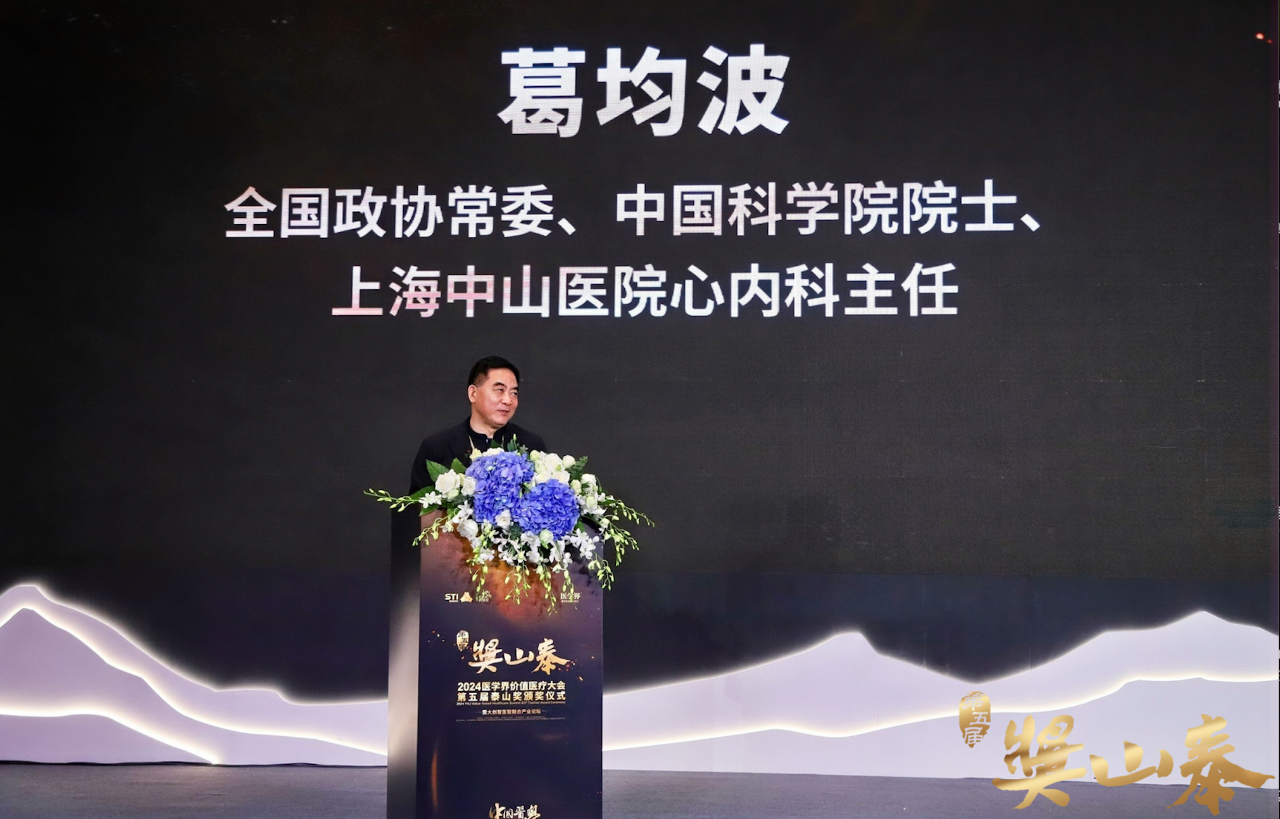
Academician Ge Junbo
Clinical Research Award Winner
Dennis Lo
Incoming President of The Chinese University of Hong Kong, Academician of the Chinese Academy of Sciences
Reason for the Award
He has achieved a series of groundbreaking research results in the fields of non-invasive prenatal testing and cancer screening, which have had a profound impact on the development of global medicine.
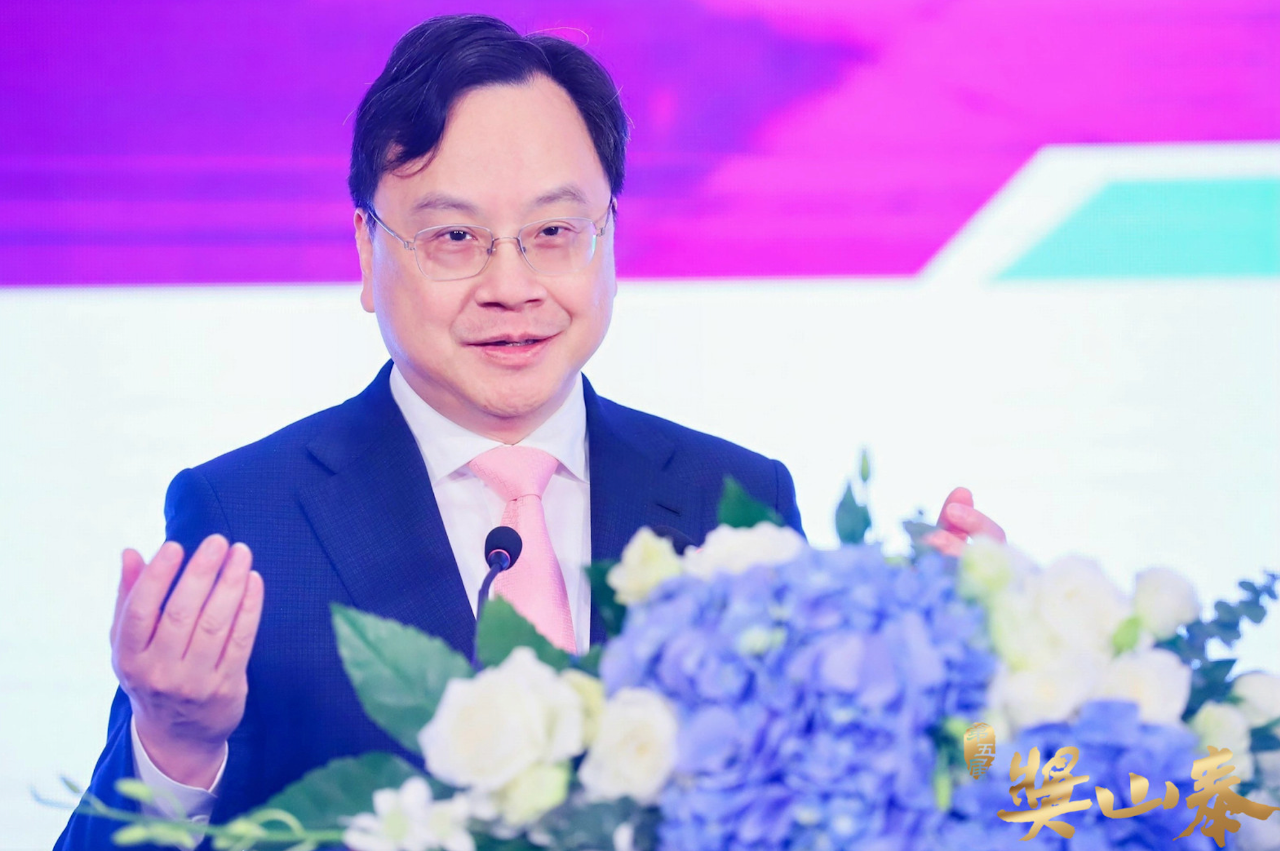
Dennis Lo,Incoming President of The Chinese University of Hong Kong, Academician of the Chinese Academy of Sciences
Dennis Lo is the founder of global non-invasive prenatal genetic testing and is known as the "Father of Non-Invasive Prenatal Testing". The groundbreaking "Non-Invasive Prenatal Testing (NIPT)" technology he launched in 2011 has now been implemented in over 90 countries, providing more than 10 million standard treatments of non-invasive prenatal testing for pregnant women worldwide every year.
Through large-scale parallel sequencing technology and innovative bioinformatics technology, Dennis Lo has successfully decoded the entire genome map of the fetus, achieving early prediction of various genetic diseases.
After making a revolutionary breakthrough in the field of non-invasive prenatal testing, he has expanded the related technology to the field of cancer screening. This series of research results has had a profound impact on the development of global medicine.
In November 2023, Dennis Lo was elected as an academician of the Chinese Academy of Sciences. So far, he has collected three major international awards known as the "Nobel Prize Wind Vane": Thomson Reuters Citation Laureate (Chemistry), Breakthrough Prize - Life Sciences, and Lasker Clinical Medical Research Award. He is regarded by the academic community as the Chinese scientist with the most hope of winning the Nobel Prize next.
"'Physician-scientists' are the bridge between medicine and science, integrating scientific exploration into daily life, perceiving the similarities between seemingly unrelated phenomena, and enhancing the synergy between academic research and commercialization." said Academician Dennis Lo.
Award Winner of the Diagnostic and Treatment Plan
National Standardized Metabolic Disease Management Center (MMC)
Reason for the Award
Leading a new chapter in the management of diabetes in China with innovative diagnostic and treatment plans.
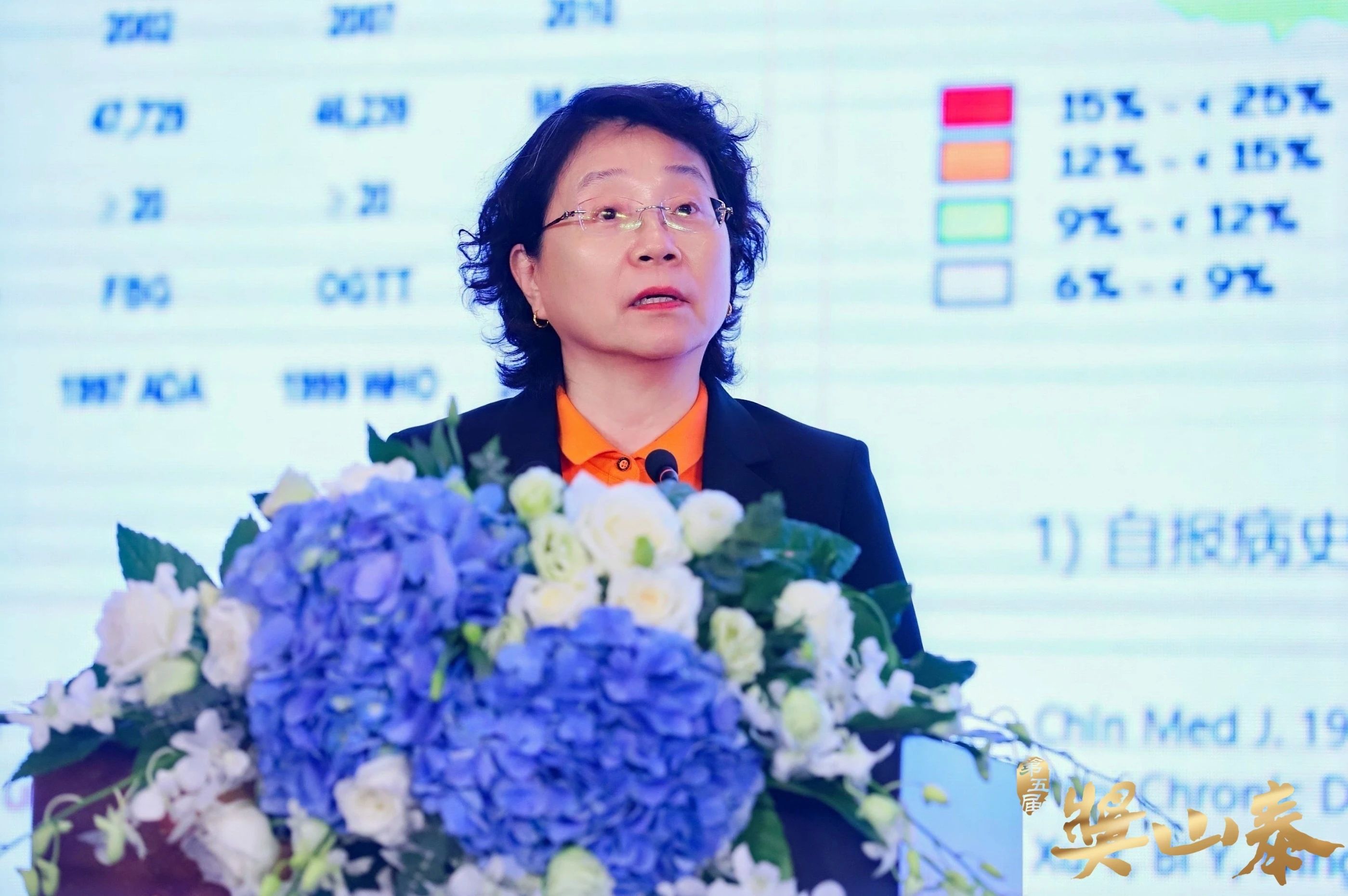
Director of the Endocrinology and Metabolism Department at Ruijin Hospital Affiliated to Shanghai Jiao Tong University, Wang Weiqing
In 2016, the National Standardized Metabolic Disease Management Center (Metabolic Management Center, MMC) was established, led by Academician Ning Guang, the president of Ruijin Hospital affiliated with Shanghai Jiao Tong University School of Medicine, and initiated by the Chinese Medical Doctor Association.
At the beginning of its establishment, MMC set a goal to "build 1,000 MMC centers, manage 10 million diabetes patients, reduce the incidence of diabetes in China by 1%, and reduce the incidence of various diabetes complications by 10%". With the concept of "one center, one-stop service, one standard", it promotes standardized and one-stop solutions for diabetes management.
In the past 8 years since its establishment, MMC has established nearly 2,000 MMC centers nationwide, managing nearly 3 million diabetes patients, covering 32 provinces, autonomous regions, municipalities directly under the Central Government, and special administrative regions across the country, and has formulated 492 SOPs (Standard Operating Procedures) for diabetes management, helping millions of diabetes patients achieve "multi-dimensional standards".
The rate of glycated hemoglobin (HbA1c) reaching the standard has jumped from the initial 22.7% to 53.2%; the comprehensive rate of blood pressure, blood sugar, blood lipid and other metabolic indicators reaching the standard has increased from 7.3% to 19.8%, reaching the level of developed countries in Europe and America. This has significantly improved the treatment effects for many diabetes patients.
"Why do we persist in doing MMC? Because patients benefit, blood sugar is better controlled; because doctors benefit, more doctors have improved their scientific research capabilities; because hospitals benefit, they can effectively manage more patients; because society benefits, it reduces the overall medical expenditure of society. This is in line with the concept of value-based medicine." said Wang Weiqing, the director of the Endocrinology and Metabolism Department of Ruijin Hospital affiliated with Shanghai Jiao Tong University.
Public Health Research and Policy Innovation Award Winner
Wu Shuling
Chief Director of "Kailuan Study"
Reason for the Award
The "Kailuan Study" has provided a lot of reliable clinical basis for our country to reduce the incidence, disability rate, and mortality of cardiovascular and cerebrovascular diseases, and is well-known at home and abroad.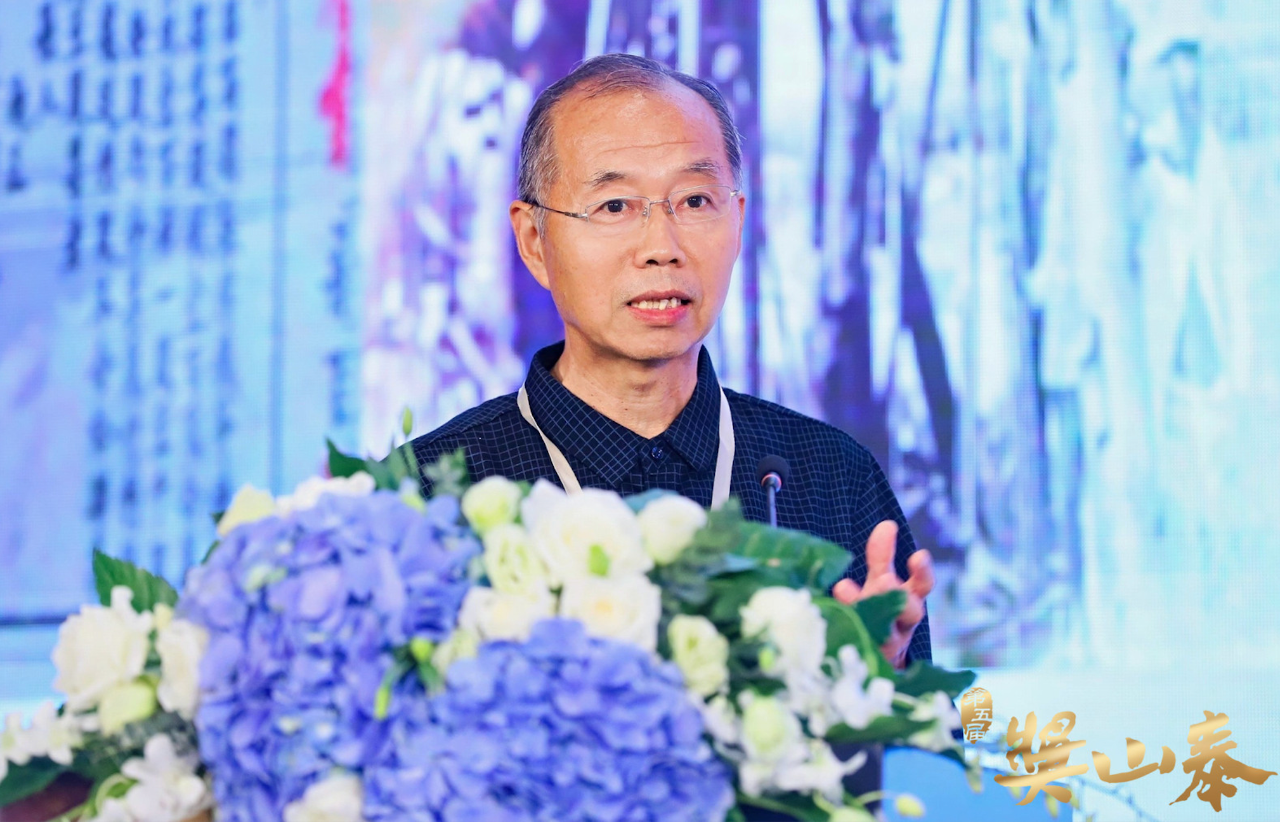
Chief Investigator of the Kailuan Study, Wu Shuling
In 2006, Wu Shuling, then the president of Kailuan General Hospital, launched a health check-up project covering 100,000 people, which later became the globally renowned academic research brand - "Kailuan Study".
The "Kailuan Study" is the third large-scale chronic disease prevention and treatment research project established by our country after the "Shougang Model" and "Daqing Study". It focuses on the investigation and intervention of cardiovascular disease risk factors, and has produced nearly a thousand medical papers to date, providing a reliable basis for our country to reduce the incidence, disability rate, and mortality of cardiovascular and cerebrovascular diseases, and is highly regarded both domestically and internationally.
As of now, both domestic and international renowned medical schools have established in-depth cooperation with the "Kailuan Study". The numerous research achievements produced by the "Kailuan Study" in the field of cardiovascular diseases have effectively improved the health status of Kailuan employees, significantly delayed the onset and death rates of cardiovascular diseases, and also provided an important basis for China to formulate policies for the prevention and control of chronic diseases.
"The 'Kailuan Study' focuses on the investigation and intervention of cardiovascular disease risk factors, and this study has not stopped to this day. I will unswervingly take on the duty of 'life is linked, health is entrusted, the doctor's responsibility is heavier than Mount Tai', and take promoting the health and longevity of the Chinese people as my life goal." said Wu Shuling, the chief person in charge of the Kailuan Study and the former president of Kailuan General Hospital.
Medical Management Award Winner
Yan Hua
President of Wuhan Asian Heart Hospital
Reason for the Award
She is the leader of the first large-scale private cardiovascular disease specialty hospital in mainland China, and has interpreted the core concept of "value-based medicine" by returning medical care to its essence with a high-quality management model.
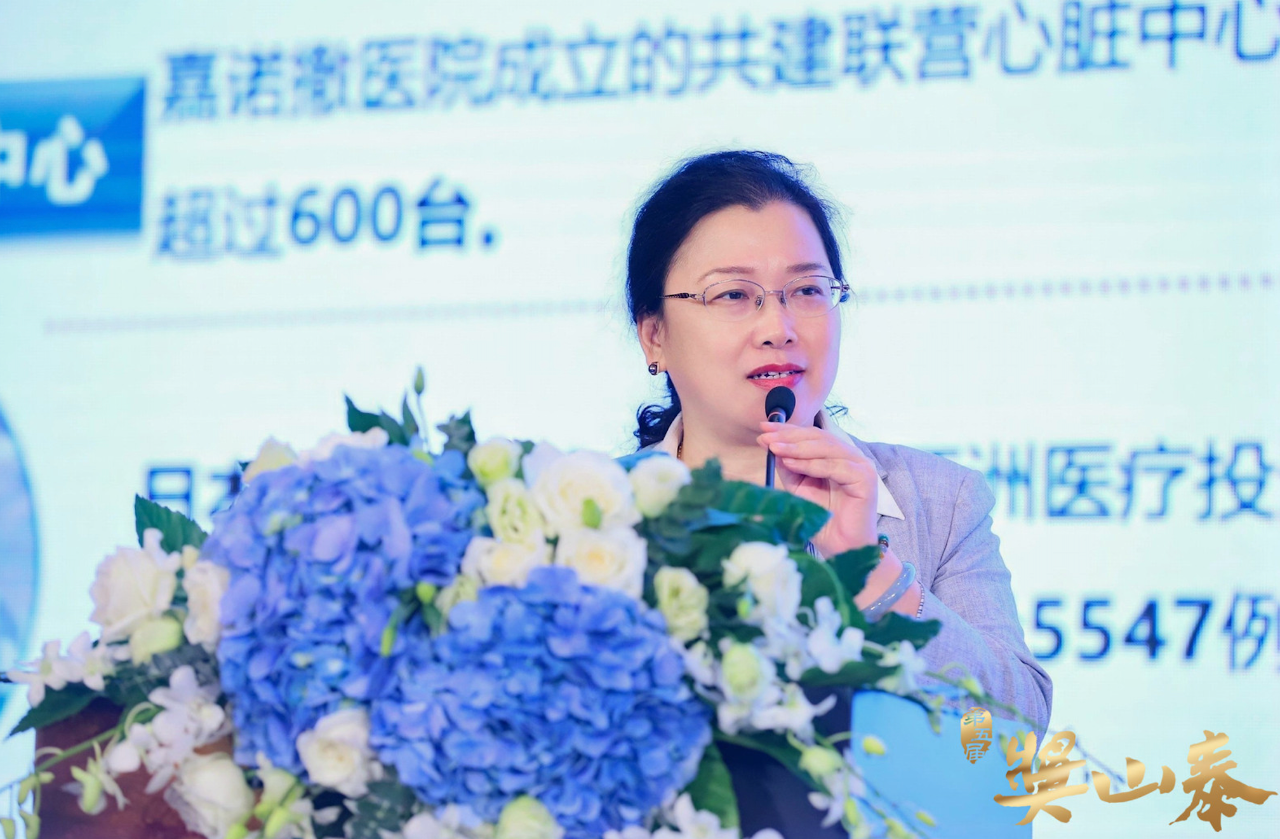
President of Wuhan Asian Heart Hospital
As the leader of the first large-scale private cardiovascular disease specialty hospital in mainland China, Yan Hua, the president of Wuhan Asian Heart Hospital, insists on only managing the three core issues - discipline construction and talent team training, improvement of medical quality, and medical technology innovation.
This management model, while returning to the essence of medical care, also interprets the three elements of "value-based medicine": medical quality, medical cost, and patient experience.
Under the leadership of the hospital leadership with Yan Hua as the representative, Wuhan Asian Heart Hospital has, in its 25 years since establishment, cumulatively received more than 5.45 million cardiac patients from 33 provinces, cities, and autonomous regions across the country. The volume of cardiac surgery has been in the top three in the country and the first in the Central China region for 20 consecutive years. The indicators such as business volume, treatment level, and academic research all rank in the top 10 of the country's cardiovascular hospitals and first among private cardiovascular hospitals.
"Asian Heart Hospital has always adhered to the principle of administrative services to clinical practice, and clinical services to patients, introducing the most cutting-edge diagnostic and treatment technologies to serve patients. After 25 years of development, Asian Heart Hospital has become a benchmark for private cardiovascular specialty hospitals in China. In the future, it will continue to strive towards the goal of international medical practice and contribute to a healthy China." said President Yan Hua.
Public Welfare Individual Award Winner
Yao Ke
President of the Ophthalmology Hospital of Zhejiang University
Reason for the Award
The "Mobile Ophthalmology Hospital" he initiated is one of the national "earliest initiated, longest lasting, and widest benefiting" golden public welfare projects.
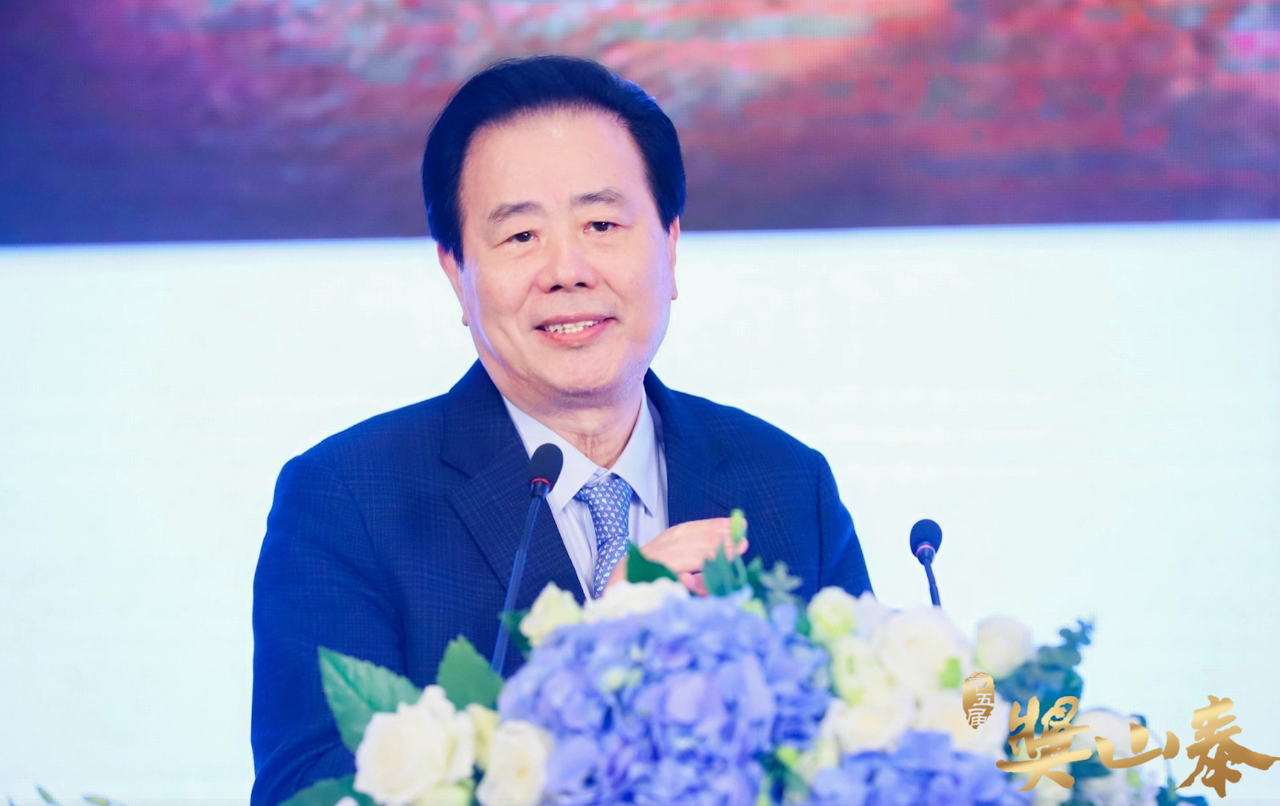
President of the Ophthalmology Hospital of Zhejiang University
The "Mobile Ophthalmology Hospital" was initiated by Yao Ke, an academician of the International Ophthalmology Academy, the chairman of the Ophthalmology Branch of the Chinese Medical Association, and the president of the Ophthalmology Hospital of Zhejiang University in 1996. It mainly provides professional diagnosis and treatment for major blinding eye disease patients such as cataracts, fundus diseases, corneal diseases, and glaucoma in poor or remote areas across the country.
Since its establishment, Professor Yao Ke and his team have traveled through mountains, islands, and borders, covering hundreds of thousands of kilometers, providing free medical services for more than 100,000 people, and completing more than 10,000 free cataract surgeries. It has won many honors including the "China Charity Award" and is currently one of China's "earliest initiated, longest lasting, and widest benefiting" golden public welfare projects.
From 1996 to 2024, a full 28 years, the oar of history is just a flick, but in the field of medical public welfare charity, this period of time has carried the benevolence of the "Mobile Ophthalmology Hospital" team, containing a legend of brightness and warmth.
"In the future, the 'Mobile Ophthalmology Hospital' will continue to travel, benefiting more patients, and at the same time, we hope to pass on the technology and philosophy of the 'Mobile Ophthalmology Hospital' to more doctors to bring light to more people." said President Yao Ke.
Medical Device Breakthrough Award Winner
Lecanemab
a new drug for targeted treatment of Alzheimer's disease
Reason for the Award
It has led the new era of precise treatment of Alzheimer's disease and opened a new chapter in early diagnosis, personalized assessment, and whole-process management of Alzheimer's disease.
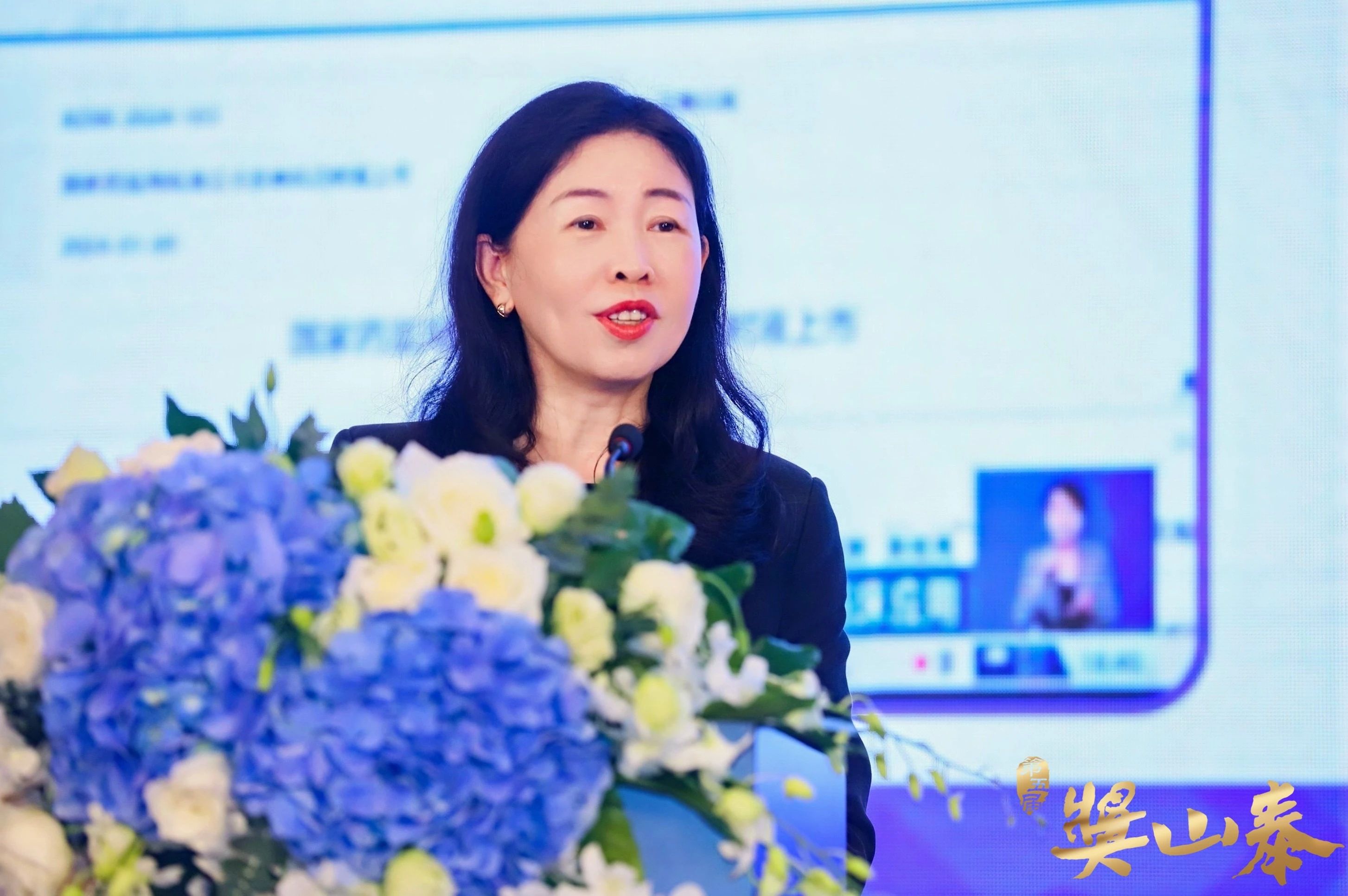
Executive Vice President of Global Operations at Eisai, President of Eisai China, Yanhui Feng
Alzheimer's disease has existed in the human disease library for hundreds of years, but there has never been any drug that can stop its development. Therefore, Alzheimer's disease targeted drugs have always been known as the "R&D black hole", with countless new drug developments failing, making it one of the new drug R&D sub-tracks with the highest failure rate globally.
With the emergence of "Lecanemab", this field has finally ushered in a revolutionary breakthrough. On January 5, 2024, the National Medical Products Administration officially announced the approval of the Alzheimer's disease innovative drug - Lecanemab, jointly developed by Eisai, for the treatment of mild cognitive impairment and mild dementia caused by Alzheimer's disease.
"Lecanemab" has revolutionaryly proved that the drug can delay the course of Alzheimer's disease, opening a new chapter in early diagnosis, personalized assessment, and whole-process management of Alzheimer's disease, and leading the new era of precise treatment of Alzheimer's disease. In July of this year, it was listed as a drug treatment recommendation in the "Chinese Expert Consensus on the Diagnosis and Treatment of Alzheimer's Disease-Related Mild Cognitive Impairment 2024", emphasizing that it should be used as soon as possible after the patient is diagnosed.
"Lecanemab has advanced the precise treatment of Alzheimer's disease in China by one year, filling the gap in this field in China," said Feng Yanhui, Senior Vice President of Eisai Global and President of Eisai China.
"Qinzi" Young Clinical Research Award Winner
Yang Yang
Deputy Chief Physician, Department of Dermatology, The First Affiliated Hospital of China Medical University
Reason for the Award
She has solved the difficult problem of long treatment cycles, strong pain, and easy recurrence in HPV infection treatment, effectively blocking virus transmission and significantly reducing the risk of cancer.
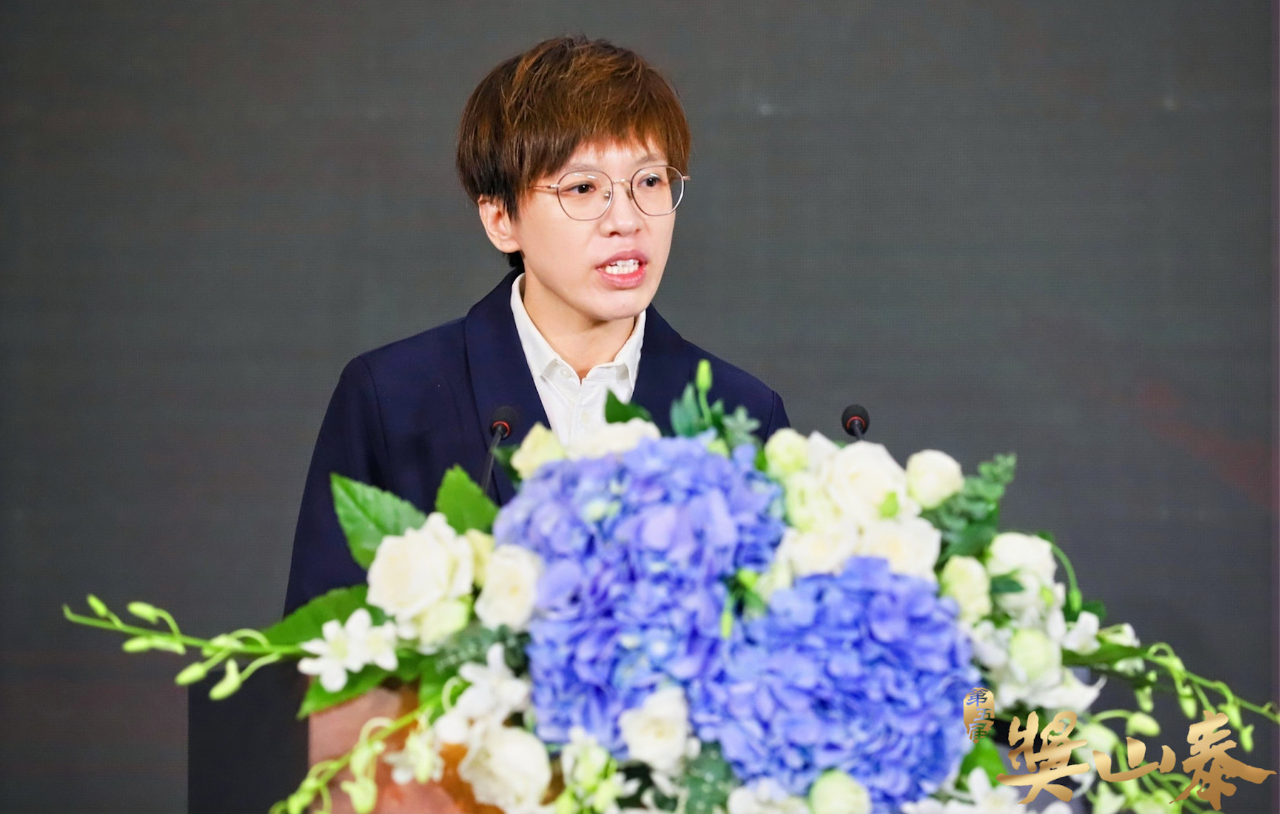
Yang Yang, Deputy Chief Physician, Department of Dermatology, The First Affiliated Hospital of China Medical University
Over the past 10 years, under the guidance of Professor Gao Xinghua and Academician Chen Hongduo in the Department of Dermatology at The First Affiliated Hospital of China Medical University, Yang Yang has been committed to the research and development and transformation of innovative treatment technologies, clinical programs, and medical equipment for photothermic induction of immune clearance of HPV infection.
As a young doctor, she has published more than ten SCI papers as the first or corresponding author in top international dermatology academic journals such as JAMA, Clinical Infectious Diseases, and J Invest Dermatol.
Her outstanding work has also won first prize in scientific and technological progress in Liaoning Province, third prize in China Medical Science and Technology Award, and second prizes from Liaoning Province and the Ministry of Education. In 2022, she received the Outstanding Young and Middle-aged Physician from the Dermatologist Branch of the Chinese Medical Doctor Association. Her research results have been highly praised by industry experts and have received special reviews from internationally renowned scholars.
"Young scholars should strive to better combine scientific research with clinical practice, and medicine with engineering, so as to better serve patients," said Dr. Yang Yang.
From Theory to Practice
The conference specially set up four major theme sharings
Theme One: The Possibility of Value-Based Medicine in China
Speaker: Chen Qiru, Initiator of the "Taishan Award" and Founder of "MedJ"
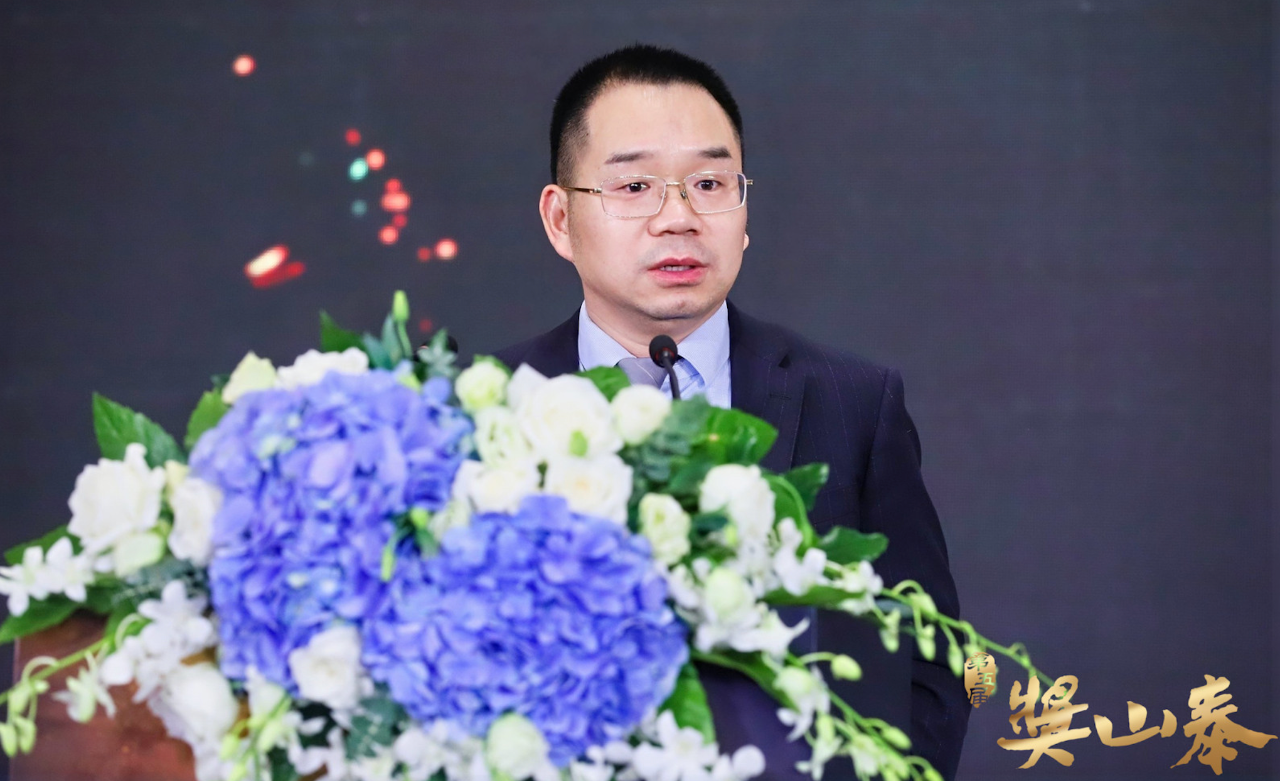
Chen Qiru,Founder of "MedJ"
In 2006, Professor Michael Porter from Harvard Business School published the concept of narrow value-based healthcare in his book Redefining Health Care Creating Value-Based Competition on Results, where "value" is considered as "the highest cost-performance ratio," emphasizing "spending less money to get better results."
In 2020, Professor Michael Porter proposed the "broader value frameworks," emphasizing the relationship between cost and clinical outcomes, and more strongly emphasizing the improvement of medical service quality centered on patients.
Mr. Chen Qiru pointed out that the development of China's healthcare still has imbalances and insufficiencies, and the "clinical effectiveness, improved experience, enhanced accessibility, and high cost-performance ratio" advocated by value-based healthcare can provide a theoretical basis and evaluation criteria for the reform of medical care, medical insurance, and pharmaceuticals.
For example, value-based healthcare can provide an assessment methodology for future medical service price reforms in China; use price as a lever to guide the upgrading of medical services and the improvement of management efficiency; improve the efficiency of medical insurance payments; ensure the security of payments; provide an assessment methodology for the medical insurance access of drugs and devices; and provide a basis for the pricing of drugs and devices, guiding the industry's high-quality development.
Mr. Chen Qiru believes that the "value-based healthcare" theory has broad development prospects in China, and to truly promote and influence medical practice, it is not only necessary to have "just principles" but also "the power of role models." It is essential to applaud, focus on, and affirm those in China who are committed to researchers, reformers, and practitioners of "value-based healthcare." Therefore, "MedJ" established this award in 2019, strictly in line with the concept of "value-based healthcare."
"For a better Chinese healthcare, the Taishan Award will adhere to the evaluation criteria of 'professional stance, international standards, and Chinese role models' to discover more lights in Chinese medicine!" said Mr. Chen Qiru.
Theme Two: Value-Based Healthcare and the Practice of China's Medical Insurance Reform
Speaker: Jin Chunlin, Director of the Shanghai Center for Health and Development Research
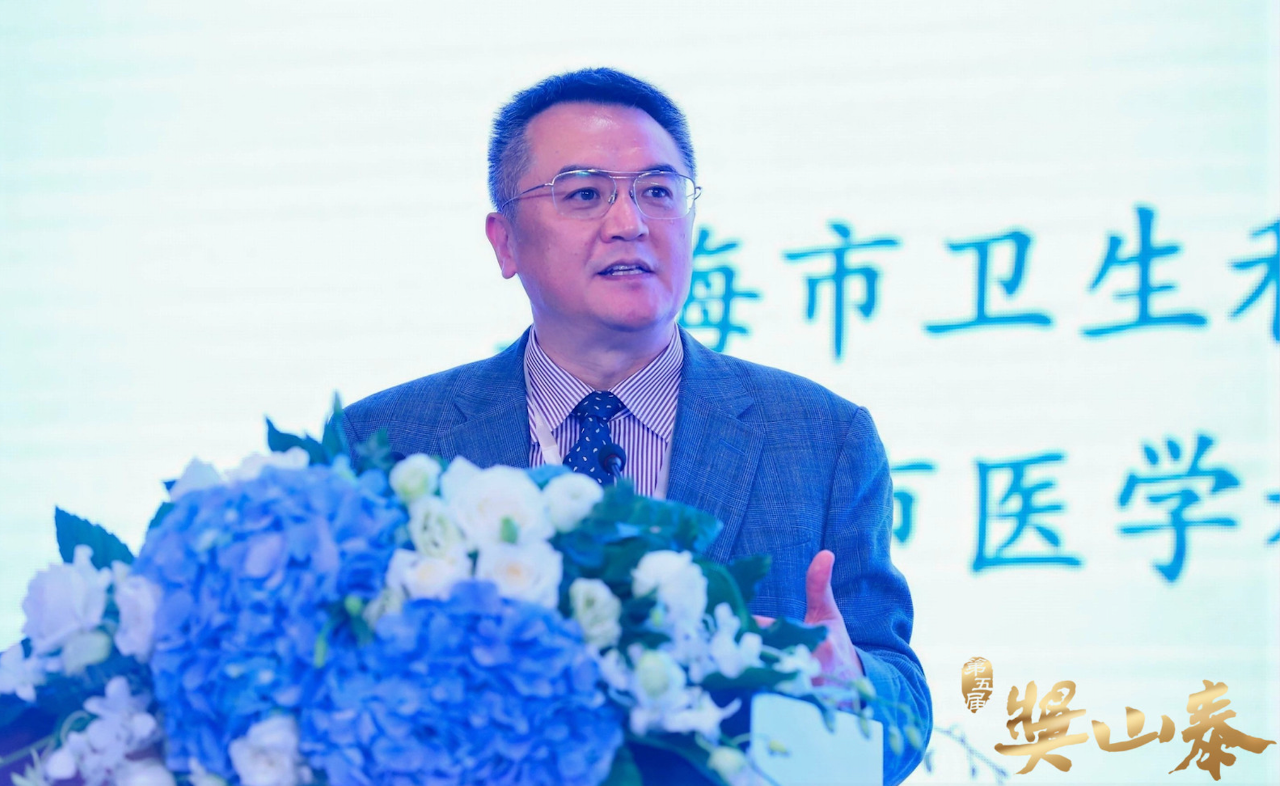
Jin Chunlin, Director of the Shanghai Center for Health and Development Research
"The medical care with the highest cost-performance ratio is value-based healthcare. In this formula, using medical quality and cost as the denominator is value."
Director Jin Chunlin said that medical quality is the core of value-based healthcare, and the measurement indicators include "accessibility," "health outcomes," and "satisfaction." These three indicators basically cover all dimensions of medical output. However, at present, medical institutions pay too much attention to the measurement of processes, and the various indicators and performance evaluations implemented by hospitals still rarely reflect the assessment of health outcome dimensions.
Director Jin Chunlin believes that it is necessary to promote the practice of value-based healthcare in China, which is first reflected in the current situation of huge medical waste. The World Health Organization has pointed out that there is 20%-40% irrational use in global healthcare, which includes both resource allocation and utilization capacity issues, as well as institutional mechanisms.
Secondly, the pursuit of value-based healthcare is also due to the current situation of different treatments for the same disease. Different treatment paths for the same disease have caused significant differences in treatment costs. Thirdly, from the perspective of national health strategy, the construction of a healthy China also requires the drive of value-based healthcare.
Finally, strategic purchasing is also an important reason for pursuing value-based healthcare. "The reform of the medical insurance payment system is the key to medical reform. We must slowly transition from payment based on quantity to focusing on the diagnostic and treatment process, and ultimately complete the payment system reform oriented by the value of clinical outcomes. Strive to transform the role of medical insurance payments from passive payment to real strategic purchasing."
Director Jin Chunlin also emphasized the focus of value-based healthcare in China's practice process from three perspectives: micro, meso, and macro.
From a micro perspective, treatment strategies should pursue economic effectiveness in the clinical process; from a meso perspective, medical institutions should aim for health outcomes, achieve efficient operation, and effectively cooperate between prevention, treatment, and rehabilitation; from a macro perspective, consider the rational allocation of overall health resources.
Theme Three: Value Leadership, Conducting World-Class Clinical Research
Speaker: Yang Pengfei, Vice President of Shanghai Changhai Hospital and Executive Director of the Cerebrovascular Disease Center
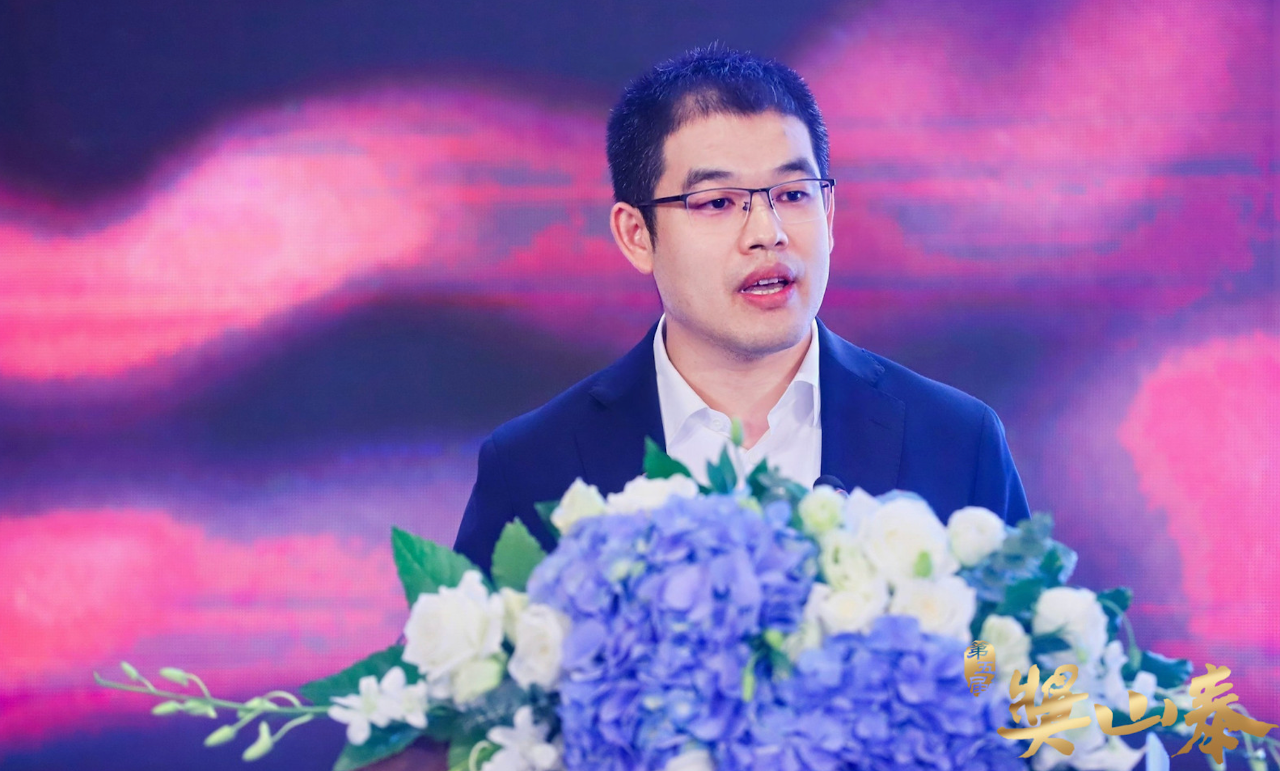
Yang Pengfei, Vice President of Shanghai Changhai Hospital
"Value healthcare" has three most basic elements: high medical quality, low medical costs, and good patient experience.
"From my understanding, value healthcare is economic effectiveness. We need to provide medical care that is both economical and effective for the people. As a clinical doctor, the most critical point is to find those effective medical methods. Effectiveness is the most critical," said Director Yang Pengfei.
"What is effective medical care? Evidence-based medicine focuses the most on clinical research. I believe that clinical research is the core technology to prove the efficacy of therapies," said Director Yang Pengfei, indicating that clinical research can not only provide effective medical care but also reduce costs.
Taking cerebrovascular disease intervention as an example, Director Yang Pengfei introduced that it is mainly targeting the two diseases, one is hemorrhagic stroke, and the other is ischemic stroke. "Take ischemic stroke, for example, it has two types. Small vessel blockage can be solved with thrombolytic drugs, but large vessel blockage cannot be dissolved by thrombolytic drugs. Interventional treatment is considered a direction, but 20 years of exploration has not found an effective method."
Director Yang Pengfei introduced that it was not until 2015 that five major clinical trials changed the treatment method of large vessel occlusive stroke, significantly improving patients' clinical outcomes. "This is the second milestone of the entire field of cerebrovascular intervention. Since then, manufacturers of cerebrovascular intervention devices worldwide have emerged like mushrooms after rain, and China's centralized procurement has also quickly followed, achieving effective medical care while ensuring the economy of medical care."
Therefore, Director Yang Pengfei said that randomized controlled clinical trials are the cornerstone of proving the effectiveness of medical methods. Conducting high-quality clinical research can not only improve clinical efficacy but also help improve medical economics and reduce the overall social medical costs.
“New therapies solve the problem of whether a disease can be treated. No matter how expensive a new therapy is, it is economically effective compared to life. When a therapy is very mature but not standardized enough, a large amount of ineffective medical care will increase medical costs. Therefore, high-quality clinical research can achieve value healthcare," said Director Yang Pengfei.
Theme Four: Hospital Management Based on Value-Based Healthcare
Speaker: Yu Guangjun, Deputy Dean of the Faculty of Medicine, The Chinese University of Hong Kong, Shenzhen; President of The Second Affiliated Hospital, The Chinese University of Hong Kong, Shenzhen
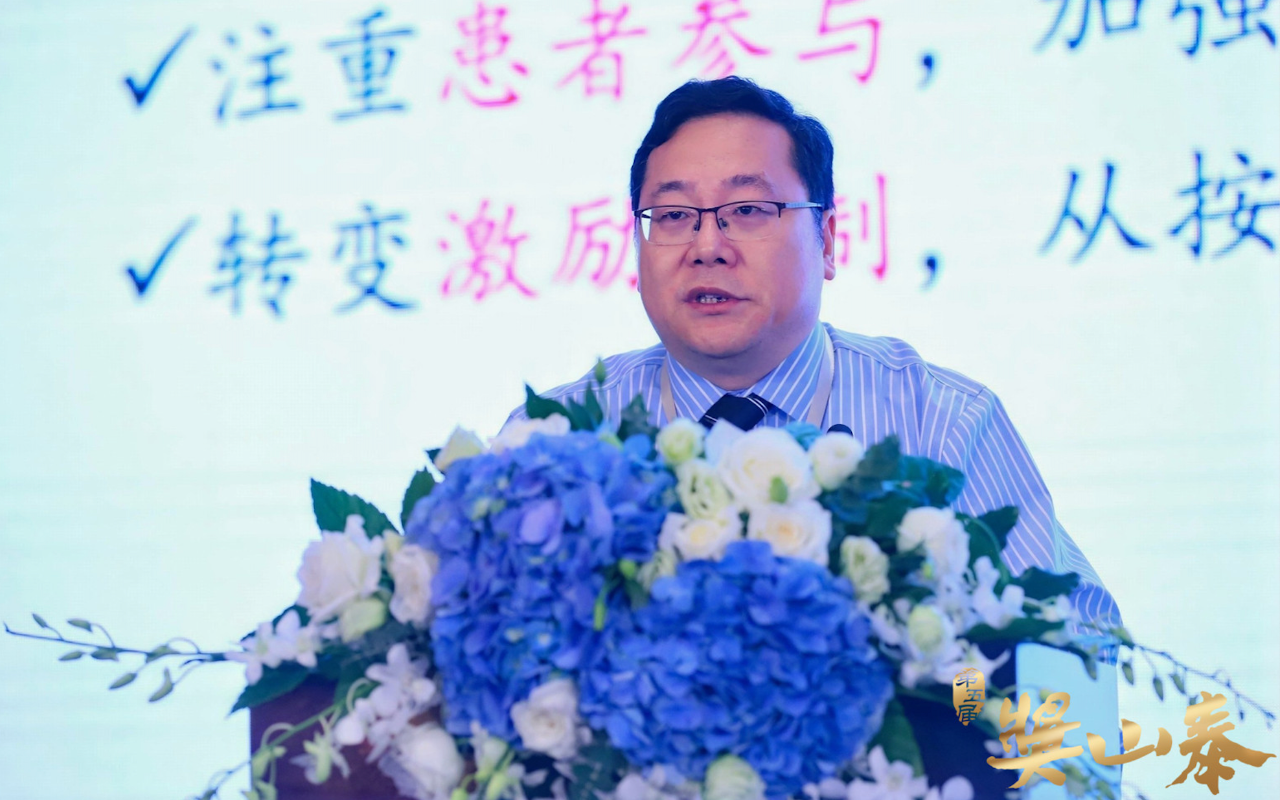
Yu Guangjun, Deputy Dean of the Faculty of Medicine, The Chinese University of Hong Kong, Shenzhen
Excessive medical treatment, aging population, development of new technologies, and issues of medical quality and safety have become chronic problems that have long plagued the development of health systems. Value-based healthcare emphasizes maximizing medical quality or medical outcomes at the same or lower cost, aiming to pursue cost-effective medical services. This concept has received strong support from health governance practitioners and practitioners as soon as it was proposed.
President Yu Guangjun is a practitioner and promoter of "value-based healthcare" in China. He said that value-based healthcare needs to be promoted in China at multiple levels, "including health and medical insurance at the policy level, diagnosis and treatment models and performance in hospital management, and diagnosis and treatment plans and education for clinical doctors."
Value-based healthcare has promoted significant changes in hospital management models: from focusing on disease treatment to emphasizing both disease treatment and services; from empirical medicine to evidence-based medicine; from specialized medical treatment to integrated medical care that combines medical treatment and prevention; from extensive medical care (low-cost medical care, excessive medical treatment) to high-quality medical care that focuses on cost-effectiveness; from rule-based and experience-based management to digital empowerment; and from single-hospital management to integrated service systems.
Specifically, President Yu Guangjun said that hospital management and development with value-based healthcare at its core are divided into six major aspects: First, patient experience, which focuses on the patient-centered approach, strengthens satisfaction assessment, and continuity; Second, evidence-based medicine, such as vigorously promoting cost-effective appropriate technologies, conducting evidence-based medicine assessments of diagnostic and treatment guidelines and consensus, optimizing clinical pathways, and striving to reduce excessive medical treatment and unproven low-effective medical care.
The third is integrated medicine, including the overall medical service process that covers the costs of prevention, screening, treatment, and rehabilitation, rather than just partial costs; full-process cooperation across multiple institutions and disciplines; and the establishment of regional chronic disease prevention and treatment systems for major chronic diseases such as cardiovascular and cerebrovascular diseases, metabolism, and tumors.
The fourth is health economic evaluation, including the selection and access of new technologies, clinical pathways and guidelines, and information guidance. The fifth is digital empowerment, which is divided into data transparency, peer comparison, information guidance, information sharing, and AI healthcare.
The last item is system support, including organizational systems, payment mechanisms, and performance management. Taking performance management as an example, it is necessary to pay more attention to health outcomes and treatment outcomes, not just quantity and process indicators, such as the survival rate after tumor surgery rather than just the volume of complex surgeries.
"I think high-quality development is the specific manifestation of value-based healthcare in Chinese hospital management. The implementation of value-based healthcare in hospitals will promote a transformation in hospital management models. Patient experience, evidence-based medicine, integrated medicine, health economic evaluation, digital empowerment, and system support are the six major elements of value-based healthcare. Digital-driven, medical prevention integration, and medical insurance integration are the three major exploration measures." President Yu Guangjun said.
[Roundtable Discussion]
China's Opportunities and Challenges in Value-Based Healthcare
Focusing on issues such as "China's macro environment and policy orientation for promoting value-based healthcare," "Understanding and exploration of value-based healthcare," and "How clinical doctors can promote value-based healthcare," this conference has a special roundtable discussion session, hosted by Chen Jie, co-founder and chief medical officer of "MedJ," with the participation of Feng Yanhui, senior vice president of Eisai Global and president of Eisai China, Jin Chunlin, director of the Shanghai Center for Health and Development Research, Pan Zhongying, president of Beijing United Family Hospital, Wu Shuling, chief person in charge of the "Kailuan Study," and Yang Pengfei, vice president of Shanghai Changhai Hospital.
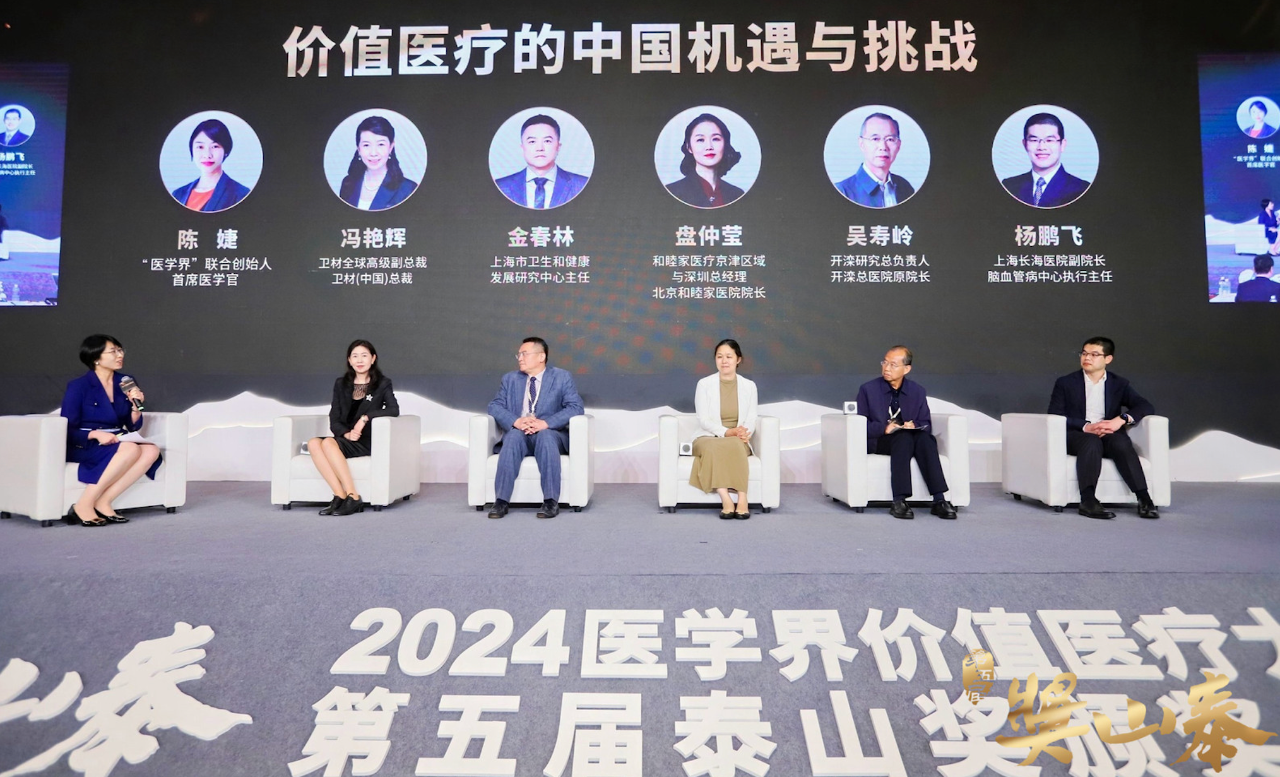
Roundtable Discussion / From Left: Ms. Chen Jie, Ms. Feng Yanhui, Director Jin Chunlin, Dean Pan Zhongying, Professor Wu Shuling, Dean Yang Pengfei
After the roundtable forum, members of the Taishan Award Management Committee and representatives of this year's award winners will jointly launch the "Value-Based Healthcare Practice in China" new book launch ceremony — we will look for innovative practices that practice value-based healthcare nationwide, conduct in-depth investigations and research, compile excellent practice cases into books, and showcase the practical results of China's value-based healthcare.
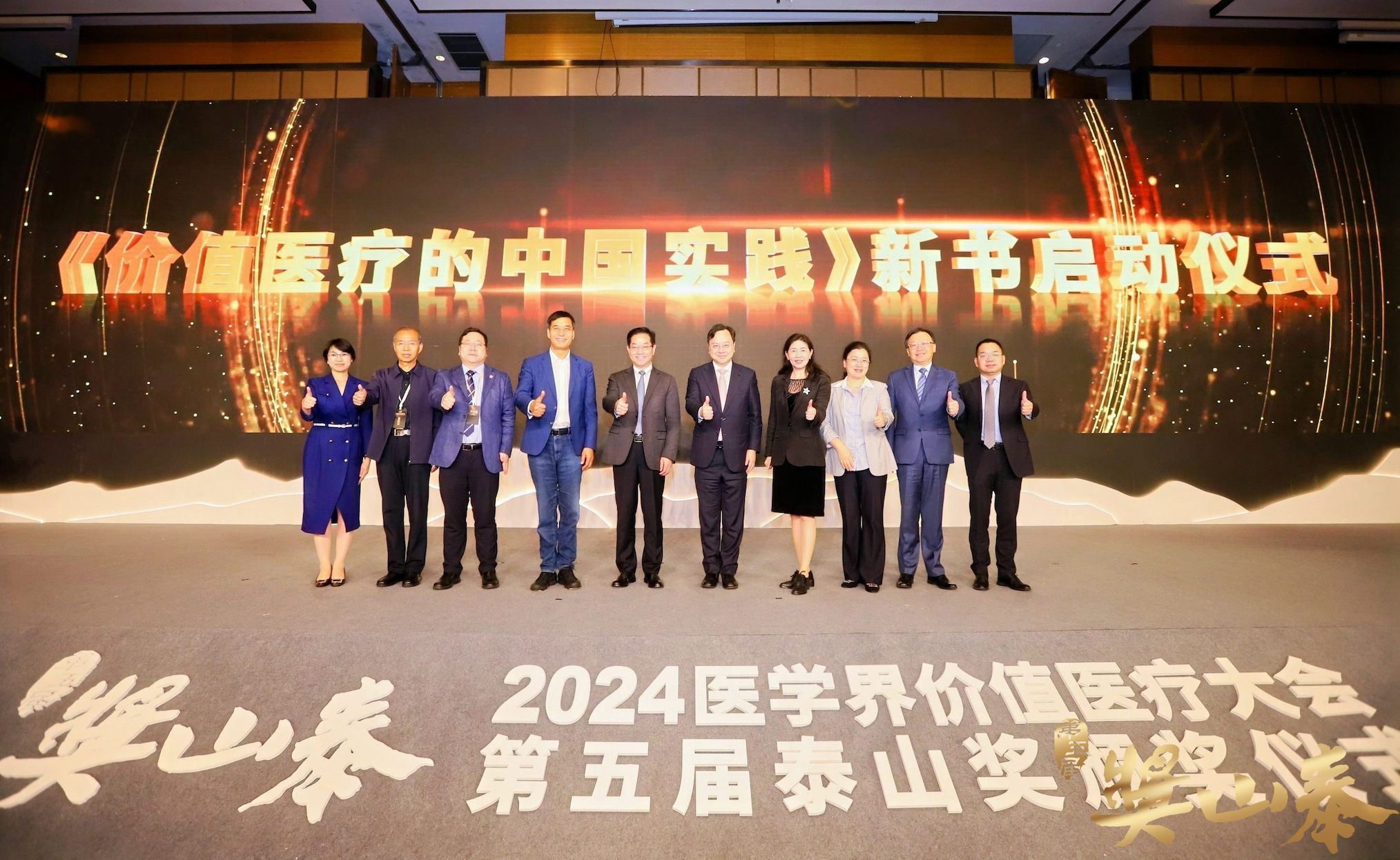
Launch Ceremony of the New Book "Value-Based Healthcare Practice in China" / From left: Ms. Chen Jie, Professor Wu Shuling, Dean Yu Guangjun, Director Liu Jianmin, Academician Fan Xianqun, Academician Lu Yuming, Ms. Feng Yanhui, Dean Yan Hua, Dean Ren Minghui, Mr. Chen Qiru
In addition, this forum was also guided by the People's Government of Yangpu District, Shanghai, and the Shanghai Center for Health and Development Research, co-hosted by the Health Committee of Yangpu District, Shanghai, the Medical Security Bureau of Yangpu District, Shanghai Yangpu Science and Innovation (Group) Co., Ltd., the Great Creation Smart Development Demonstration Zone, and the Qionghai Boao Primary Health Care Innovation Development Research Center.
As one of the co-organizers of this conference, the Great Creation Smart in Yangpu District has initially formed a smart medical industry cluster characterized by "Internet + Big Health," gathering about 60 enterprises directly involved in digital health, covering medical resource integration, medical research, medical consulting services, medical devices (including AI imaging), pharmaceutical distribution, and industrial investment, and more than ten international smart medical platforms, forming a digital health innovation ecosystem here.
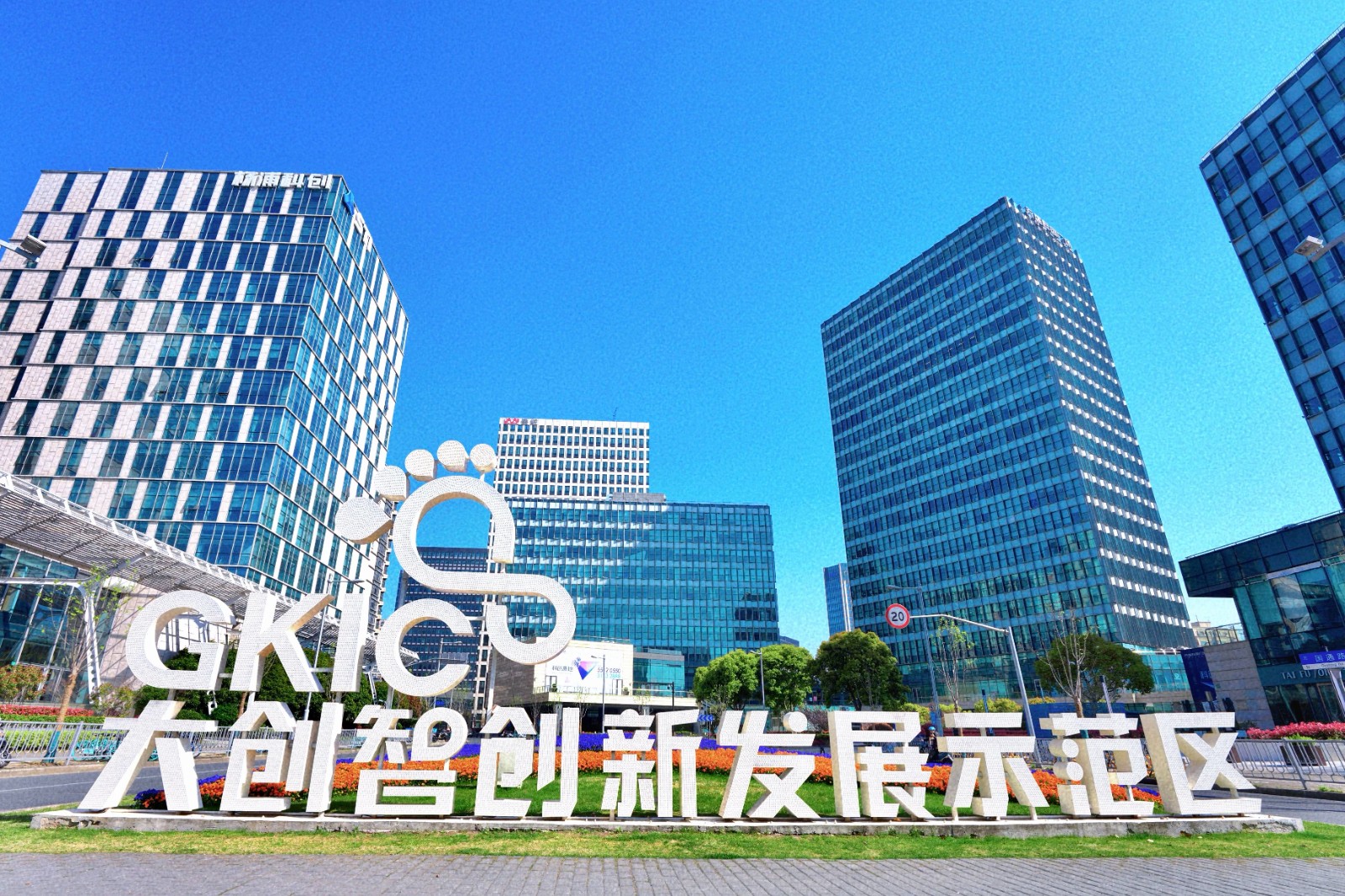
Da Changzhi Innovation Development Demonstration Zone
With the empowerment of globally renowned universities such as Fudan University and Tongji University, as well as key tertiary hospitals and research institutions such as the Shanghai Pulmonary Hospital, Changhai Hospital, and Xinhua Hospital, a new highland of Yangpu's digital health industry is taking shape. In the near future, an internationally influential smart medical innovation center focusing on new technologies, new products, new scenarios, or related fields of the smart medical industry will become a reality in Yangpu's Great Creation Smart.
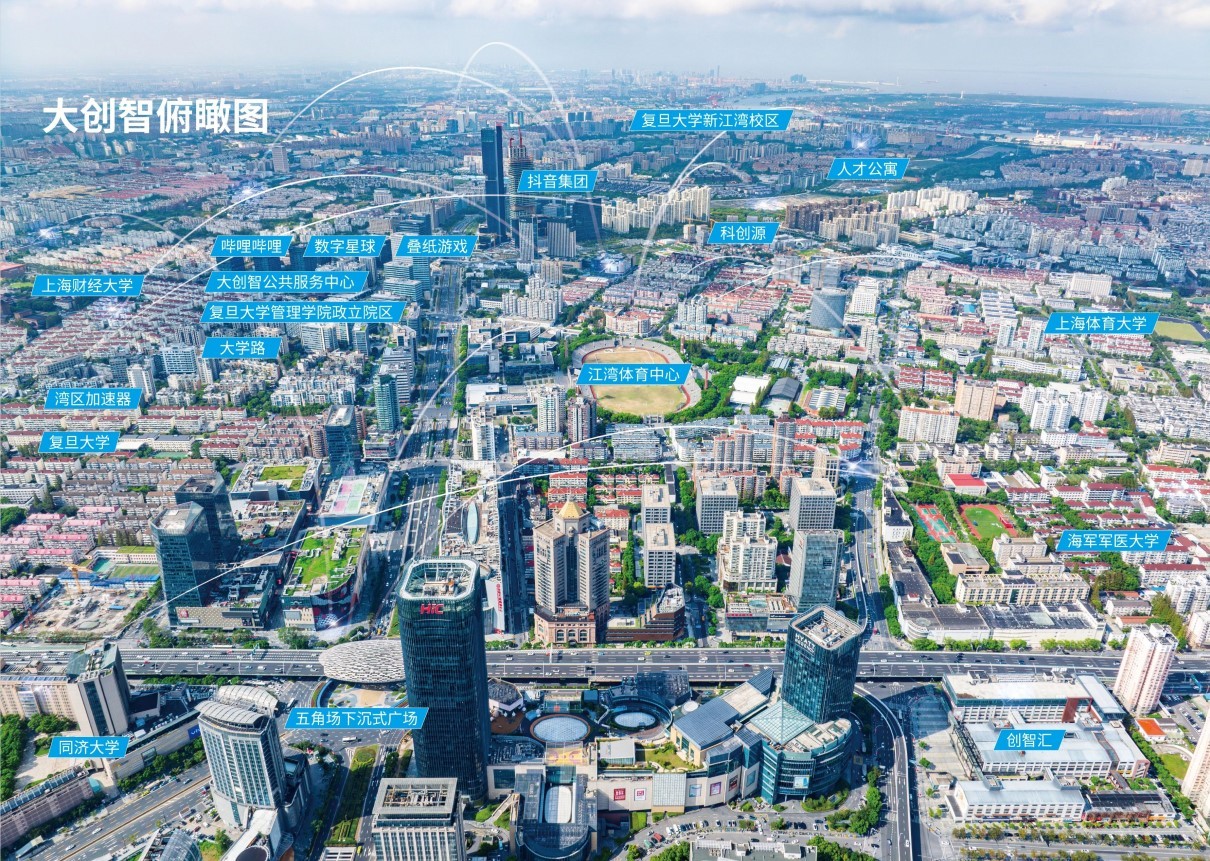
Aerial View of Da Changzhi
On the path of practicing value-based healthcare, MedJ" will continue to adhere to the business philosophy of "science, professionalism, and kindness," and continue to discover the light of Chinese medicine. Let's meet again next year!

