


From September 6 to 9, 2025, the World Conference on Lung Cancer (WCLC) was held in Barcelona, Spain, bringing together experts and scholars from around the world to share the latest research and breakthroughs in lung cancer diagnosis and treatment. Among the highlights, Dr. Pasi A. Jänne from the Dana-Farber Cancer Institute delivered an oral presentation on September 9 at 11:32–11:37 local time (17:32–17:37 Beijing time) on the WU-KONG1B study (NCT03974022)[1]—an international multicenter, randomized, critical phase II study evaluating sunvozertinib in previously treated non-small cell lung cancer (NSCLC) patients with EGFR exon 20 insertion mutations—drawing widespread attention.
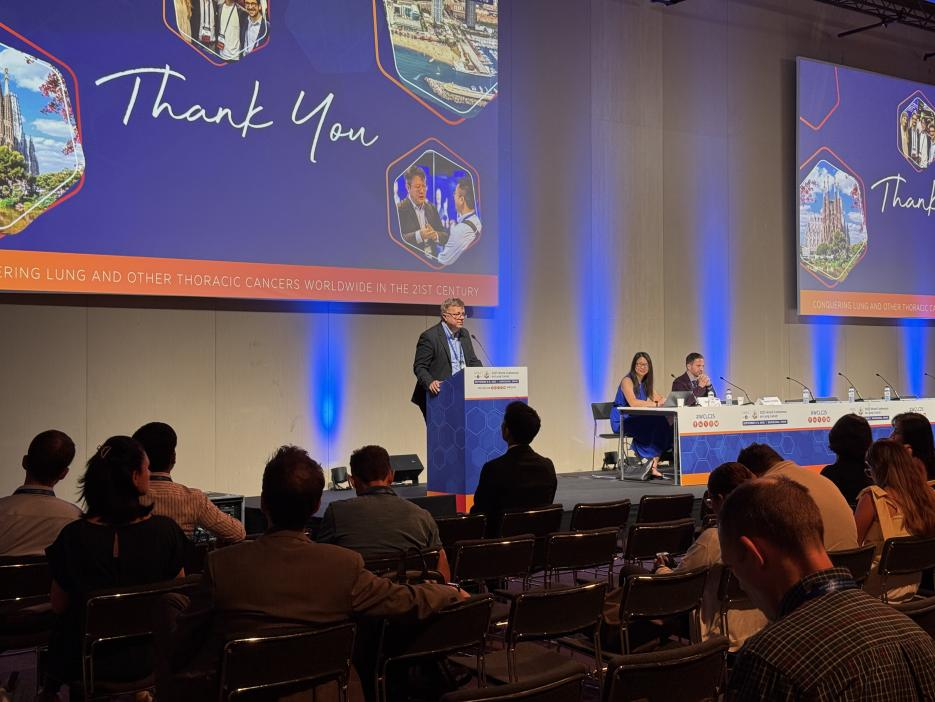
Figure 1. Academic Presentation by Dr. Pasi A. Jänne
WU-KONG1B Study Confirms Durable Efficacy of Sunvozertinib with Benefits in Brain Metastasis and Previously Treated Populations
The WU-KONG1B study aimed to evaluate the efficacy and safety of sunvozertinib in EGFR ex20ins-mutant NSCLC patients who had received at least one prior line of systemic therapy. Based on early study data, patients were randomized to receive either 200 mg or 300 mg once daily (QD), with a prespecified interim analysis to determine the optimal dose.
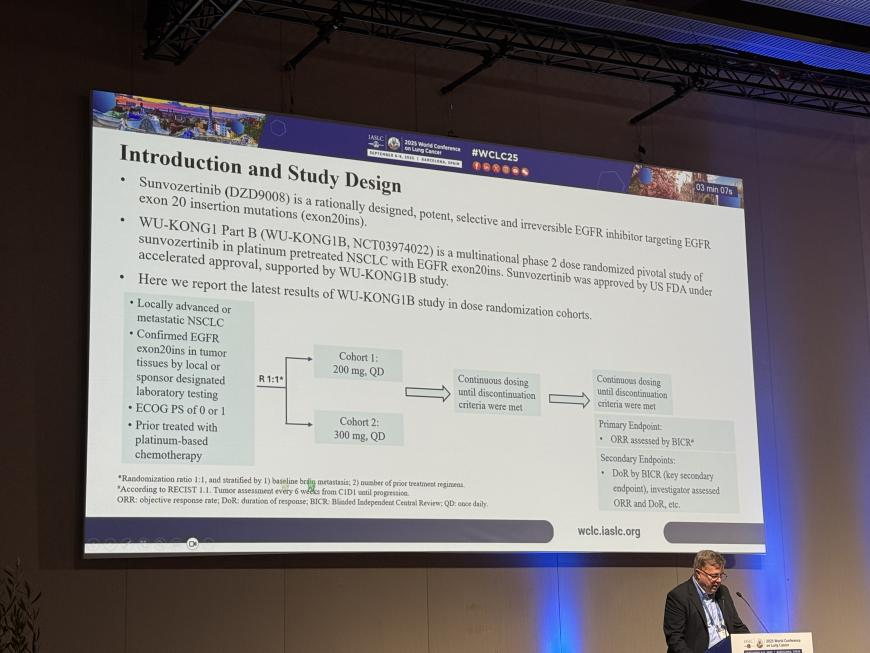
Figure 2. Design of the WU-KONG1B Study
Efficacy Results
As of December 2, 2024, 184 patients were randomized. As confirmed by blinded independent central review (BICR), the objective response rates (ORR) in the 200 mg and 300 mg groups were 45.9% (97.5% CI: 33.6%–58.5%) and 47.2% (97.5% CI: 35.1%–59.5%), respectively, both significantly meeting the primary endpoint (P < 0.0001). The disease control rates (DCR) were 89.4% (97.5% CI: 79.6%–95.6%) and 92.1% (97.5% CI: 83.3%–97.2%), respectively. The median duration of response (DOR) was 11.1 months (95% CI: 8.2–NE) in the 200 mg group and 13.8 months (95% CI: 8.3–NE) in the 300 mg group. Median progression-free survival (PFS) was 8.4 months (95% CI: 6.8–13.9) and 7.7 months (95% CI: 6.0–9.8) in the 200 mg and 300 mg groups, respectively, demonstrating durable antitumor activity.
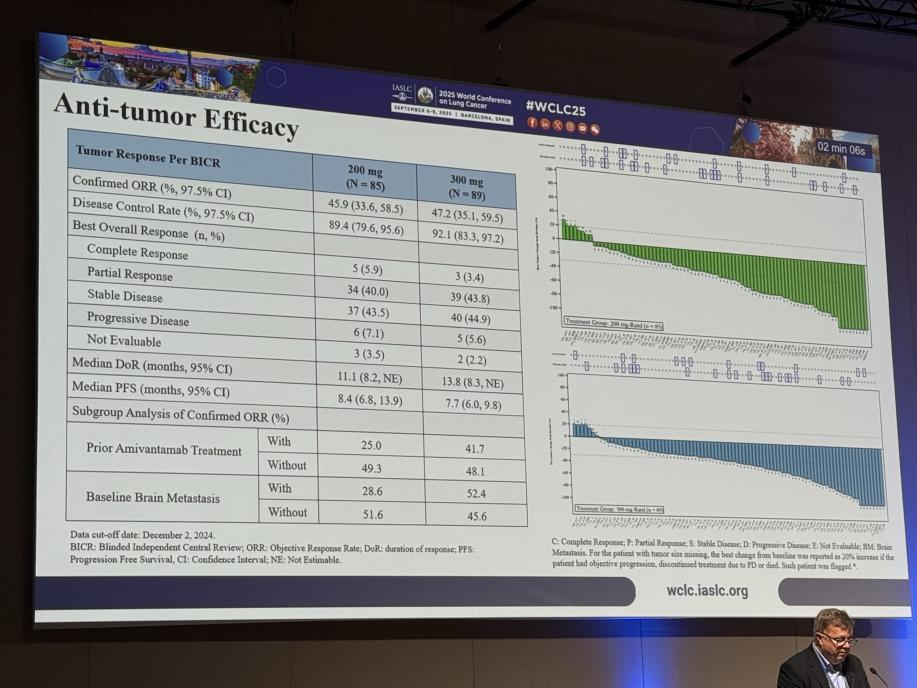
Figure 3. Comparison of Efficacy Between the Two Group
Notably, subgroup analyses showed that the 300 mg group exhibited improved efficacy in patients with baseline brain metastases or those previously treated with amivantamab: ORRs were 52.4% and 41.7%, respectively, with better outcomes than the 200 mg group (28.6% and 25%). This suggests that the 300 mg dose may offer greater therapeutic potential in refractory populations.
Safety Profile
The safety profile of sunvozertinib was consistent with previously reported data. The most common treatment-related adverse events of grade ≥3 included diarrhea, increased creatine phosphokinase, and anemia. Adverse events were clinically manageable, with low treatment discontinuation rates (4.4% in the 200 mg group and 7.5% in the 300 mg group) and no treatment-related deaths.
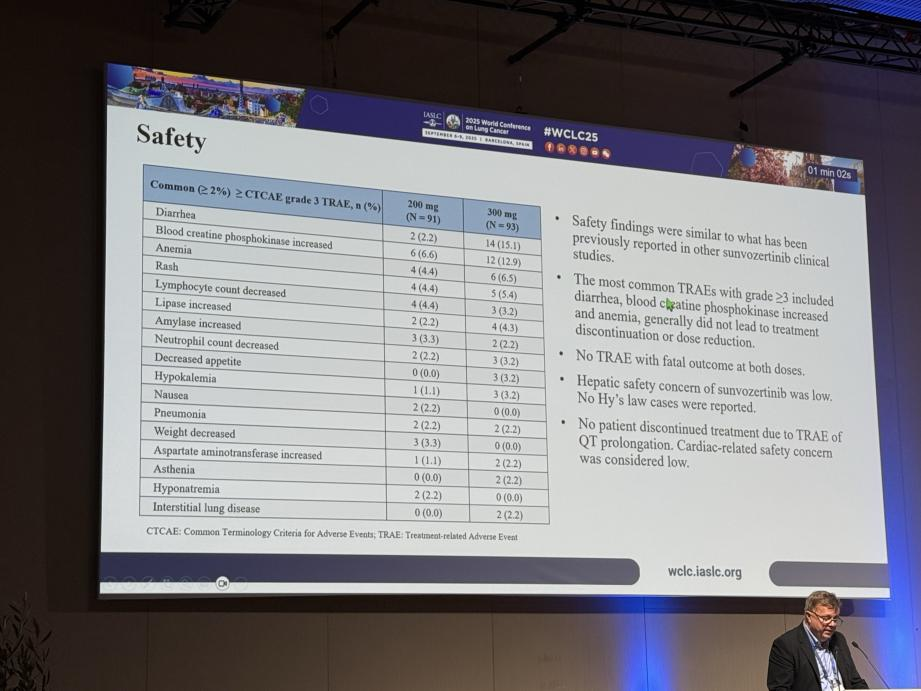
Figure 4. Comparison of Safety Between the Two Groups
Dr. Pasi A. Jänne stated in the presentation: “With extended follow-up, the WU-KONG1B study further confirms that sunvozertinib has significant and durable antitumor activity in previously treated EGFR ex20ins-mutant NSCLC patients. The 300 mg dose showed a more favorable trend in populations with brain metastases and prior amivantamab treatment, supporting its use as a new treatment option for these patients.”
Reference:
[1]M. Wang, et al. A Multinational Phase 2 Randomized Pivotal Study of Sunvozertinib in Pretreated NSCLC With EGFR Exon 20 Insertion Mutations. 2025WCLC. MA08.01.

