


Cerebrospinal fluid (CSF) biomarkers for Alzheimer’s disease (AD) are a cornerstone for early diagnosis, pathological confirmation, and disease-stage assessment. Yet laboratory-to-laboratory and platform-to-platform variability has long been an industry pain point, severely limiting the comparability of data across multi-center studies and international clinical trials, and hindering the standardized use of these biomarkers in clinical practice worldwide. Establishing globally consistent, ethnically robust cutoff values remains a critical unmet need.
Today, at the 2026 Alzheimer’s Association International Conference (AAIC 2026), Prof. Jia Jianping of Xuanwu Hospital, Capital Medical University, presented a landmark study covering nearly ten thousand participants across multiple ethnic groups. The study established and validated a global, race-adapted cutoff system for AD CSF biomarkers — successfully addressing the core challenge of standardization and cross-population applicability, and laying an important foundation for globally homogeneous, precision diagnosis of AD.
Research Methods: A Large Multi-Racial Cohort for Authoritative Cutoffs
The study was a large multi-racial cohort study. Of 10,194 participants enrolled globally, 9,773 valid samples were included in the final analysis. The cohort covered three major ethnic groups — Asian (5,549 participants), White (3,860) and Black (3,640) — and three disease stages — cognitively normal (CN), AD-source mild cognitive impairment (MCI), and AD dementia — spanning the full AD disease spectrum.
The study integrated data from Chinese multi-center cohorts and international public datasets. Using the CentiMarker standardization framework, core CSF indicators — Aβ42, p-tau181, t-tau, p-tau181/Aβ42, and t-tau/Aβ42 — were uniformly converted into a biologically anchored, standardized quantitative score on a 0–100 scale. This effectively calibrated and reduced biases introduced by different detection systems, achieving normalized interpretation of biomarker results.
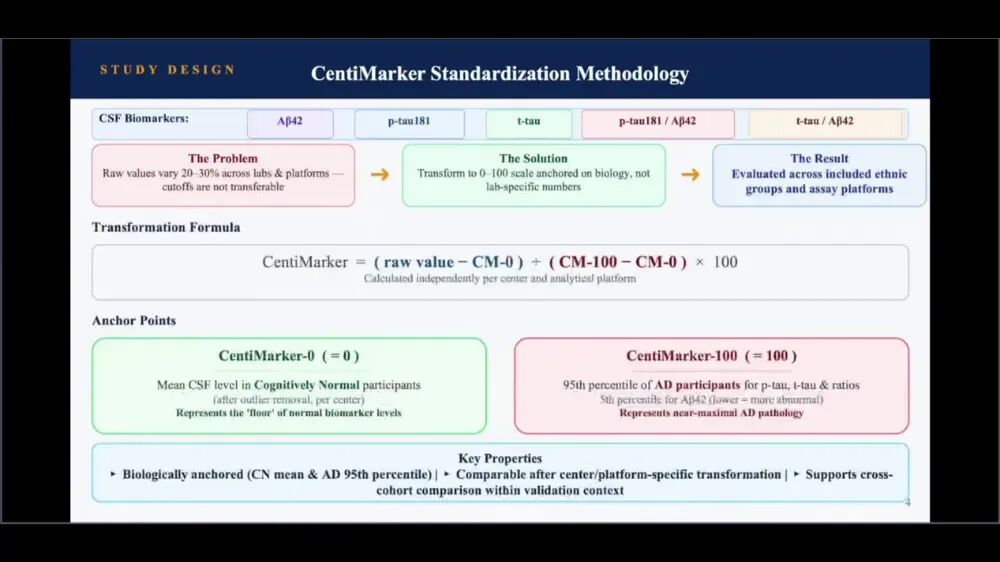 Fig. 1. CentiMarker Standardization Methodology
Optimal diagnostic cutoffs were identified through receiver operating characteristic (ROC) curve analysis and validated within each racial group. The biological validity of the cutoffs was further tested against amyloid PET imaging (in 1,141 participants) and neuropathological examination (in 481 participants) as reference standards. Independent validation was then performed using three prospective external cohorts — from Switzerland, Korea and China — to confirm the stability and generalizability of the findings.
Core Results: Single- and Dual-Cutoff Schemes for Both Precision and Generalization
1.p-tau181/Aβ42 Was the Optimal Diagnostic Marker
Efficacy analysis showed that p-tau181/Aβ42 achieved the best diagnostic performance in distinguishing AD patients from CN (AUC 0.93, 95% CI 0.93–0.94), with very high diagnostic accuracy.
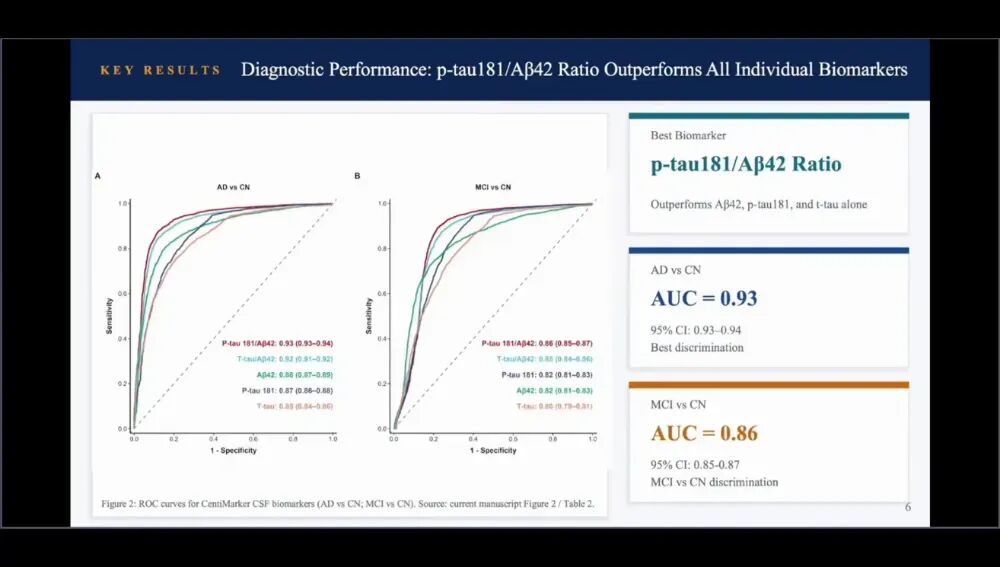 Fig. 2. p-tau181/Aβ42 Outperformed All Individual Biomarkers
2.Two Cutoff Schemes for Different Clinical Scenarios
The study designed two standardized diagnostic schemes, flexibly adaptable to clinical screening versus precision diagnosis:
Single cutoff (12.0): overall diagnostic accuracy 87.7% (sensitivity 88.3%, specificity 87.3%) — simpler to operate, suited for large-scale clinical screening and population-level epidemiological surveys.
Dual cutoff (9.7/15.7): overall diagnostic accuracy raised to 89.4%, with only 5.9% of participants in the indeterminate zone — substantially reducing misdiagnosis and missed diagnosis, suited for clinical precision diagnosis and clinical-trial enrollment assessment.
 Fig. 3. Comparison of Single- and Dual-Cutoff Schemes
3.Cross-Racial Performance Was Highly Stable
Validation across multiple racial groups confirmed that the standardized cutoff system showed no meaningful racial differences. Diagnostic accuracy remained at high levels in each group — Asian (90.6%), White (87.7%), Black (92.4%) — effectively addressing the historical limitation of most biomarkers having narrow population applicability and limited racial generalizability.
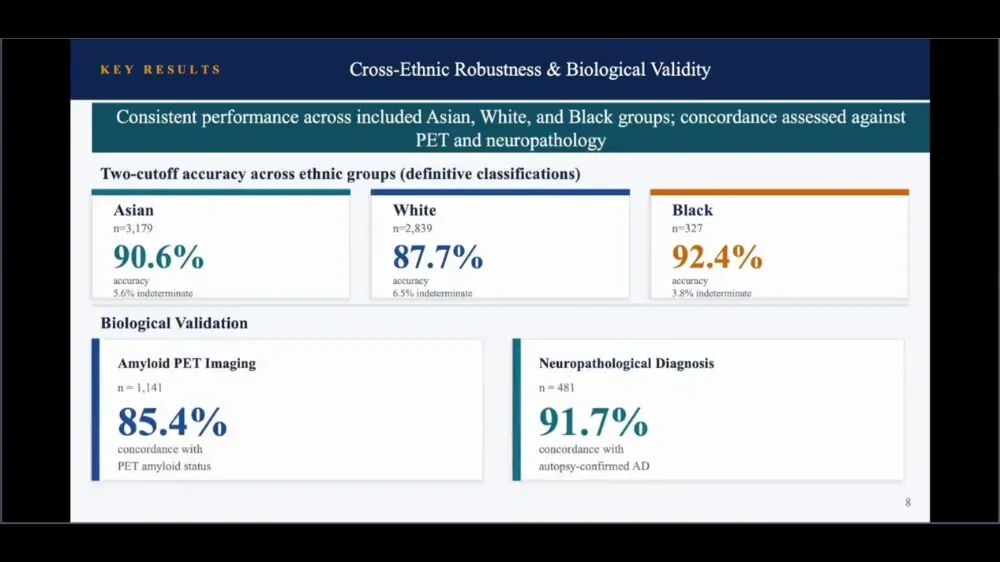 Fig. 4. Cross-Racial Robustness and Biological Validity
4.Strong Concordance with Pathology and Imaging Reference Standards
Against amyloid PET imaging, the cutoffs agreed with imaging results in 85.4% of cases; against neuropathology, agreement reached 91.7%, confirming solid biological validity.
Three independent external cohorts delivered strong results: the Swiss cohort achieved 100% accuracy, the Korean cohort 89.4%, and the Chinese prospective cohort 91.2% — further confirming the stability and reliability of the standard across different populations and detection systems worldwide.
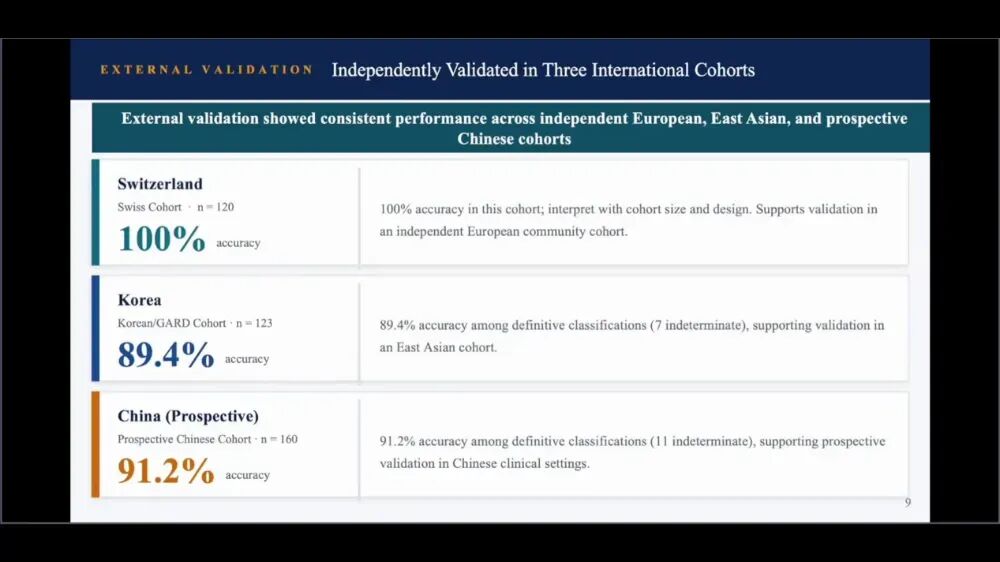 Fig. 5. Independent Validation in Three International Cohorts
Research Significance: Evidence-Based Support for Standardized Interpretation and Cross-Population Application
This study, to a meaningful extent, mitigates the variability in CSF biomarker results caused by differences among laboratories and detection platforms. It can provide a relatively unified standard for interpreting CSF biomarker results from AD studies in different regions and medical institutions worldwide. At the same time, the standardized cutoff system can improve the comparability of data from international multi-center clinical studies, offering robust evidence-based support for optimizing AD diagnostic and treatment protocols, conducting related clinical trials, and unifying diagnostic standards.
Validated across multiple racial groups, multiple external cohorts, and imaging and pathology reference standards, this cutoff scheme demonstrates strong stability and broad generalizability. It is expected to provide a standardized reference tool for clinical AD early screening, diagnostic evaluation, and disease monitoring, and to offer important support for advancing standardized precision diagnosis and research in AD worldwide.

