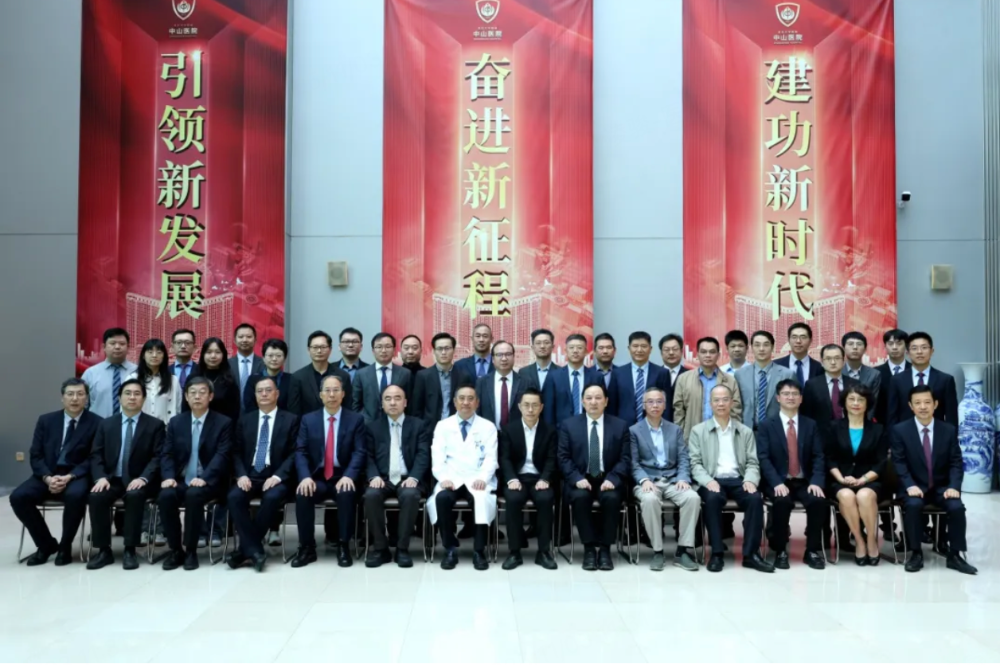
MedJ learned from Zhongshan Hospital, Fudan University, that the Fudan University Spinal Tumor Research Institute was officially established on November 2. On the same day, the Institute’s official journal—Bone and Bone Related Cancer Research (BBRCR)—was launched. BBRCR is China’s first English-language international journal dedicated specifically to spinal tumors.
With the acceleration of population aging, the incidence of primary bone tumors and bone metastases has continued to rise each year. Among them, spinal tumors have become a major disease threatening public health.
As the axial and structural core of the human body, the spine is densely populated with critical structures such as the spinal cord and nerve roots. Spinal tumors are characterized by insidious onset, high risk of misdiagnosis, strong malignancy, rapid progression, and pathological complexity. Their diagnosis and treatment demand a much higher level of multidisciplinary collaboration than most diseases. However, in China, research resources on spinal tumors remain fragmented, and basic research is often disconnected from clinical practice—significantly hindering scientific breakthroughs and clinical translation.
The establishment of these two platforms aims precisely to address these long-standing challenges, accelerating efforts toward building a world-class spinal tumor research and treatment center. At the ceremony, Dr. Jia Fan, Academician of the Chinese Academy of Sciences and Honorary President of Zhongshan Hospital, extended his congratulations via video message.
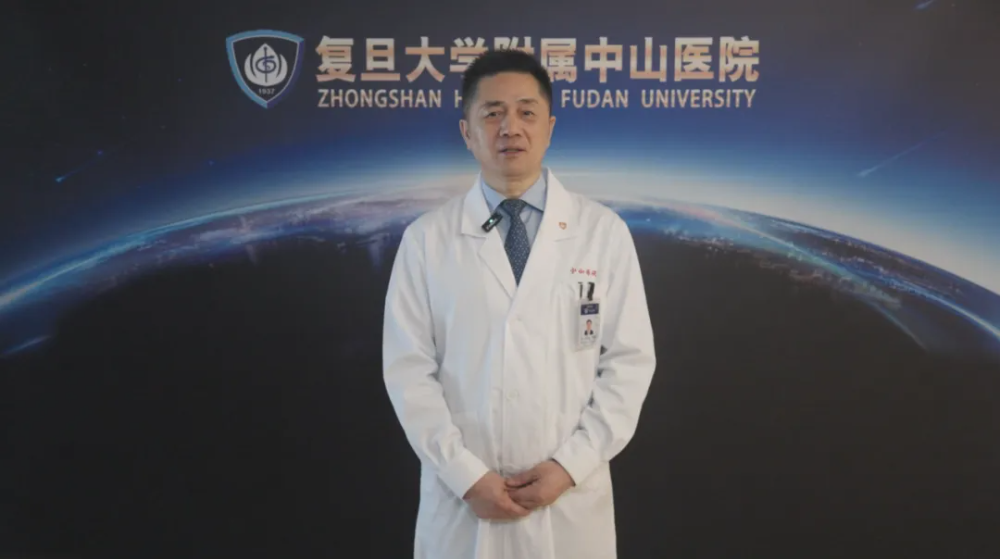
Screenshot of video speech by Jia Fan, Academician of the Chinese Academy of Sciences and Honorary President of Zhongshan Hospital Affiliated to Fudan University.
As a designated National Medical Center and a pilot institution for high-quality development of public hospitals, Zhongshan Hospital, Fudan University, has long been committed to interdisciplinary integration and scientific innovation. Dr. Jian Zhou, President of Zhongshan Hospital, emphasized that the establishment of a dedicated Spinal Tumor Research Institute is a key initiative responding to the “Healthy China” strategy and enhancing academic influence and diagnostic and therapeutic capabilities in this field. He also affirmed that the hospital will provide full support for the development of both the Institute and its official journal, BBRCR.
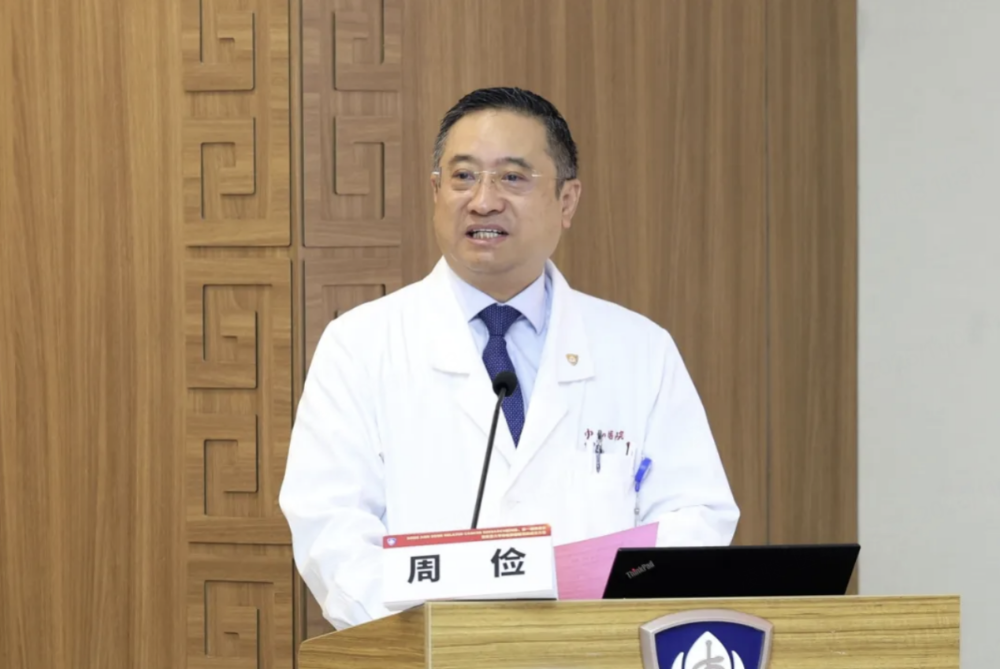
Professor Jian Zhou, President of Zhongshan Hospital Affiliated to Fudan University
The conference also announced the organizational structure of the Institute and the editorial board of the journal. Dr. Jian Dong, Director of the Orthopedics Department at Zhongshan Hospital, serves as the inaugural Director of the Institute and founding Editor-in-Chief of BBRCR.
Regarding the Institute’s development strategy, Dr. Dong stated that future efforts will focus on in-depth investigation of spinal tumor pathogenesis, development of more precise diagnostic technologies and more effective therapeutic regimens, and the translation of research findings into clinical practice that benefits a wider patient population. These efforts aim to raise the overall diagnostic and therapeutic standards in the field of spinal tumors.
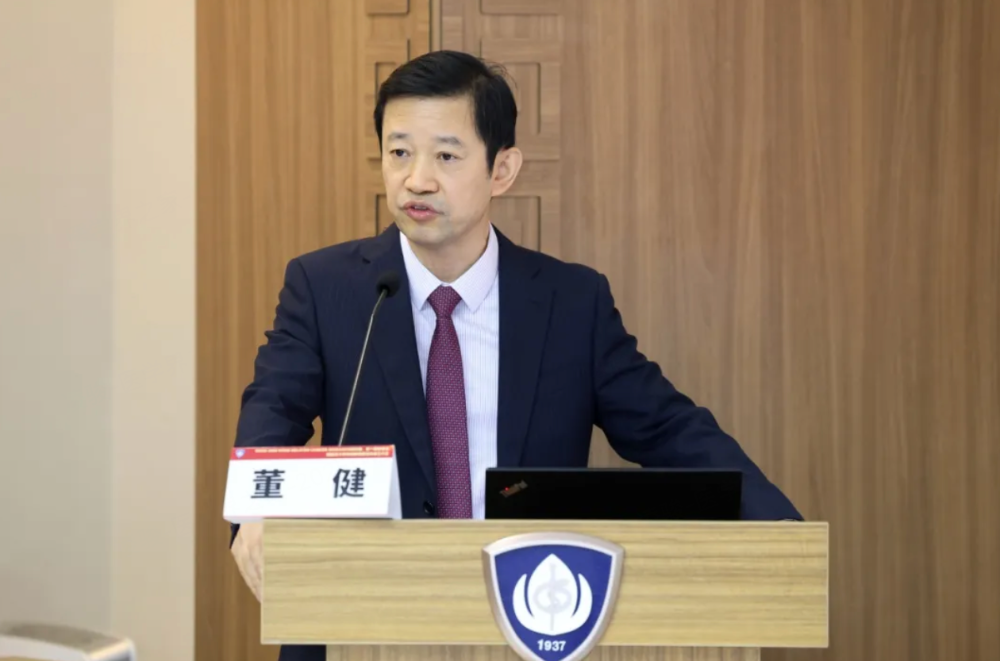 Professor Jian Dong, Director of the Department of Orthopaedic Surgery, Zhongshan Hospital, Fudan University, Shanghai, China.
Launched simultaneously with the Institute, BBRCR is positioned as a fully English-language international journal dedicated to establishing a high-level academic exchange platform in bone and bone-related cancer research.
The journal brings together more than 20 leading scholars from China and abroad as members of its editorial board. Upholding rigorous standards and international publishing practices, BBRCR will prioritize the publication of innovative original research across all areas of bone-related research, including bone tumors. The journal seeks to foster deep academic exchange and collaboration among global scholars and to continuously enhance China’s academic influence and voice in this field.
During the academic discussion session, members of the Institute and the journal’s editorial office engaged in in-depth discussions on future work plans, while participating experts offered valuable insights and suggestions, contributing diverse perspectives to the growth of the dual platforms.
Looking ahead, the Fudan University Spinal Tumor Research Institute will use platform development as a foundation to strengthen multidisciplinary collaboration and focus collective efforts on addressing medical challenges in spinal tumor diagnosis and treatment. It is expected to lead China’s spinal tumor research onto the global stage and bring advanced medical solutions to spinal tumor patients worldwide.