


Bridging the “last mile” between global innovation and local clinical practice, SPH Device is driving with two wheels, artificial intelligence and supply chain, and mapping out a new landscape for engineering-clinical translation and refined hospital operations.
As artificial intelligence accelerates into healthcare, how are the innovation boundaries of the medical device industry changing?
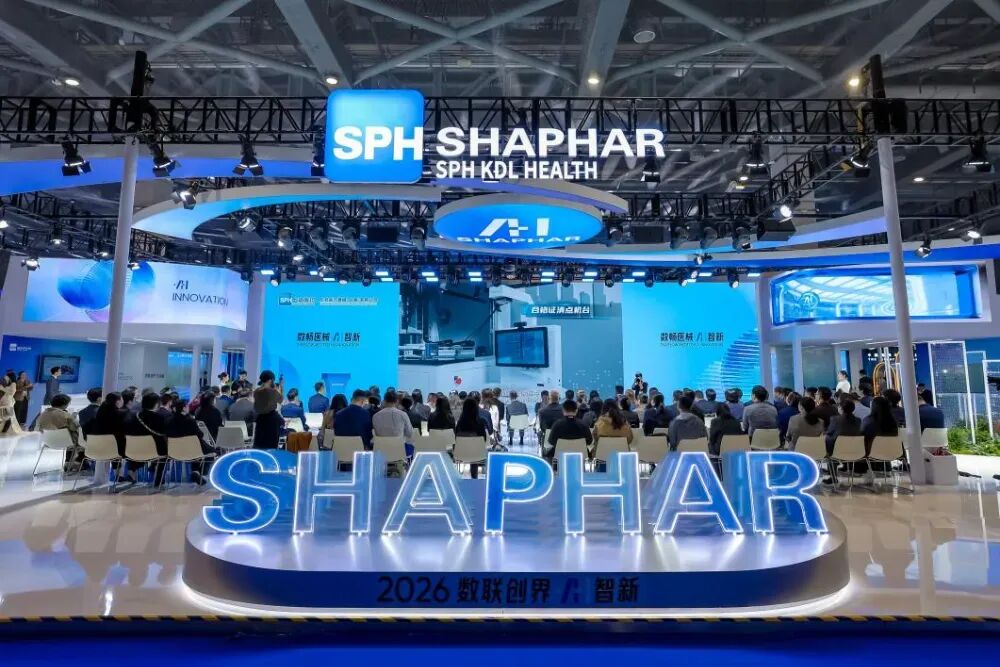
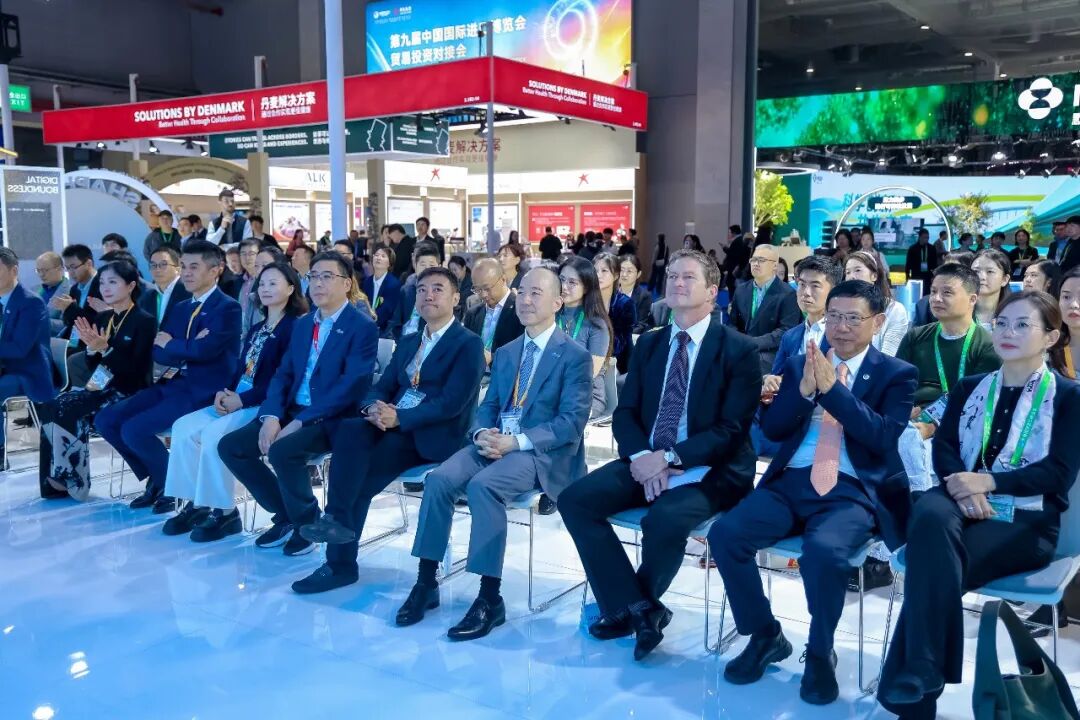
On November 8, during the 9th China International Import Expo (CIIE), Shanghai Pharma Medical Device (Shanghai) Co., Ltd. (SPH Device) held its themed session, “Digital Devices, AI Innovation”, at the Shanghai Pharmaceuticals Holding Co., Ltd. (Shaphar) booth. The event brought together representatives from leading tertiary hospitals, global medical device companies, research institutions and industry service providers, and, through strategic signings, the release of a digital solution and two forums, explored new paths for innovation and high-quality development in the medical device industry in the era of artificial intelligence.
Article Key Points
• SPH Device signs with Coloplast, Medtronic, Cepheid and ZOLL at the 9th China International Import Expo
• Agreements cover long-term care, cardiovascular intervention, molecular diagnostics and critical care
• SPD 3.0 adds RFID, UDI four-code unification, AI visual counting, large-model forecasting, digital twin
• Shanghai Chest Hospital nutrition assessment agent has served more than 500,000 patients
• Company event report; no peer-reviewed performance data were presented
Seventy-Four Years of Expanding Service Boundaries as the CIIE Links Global Innovation
At the opening of the session, Zhongfu Cui, chief economist of the China Federation of Logistics and Purchasing; Yong Zhao, deputy party secretary and vice president of Shanghai Pharmaceuticals and chairman of the Shanghai Medical Device Industry Association; and Gang Ren, deputy general manager of Shaphar and chairman of SPH Device took turns delivering opening remarks, and a launch ceremony was held.
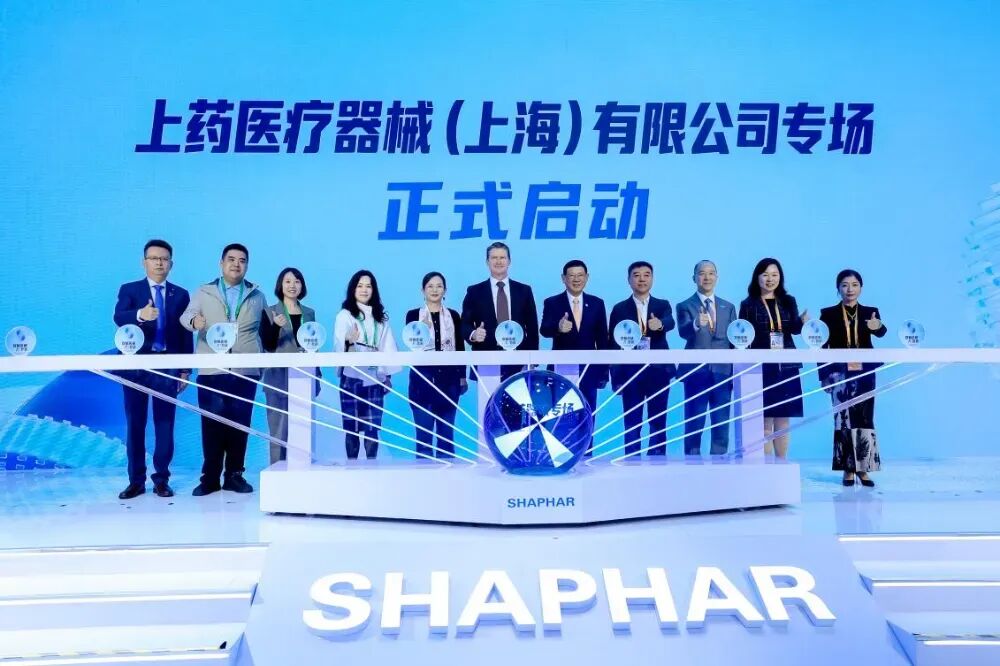 Fig. 1. Launch ceremony for the SPH Device themed session
Cui said that, as the new healthcare reform, public hospital performance assessment and diagnosis-related group (DRG) and diagnosis-intervention packet (DIP) payment reform continue to deepen, hospitals have set higher requirements for fine-grained consumable management, cost reduction and efficiency, and end-to-end traceability. He noted that although SPD has already been upgraded into an important hospital management model, it still faces problems such as long supply chains and isolated data silos, and that breakthroughs through technologies such as artificial intelligence and the internet of things are urgently needed, with the expectation that all parties in the industry will jointly promote the standardisation and digitalisation of the supply chain.
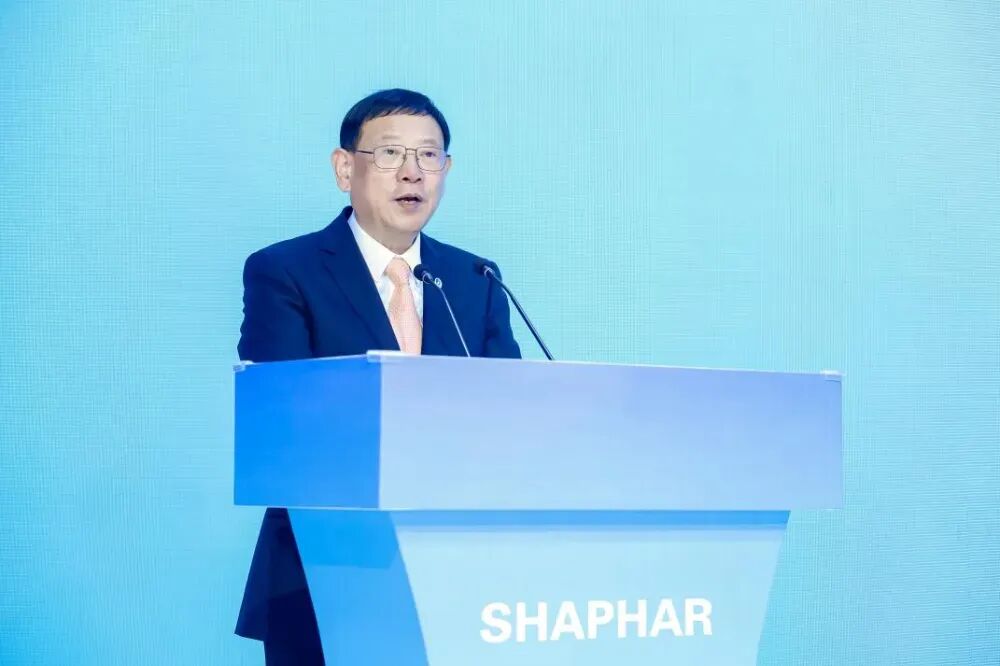 Fig. 2. Zhongfu Cui, chief economist of the China Federation of Logistics and Purchasing
Zhao said that accelerating population ageing, quality improvement in primary care, precision medicine and smart hospital construction are releasing new demand for medical devices. Faced with the development of frontier technologies such as AI medicine, surgical robots and minimally invasive intervention, Shanghai Pharmaceuticals will continue to pursue open connection, mutual empowerment and value-added services. In future it will work to open up the channel between the introduction of global technology and local clinical demand, and contribute Chinese solutions to the global medical and health cause.
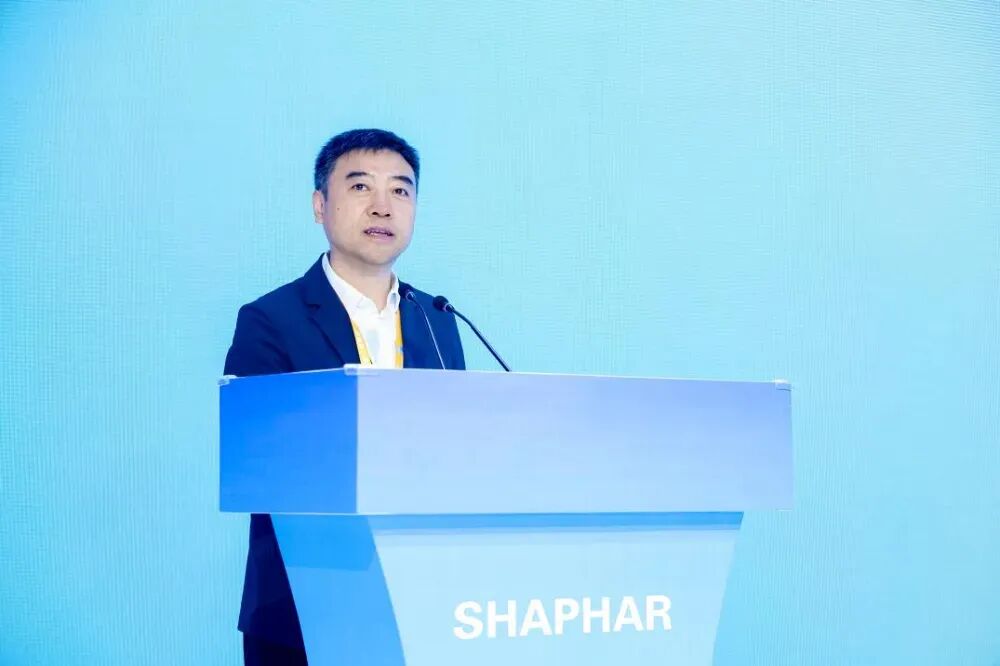 Fig. 3. Yong Zhao, deputy party secretary and vice president of Shanghai Pharmaceuticals and chairman of the Shanghai Medical Device Industry Association
Ren reviewed the 74-year development of SPH Device. He said that, from nationwide medical device distribution to services reaching deep into hospital operations, SPH Device has kept extending the boundaries of its industrial services, and that over the past 10 years the company has grown from several hundred million renminbi to more than 10 billion renminbi in scale. He stated that he hopes to use the CIIE, an open platform, to bring in global cutting-edge technologies and products faster and better, while also pushing foreign-invested enterprises deeper into the Chinese market and conducting more innovative cooperation suited to local needs.
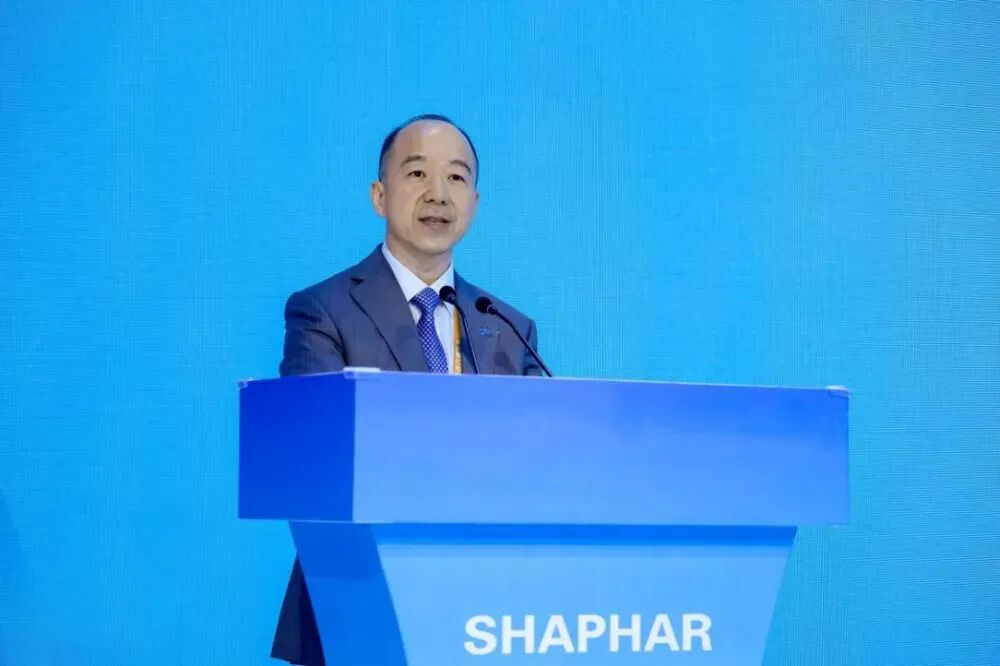 Fig. 4. Gang Ren, deputy general manager of Shaphar and chairman of SPH Device
Joining Hands With Four International Medical Device Companies to Further Expand the Cooperation Map
At the event, the SPH Device business reached signings and strategic cooperation with four global medical device companies, Coloplast, Medtronic, Cepheid and ZOLL, covering such areas as long-term care, cardiovascular intervention, molecular diagnostics and critical care. Guests from both sides took turns to take the stage and give remarks, and the signing ceremonies were completed.
At the SPH Device and Coloplast signing ceremony, Ren said that SPH Device will in future continue to bring more Coloplast products into China and promote more locally developed innovations tailored to Chinese needs so that more patients benefit; Weiwei Jiang, general manager for the long-term care business, Greater China, at Coloplast (China) Medical Products Co., Ltd., said that Coloplast and SPH Device have walked hand in hand for 15 years and will in future bring more globally innovative nursing products into clinical use more quickly; and Jens Alsbirk, Consul General of the Kingdom of Denmark in Shanghai, expressed higher expectations for continued deepening of cooperation and complementary strengths between Chinese and Danish companies.
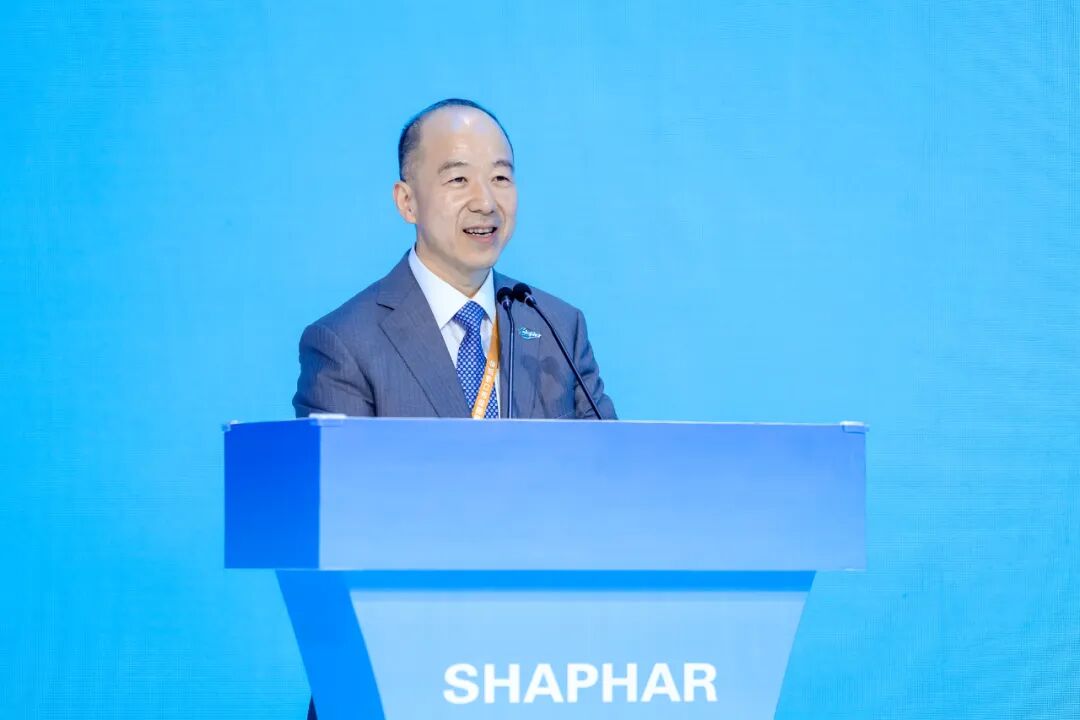 Fig. 5. Gang Ren addressing the SPH Device and Coloplast signing ceremony
 Fig. 6. Weiwei Jiang, general manager for the long-term care business, Greater China, at Coloplast (China) Medical Products Co., Ltd.

Fig. 7. Jens Alsbirk, Consul General of the Kingdom of Denmark in Shanghai
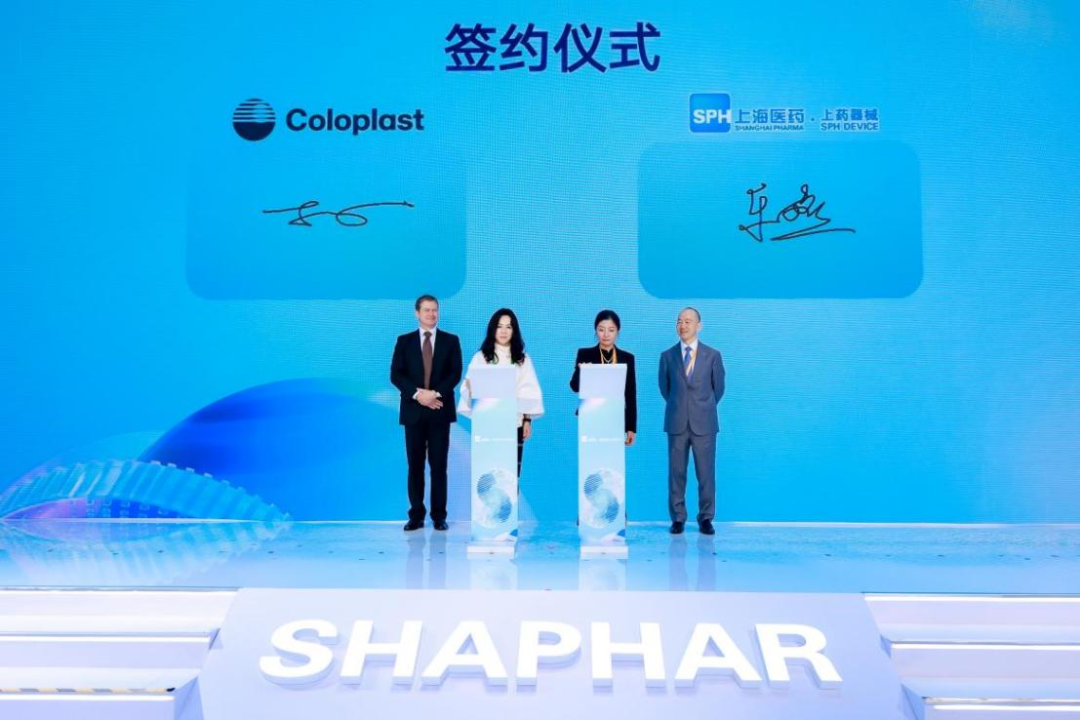 Fig. 8. SPH Device and Coloplast signing ceremony
At the SPH Cross-United and Medtronic signing ceremony, Ren expressed his strong expectation that both sides will deepen innovation cooperation based on local needs and work together to achieve “in China, for the world”; Fang Huang, vice president for structural heart, aortic and peripheral vascular health at Medtronic, said that the cooperation between Medtronic and SPH Cross-United has expanded from a single product line to multiple product lines, and that the scale of cooperation has grown from tens of millions of renminbi to hundreds of millions.
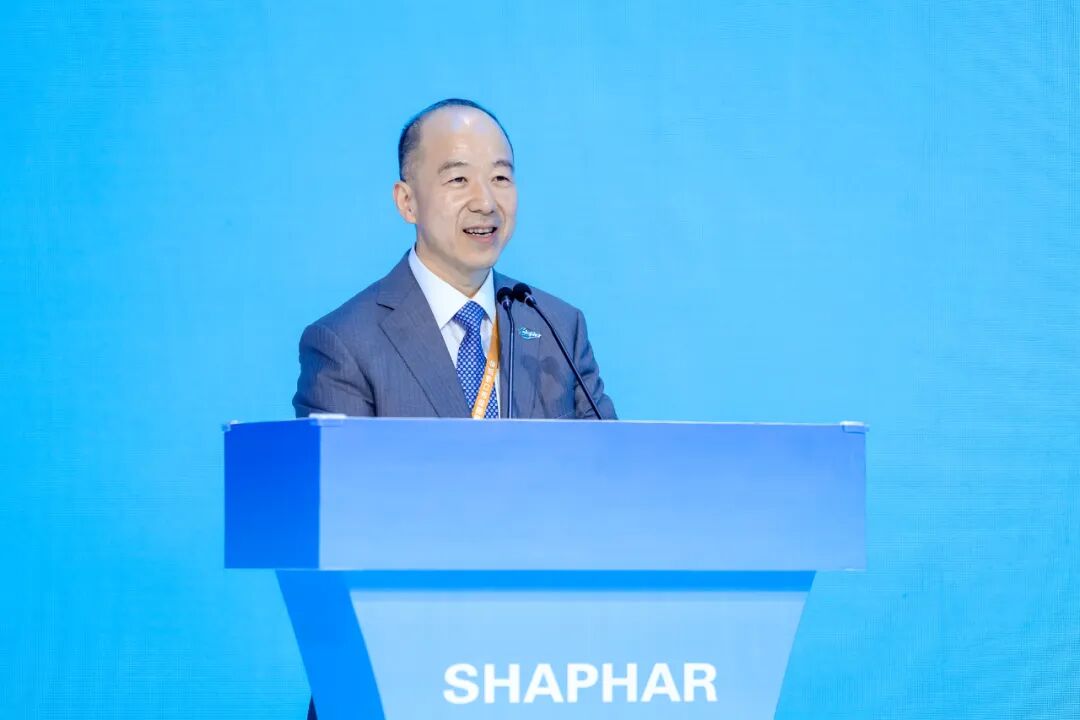 Fig. 9. Gang Ren addressing the SPH Cross-United and Medtronic signing ceremony
 Fig. 10. Fang Huang, vice president for structural heart, aortic and peripheral vascular health at Medtronic
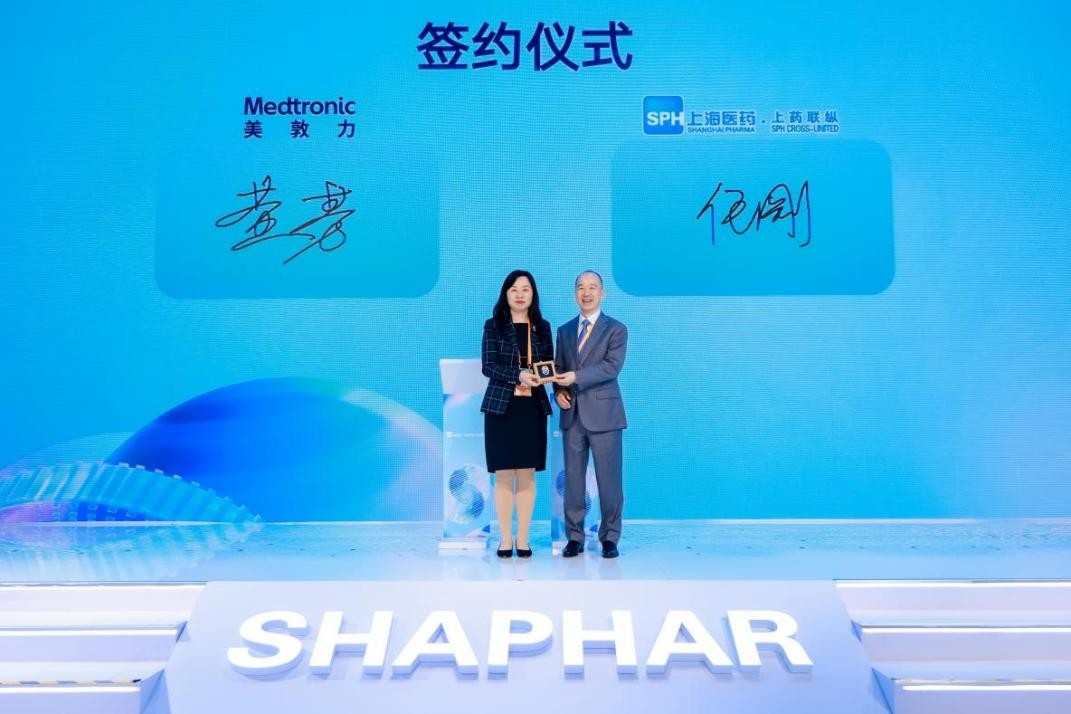 Fig. 11. SPH Cross-United and Medtronic signing ceremony
At the SPH Medical Supply Chain Management and Cepheid signing ceremony, Kena Zhang, general manager of SPH Medical Supply Chain Management (Shanghai) Co., Ltd., said the company will draw on the advantages of its terminal network and cold chain management to speed the application of Cepheid products in the Chinese market; Xianbing Sun, general manager for China at Cepheid, stressed the hope to take this signing as a new starting point and, in light of actual clinical conditions in China, drive more innovative testing solutions into implementation.
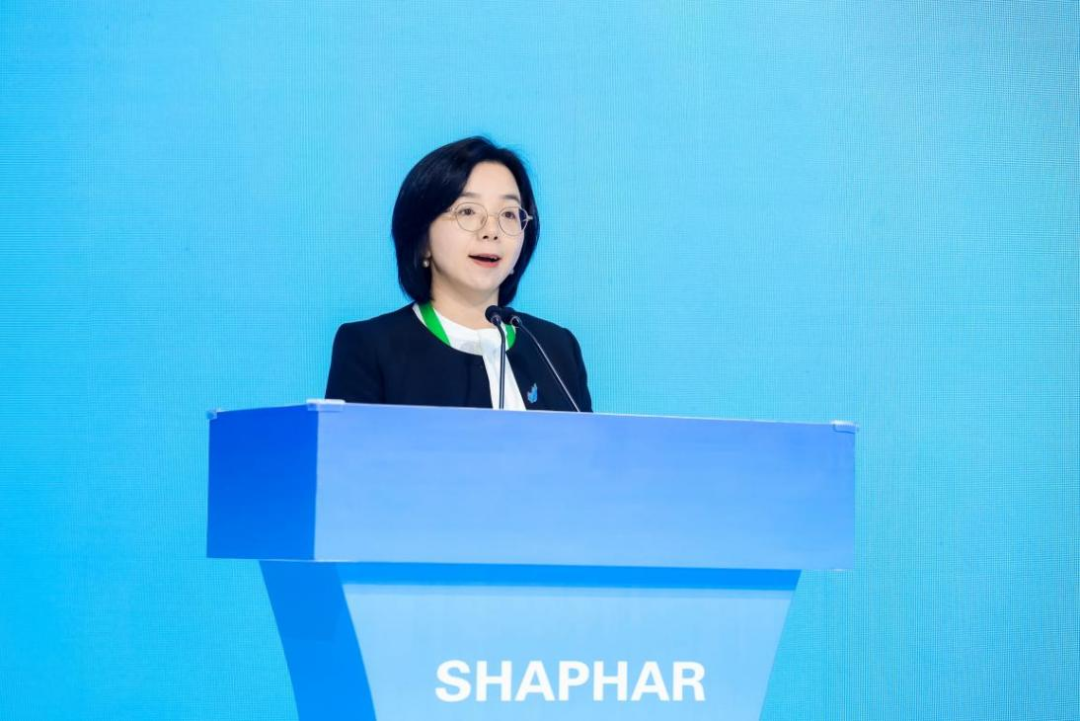 Fig. 12. Kena Zhang, general manager of SPH Medical Supply Chain Management (Shanghai) Co., Ltd.
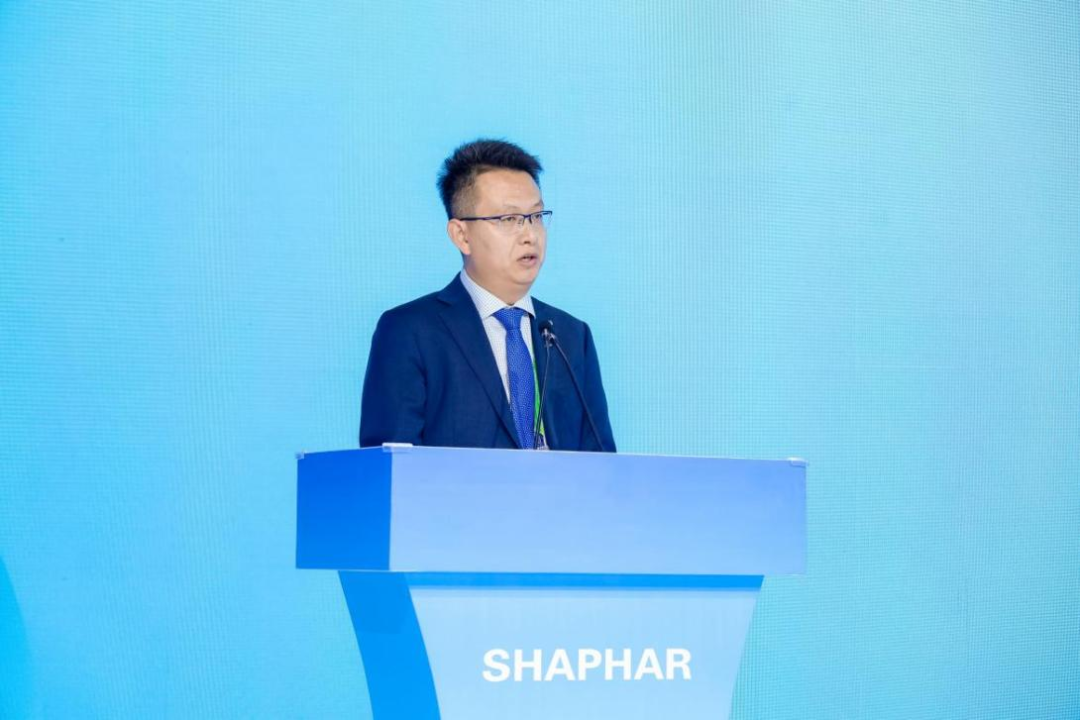 Fig. 13. Xianbing Sun, general manager for China at Cepheid
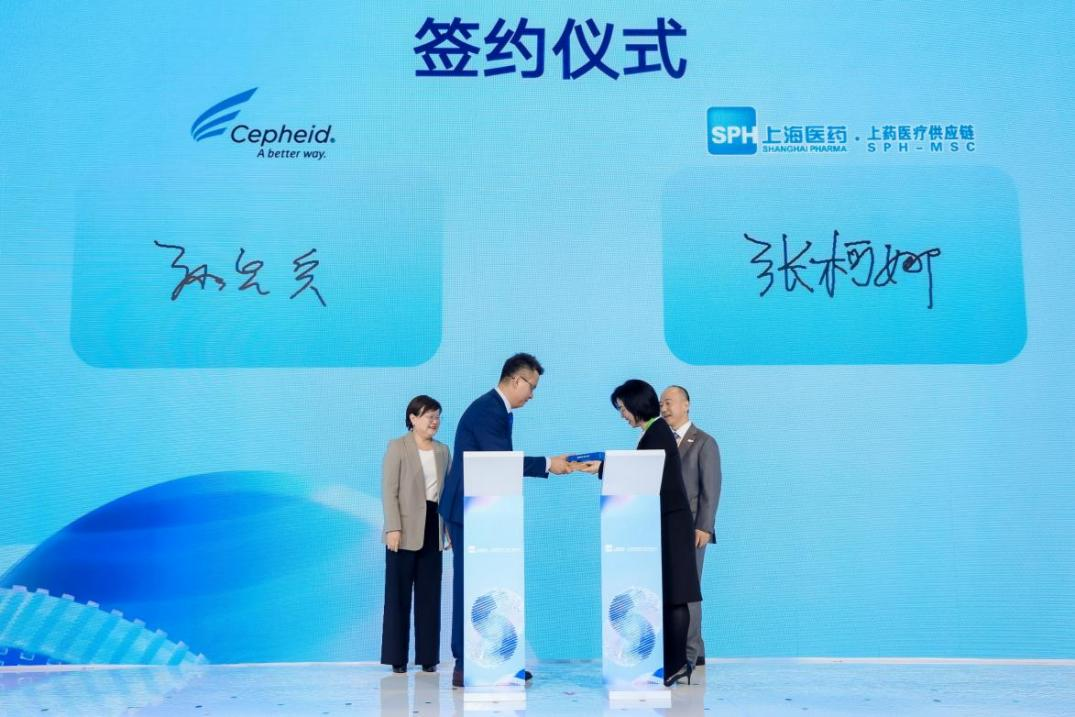 Fig. 14. SPH Medical Supply Chain Management and Cepheid signing ceremony
At the SPH Cross-United and ZOLL signing ceremony, Weiqing Liu, deputy general manager of SPH Device and chairman of SPH Cross-United (Shanghai) Medical Device Co., Ltd., said the companies will rely on the various value-added services of SPH Cross-United to build a full ecosystem chain, push emergency care resources further down and make greater contributions to the health of the people; Huijun Wu, general manager for Greater China at ZOLL, said the partnership will further explore innovative foreign trade business models and expand the scope of cooperation.
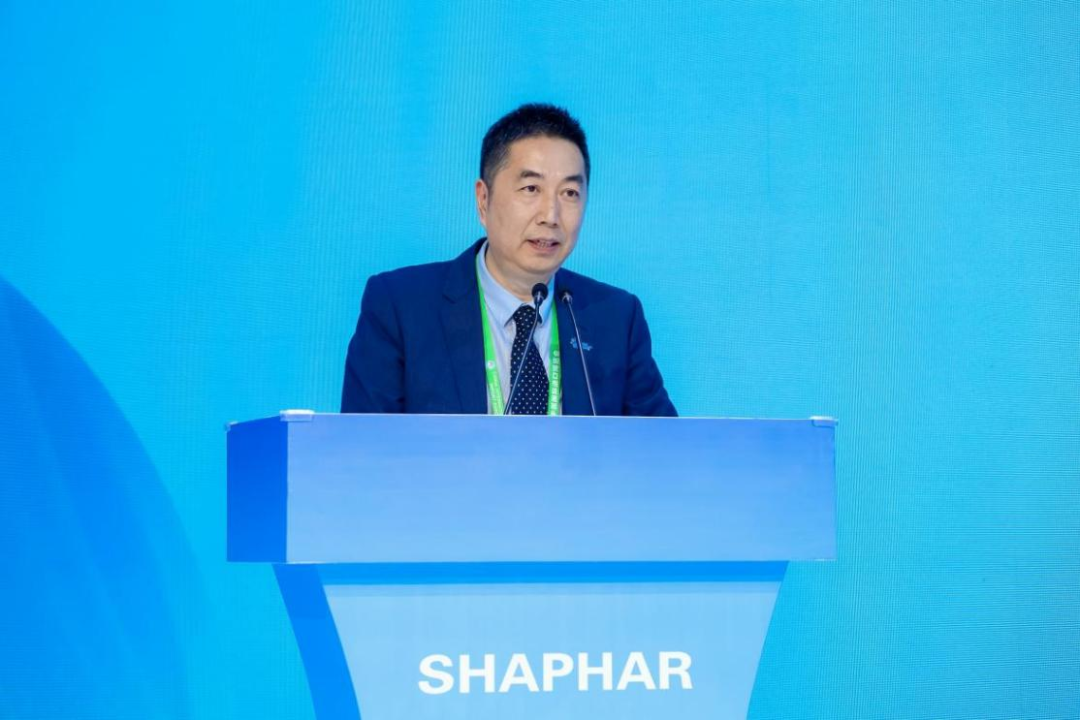 Fig. 15. Weiqing Liu, deputy general manager of SPH Device and chairman of SPH Cross-United (Shanghai) Medical Device Co., Ltd.
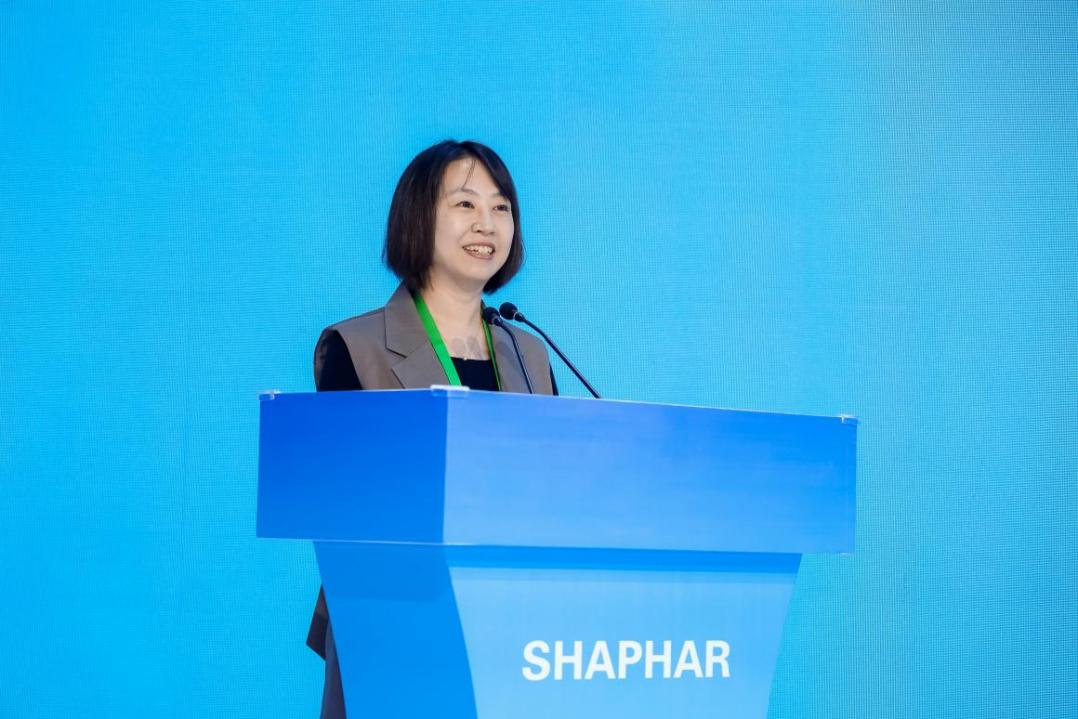 Fig. 16. Huijun Wu, general manager for Greater China at ZOLL
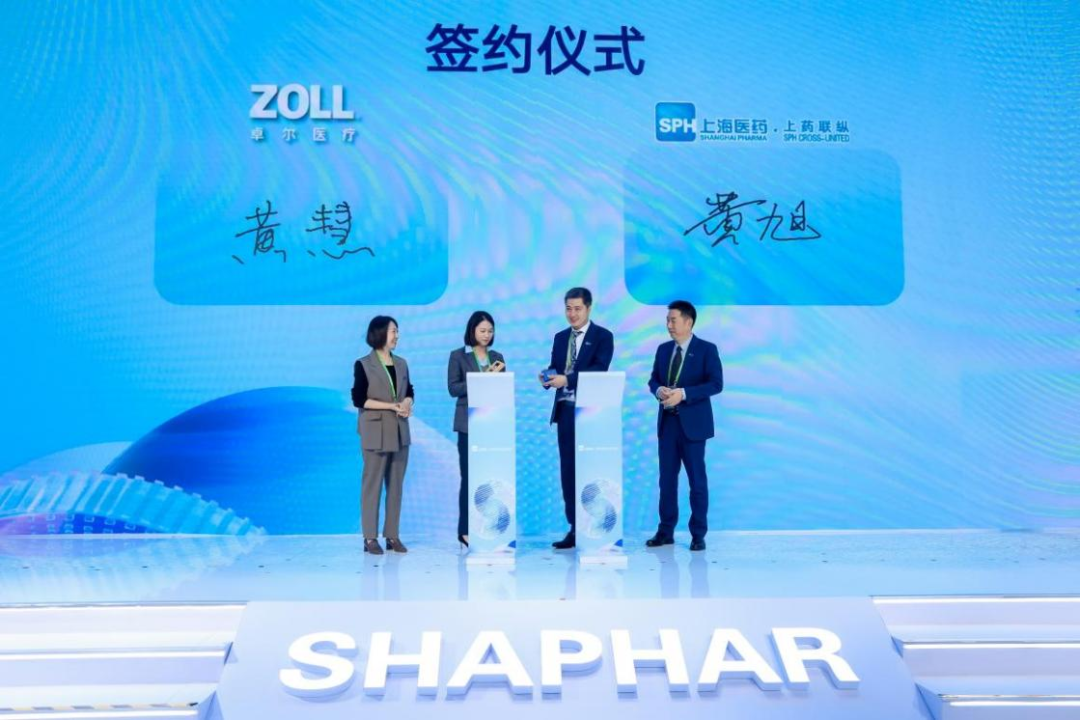 Fig. 17. SPH Cross-United and ZOLL signing ceremony
The four strategic signings mark not only a further joining of hands between global medical device companies and Chinese local industry platforms, but also show that cooperation in the medical device industry is extending from the simple introduction of products towards the joint building of clinical services, supply chain management and innovation ecosystems.
From “Managing Materials” to “Managing Materials Precisely”: The SPD 3.0 Solution Is Officially Unveiled
After globally innovative products enter the Chinese market, how they can enter hospitals and serve clinical practice through a more efficient supply chain system is a question that the translation of the medical device industry has to answer. The unveiling of the SPH Device SPD 3.0 digital solution provides a new answer to that question.
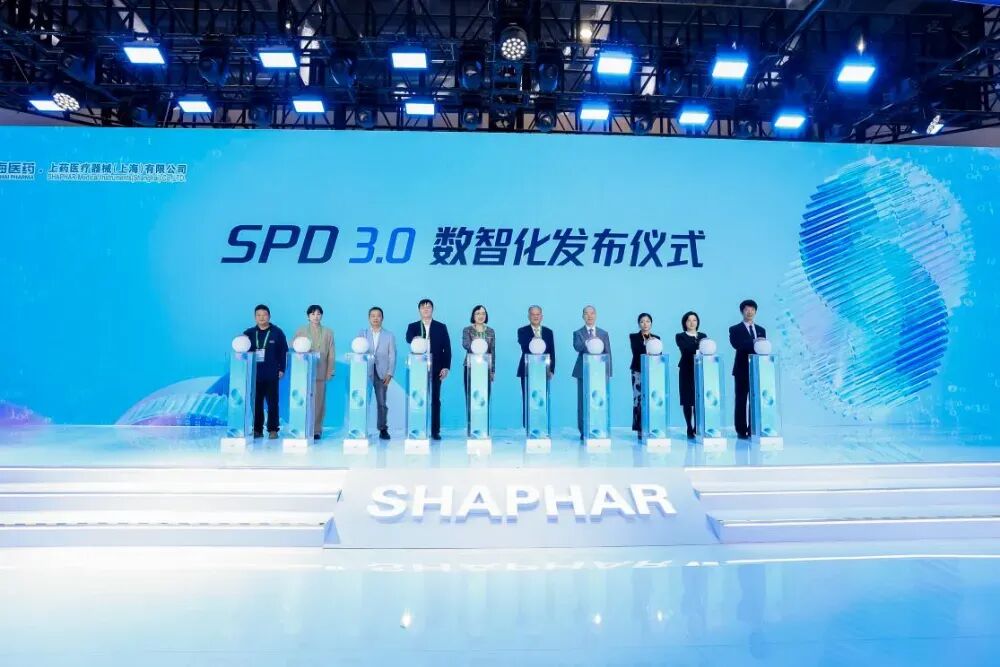 Fig. 18. SPD 3.0 digital solution launch ceremony
At the launch, Jinhua Wu, party secretary of Shanghai Chest Hospital, and Gang Ren delivered remarks in turn. Wu said that, as DRG and DIP payment reform advances, consumable management has become an important part of high-quality hospital operations. In future, further use should be made of AI and big data to bring data from disease-type management, hospital resource planning (HRP) management, electronic medical records and anesthesia information management systems into SPD management, achieving a shift from post-hoc remediation to pre-emptive management.
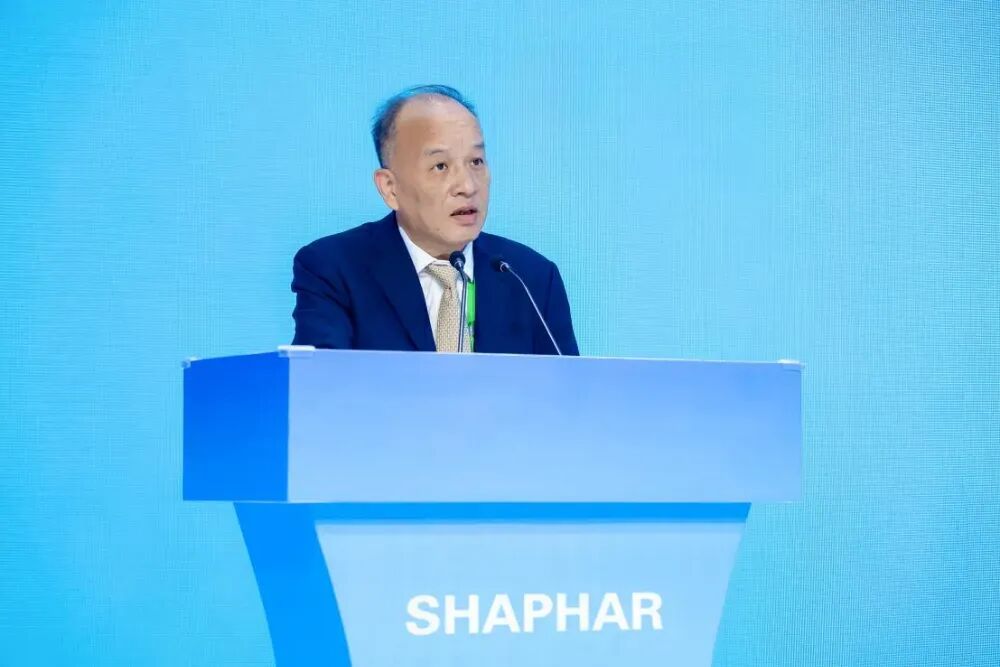 Fig. 19. Jinhua Wu, party secretary of Shanghai Chest Hospital
Ren then reviewed the 13-year development of the SPD programme and emphasised that SPD 3.0 hopes to further reduce the work burden of clinical staff through frontier technologies, so that the results of refined and smart management benefit more medical staff and patients.
The SPH Device SPD 3.0 introduces five technology foundations: radio-frequency identification (RFID) touchless identification, unification of four codes under the unique device identification (UDI) system, AI visual counting, large-model demand forecasting and a digital twin cockpit. It enables the system to automate the full chain from goods receipt and counting to replenishment prediction, freeing clinical staff from cumbersome operations. This means that at the 3.0 stage, SPD is gradually shifting from a traditional in-hospital materials management tool into a digital platform that supports refined hospital operations.
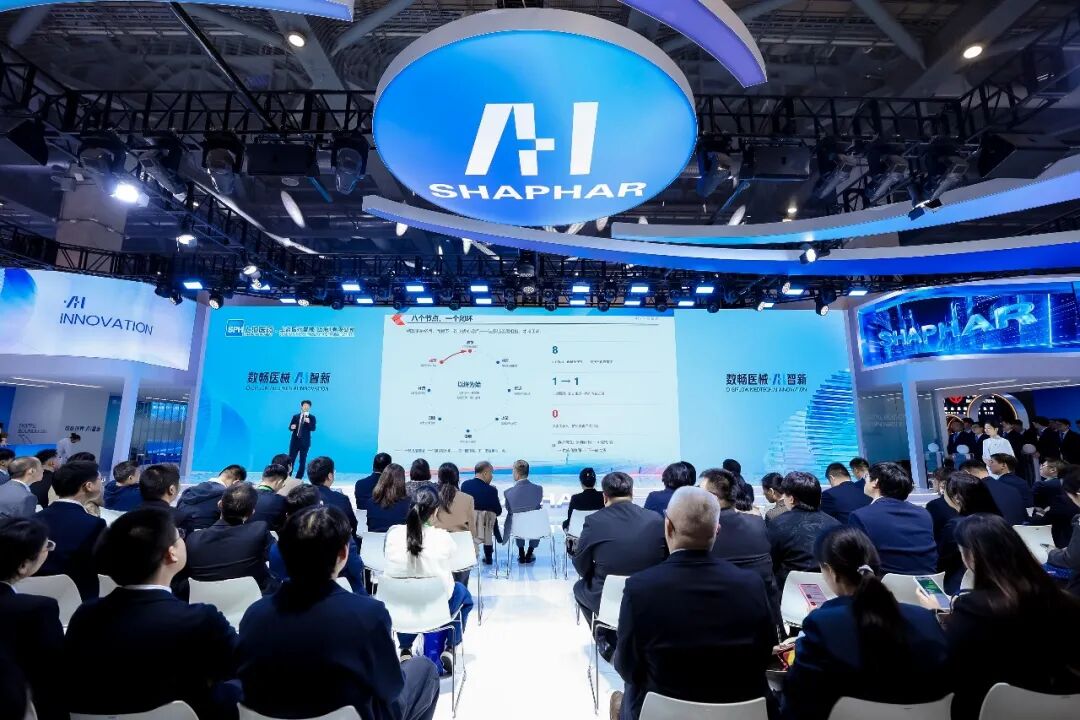 Fig. 20. The SPH Device themed session in progress on the Shaphar booth at the CIIE
Engineering-Clinical Translation Summit: Driving Innovation Into Practice With Clinical Demand
From the strategic signings with four global partners to the unveiling of the SPD 3.0 digital solution, this event showed SPH Device’s continued exploration in resource integration, supply chain services and digital management. For medical device innovation to reach clinical practice for real, however, deep participation from the hospital side remains indispensable.
The “CAHA Engineering-Clinical Translation Forum” that followed turned the lens to hospital-side collaboration and engineering-clinical translation, discussing in depth the question of “how innovation can truly respond to clinical needs”. The forum was chaired by Hua Shi, global senior vice president and general manager for China at Argon Medical, with Prof. Yi Wang, president of the Children’s Hospital of Fudan University; Prof. Chengli Song of the University of Shanghai for Science and Technology and executive deputy director of the Ministry of Education Engineering Research Center of Minimally Invasive Medical Devices; Jian Deng, vice president at Medtronic; and Yifei Peng, executive vice president and chief operating officer at Tigermed, taking part in the discussion.
 Fig. 21. Hua Shi, global senior vice president and general manager for China at Argon Medical
Wang shared the rich engineering-clinical translation scenarios at the Children’s Hospital of Fudan University. She said that 18 companies have now entered the hospital to work with it. In the area of congenital heart disease screening, portable devices can help primary care doctors screen newborns early, with an accuracy of about 97%; in the field of brain-computer interfaces, the hospital is also working with companies to explore lightweight wearable devices to help children with rare diseases improve motor function. She argued that clinical need is the starting point of engineering-clinical translation, and that hospitals need to open up clinical scenarios further, so that engineers and physicians can identify and solve problems together.
 Fig. 22. Prof. Yi Wang, president of the Children’s Hospital of Fudan University
Song, drawing on his own experience, pointed out that engineering-clinical crossover requires engineering staff to walk into clinical practice for real. He once went deep into operating rooms to understand clinical needs and drove more than 20 inventions through to results conversion. His team has incubated eight companies, covering areas including endoscopes and minimally invasive surgical robots. He emphasised that only sustained research and development around real problems is the important path for medical device innovation.
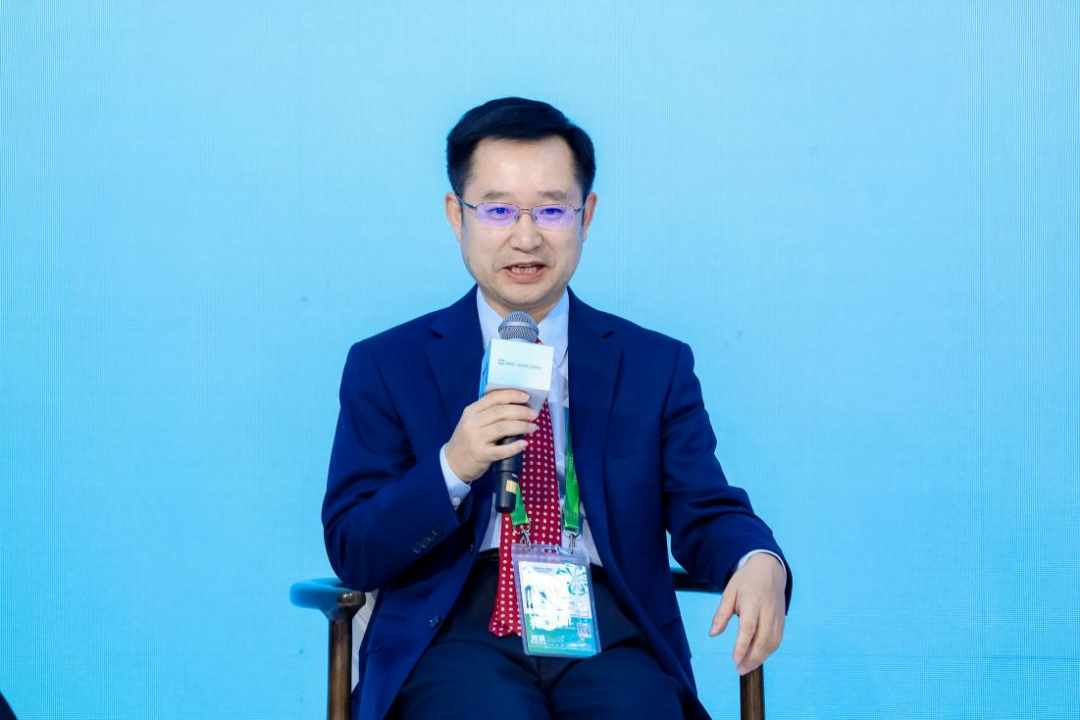 Fig. 23. Prof. Chengli Song of the University of Shanghai for Science and Technology and executive deputy director of the Ministry of Education Engineering Research Center of Minimally Invasive Medical Devices
Deng, using Medtronic’s early experience in developing battery-powered pacemakers around clinical needs as an example, pointed out that corporate innovation must be driven by clinical need. He said that in recent years Medtronic has continuously strengthened its research and innovation cooperation in China, and, by working with Chinese physicians, has brought innovative therapies that originated from local clinical needs, such as left bundle branch pacing, to global markets. He emphasised that engineering-clinical translation needs to open up a complete chain running from clinical need and product development to market access, sales and use feedback, and that business models and industrialisation capability are equally indispensable.
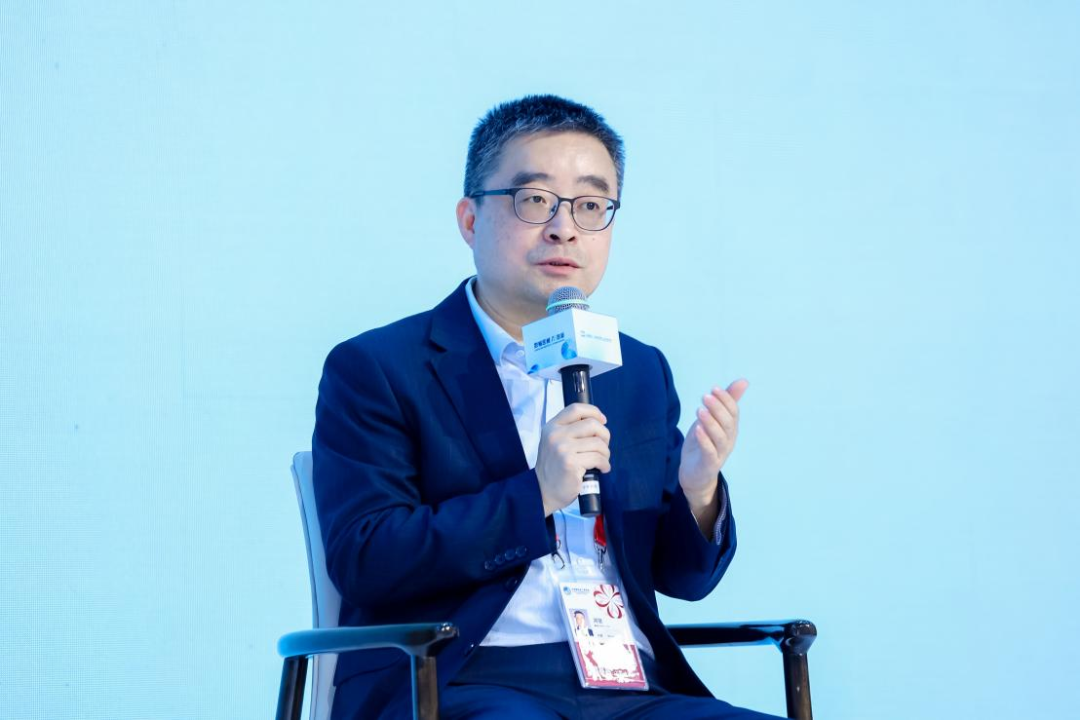 Fig. 24. Jian Deng, vice president at Medtronic
Peng, from the perspective of contract research organisation (CRO) and industrial incubation, pointed out that AI can substantially improve data processing and research efficiency, but its technical application still has to take regulatory requirements and clinical evidence into account. He believed that the success of an innovation project ultimately requires the recognition of doctors, patients, medical institutions, payers and other parties, and that all links in the industry should take part in evaluating innovation projects earlier, so that technological results do not stay in the laboratory.
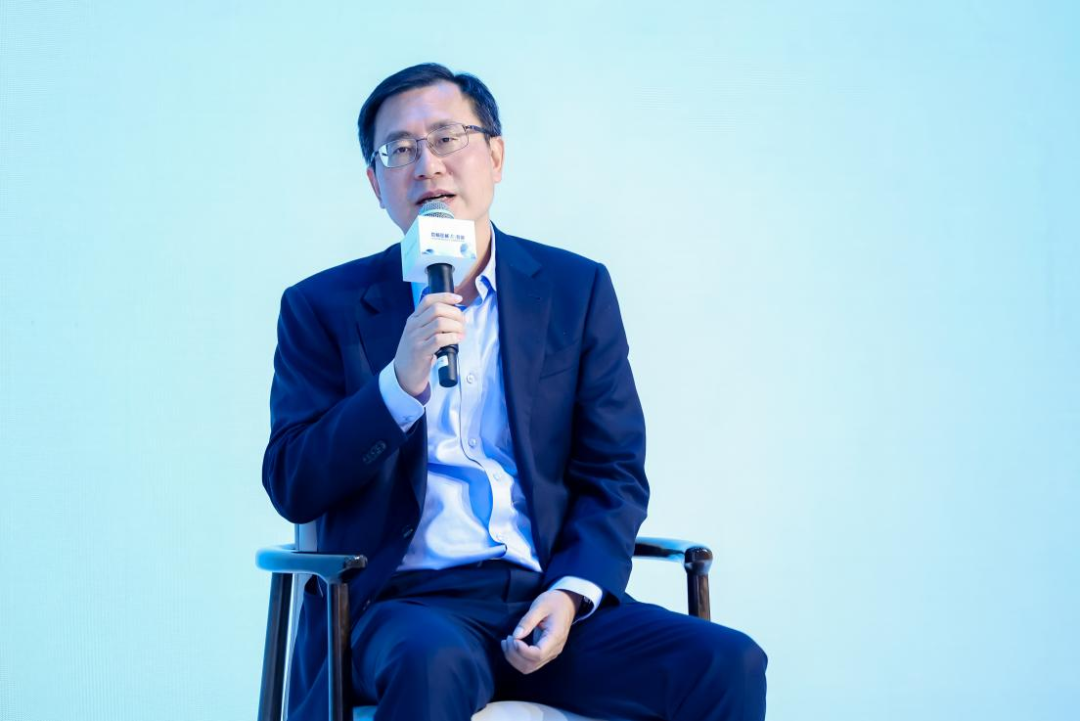 Fig. 25. Yifei Peng, executive vice president and chief operating officer at Tigermed
In the subsequent discussion, the panellists further pointed out that engineering-clinical translation still faces pain points such as inadequate matching between clinical needs and corporate research motivation, a shortage of specialist translation talent and unclear business models. Wang proposed that relevant companies should be pushed deeper into hospital clinical scenarios; Deng stressed that medical device innovation cannot ignore use and feedback after commercialisation; and Peng suggested small-scale validation around specific clinical pain points through cross-disciplinary talent collaboration, followed by gradual promotion of results. The atmosphere of the on-site discussion was lively.
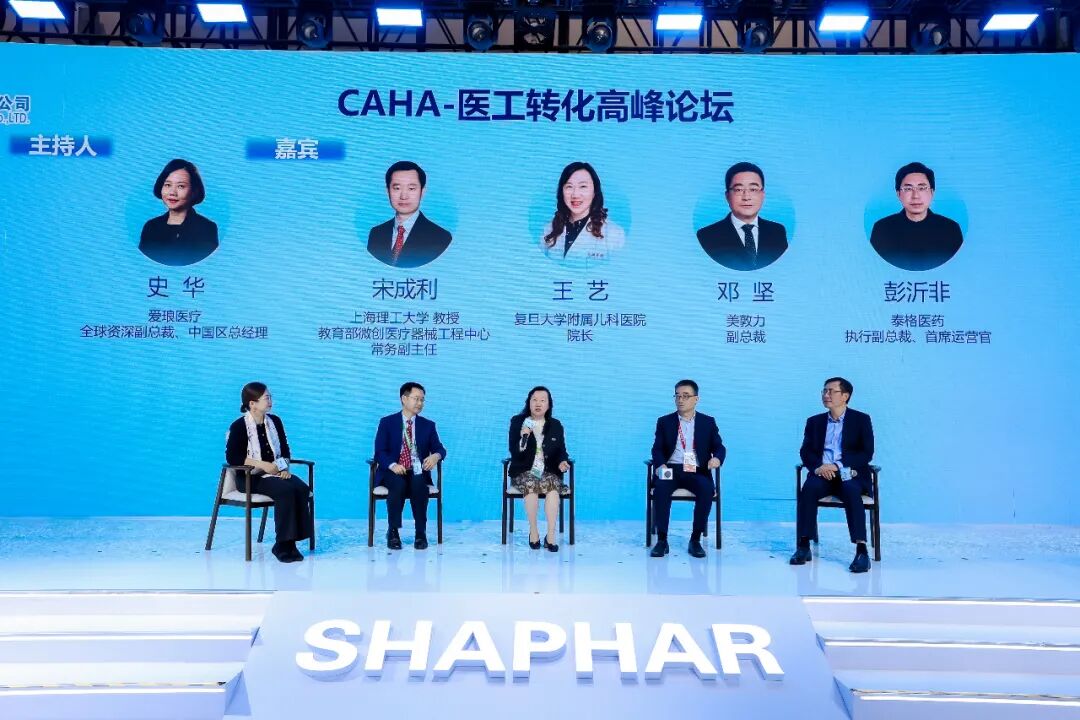 Fig. 26. The panel of the CAHA Engineering-Clinical Translation Forum
Roundtable on AI Empowerment, Taking Refined Hospital Management to a New Level
If engineering-clinical translation addresses how innovative technologies reach clinical practice, then how AI further changes the way hospitals are managed is another important question in realising intelligent industria”l development. The “Hospital High-Quality Development and Refined Hospital Operations Forum that followed was chaired by Gang Ren, with Dr. Xumin Hou, president of Shanghai Chest Hospital; Prof. Bing Shen, president of Shanghai Tenth People’s Hospital; and Assoc. Prof. Wei Yang of China Europe International Business School, taking part in the discussion.
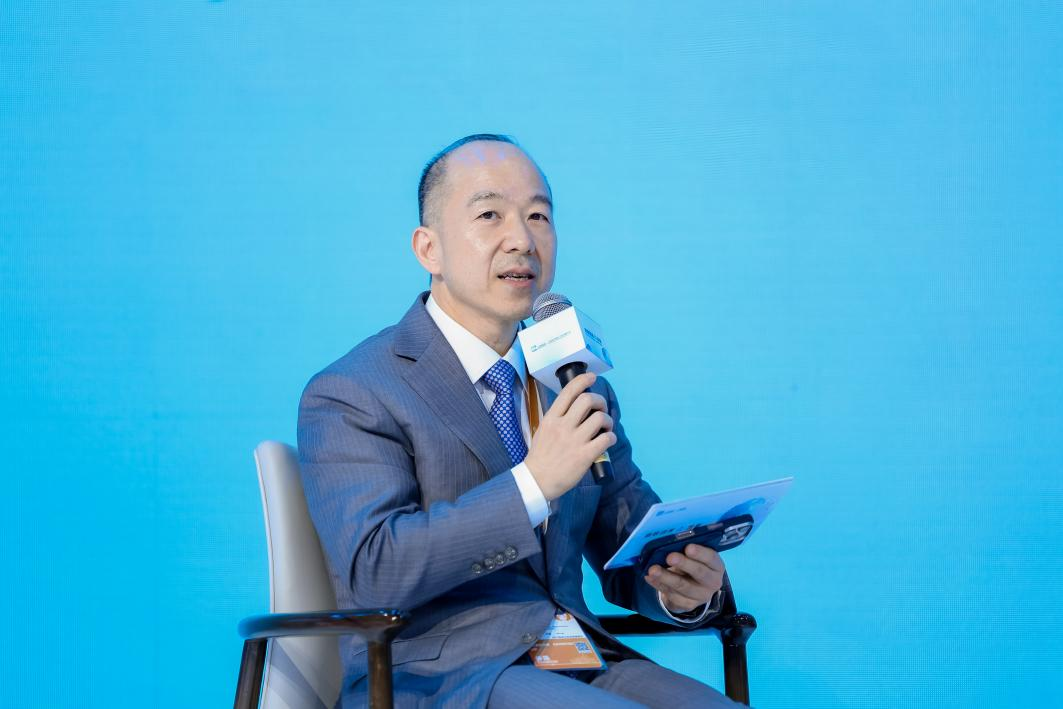 Fig. 27. Gang Ren chairing the Hospital High-Quality Development and Refined Hospital Operations Forum
Hou said that over the past year, AI applications at Shanghai Chest Hospital have moved from isolated exploration towards multi-scenario integration. The nutrition assessment agent built by the hospital has served more than 500,000 patients, providing personalised nutritional support for perioperative and treatment patients. At the same time, the hospital has also built an operations performance management agent, which helps managers keep track in real time, through mobile devices, of clinical workload, device use and operational status. She noted, however, that the hospital’s push of AI applications still faces two major challenges, investment in computing power and information security. In future, new approaches such as government-provided public computing power and hospital-enterprise partnerships need to be explored, to lower the cost of computing build-out and to promote information sharing while safeguarding data security.
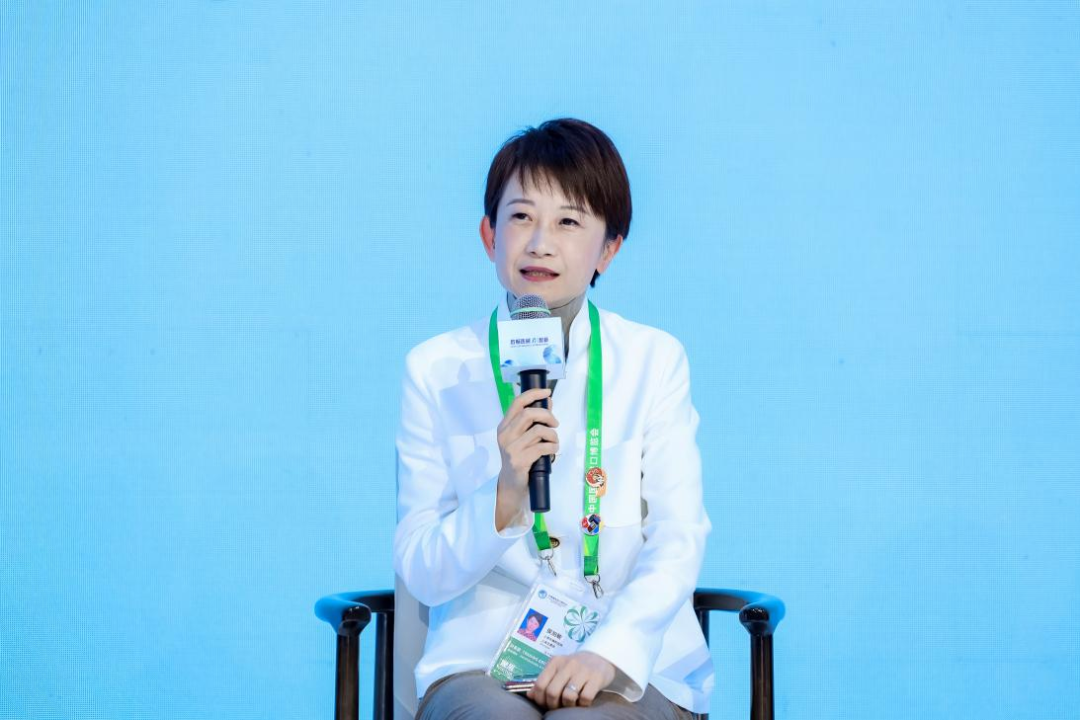 Fig. 28. Dr. Xumin Hou, president of Shanghai Chest Hospital
Shen introduced that Shanghai Tenth People’s Hospital, relying on the platform of the Tongji University Institute of Medical AI, has made a strong push on AI applications, with related applications under way in areas such as pathology and imaging. At the same time, the hospital has built a full-domain AI system covering economic activity, material flow, payroll and other links, and will further upgrade its intelligent capability to support the hospital’s economic operation and safety management. He believed that hospital AI build-out needs not only computing power but also infrastructure such as power supply, and that the digital foundation has to come first.
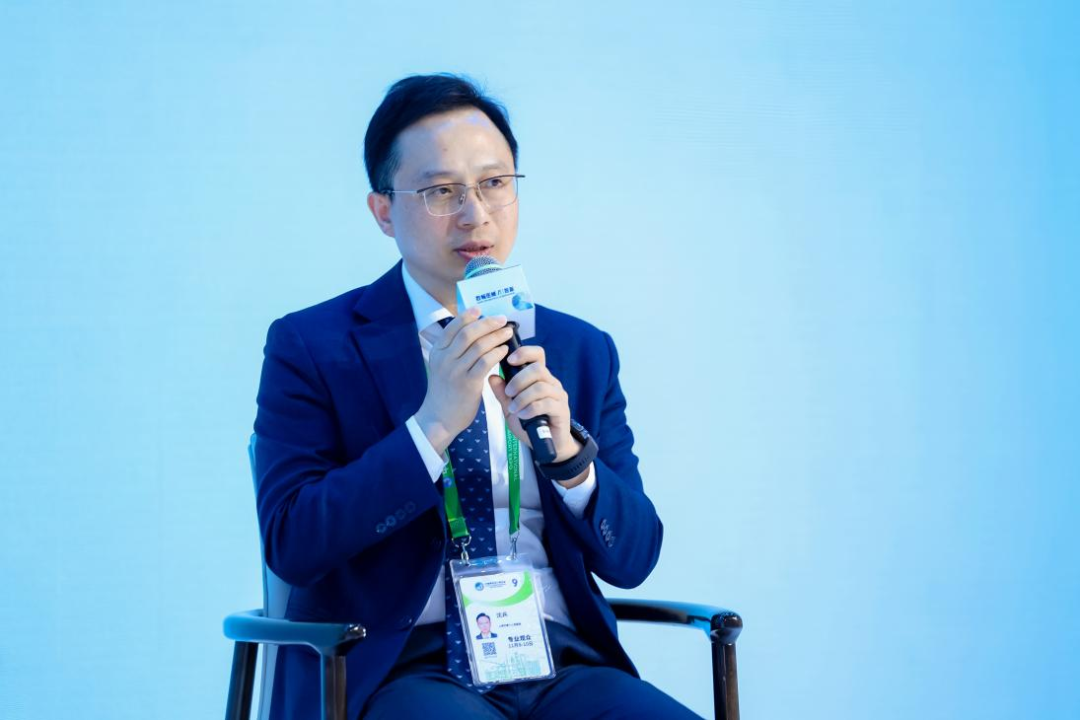 Fig. 29. Prof. Bing Shen, president of Shanghai Tenth People’s Hospital
Yang, from the standpoint of corporate strategy and organisational management, proposed that AI helps hospital management open up the flow of information between different digital systems, allowing information on patient diagnosis and treatment, medication, rehabilitation and staff management to be coordinated more effectively. In addition, AI will also change the model of medical research, allowing physicians to carry out research exploration faster with the help of advanced models. She said that the greatest challenge of AI transformation usually does not lie in the technology itself, but in the shift in how interests are distributed inside the organisation, who holds decision rights and how people work, and that enterprises need to promote genuine completion of the transition through incentive adjustment, staff training and optimisation of talent structures.
 Fig. 30. Assoc. Prof. Wei Yang of China Europe International Business School
In the closing summary of the forum, Yang proposed that the opportunities AI brings far outweigh its challenges and that enterprises should actively embrace the technology and actively transform; Hou said that in future all parties should strengthen technological integration and cross-sector cooperation and actively embrace change; and Shen stressed that job concepts should be reframed with an open attitude, to actively adapt to the industrial changes AI brings.
From global medical device innovation cooperation, through the unveiling of the SPD 3.0 digital solution, to in-depth discussion of engineering-clinical translation and refined hospital operations, this event presented several important directions for the intelligent development of the medical device industry. Building on the combined strengths of pharmaceutical industry and commerce, SPH Device continues to build integrated service capability covering the upstream and downstream of the industry chain, and to push supply chain services towards greater specialisation, digitalisation and ecosystem building. Looking ahead, SPH Device will take technological innovation as its driver and the needs of medical institutions and patients as its orientation, further integrate global resources, deepen industrial collaboration and accelerate its progress towards becoming a world-class health services enterprise.

