


A scientist successfully treated her own breast cancer by injecting a laboratory-cultured virus. Recently, the official website of Nature headlined an article telling the story of virologist Beata Halassy's "self-rescue."
Halassy, 53, works in virus research at the University of Zagreb in Croatia. In 2016, she was diagnosed with "triple-negative invasive ductal carcinoma of the breast"—a highly malignant type that is prone to recurrence and metastasis, known as "the most toxic breast cancer."
Even after surgery removed as much of the lesion as possible, Halassy's cancer recurred twice. When it recurred and metastasized the second time, she refused chemotherapy and instead "made her own" virus in the laboratory to implement an emerging tumor immunotherapy method: "oncolytic virus (OV) therapy."
Not long after "self-treatment," Halassy's tumor volume significantly decreased, its nature changed, the invasive edges receded, creating favorable conditions for complete surgical removal. Today, four years later, her condition remains stable, and her breast cancer has not recurred.
However, when she tried to publish her research results, she was rejected by more than a dozen journals on the grounds of auto-experimentation involving ethical risks. Halassy, however, felt that she just wanted to explore a potential cancer treatment method.

Translation: Beata Halassy / Photo source: Narod.hr
What is this therapy of making one's own virus to cure cancer?
In 2016, Halassy was diagnosed with triple-negative breast cancer. By 2020, she had relapsed twice, and especially the second time, her condition had progressed to clinical stage III, where the serous swelling structure remaining after the earlier surgery turned into a 2-centimeter solid tumor, with cancer cells spreading and invading the skin and pectoral muscles.
"The cancer has metastasized, and the situation is much worse than before," Halassy said, expressing her unwillingness to go through another round of surgery and radiochemotherapy. Not only could her body not withstand it, but the effect might not be very good either.
The term "triple-negative" means that the expression of three specific breast cancer receptors is negative. This means that patients lack opportunities for targeted therapy and endocrine therapy, and the available treatment methods are limited to surgery and radiochemotherapy. Once relapsed, the effectiveness of conventional chemotherapy would be further discounted.
Halassy has long been engaged in research on immunotherapy of viral diseases. After reading a large amount of literature, she wanted to verify an experimental treatment idea for breast cancer on herself: oncolytic virus therapy.
Oncolytic viruses are not a specific virus but a class of viruses that can infect cancer cells, specifically replicate within them, and cause cancer cell apoptosis while preserving normal tissue. The Third Affiliated Hospital of Sun Yat-sen University compares it to a "secret warrior on the battlefield of cancer," "like a secret agent programmed to only attack and destroy cancer cells without harming normal cells."
In fact, the academic community has been studying oncolytic viruses for over a century. In recent years, oncolytic virus therapy has used genetic engineering techniques to modify oncolytic viruses, making them non-toxic while retaining their replication ability, which can kill tumor cells and achieve the purpose of treatment.
Stephen Russell, a hematology professor at the Mayo Clinic who has been engaged in oncolytic virus research for many years, explained that oncolytic virus treatment is divided into two stages. The first is "direct attack," where the virus directly infects cancer cells and causes their death.
"Normal cells, when infected by a virus, will exhibit programmed cell death and other natural immune responses to prevent viral replication and spread. But cancer cells do not have this immune ability. Therefore, once a cancer cell is infected by a virus, it may reproduce thousands or even tens of thousands of viruses, which then attack neighboring cancer cells," Russell said.
The second stage is the immune system's "big battle."
Under normal circumstances, cancer cells are good at "camouflage" and avoid being identified by the immune system by reducing antigen presentation. They may also "recruit" tumor-associated fibroblasts (CAFs) and others to form a "protective net," intercepting immune cells from entering cancer cell clusters.
However, oncolytic viruses that have been genetically edited can penetrate and reproduce within cancer cells, releasing a large number of viral particles and cellular contents, triggering the immune system's defense and recognition mechanisms. In layman's terms, oncolytic viruses with therapeutic gene modifications can better activate the immune system and enhance anti-tumor effects.
After mastering the principles, Halassy discussed her ideas with oncologists. She proposed to inject the virus locally into herself first, and then consider other treatments based on the situation; if the viral treatment was ineffective, she would undergo conventional chemotherapy.
"Halassy, can't you just follow the rules and get treated?" the oncologist told her.
"No way," Halassy said.
Significant changes in breast cancer after the virus takes effect
After the preliminary work was completed, Halassy began her "self-treatment."
Using her knowledge of virology, Halassy was able to skillfully operate techniques such as culture and purification. With the help of her colleagues, she ultimately chose measles virus (MeV) and vesicular stomatitis virus (VSV) for the experiment.
The choice was based on multiple considerations: the virus must be able to infect epithelial cells, which are the cell type from which breast cancer originates; after testing, the above viruses have been proven to have potential against breast cancer; they must be natural viruses and do not require genetic engineering modification to avoid the risk of leakage; they must be low toxicity and not cause serious diseases.
More importantly, these viruses have long existed in Halassy's laboratory, and she has extensive experience in handling them.
In the following two months, Halassy injected the laboratory-grade viruses she had cultured herself into her own breast lesions ten times. First, she injected MeV every 3-4 days, a total of 7 times, and then VSV 3 times at intervals of every 2 weeks and 1 week.
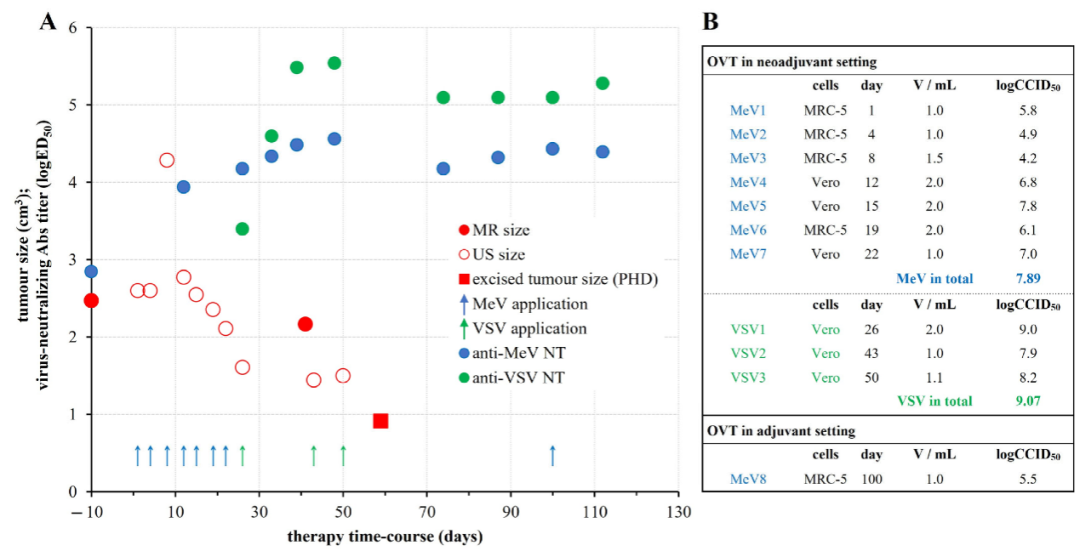
Oncolytic Virus Therapy: Schemes and Results. Image
From the first injection, the effect was significant after two months.
The test report showed that Halassy's tumor volume was reduced by about 63%, significantly shrinking from 2.47 cm³ to 0.91 cm³; its nature changed from a hard, fixed nodule with skin inflammation to a soft, movable nodule without skin inflammation; and there were signs of recession in the invasive edges of the tumor.
Immediately after, Halassy underwent radical surgery. Postoperative histopathological analysis showed that the tumor was limited to the subcutaneous area without skin or pectoral muscle infiltration. In addition, there was a complete infiltration of lymphocytes in the tumor, and the number of various immune cells increased significantly.
This all indicates that the oncolytic virus successfully activated Halassy's immune system and guided it to attack cancer cells. What's more amazing is that after oncolytic virus treatment, Halassy's tumor changed from PD-L1 negative to PD-L1 positive.
Based on this, she could be treated with targeted drugs targeting HER-2, and the available treatment options increased. To consolidate the effect of the oncolytic virus, about two months after the surgery, Halassy injected MeV once more under the skin at the surgical suture site.
Looking back on the entire treatment process, Halassy said it was "very smooth." She introduced that in the early stage of injecting the virus, possibly due to local inflammation and immune cell aggregation, the tumor had increased in size for a while before gradually shrinking. Other systemic adverse reactions, including fever and stiffness, also gradually eased over time.
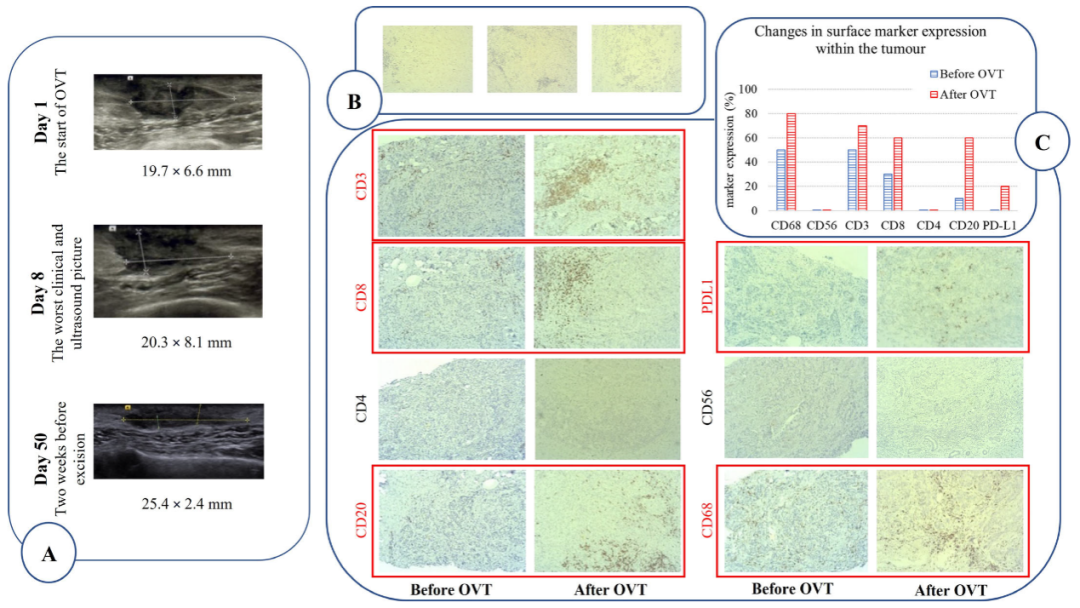
Radiological Evidence of Oncolytic Virus Therapy Effects. Image source/Vaccines
In fact, before Halassy, there was little research in the academic community on the use of oncolytic virus therapy to treat breast cancer. As early as February 2023, an article in Nature Medicine for the first time discussed the efficacy and safety of granulocyte-macrophage colony-stimulating factor-encoding genetically engineered oncolytic herpes simplex virus T-VEC combined with anthracycline + taxane standard neoadjuvant chemotherapy for early triple-negative breast cancer patients before surgery.
A total of 37 patients completed this study, and the results showed that during the treatment period, the level of immune activation was positively correlated with the effect; the residual cancer burden index was 0 in 45.9%, and the residual cancer burden index was 0-1 in 65%; the 2-year recurrence-free survival rate was 89%, and patients with a residual cancer burden index of 0-1 did not recur.
In addition, during the treatment process, common T-VEC toxicities were fever, chills, headache, fatigue, and injection site pain. The toxicity of neoadjuvant chemotherapy was as expected. There were 4 cases of thromboembolic events.
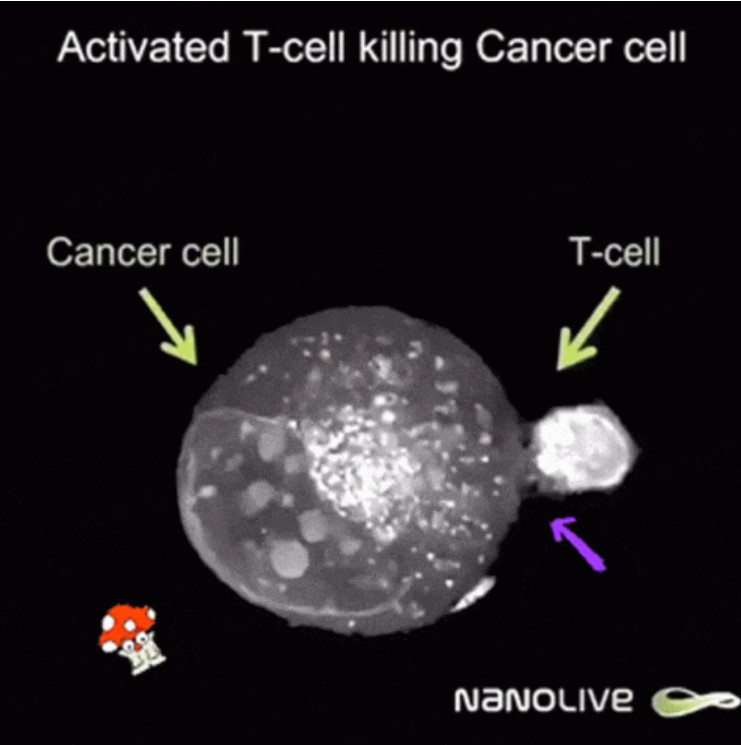
The process of T cells killing tumor cells. Image source/unchartedterritories
Experts warn: Others should not try
"The more important issue is that journals publishing these (research) results may encourage others to reject conventional treatments and try similar unverified schemes," pointed out Jacob Sherkow, a law professor at the University of Illinois at Urbana-Champaign. He has been involved in several ethical studies of COVID-19 vaccine auto-experiments.
Even though he was repeatedly rejected by journals, Russell still recognized Halassy's efforts. But he warned that injecting two or more viruses into the tumor at different times may not be an "innovative" solution, and no clear conclusions can be drawn in an n=1 study. "In fact, the novelty of her (treatment plan) may lie more in the use of laboratory-level viruses for self-treatment."
Halassy stated that the industry's focus may have been misplaced. "I want to explore a treatment approach that has the potential to become a first-line therapy for cancer and how to verify it next. Everyone is discussing why this article should not be published." As of the publication of this article, Halassy has been recurrence-free from breast cancer for 4 years.
Eventually, the paper, titled "An Unconventional Case Study of Neoadjuvant Oncolytic Virotherapy for Recurrent Breast Cancer," was published in the August issue of "Vaccine." The journal focuses on laboratory and clinical vaccine research, utilization, and immunity.
The article emphasizes the "unconventional nature" of the study several times in the "Discussion" and "Conclusion" sections: "This is an isolated and unconventional study. The authors clearly state that oncolytic virus self-treatment should not become the first choice after a cancer diagnosis. However, it hopes to encourage the industry to conduct formal clinical trials to evaluate the efficacy of oncolytic viruses as a new adjuvant therapy."
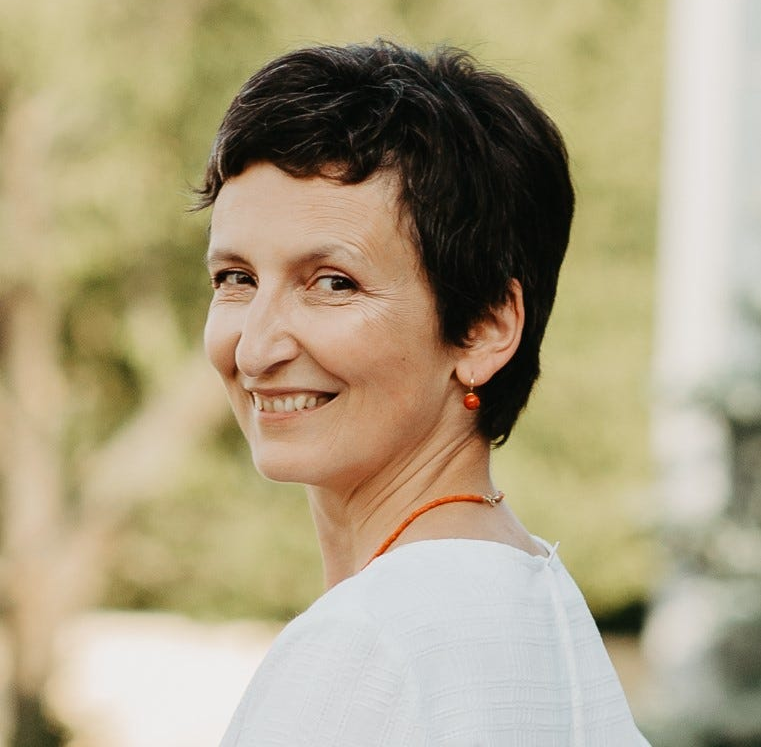
Beata Halassy / Image source: Narod.hr
Halassy pointed out that the anti-tumor mechanism of oncolytic virus therapy is different from other therapies, with limited toxic effects, so it can be used in combination with most other therapies, including systemic chemotherapy, immunotherapy, and targeted therapy.
In this regard, the medical community has already made some attempts. Including the United States and Japan, the world has approved four oncolytic virus products for marketing, used to treat malignant melanoma, gliomas, and other tumors. Some drugs have also obtained orphan drug status or have been included in breakthrough therapy categories. They all use genetically engineered viruses.
One of them is independently developed by a Chinese company, and the product has been approved for marketing in China for the intralesional injection of advanced nasopharyngeal carcinoma. According to the "Chinese Expert Consensus on the Clinical Application of Recombinant Oncolytic Adenovirus for Malignant Tumors (2022 Edition)," there are at least six products under development in China, with main indications including advanced solid tumors, liver, or head and neck tumors, etc.
In addition, Liu Xinyuan, an academician of the Chinese Academy of Sciences, has proposed a "targeted gene-virus therapy for cancer" strategy by integrating the advantages and disadvantages of oncolytic viruses and gene therapy. A "China-U.S. dual-reporting" anti-cancer drug is currently undergoing Phase I clinical trials in several top-tier hospitals, attracting attention in the rapidly advancing oncolytic virus track.

