


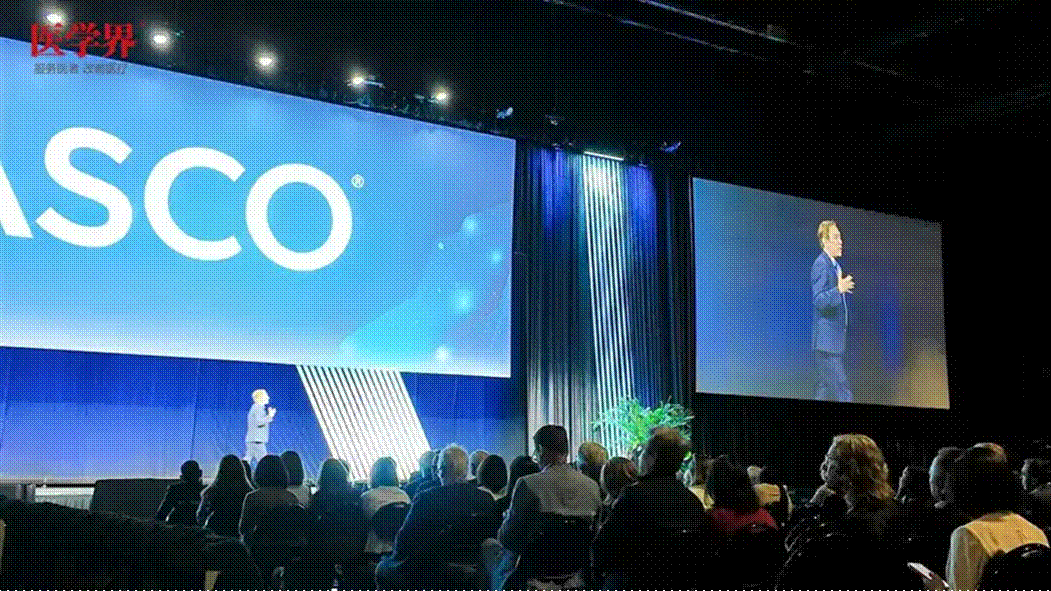
On the morning of May 30, 2026 (local time), the opening ceremony of the 62nd American Society of Clinical Oncology (ASCO) Annual Meeting got underway at 9:45 a.m. Tens of thousands of oncology professionals from more than 170 countries gathered in person, joined by countless additional attendees watching via live stream around the world.
ASCO President Prof. Eric J. Small set the theme of this year's meeting as "The Science and Practice of Translation: Improving Cancer Outcomes Worldwide." The opening ceremony was organized around this central thread, moving through the ASCO's annual achievements, a cross-sector dialogue with global health experts, tributes to those lost, and commitments to the future.
I. Opening and ASCO Annual Review: From Data to Action, Building a Stable Support System
The ceremony was hosted by ASCO Chief Executive Officer Prof. Clifford A. Hudis, who opened with a warm welcome to attendees in Chicago and online on behalf of ASCO's staff and its more than 51,000 members worldwide.
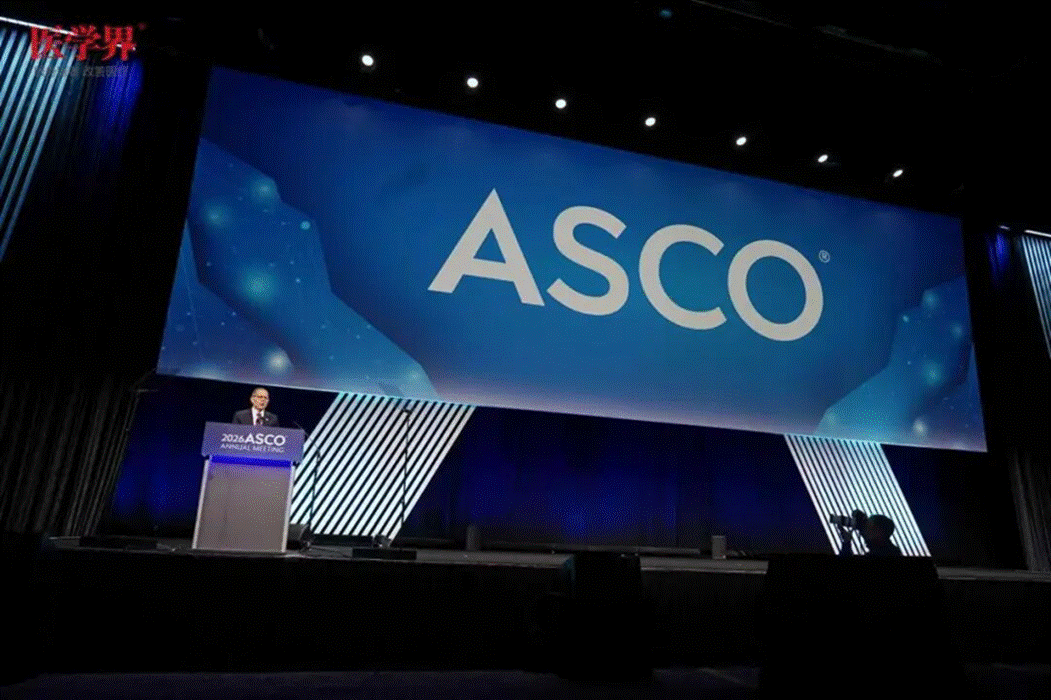
Prof. Hudis briefly reviewed ASCO's achievements over the past year across its three strategic pillars — research, education, and quality care — highlighting the advancement of real-world research on CDK4/6 inhibitors, support for early-career investigators, and educational programs integrating adult learning theory with artificial intelligence.
Prof. Hudis encouraged members to remain active in advocacy efforts to protect and advance scientific progress. He then introduced Prof. Anthony G. Letai as the 18th Director of the National Cancer Institute (NCI).
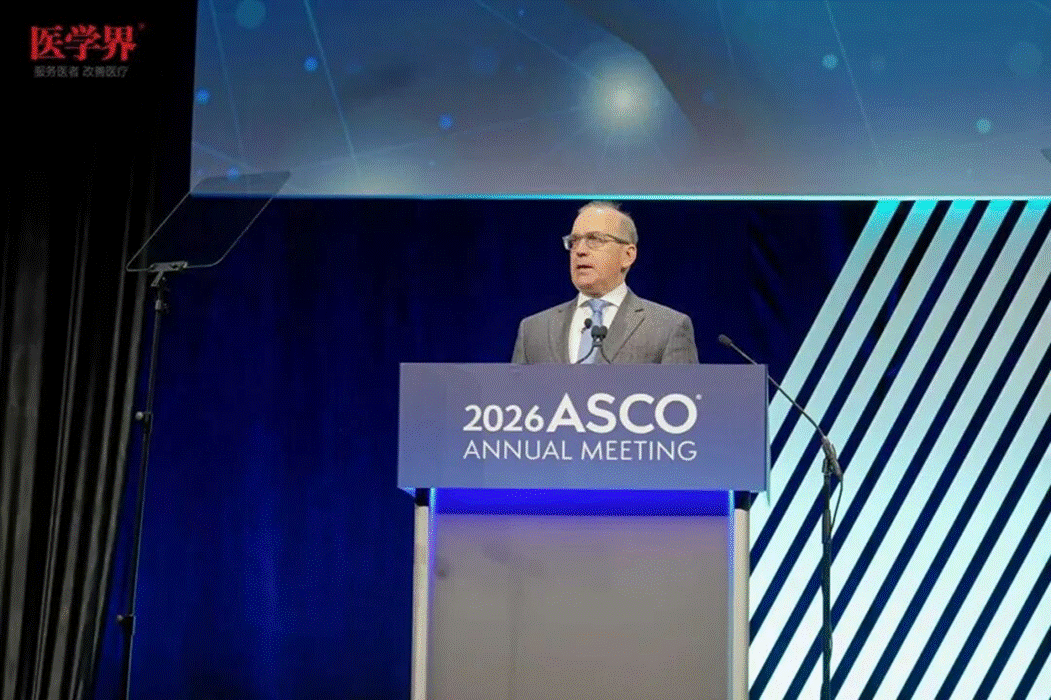
Prof. Letai's remarks were candid and pragmatic. He opened with a chart showing the sustained decline in U.S. cancer mortality since the 1990s — affirming the collective progress of research and clinical practice — but underscored that cancer remains a leading cause of death and that the work is far from done.
Prof. Letai outlined several priority directions going forward: accelerating the launch of early-phase trials, advancing functional precision medicine into practice, establishing a national public-private partnership to develop cancer therapeutic vaccines, and continuing to expand prevention, screening, and early detection programs.
II. Presidential Address: Three Layers of "Translation" in Oncology
The emotional centerpiece of the opening ceremony was the address by ASCO President Prof. Eric J. Small, which drew sustained applause from the audience.
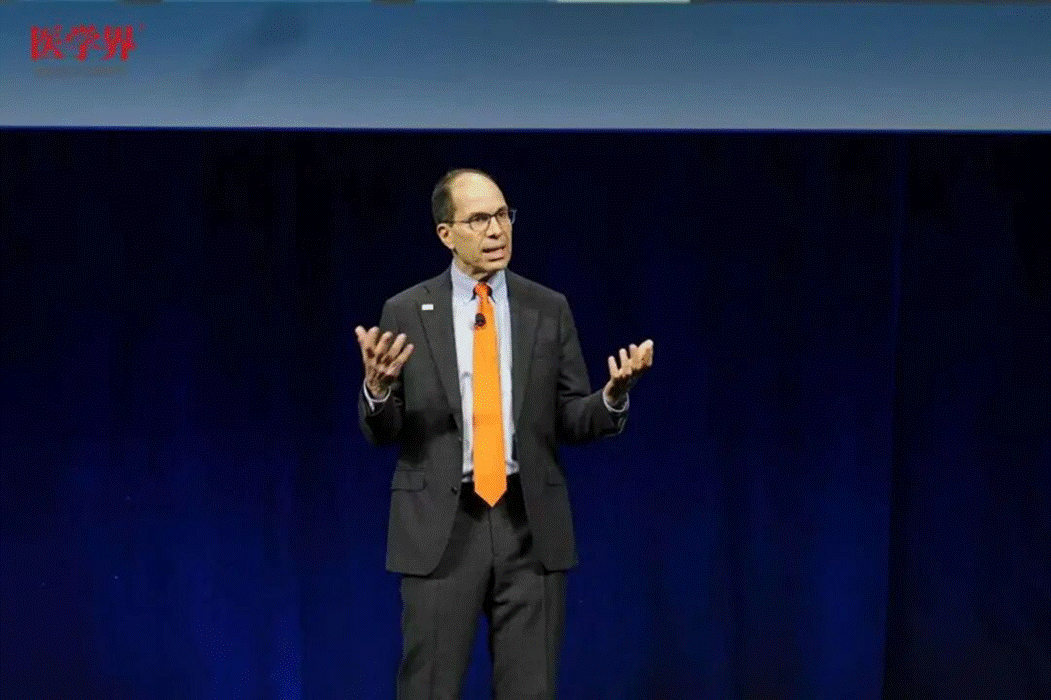
Born in the United States and raised in Mexico City, Prof. Small drew on his cross-cultural upbringing to reflect on the power of translation — not merely the conversion of language, but the transmission of knowledge, values, and compassion. He opened with a distinction between two Spanish words — "traslación" (the transfer from laboratory to clinic) and "traducción" (linguistic translation) — to articulate three dimensions of "translation" in oncology:
• Scientific translation: moving discoveries from laboratory to clinic through new technologies including AI and liquid biopsy;
• Clinical translation: integrating clinical trial findings into real-world patient-centered care, with attention to economic and time toxicity;
• Global translation: adapting innovations across resource settings to achieve access for every cancer, every patient, everywhere.
Prof. Small then shared a deeply personal story that moved the entire audience: his partner, Prof. Amy Lynn, a fellow oncologist, passed away in December 2025 from a rare metastatic clear-cell ovarian carcinoma — a disease affecting only approximately 30,000 patients globally each year, poorly responsive to chemotherapy, and devastating even in the face of exceptional medical resources.
"Is toxicity acceptable? Only if the patient considers it acceptable," Prof. Small said, his voice breaking. "We spend our lives as physicians, yet we are almost entirely unprepared for grief. I have come to understand that grief does not end with time, because love does not end with death."
He expressed special gratitude to grief and end-of-life expert David Kessler, who was about to take the stage, and called on the oncology community to redefine the standards of treatment success — placing what truly matters to patients at the forefront.
III. David Kessler: Grief Does Not End, Because Love Endures
David Kessler, one of the world's most respected grief researchers, brought the audience to its emotional peak through his own lived experience.
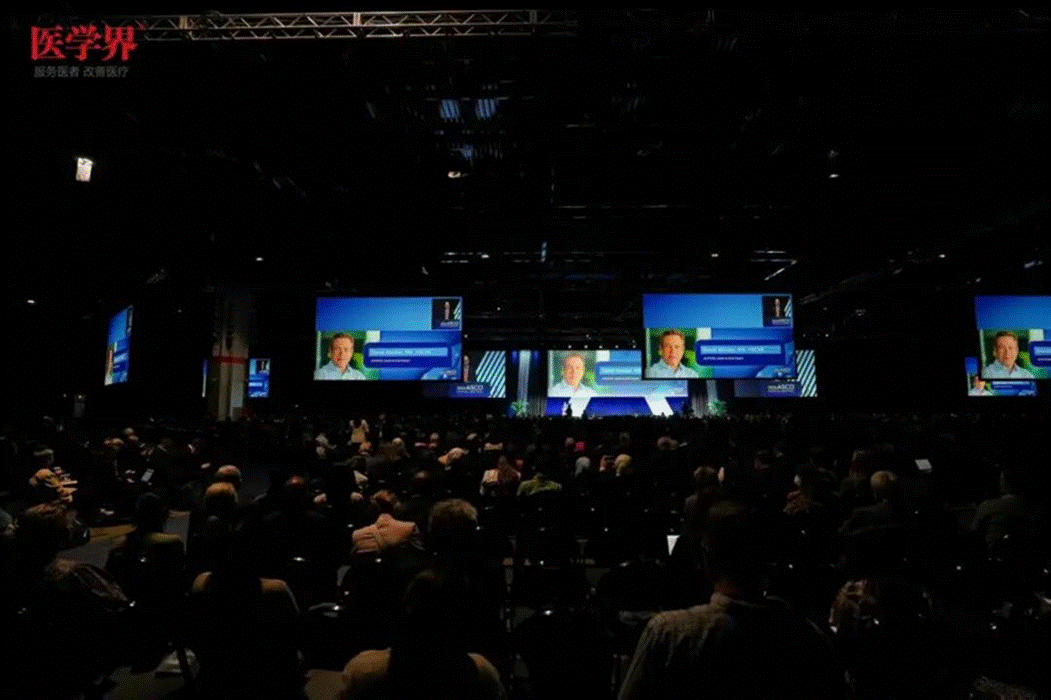
At age 13, he witnessed a hotel fire caused by arson and gunfire, and his mother later died in the hospital. He has devoted decades to helping others face death and grief. Yet nine years ago, the sudden loss of his youngest son plunged him back into the depths of bereavement.
"I believed my childhood trauma was long behind me," he said, "but grief finds you again in new forms."
Kessler offered a key insight: the manner of death shapes the form of grief. Two families losing a loved one to cancer may experience entirely different responses — one may find deep meaning, while the other may be left traumatized.
He encouraged clinicians to recognize that when families ask "Is there anything else we can do?", they often do not mean they want more treatment — they need to hear "We have done everything we can." Death is not failure; choosing palliative care at the end of life takes equal courage. Patients and their families want to be seen, heard, and valued — and this often requires nothing more than a sincere "Thank you for letting me walk this path with you."
"On behalf of those patients who could not say thank you before they died, allow me to say to each of you: thank you for everything you do."
The hall fell silent. Many quietly wiped their tears.
IV. The "Diagonal" Strategy for Global Health: Using Cancer to Drive Health System Reform
The next segment featured Prof. Julio Frenk from UCLA (former Mexican Secretary of Health) and Prof. Felicia Marie Knaul (breast cancer survivor and global health economist), who took the stage together to present a real-world policy case in translation.
Following Mexico's historic political transition in 2000, Prof. Frenk was appointed Secretary of Health. Confronting the reality of nearly 50 million uninsured citizens and some four million families falling into catastrophic healthcare expenditures each year, he championed the creation of "Seguro Popular" — a universal health insurance scheme.
Prof. Knaul's journey moved from "leading" to "experiencing." In 2007, she was herself diagnosed with triple-positive breast cancer, just as Seguro Popular had newly incorporated breast cancer coverage. She transformed her personal experience into a research platform, founding a foundation and driving the training of thousands of primary healthcare workers in Mexico, challenging the entrenched bias that "poor women don't get breast cancer."
She displayed a striking world map showing that the poorest 50% of the global population can access less than 1% of opioid analgesics — a vivid illustration of the global pain divide. The Lancet Commission she co-led with the late Prof. Paul Farmer has continued to advocate for the inclusion of palliative care in essential health service packages.
V. Tributes and Honors: Championing Innovation, Celebrating Pioneers
In the final segment, Prof. Howard A. Burris, CEO of the Conquer Cancer Foundation of ASCO, highlighted the Foundation's cumulative funding and awards program, noting that this year's meeting recognized more than 480 grant recipients.
Immediate Past President of ASCO Prof. Lynn M. Schuchter then presented the David A. Karnofsky Award — ASCO's highest scientific honor — to Prof. Nancy E. Davidson, Executive Vice President and Chief Academic Officer of the Fred Hutchinson Cancer Center.
In her award lecture, Prof. Davidson focused on premenopausal hormone receptor-positive breast cancer. She recalled that the 1985 NIH Consensus Conference had concluded that adjuvant ovarian ablation or tamoxifen lacked evidence for routine use. Through support from a 1986 ASCO Young Investigator Award, she demonstrated antitumor effects of estrogen deprivation in animal models — work that ultimately helped drive a series of practice-changing adjuvant therapy trials.
Conclusion: Knowledge Conquers Cancer — But Only Translation Delivers It
One theme resonated throughout the entire opening ceremony: science alone is insufficient to defeat cancer. It is through "translation" — in all its forms — that progress truly reaches patients.
As Prof. Eric J. Small said: "If patients cannot afford their medication, or cannot access treatment, then 'treatment' becomes an unfulfilled promise."
This was not merely the opening of ASCO's 62nd Annual Meeting — it was a clarion call, summoning the global oncology community to move faster, reach further, and engage more deeply, delivering the benefits of scientific progress to every cancer, every patient, everywhere.

