


At 08:30 local time in Madrid on October 26 (15:30 Beijing time), at the 2026 ESMO Congress, Prof. Yi-Long Wu of Guangdong Provincial People’s Hospital presented the primary results of the phase 3 SANOVO study (abstract LBA69). MedJ reported the study as soon as the results were released.
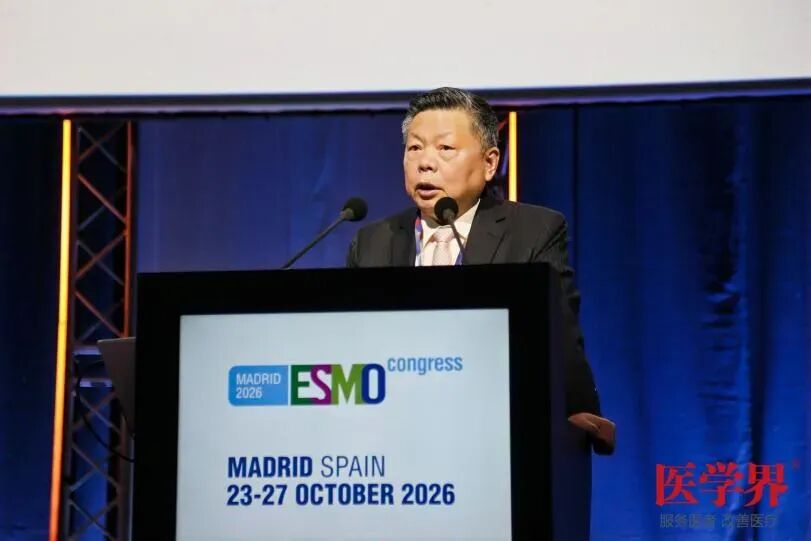 Fig. 1. Prof. Yi-Long Wu Presenting the SANOVO Study at the ESMO 2026 Congress
For patients with EGFR-mutant advanced NSCLC and primary MET overexpression, prior observations suggest that first-line EGFR-TKI monotherapy may be less effective. Savolitinib plus osimertinib has been validated in previously treated populations in SACHI, SAVANNAH, and SAFFRON; SANOVO moved this combination forward to first-line treatment.
Article Key Points
- Phase 3 SANOVO (LBA69): savolitinib plus osimertinib vs osimertinib, first-line EGFRm NSCLC with MET overexpression
- 326 patients randomized 1:1 (162 vs 164) across 74 centers in China (NCT05009836)
- INV PFS, MET IHC 3+ population: 24.8 vs 11.1 months (HR 0.45, 95% CI 0.31-0.66, P<0.0001)
- INV PFS, ITT population: 24.9 vs 13.8 months (HR 0.56, 95% CI 0.43-0.74, P<0.0001)
- IRC results closely concordant: IHC 3+ HR 0.48; ITT HR 0.53
- ITT OS: 44.5 vs 34.9 months (HR 0.48, 95% CI 0.33-0.68) at a median follow-up of 38.7 months
- ORR (INV, ITT) 80.9% vs 67.7%; median DoR (duration of response) 23.5 vs 15.2 months
- Grade ≥3 TEAEs 77.2% vs 38.4%; discontinuation due to AEs higher with the combination
- Results presented as a conference abstract; not yet peer-reviewed
Study Design: Double-Blind Phase 3 across 74 Centers in China
SANOVO (NCT05009836) was a randomized, double-blind, 1:1, multicenter phase 3 trial conducted at 74 centers in China, enrolling from August 2022 to August 2025.
The population comprised treatment-naive patients with unresectable or metastatic NSCLC and centrally confirmed MET overexpression, stratified by IHC criteria: MET IHC 3+ was defined as strongly stained cells accounting for ≥90% (in which case the H-score is necessarily close to 300); MET IHC 2+ was defined as an H-score ≥220 with strongly stained cells accounting for <90%. EGFR mutations were limited to exon 19 deletion or L858R, with ECOG performance status 0-1.
Stratification factors were EGFR mutation type (19del/L858R), baseline brain metastasis (yes/no), and MET overexpression level (IHC 3+/2+).
Treatment: savolitinib was given by body weight at 300 mg (≥70 kg) or 200 mg (<70 kg) twice daily plus osimertinib 80 mg once daily; the control arm received matched placebo plus osimertinib, continued until disease progression, unacceptable toxicity, or death.
Efficacy and Safety: Benefit across Endpoints from PFS to OS
A total of 1,896 EGFR-mutant patients were screened, 1,449 completed MET IHC testing, and 326 patients were randomized (162 to the combination arm and 164 to the monotherapy arm). The MET IHC 3+ population comprised 98 patients in each arm. Baseline characteristics were generally balanced.
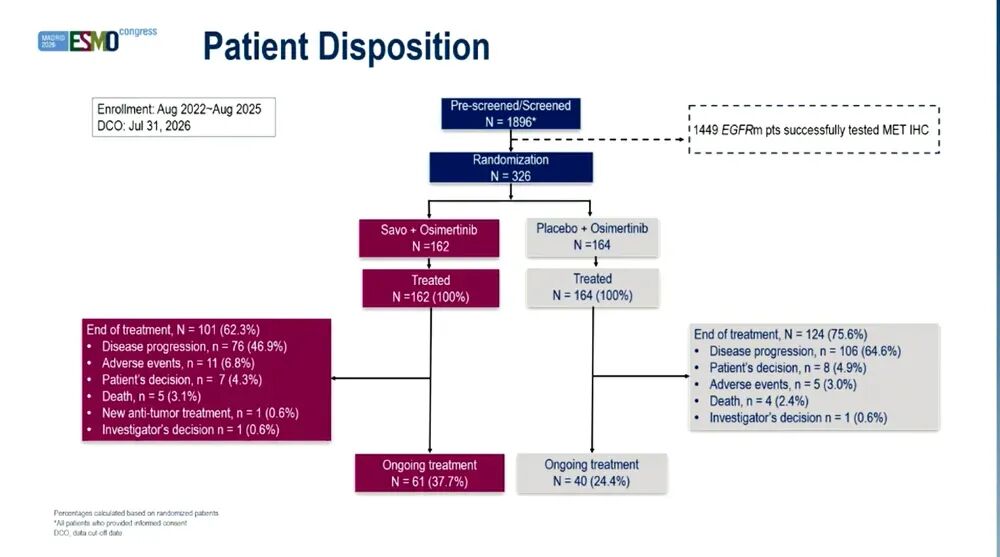 Fig. 2. Patient Screening and Randomization Flow in SANOVO
Primary Endpoint: Investigator-Assessed PFS
- MET IHC 3+ population: median PFS was 24.8 versus 11.1 months, HR 0.45 (95% CI 0.31-0.66), P<0.0001.
- ITT population: median PFS was 24.9 versus 13.8 months, HR 0.56 (95% CI 0.43-0.74), P<0.0001.
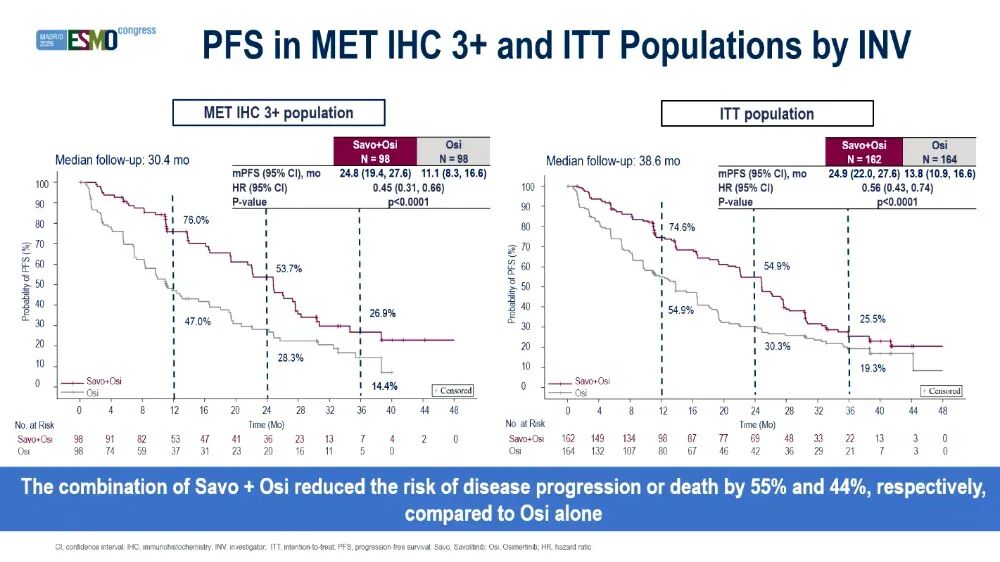 Fig. 3. Investigator-Assessed PFS Kaplan-Meier Curves in the MET IHC 3+ (Left) and ITT (Right) Populations of SANOVO
The risks of disease progression or death were reduced by 55% and 44%, respectively; both hypotheses were formally positive in the hierarchical testing, and the study met its primary endpoint.
Independent review committee (IRC) assessment was highly concordant with investigator assessment. In the MET IHC 3+ population, the median PFS with the combination reached 22.2 months (13.7 months in the monotherapy arm, HR 0.48); in the ITT population, the median PFS with the combination reached 27.9 months (16.4 months in the monotherapy arm, HR 0.53). Independent review further reinforced the conclusion that this dual oral regimen significantly improved PFS.
Secondary Endpoints: Depth of Response and Overall Survival
- ORR (INV, ITT): 80.9% vs 67.7%, odds ratio (OR) 2.00 (95% CI 1.17-3.45);
- Disease control rate (DCR): 97.5% vs 88.4% (OR 5.02, 95% CI 1.66-21.33);
- Median duration of response: 23.5 vs 15.2 months;
- Best median reduction in target lesions: -54.0% vs -44.3%.
For OS in the ITT population at a median follow-up of 38.7 months, the median OS was 44.5 versus 34.9 months, with 49 death events (30.2%) versus 83 death events (50.6%), HR 0.48 (95% CI 0.33-0.68), a 52% reduction in the risk of death.
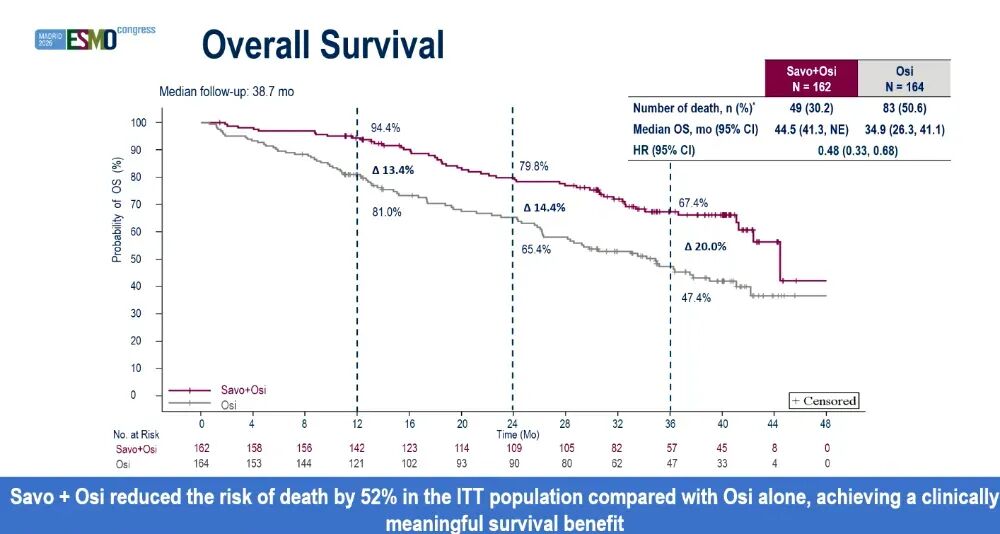 Fig. 4. Overall Survival Curve in the ITT Population of SANOVO
Safety
The median treatment exposure was 22.1 versus 12.9 months (the combination arm had longer exposure owing to longer PFS), and the rate of grade ≥3 treatment-emergent adverse events (TEAEs) was substantially higher: 77.2% vs 38.4%.
The most common TEAEs (≥25%) were peripheral edema, decreased platelets, hypoalbuminemia, anemia, increased creatinine, and decreased appetite, mostly consistent with MET-TKI class effects; laboratory abnormalities included decreased white blood cells and neutrophils, elevated transaminases, and hypocalcemia. The overall profile was tolerable and manageable, with no new safety signals.
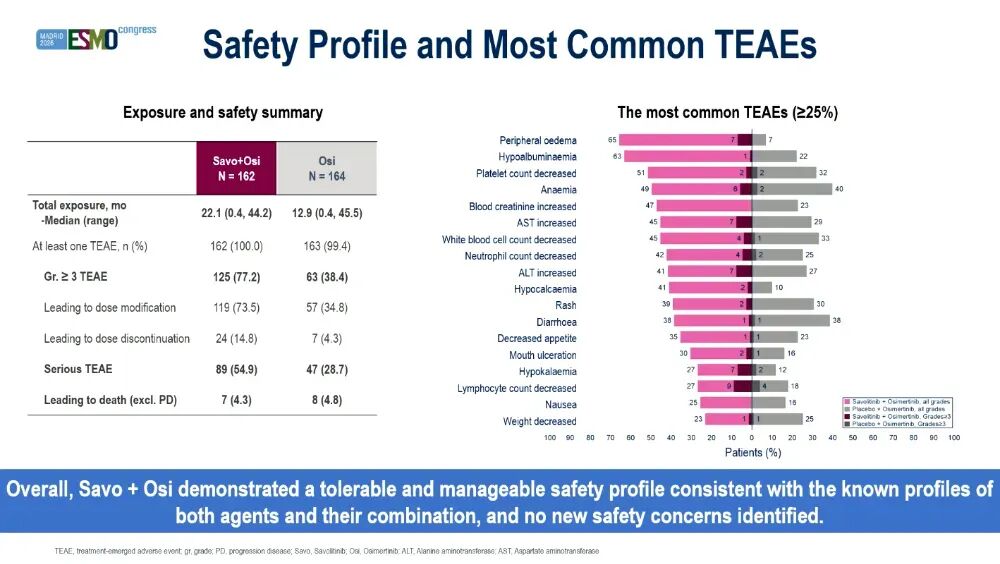 Fig. 5. Safety Overview and Common TEAEs in SANOVO
Summary
SANOVO met its primary endpoint. In treatment-naive patients with EGFR-mutant advanced NSCLC and MET overexpression, savolitinib plus osimertinib significantly improved PFS versus osimertinib alone, and showed a clinically meaningful OS benefit in the ITT population, with a generally manageable safety profile.
This dual oral combination may offer a new potential first-line option for this biomarker-defined population. Notably, the proportion of patients discontinuing treatment due to adverse events was higher in the combination arm than in the control arm, and intensified monitoring and management of adverse reactions remain necessary in clinical practice.

