


The ESMO 2026 Annual Meeting was held Oct 23 to 27, 2026, in Madrid, Spain. On Oct 25, Prof. Caicun Zhou of Shanghai East Hospital, Tongji University, presented the prespecified interim progression-free survival (PFS) analysis of the randomized phase 3 OptiTROP-Lung06 study, published simultaneously in the New England Journal of Medicine.
Article Key Points
- Phase 3, n=455 in China: sacituzumab tirumotecan plus pembrolizumab versus chemotherapy plus pembrolizumab
- Population: untreated PD-L1-negative (TPS <1%) advanced non-squamous NSCLC without EGFR or ALK alterations
- Primary endpoint met: BICR median PFS 15.0 versus 5.7 months (HR 0.49, 95% CI 0.36-0.65, P<0.0001)
- Median DoR 13.6 versus 6.8 months (HR 0.47, 95% CI 0.29-0.77); ORR 50.2% versus 47.3%
- OS not mature at the cutoff (HR 0.58, 95% CI 0.38-0.88); no median reached in either arm
- Grade 3 or higher TEAEs 47.6% versus 60.6%, lower with the ADC regimen
- Hematologic toxicity lower with the ADC: neutropenia 20.1% versus 29.6%, anemia 6.1% versus 20.4%
- Grade 3 or higher stomatitis with sacituzumab tirumotecan was 2.2%
- Evidence status: published simultaneously in NEJM on Oct 25, 2026; peer reviewed
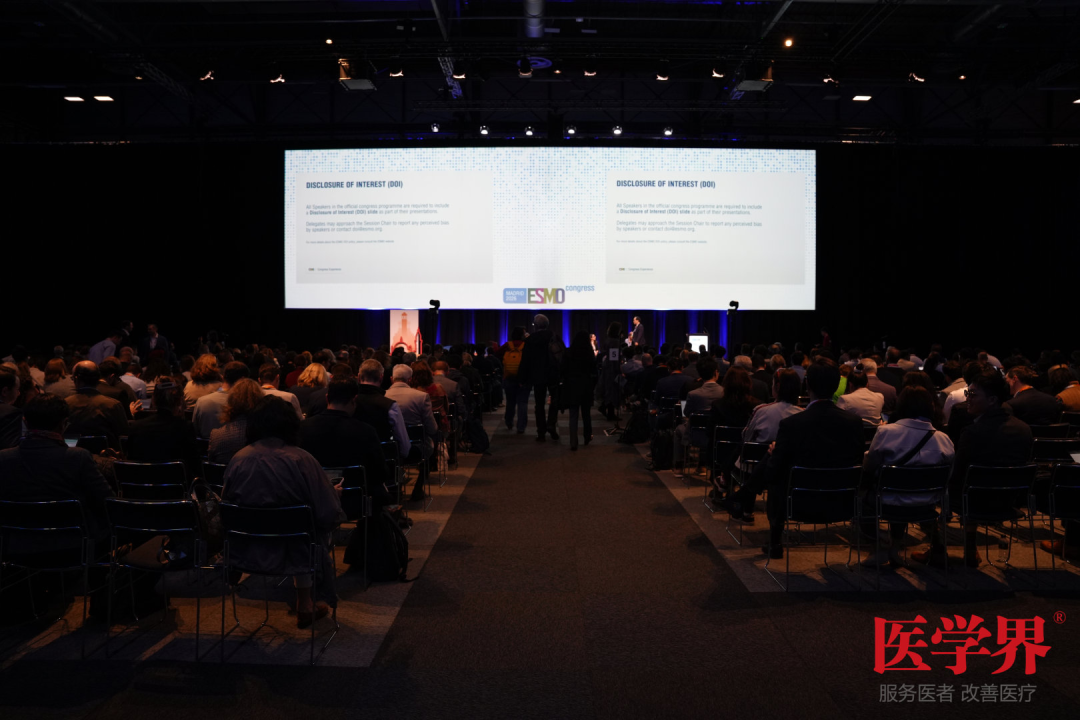 Fig1. Prof. Caicun Zhou Presenting the OptiTROP-Lung06 Results at the ESMO 2026 Meeting
Study Design: An ADC Tested Against the Chemotherapy Backbone
Eligible patients had locally advanced or metastatic non-squamous NSCLC (nsq-NSCLC) with no prior systemic therapy, no epidermal growth factor receptor (EGFR) or anaplastic lymphoma kinase (ALK) alterations, and a PD-L1 tumor proportion score (TPS) below 1% by the 22C3 assay. Patients were randomized 1:1 to sacituzumab tirumotecan (sac-TMT) 4 mg/kg every 2 weeks plus pembrolizumab 400 mg every 6 weeks, or platinum-based chemotherapy plus pembrolizumab.
The primary endpoint was PFS assessed by blinded independent central review (BICR) using RECIST version 1.1. Overall survival (OS) was a secondary endpoint.
Results: PFS Nearly Doubled
A total of 455 patients were randomized, with 229 in the sac-TMT plus pembrolizumab group and 226 in the chemotherapy plus pembrolizumab group. Median age across the population was 63 years, 72.1% were male, 82.4% had an Eastern Cooperative Oncology Group (ECOG) performance status of 1, and 91.6% had stage IV disease. As of the June 9, 2026 data cutoff, median follow-up was 9.7 months.
Median PFS by BICR assessment was 15.0 months with sac-TMT plus pembrolizumab versus 5.7 months with chemotherapy plus pembrolizumab, a 51% reduction in the risk of disease progression or death (HR 0.49, 95% CI 0.36-0.65, P<0.0001).
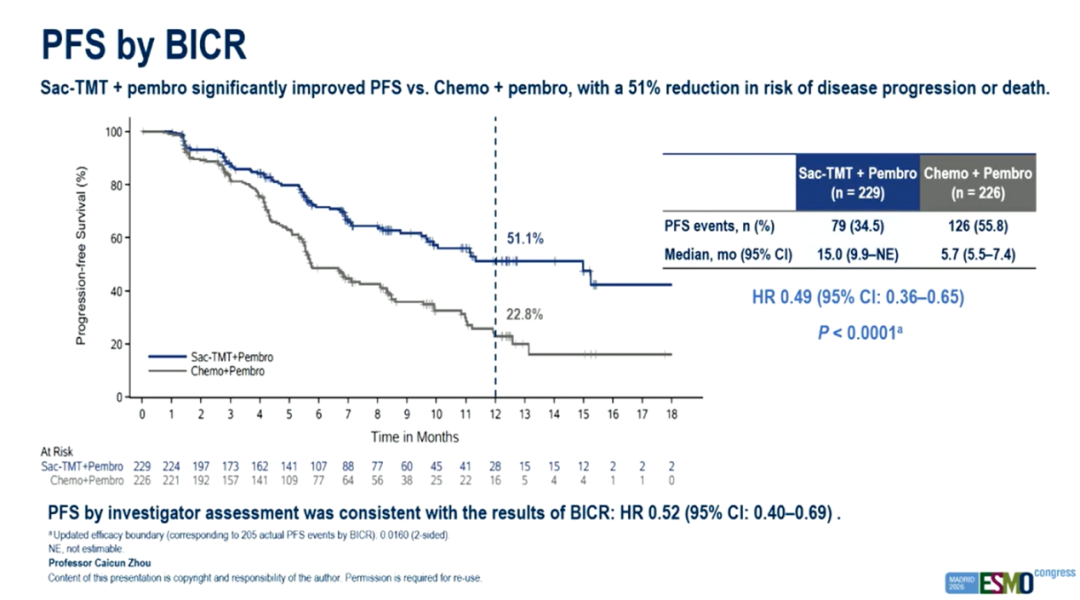 Fig.2. Progression-free Survival by Blinded Independent Central Review
OS data were not yet mature, but the sac-TMT plus pembrolizumab group showed an OS benefit trend (HR 0.58, 95% CI 0.38-0.88), with neither median reached.
BIRC-assessed ORR was 50.2% with sac-TMT plus pembrolizumab and 47.3% with chemotherapy plus pembrolizumab, while median DoR was 13.6 months versus 6.8 months (HR 0.47, 95% CI 0.29-0.77), indicating more durable responses with the ADC combination despite similar response proportions.
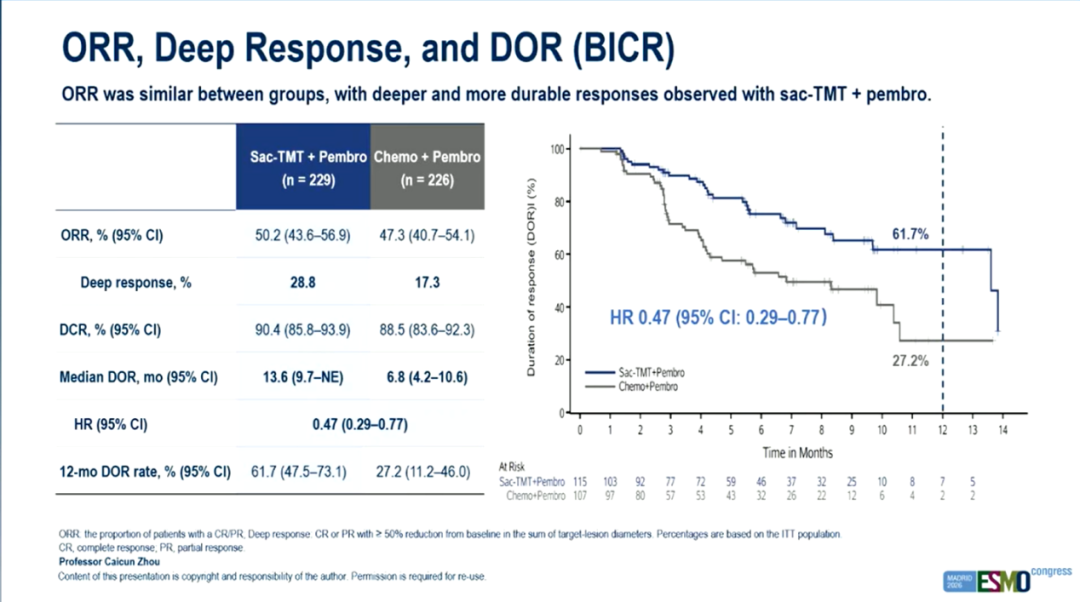 Fig.3. Objective Response Rate and Duration of Response in the Two Arms
Safety
Grade 3 or higher treatment-emergent adverse events (TEAEs) occurred in 47.6% of patients in the sac-TMT plus pembrolizumab group and 60.6% of those in the chemotherapy plus pembrolizumab group.
Common hematologic toxicity was lower with the ADC combination: decreased neutrophil count (20.1% versus 29.6%), decreased white blood cell count (9.6% versus 16.4%), anemia (6.1% versus 20.4%) and decreased platelet count (3.9% versus 14.6%). Adverse events of special interest with sac-TMT were overall manageable, and grade 3 or higher stomatitis occurred in 2.2%.
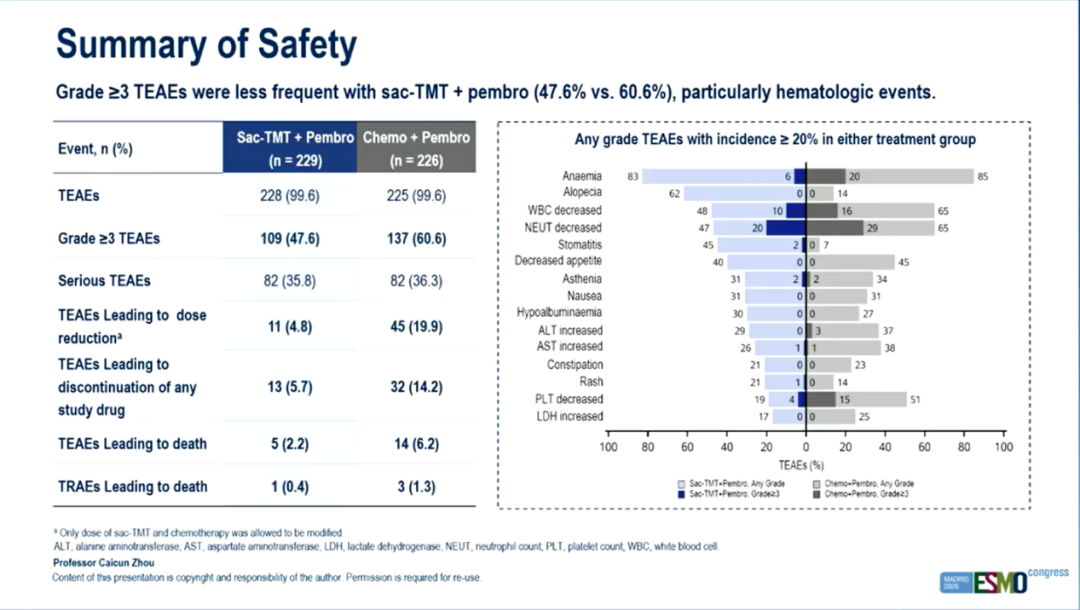 Fig. 4. Incidence of Major Adverse Events in the Two Arms
Conclusions
The investigators noted that OptiTROP-Lung06 is the first randomized phase 3 study to show that a TROP2-directed ADC combined with a PD-1 inhibitor improves PFS over the immunotherapy plus chemotherapy standard in NSCLC. Sac-TMT plus pembrolizumab significantly prolonged PFS, produced longer duration of response, and had manageable safety, offering a potential first-line option for patients with PD-L1-negative advanced nsq-NSCLC. The final OS result awaits longer follow-up.
Reference
[1] Zhou C, et al. Sacituzumab tirumotecan (sac-TMT) plus pembrolizumab (P) versus chemotherapy (chemo) plus pembrolizumab (P) as first-line (1L) treatment for PD-L1-negative advanced non-squamous (nsq) NSCLC: Randomized phase 3 OptiTROP-Lung06 study. 2026 ESMO Congress.

