


After many conversations about AI, QICC 2026 is preparing to put it directly at the table: when AI sits in the commentary seat of a case discussion and asks clinical experts question after question, what happens? At the same time, editors of leading international journals will be on site to discuss papers face to face with researchers. Junior doctors, colleagues in primary care and doctors in western regions can also find a growth pathway prepared for them in this programme. Twenty years of accumulation, four days of sessions, up to 37 parallel forums in a single day and more than 300 sessions in total. On November 19 to 22, at the point of a twentieth anniversary, how far is QICC 2026 preparing to push the boundaries of academic exchange? As the meeting approaches, expectations also become concrete: what will the spirit and the innovative force repeatedly invoked this year be built into? Ahead of the meeting, MedJ spoke with Prof. Jun Jiang, Secretary-General of the Congress, and opened the QICC 2026 programme in advance: looking at the highlights and at the design, looking at the four days and at how each arrangement answers the expectations of colleagues.
Article Key Points
• QICC 2026 runs from November 19 to 22 and marks the 20th anniversary of the meeting
• The programme carries more than 300 sessions, with up to 37 parallel forums in a single day
• The meeting is organised around Quality, Innovation, Collaboration and Cultivation
• QICC has become a formal partner of the European Society of Cardiology
• JACC-linked formats including JACC Express Box will be presented alongside other journal sessions
• Four talent programmes target junior operators, research students, grassroots doctors and western China
• Artificial intelligence appears in four half-day sessions and in simulated expert commentary
• Cross-disciplinary and primary care content was expanded for the 2026 programme
The Q-I-C-C Framework behind the Design
This year happens to be the 20th anniversary of the meeting. Speaking about the overall design of this year’s congress, Prof. Jun Jiang raised this special landmark first. Twenty years means accumulation, and it also means looking again. Faced with continuously updated evidence-based findings, rapidly developing diagnostic and treatment technologies and increasingly complex clinical needs, the Qianjiang meeting has to answer not only what to discuss this year but also how to make discussion more valuable. As a comprehensive cardiovascular meeting, transmitting the latest research progress from China and abroad over the past year in a timely manner is an important basis for the content design. At the same time, how to make the academic content respond to the needs of doctors at different levels is also a key consideration in this year’s programme setting. One end connects to the international frontier, bringing new research evidence, technology concepts and academic observations into the country. The other end is rooted in clinical practice, starting from the real cases and diagnostic dilemmas encountered by doctors in primary care and offering more practical content. For QICC, these two paths are not contradictory, but point together to the improvement of meeting quality.
Facing the large programme of QICC 2026, Prof. Jun Jiang offered a simple way to open it up, starting from the four letters of QICC. Q stands for quality. From topic selection and expert organisation to the format of exchange, the congress hopes to provide an academic platform with content, with discussion and with practical gain. I stands for innovation. The innovation of this year is reflected not only in what is discussed and in how it is discussed, but also in details such as meeting services. C stands for collaboration. The congress will connect different academic organisations and professional fields at home and abroad, so that exchange moves from one-way sharing towards multi-party collaboration. The second C stands for cultivation. The congress has set up multi-level talent development programmes aimed at different populations and responding to different needs. Quality, Innovation, Collaboration and Cultivation are not slogans that stop at the level of the congress brand; each corresponds to forums, programmes and cooperation mechanisms in the programme, and together they form a roadmap for understanding QICC 2026.
A further improvement in the degree of internationalisation is one of the changes most worth watching in QICC 2026. Compared with inviting overseas experts to attend and give lectures, this year’s international cooperation extends further to research exchange, talent training and journal linkage. From introducing international progress to establishing specific connections around a single study, a single paper or a single training course, QICC’s international cooperation is moving towards deeper and sustained two-way exchange. Cooperation with the European Society of Cardiology (ESC) is one important line of this work. On the basis of previous exchanges, QICC has become a formal partner of the ESC. This year’s congress not only sets up a series of ESC@QICC sessions introducing the latest academic content from the ESC congress, but also plans to explore further scope for cooperation through closed-door discussions on topics including artificial intelligence, cardiovascular registry research, talent training and journal promotion. The linkage with the JACC series of journals covers several steps, from research presentation to manuscript submission. JACC CR, the JACC round table, JACC: Asia Pulse, JACC Express Box and a series of sessions on how to publish a paper in a high-impact journal will all appear, and several editors-in-chief and editors of the JACC series will be on site. JACC Express Box will give domestic researchers the opportunity to talk face to face with journal editors, bringing their own manuscripts or research proposals to the venue to learn whether an article is suitable for submission and what further work is needed on study design and manuscript presentation. Prof. Jun Jiang noted that the congress is also exploring smoother referral and peer review mechanisms between excellent papers and international journals. After JACC: Asia obtained its first impact factor of 6.1, the two sides will further strengthen the connection between researchers, conference platforms and international journals through reviews of excellent articles, author presentations and editorial commentary. The international map continues to expand. The WHF joint forum will bring together experts from different countries and regions around topics such as hypertension prevention and treatment. CCT@QICC focuses on complex and high-risk coronary intervention, in particular the latest advances in chronic total occlusion treatment. TSCI@QICC addresses the application of imaging in chronic total occlusion percutaneous coronary intervention, and ICI@QICC brings together exchange on cardiovascular intervention and innovation. From sharing the latest progress on the stage, to discussing a specific study at the table; from inviting international experts to attend, to building sustained connections around research, training and journals. This is the concrete expression of the further deepening of internationalisation at QICC 2026.
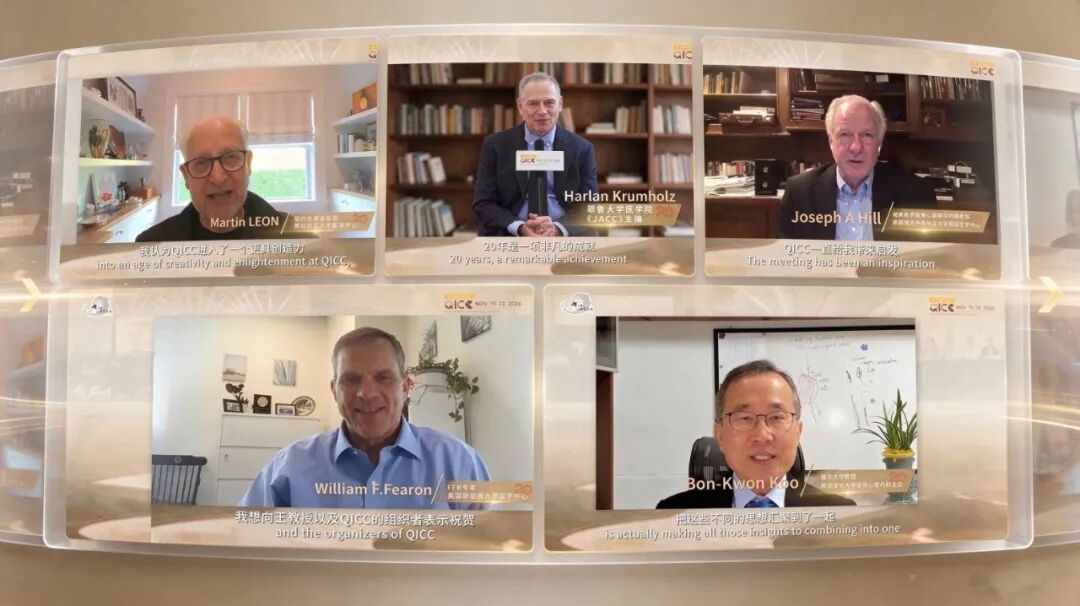 Fig. 1. International Colleagues Send Video Greetings Ahead of QICC 2026
Innovation in the Topics and in the Details
Innovation is another main line of this year’s congress, but it has not been placed in a single forum. Instead it is distributed across different disciplines and session formats. Mature brand sessions such as the Qianjiang coronary intervention forum, the structural heart disease forum, the Qianjiang arrhythmia forum and the Qianjiang heart failure forum remain important parts of the programme. What is different is that this year’s discussions will track the latest research and clinical controversies of the year, so that long-running brands continue to answer new questions. Take the forum on coronary intravascular imaging and physiology as an example. Several studies have been published in recent years, some with positive results and some with negative results that deserve to be reconsidered. Why did a study not reach its expected conclusion? What influence might patient selection, study design and the application setting have had? These questions will be brought to the meeting, to be analysed jointly by experts from different fields. The new Late-Breaking Science (LBS) forum will focus on the latest clinical research findings, while viewpoint debates and case discussions leave room for positive exchange between different views. Participants gain not only the final conclusion of a single study, but also the process of understanding evidence, weighing differences and forming a clinical judgement.
Artificial intelligence is an innovative thread running through several sessions. The congress has set aside four half-day sessions around AI, covering scenarios including epidemiology, device development, coronary physiology, medical imaging and clinical decision making. In case discussions, the congress also plans to introduce large-model simulated expert commentary: the large model poses the questions, clinical experts answer, and the model continues to follow up on the answers. Artificial intelligence is thereby not only an object of discussion but also a tool for driving interaction on site. AI will also enter the meeting services. As Prof. Jun Jiang described, the congress plans to use digital tools to extract and summarise the core content of different forums intelligently. With many parallel sessions running at the same time, participants who cannot reach every hall can still learn quickly what the main points of a given forum were. From discussing AI to letting AI take part in the discussion; from publishing research conclusions to asking why the conclusions are as they are; from academic content to the format of exchange and on to the way information is obtained. The innovation emphasised by QICC 2026 runs through forum content, on-site interaction and the attendee experience alike.
Talent Development Matched to the Needs of Different Groups
If internationalisation has opened the channel for outward connection, talent development is concerned with how meeting content reaches more doctors and turns into a continuing source of growth. The most marked change this year is that talent development has moved from scattered single forums to a growth system with clearly defined tiers. The congress has launched the Lighthouse Programme, the Starlight Programme, the Spark Programme and the Silk Road Programme. Behind these evocative names sit the actual needs of doctors at different career stages and in different regions. The Lighthouse Programme is aimed at young operators in Asia and the Western Pacific and plans to use precision coronary intervention training workshops as its vehicle, with exchange on tools such as coronary computational physiology and on the concept of precision intervention, to help young operators improve their clinical application skills. The Starlight Programme targets postgraduate students, creating retrospective forums focused on improving research capability and building a reserve of young talent for the discipline. The Spark Programme is rooted in primary care, bringing standardised diagnostic concepts down to that level, popularising practical diagnostic skills, and genuinely improving the diagnostic capability of frontline doctors. The Silk Road Programme focuses on western China, combining regional and ethnic patterns of disease incidence and advancing regional homogeneity in diagnosis and treatment. The four programmes are not one course set copied for different audiences, but are designed separately for career stage, clinical environment and regional need. At the same time, the continuing programmes such as Qianjiang Elite and clinical research methodology training will give young doctors opportunities to present results, exchange ideas and improve research capability. As Prof. Jun Jiang said: “In the past we also had young forums and primary care training, but they were relatively scattered. This year we have set that system straight, in the hope that talent development is not a one-off attendance but can form a continuing path of growth.”
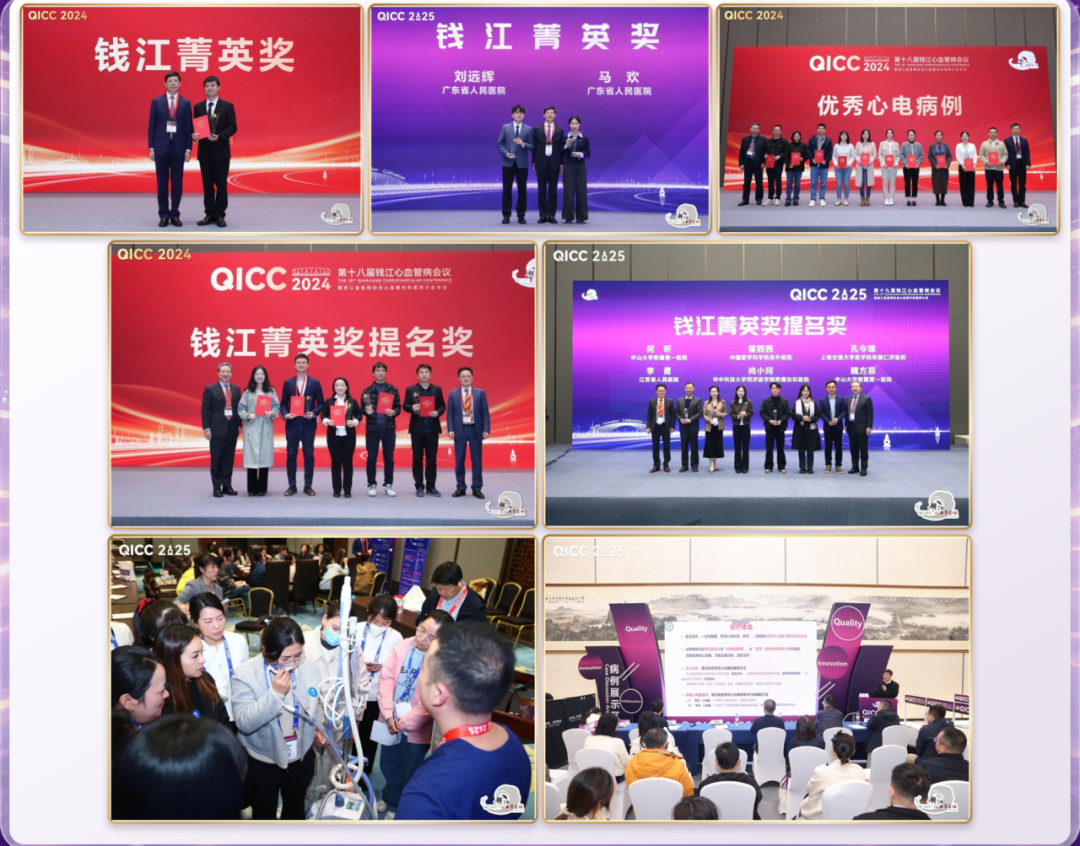 Fig. 2. Highlights of Previous Editions of the Talent Development Programme
From Single Diseases to the Whole Patient
Beyond international cooperation, innovation and talent development, another change worth watching in this year’s programme is that the congress has further expanded the share of primary care and cross-disciplinary content. In the primary care block, common problems such as cardiovascular-kidney-metabolic (CKM) syndrome are introduced with real cases provided by primary care doctors, and are then analysed by experts from different fields on disease recognition, comprehensive management and referral. Such a design is not simple instruction in knowledge, but starts from the practical difficulties primary care doctors encounter and discusses how a patient should be recognised, how the patient should be managed and when referral is needed, so that the content is easier to understand and easier to apply. In cross-disciplinary work, several blocks have entered the programme, including heart-kidney interaction, heart-brain interaction and ageing, cardio-oncology, heart-lung co-management and general practice management of cardiovascular comorbidity. Behind them lies an increasingly common reality in clinical practice: a patient with cardiovascular disease may also have kidney disease, metabolic disease, cerebrovascular disease or cancer, and cancer treatment may itself cause cardiovascular injury. Faced with such patients, approaching the problem from a single organ or a single disease often makes it difficult to form a complete management plan. Prof. Jun Jiang said the congress hopes to further strengthen exchange between cardiovascular medicine, general practice and related disciplines, so that discussion extends from the management of single diseases to the comprehensive management of health across the life course and of multiple comorbidities. The widening of the cross-disciplinary scope reflects a change in clinical perspective, from focusing on one disease towards understanding a whole person.
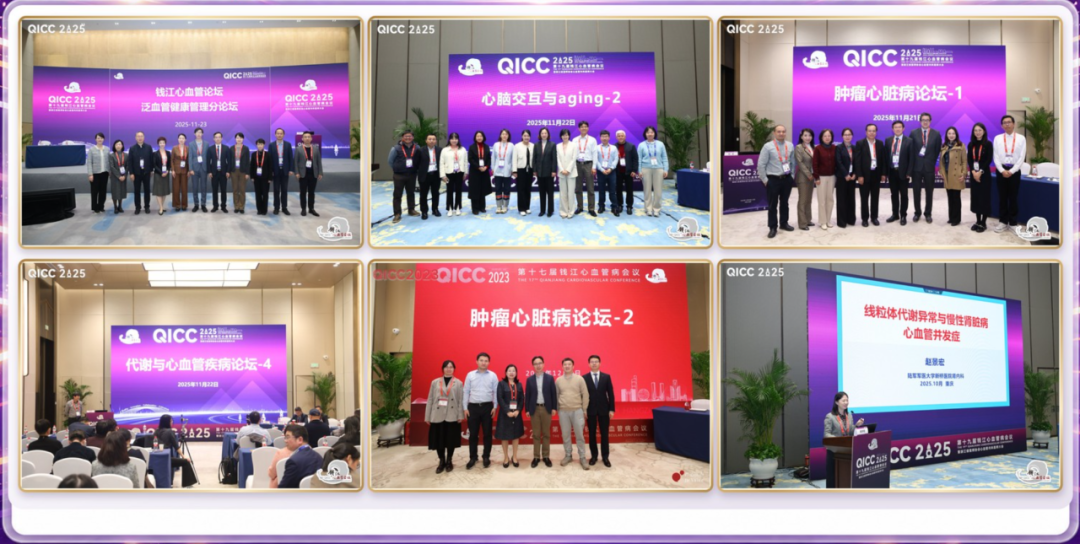 Fig. 3. Highlights of Cross-Disciplinary Forums at Previous Editions of QICC
In the final moments of the interview, Prof. Jun Jiang summarised his expectations for the congress in one sentence: “Standing firm in Asia, connecting with the world, and shaping the future of cardiovascular medicine together.”
Twenty years of accumulated experience, twenty years of steady progress. When past accumulation becomes the confidence for what comes next, the opening question has an answer: within a four-day programme lie not only more than a hundred forums and leading results, but a more open, more inclusive and closer to clinical practice cardiovascular world, with a collaborative vision reaching the world, the innovative energy driving the discipline, a ladder of growth progressing step by step, and the original intention of medicine that returns to the patient. On November 19 to 22, QICC 2026 awaits cardiovascular colleagues from across the country and beyond, to turn four days of academic programme into a series of deep exchanges, a series of collisions of ideas and a series of solid steps forward for the discipline.

