


A disease the world has spent decades learning to treat is still responsible for more lost life than any other. At the 2025 Qi Jiang International Cardiology Conference (QICC 2025), Prof. Harlan M. Krumholz, MD, FACC, Editor-in-Chief of the Journal of the American College of Cardiology (JACC) and the Harold H. Hines Jr Professor of Medicine at Yale School of Medicine, put a number at the centre of his talk: in 2023, global cardiovascular disease (CVD) accounted for 437 million disability-adjusted life years (DALYs), of which roughly 80% was attributable to risk factors that are measurable and modifiable.
His question was the reason for the talk. “Why are we investing unprecedented medical resources while the pace of global cardiovascular disease prevention and control is slowing?” Prof. Krumholz could have discussed new technologies or landmark trials. He chose instead to address the gap between research that has already been done and the health of the general population.
Article Key Points
- Global CVD burden was 437 million DALYs in 2023, still the leading cause of disease burden
- About 347 million DALYs, close to 80% of the total, came from modifiable risk factors
- Elevated blood pressure ranked first among modifiable risks, accounting for 223 million DALYs
- Three global priorities: hypertension control, obesity and diabetes, and stronger health systems
- Chinese trials such as STEP and ESPRIT were cited as evidence for intensive blood pressure control
- Prof. Krumholz stated that JACC is working to reduce publication barriers faced by Asian scientists
- AI can assist writing and interpretation, but researchers retain primary responsibility
- The twentieth QICC will be held in Hangzhou from November 19 to 22, 2026
437 Million DALYs Behind an Overlooked Preventable Burden
Over the past decades, cardiovascular technologies have iterated continuously and evidence has accumulated, and cardiovascular mortality fell substantially in several countries. The puzzling reality is that in recent years the global pace of CVD prevention and control has slowed, and in some regions has stalled.
On the QICC 2025 stage, Prof. Krumholz used data from a global cardiovascular disease burden report to analyse this contradiction. The report uses disability-adjusted life years (DALYs) as its metric, combining years of life lost to premature death with years lived with disability into a single measure.
In 2023, CVD accounted for 437 million DALYs globally and remained one of the leading causes of global disease burden. Of this, about 347 million DALYs came from measurable and modifiable risk factors, close to 80% of the total burden. In other words, using the medical knowledge and interventions already in hand, a large share of cardiovascular premature deaths and disabilities could have been avoided.
“Every country has lives that could have been saved and cardiovascular disabilities that could have been prevented,”Prof. Krumholz said.
Why Prevention Has Stalled as Medicine Advances
On one side there is continuous growth in health spending and a steady stream of technical innovation. On the other, the pathway that carries research evidence and advanced treatment into the health of ordinary people is blocked at many points.
Among all modifiable risk factors, elevated blood pressure ranks first, accounting for 223 million DALYs. Mature antihypertensive regimens can already substantially reduce this harm, but delivering standardised regimens to the millions of patients who need them is a shared problem for every country. At the same time, the cardiometabolic burden from obesity and diabetes is rising rapidly, adding a new challenge to global disease prevention.
In this discussion, Prof. Krumholz referred to Chinese clinical research as a valuable reference for the rest of the world. Studies such as STEP and ESPRIT have not only provided evidence of the benefit of intensive blood pressure control but also demonstrated a feasible route to bringing blood pressure down to target.
Faced with these realities, Prof. Krumholz set out three global priority tasks: strengthening hypertension control, addressing obesity and diabetes as quickly as possible, and improving health systems. Digital technology, artificial intelligence (AI), and communication between people can all serve as means to move these priorities into practice.
Breaking Publication Bias so that Good Research Worldwide Can Be Seen
Closing the loop from research evidence to clinical practice requires more than implementation; it depends on open and fair scientific exchange.
Asian cardiovascular research capacity has grown rapidly in recent years, and Chinese clinical research has made substantial progress in both quantity and quality. Many trials from China are reshaping clinical understanding and offering new approaches to global disease prevention.
Such progress also asks international journals to reconsider their own responsibilities. “In the past, Asian scientists faced higher publication thresholds; JACC is working to break down these barriers and remove bias,” Prof. Krumholz said. Regardless of where a researcher comes from or what language they work in, the research itself deserves fair evaluation. A global journal, he argued, must publish the best work in the world, which requires building good partnerships with scientists in Asia and in China.
On generative AI, which is currently much discussed, he remains objective. AI can assist scientific writing and the interpretation of information, but researchers must retain primary responsibility for the entire content of a study.
“Medical innovation exists to protect the lives and health of ordinary people.”
Making high-quality research seen, discussed and applied is what ultimately advances the standard of care worldwide, and Chinese research workers are indispensable partners in that global goal.
For QICC’s 20th Anniversary: The Influence Is Just Beginning
“Returning to first principles is not going back to the past; it is creating the future.”That was the sentence Prof. Krumholz left on the QICC stage.
His connection with China dates to 1981, when he was still a student and travelled to China to visit hospitals and rural medical institutions. In the decades since, he has continued to witness the growth of cardiovascular medicine in the country.
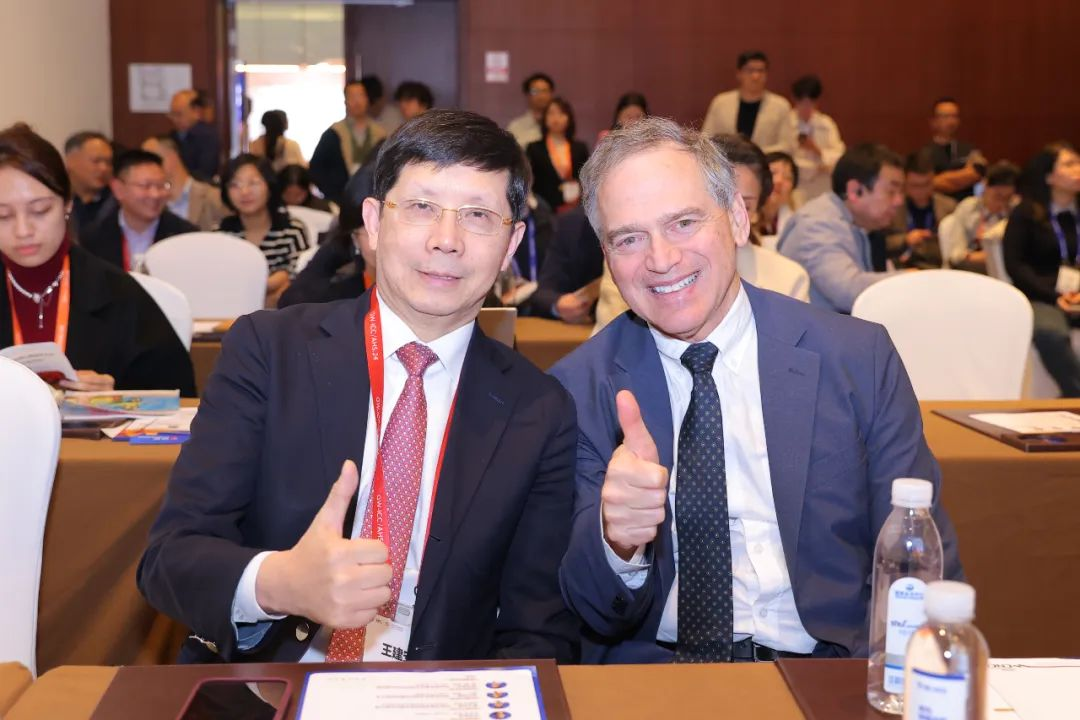 Fig. 1. Prof. Harlan Krumholz and Prof. Jian’an Wang at the QICC Congress
Standing at the 20th-anniversary mark, Prof. Krumholz offered a considered assessment: “The influence of QICC is only just beginning to emerge.”
One side of the picture is the heavy global disease burden. The other is the steady stream of research innovation. QICC happens to provide a platform for exchange across national borders, bringing researchers together to confront real-world medical problems and to work at turning scientific evidence on paper into practical power to protect public health.
Looking forward to the next two decades, QICC will continue to use science as a bridge to seek more viable answers for global cardiovascular health.
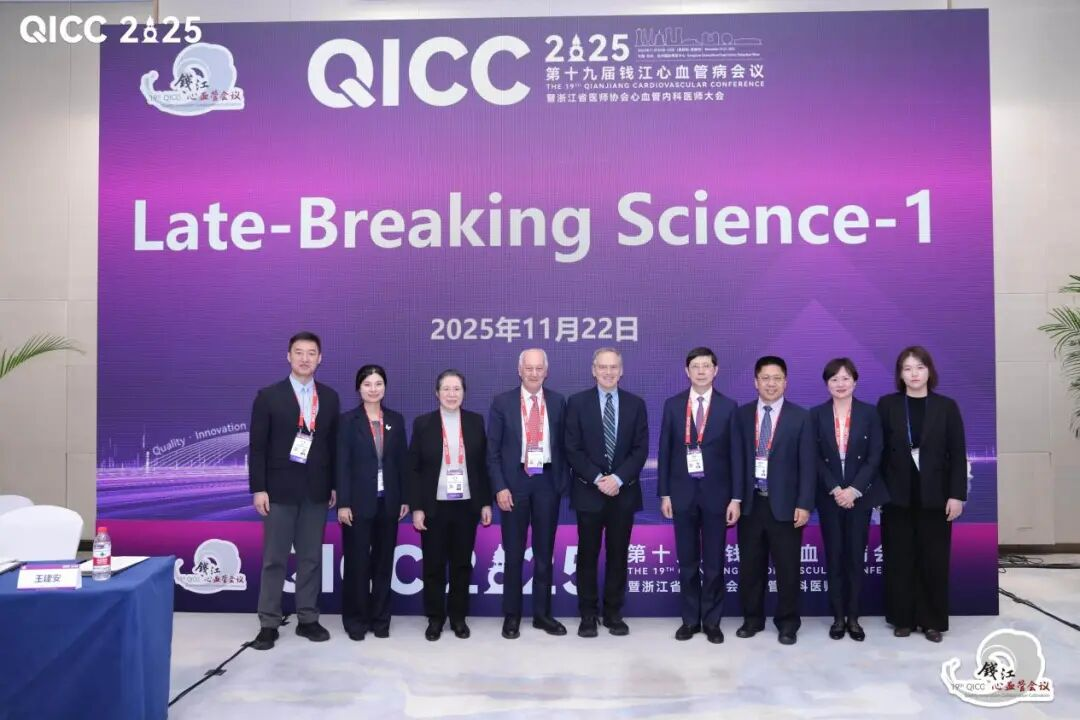 Fig. 2. Prof. Krumholz Chairing the QICC 2025 Late-Breaking Science Forum

