


ShanghaiTech University's School of Life Science and Technology announced on May 3 that Prof. Wang Chenhui died on May 1 after drowning while rescuing a loved one. He was 39.
Public information shows that Prof. Wang entered Beijing Normal University in 2004 to study biology. After completing his undergraduate degree, he pursued doctoral training through a joint program between Beijing Normal University and the National Institute of Biological Sciences, Beijing.
After receiving his doctorate, he remained at the National Institute of Biological Sciences for postdoctoral research. In 2015, he went to the United States for six years of further training at the Howard Hughes Medical Institute and the Carnegie Institution. In 2021, he returned to China and joined ShanghaiTech University.
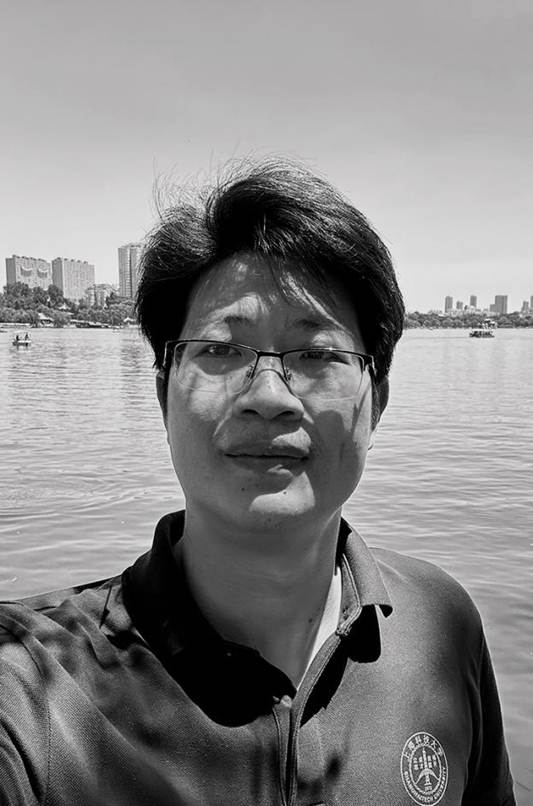
A young principal investigator focused on kidney repair
Before his death, Prof. Wang was an assistant professor, principal investigator, and doctoral supervisor at ShanghaiTech University's School of Life Science and Technology. His research focused on adult stem cells and kidney injury repair.
According to the university's website, millions of people worldwide die each year from renal failure and acute kidney injury, while millions more depend on dialysis. Kidney disease has become a major global economic burden and remains one of the most neglected chronic diseases.
Prof. Wang's laboratory used the fruit fly, a classic model organism, to study the regulatory mechanisms of kidney stem cells and renal injury repair. The group focused on mechanisms controlling kidney stem-cell dormancy and on establishing models of kidney stones, kidney cancer, and other renal diseases. The goal was to better understand renal homeostasis and provide new ideas and strategies for preventing and treating kidney disease.
He made notable contributions to stem-cell and developmental biology. As co-first author, first author, and corresponding author, he published numerous papers in international journals including Nature Communications, Science Advances, and Cell Research.
From a rural childhood to scientific curiosity
In a 2022 interview published by the WeChat account of ShanghaiTech's School of Life Science and Technology, Prof. Wang described growing up in an ordinary rural family in southern China. Unlike many urban children who attended tutoring or hobby classes after school, he spent farming seasons helping with agricultural work and other times herding cattle.
That childhood gave him abundant time in nature and a chance to observe life closely. He said this naturally led to curiosity about living systems, which is why he chose biology without hesitation when he entered university in 2004.
Prof. Wang once said that scientific research is long and difficult, but occasional moments of success can wash away the pain. Work that may look dry to outsiders, he said, is not boring to people who love science, because researchers carry the mission of exploring the unknown and can realize their own value through it.
A mentor remembered for warmth and ideals
Outside academia, Prof. Wang enjoyed reading, basketball, volleyball, chess, travel, and films. He and his wife were both researchers, but they agreed not to talk about research at home: to work fully at work and live fully in life.
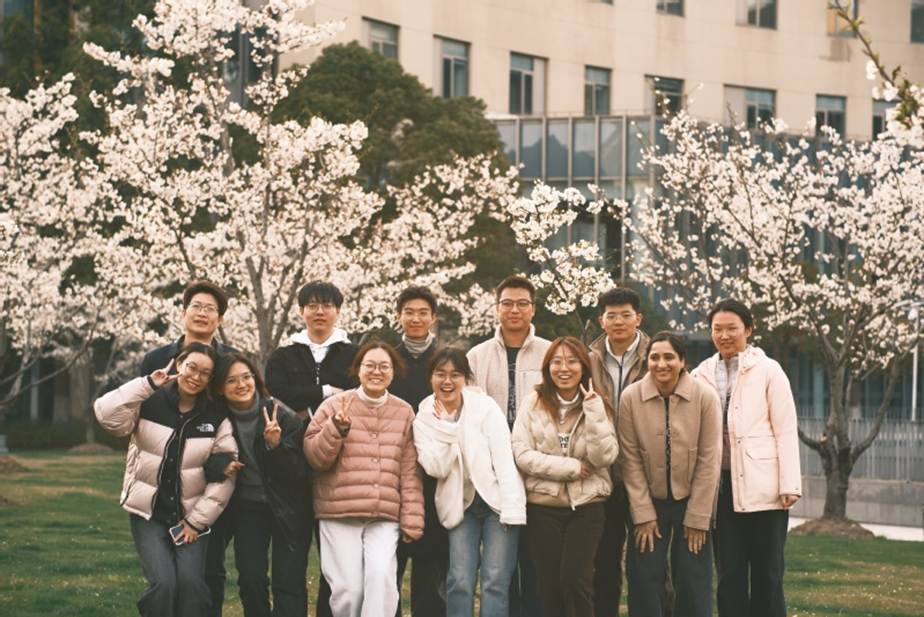
In the same interview, he described his ideal research group as collaborative, honest in communication, aligned in goals, respectful, and built on trust. He hoped students would help and mentor one another, without unhealthy competition. The laboratory page on the university website listed 10 members; their beloved mentor can no longer work beside them.
In its obituary, ShanghaiTech University said Prof. Wang was honest, modest, and full of love. By using his life to protect a loved one, he embodied the affection and responsibility of a father. His death is a deep loss for China's research community.

