


Prof. Jeremy Teoh of The Chinese University of Hong Kong (CUHK) was elected Secretary General-Elect of the Société Internationale d’Urologie (SIU) at the general assembly and council election session of the society’s 46th World Congress, held in Florence, Italy, from November 11 to 14, 2026. Teoh will take office in one year and serve a five-year term, joining the SIU senior management team and taking part in society governance, international membership liaison, global congress organisation, education programmes and consensus development.
Article Key Points
• Prof. Teoh was elected SIU Secretary General-Elect at the 46th World Congress in Florence in November 2026
• He will take office in one year and serve a five-year term on the society’s senior management team
• The SIU has more than 17,000 individual members from more than 140 countries and regions, across five continents
• Teoh led international multicentre trials and the global consensus on en bloc resection of bladder tumours (ERBT)
• He is the first Asian-based researcher to receive the AUA John K. Lattimer Lectureship, awarded since 1977
Expert Profile: Prof. Jeremy Teoh
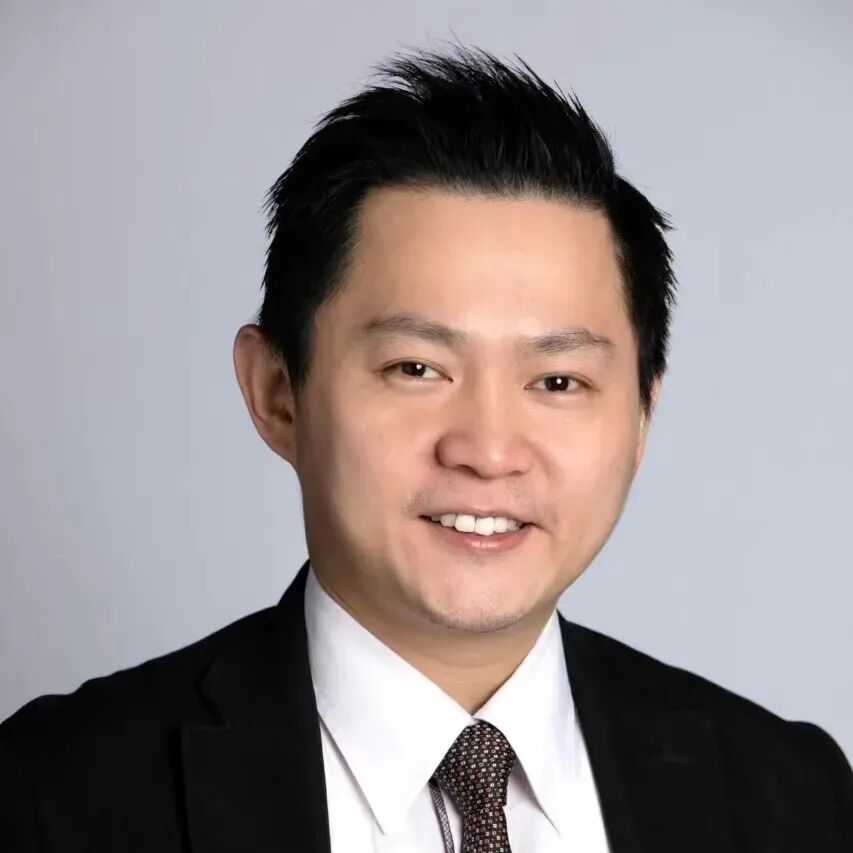
• Assistant Dean (External Affairs), Faculty of Medicine, The Chinese University of Hong Kong
• Professor of Urology, The Chinese University of Hong Kong
• Director of Urology, CUHK Medical Centre
• Director of Robotic Services, CUHK Medical Centre
• Adjunct Professor, Medical University of Vienna
• Member, European Association of Urology (EAU) guidelines committee on non-muscle-invasive bladder cancer
• Member, EAU Guidelines Office dissemination committee
• Consulting Editor, European Urology
• Deputy Editor, European Urology Oncology
• Member, EAU Young Urologists’ working group on urothelial carcinoma
• Chair, congress organising committee, Société Internationale d’Urologie (SIU)
• Member, SIU Innovators
• Recipient, SIU Innovators Award, 2021
• Recipient, Ten Outstanding Young Persons Award, Hong Kong, 2021
• Author of more than 400 peer-reviewed papers, with more than HK$80 million in research funding secured
Chinese Urology Enters the International Governance Stage
As the annual meeting of a long-established international urological society with broad global coverage, the congress brought together leading urologists, clinicians and researchers from more than 140 countries and regions. The programme addressed urological oncology, minimally invasive and robotic surgery, lower urinary tract disease, disease biomarkers and standardised diagnosis and treatment, through live surgery, master classes, thematic sessions, poster presentations and consensus development.
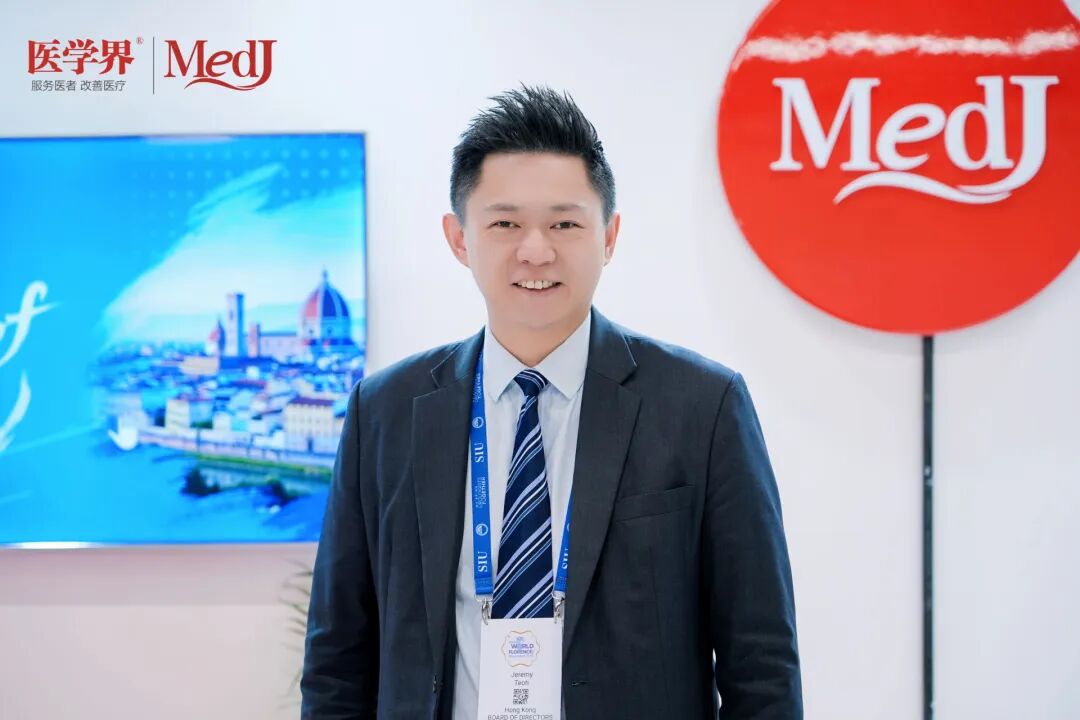 Fig. 1. Prof. Teoh being Interviewed on Site
An International Leader in Urologic Oncology and Minimally Invasive Surgery
Prof. Teoh is Assistant Dean (External Affairs) of the CUHK Faculty of Medicine, Professor in the Department of Surgery and at the S.H. Ho Urology Centre, and Clinical Director of Urology and Director of Robotic Services at CUHK Medical Centre. His research has focused on urological oncology, endoscopy and robotic minimally invasive urology, and more specifically on molecular subtypes of bladder cancer, urine biomarkers, en bloc resection techniques and upper tract urothelial carcinoma. He has led international multicentre clinical trials and brought together a global expert team to develop the international consensus on en bloc resection of bladder tumours (ERBT), and is one of the core drivers of global standardisation of the technique, with related guidance now applied in clinical practice in many countries.
On academic record and honours, Teoh is a recipient of the SIU Innovators Award, and the first Asian-based researcher to receive the American Urological Association (AUA) John K. Lattimer Lectureship, which has been awarded since 1977. He has served on several core committees of international urological societies and on the editorial boards of international journals, and has continued to work on international multicentre research, training of young surgeons and cross-border academic exchange, strengthening links between the Asia-Pacific urological community and the wider international academic network.
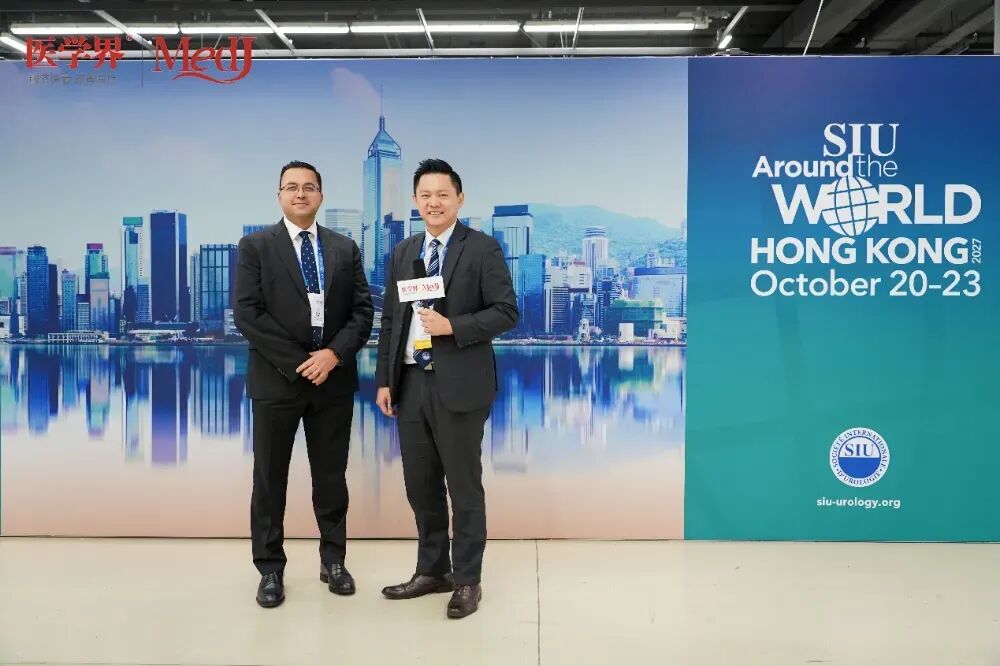 Fig. 2. Prof. Teoh at the SIU World Congress
An Asian Voice on the SIU Core Governance Stage
The SIU is a global urological organisation with a history of around a century, more than 17,000 members and coverage across five continents. Its stated mission is to advance the standardisation of urological diagnosis and treatment worldwide through international education and research collaboration, and to improve the quality of care for patients with urological disease. The secretary general is a key executive position, coordinating the society’s day-to-day operations, liaison with national urological societies, planning of global academic activities, talent development and international public health programmes, and playing a central part in the society’s strategy.
Teoh’s election as Secretary General-Elect, with a five-year term beginning in one year, marks the entry of an Asian urologist into the SIU’s top governance structure, which has for decades been drawn mainly from Europe and North America. The platform may allow clinical experience, real-world research data and pragmatic care models suited to developing countries in the Asia-Pacific region to feed more directly into global consensus and education programmes, addressing the uneven distribution of urological care worldwide.
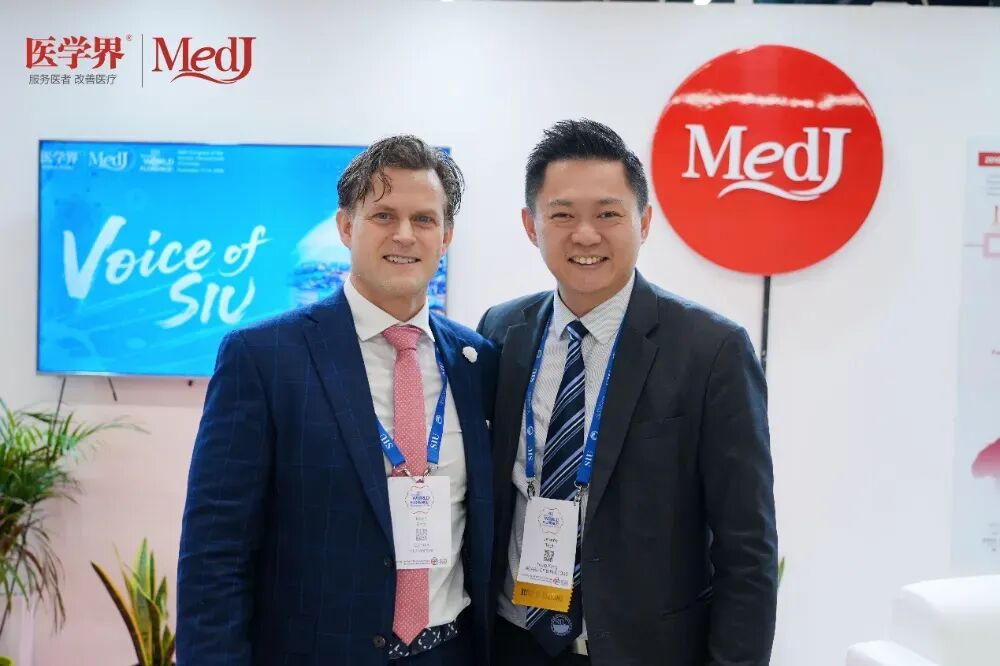 Fig. 3. Prof. Teoh at the SIU World Congress
Enabling International Collaboration to Advance Urologic Care
Global urology is currently undergoing a phase of technical change, with continued development in robotic surgery, precision targeted therapies, immunotherapy and liquid biopsy, while the accessibility of technology and the degree of standardisation of diagnosis and treatment still differ markedly between countries and regions. Once in office, Teoh is expected to work on further refining the society’s global continuing education system, with standardised training, surgical teaching and scholarship support for urologists in low- and middle-income countries; on promoting multicentre collaboration between Asian and Western academic centres, with clinical studies in common urological tumours such as bladder, prostate and kidney cancer designed around different population characteristics; on supporting the regional translation of international clinical guidelines, balancing cutting-edge treatment options against what can be delivered at grassroots level; and on building international exchange opportunities for young urologists so that more early-career Asian researchers can take part in global academic affairs.
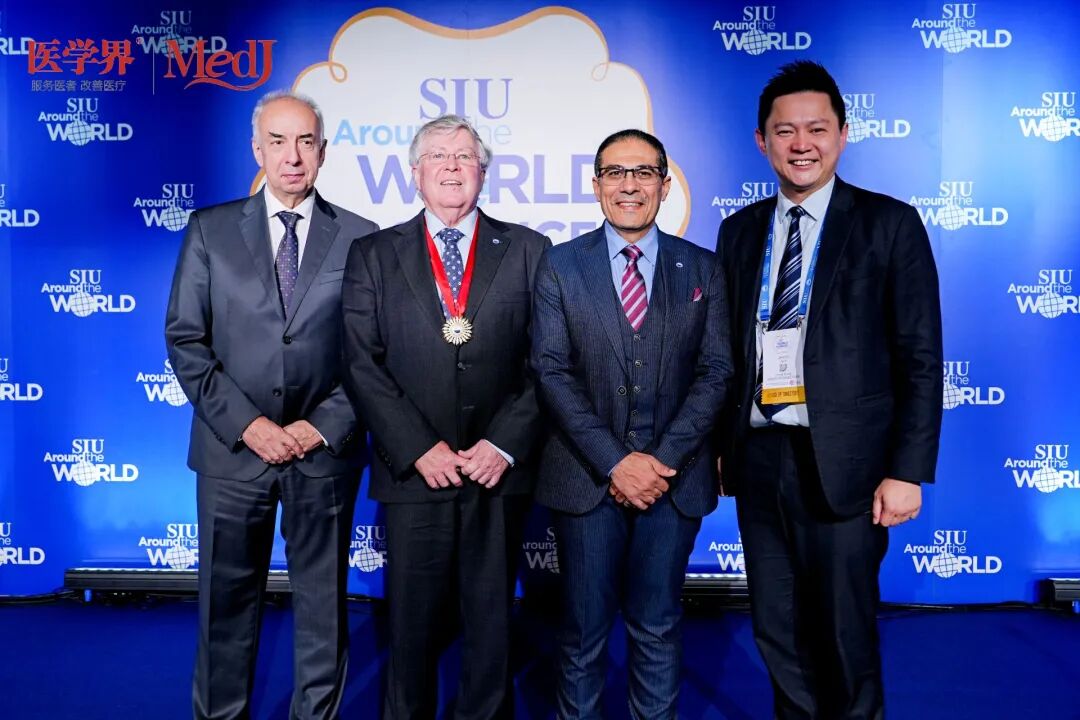 Fig. 4. Prof. Teoh at the SIU World Congress
Summary
The congress served both as a forum for frontier work in global urology and as a marker of Asian participation in international urological governance. Further cross-border and cross-regional academic cooperation under Prof. Teoh and the SIU council would be expected to rest on high-quality research, standardised education and equitable access to care for patients with urological disease worldwide.

