


Brain metastasis is one of the most common distant metastatic complications in non-small cell lung cancer (NSCLC) patients, carrying an extremely poor prognosis; patients frequently suffer neurological dysfunction that severely impairs quality of life, representing a major unmet clinical need. At the recently concluded 2026 European Lung Cancer Congress (ELCC), an exploratory analysis of intracranial efficacy from the HARMONi study—conducted with the participation of Professor Li Zhang from Sun Yat-sen University Cancer Center, Professor Xiuning Le from MD Anderson Cancer Center, and numerous other international lung cancer experts—was unveiled, attracting widespread attention from the academic community. The HARMONi study is a global, multicenter, randomized, double-blind Phase III clinical trial comparing the efficacy and safety of ivonescimab (a PD-1/VEGF bispecific antibody) plus chemotherapy versus placebo plus chemotherapy in NSCLC patients who progressed on EGFR-TKI therapy. The results presented at ELCC demonstrated that, regardless of whether brain metastases were present at baseline, the addition of ivonescimab conferred a longer intracranial PFS benefit, with a lower cumulative incidence of brain metastases. Notably, ivonescimab exhibited remarkable "brain protection" value through its unique "target-immune integration" mechanism: among patients without baseline brain metastases, the 12-month cumulative brain metastasis incidence in the ivonescimab group was held to an extremely low level of 3.2% (representing a two-thirds reduction compared with the control group), significantly delaying and reducing the occurrence of new intracranial metastatic lesions [1]. This article systematically reviews the intracranial efficacy findings from the HARMONi trial series and explores in depth ivonescimab's advantages in treating and preventing lung cancer brain metastasis, as well as the mechanism and clinical value of its "brain protection" effect.
HARMONi Exploratory Analysis: Ivonescimab Achieves Dual Benefit of "Treatment + Prevention" for Brain Metastasis
Brain metastasis occurs at a high rate in NSCLC and carries an extremely poor prognosis. Epidemiological data show that 10%–20% of NSCLC patients have brain metastases at initial diagnosis, and during the course of disease, up to 40% of patients will develop brain metastases [2, 3]—especially NSCLC patients with EGFR-positive mutations, who face a substantially increased risk of brain metastasis, with an incidence of approximately 70% with EGFR-TKI treatment [4]. Brain metastasis is an independent negative prognostic factor in NSCLC: once brain metastasis occurs, the median overall survival (OS) with palliative care alone is only approximately 2 months; even with radiotherapy, median OS extends only to approximately 7.6 months [2, 3].
The HARMONi study enrolled a total of 438 EGFR-mutant NSCLC patients who had progressed on third-generation EGFR-TKI, of whom 108 had baseline brain metastases (54 per arm). The results presented at ELCC [1] showed that, in the population with baseline brain metastases, the intracranial median PFS (mPFS) in the ivonescimab treatment group reached 10.1 months versus 6.5 months in the control group (HR=0.53 [0.33–0.84], P=0.0068). In the population without baseline brain metastases, the ivonescimab treatment group achieved a median intracranial PFS of 15.7 months, also significantly superior to the control group's 11.6 months (HR=0.72 [0.55–0.94]).
Even more encouraging, the cumulative incidence of brain metastasis at 6 months and 12 months in the ivonescimab treatment group was significantly lower than in the control group. In the population with baseline brain metastases, the cumulative incidence of intracranial progression at 6 months and 12 months in the ivonescimab plus chemotherapy group was 6.1% and 10.4%, respectively, compared with 30.4% and 35.7% in the control group (P=0.0007). In the population without baseline brain metastases, the cumulative incidence of brain metastasis at 6 months and 12 months in the ivonescimab group was only 2.5% and 3.2%, respectively, versus 8.1% and 9.5% in the control group (P=0.0136) [1]. This indicates that, for patients without baseline brain metastases, the cumulative brain metastasis incidence with ivonescimab plus chemotherapy was reduced by two-thirds compared with the control group; at 1 year of ivonescimab treatment, only 3.2% of patients developed brain metastases. This difference fully demonstrates ivonescimab's advantage in treating and preventing brain metastasis, and suggests that ivonescimab may possess a "brain protection" mechanism to reduce the risk of brain metastasis.
HARMONi-A and HARMONi-2 Studies Also Confirm Stronger Intracranial Efficacy with Ivonescimab
The HARMONi-A study, led by Professor Li Zhang, was a randomized, double-blind, placebo-controlled Phase III clinical trial conducted in a Chinese population, also enrolling patients with advanced non-squamous NSCLC who had progressed on EGFR-TKIs. The study enrolled 322 patients in total, of whom 72 had baseline brain metastases (35 in the ivonescimab group, 37 in the placebo group) [5]. In the ITT population, the ivonescimab group achieved a mPFS of 7.1 months (vs. 4.8 months in the control group, HR: 0.46); mOS was 16.8 months (vs. 14.1 months in the control group, HR: 0.74); PFS and OS HR values in the brain metastasis subgroup were 0.40 and 0.61, respectively [6]. Ivonescimab plus chemotherapy achieved significant PFS and OS benefits in EGFR-TKI-resistant NSCLC.
The HARMONi-A brain metastasis subgroup analysis similarly showed [7] that, in patients with baseline brain metastases, the intracranial PFS with ivonescimab plus chemotherapy reached 8.4 months versus only 5.4 months in the control group (HR=0.33, P=0.005); the 6-month intracranial PFS rates were 83.7% and 42.9%, respectively. This means that ivonescimab plus chemotherapy reduced the risk of intracranial progression in brain metastasis patients by 67%, and the 6-month intracranial progression-free survival rate doubled!
The HARMONi-A and HARMONi studies corroborate each other, solidifying the significant benefit that ivonescimab brings to brain metastasis patients who have progressed on EGFR-TKI.
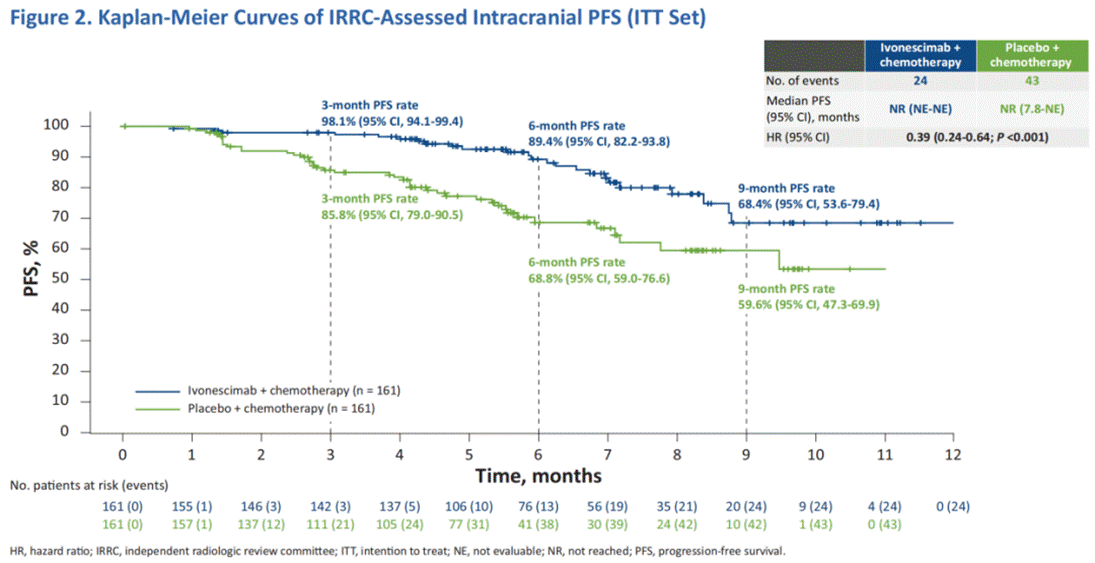
Figure 1. Intracranial PFS results in ITT population of HARMONi-A study
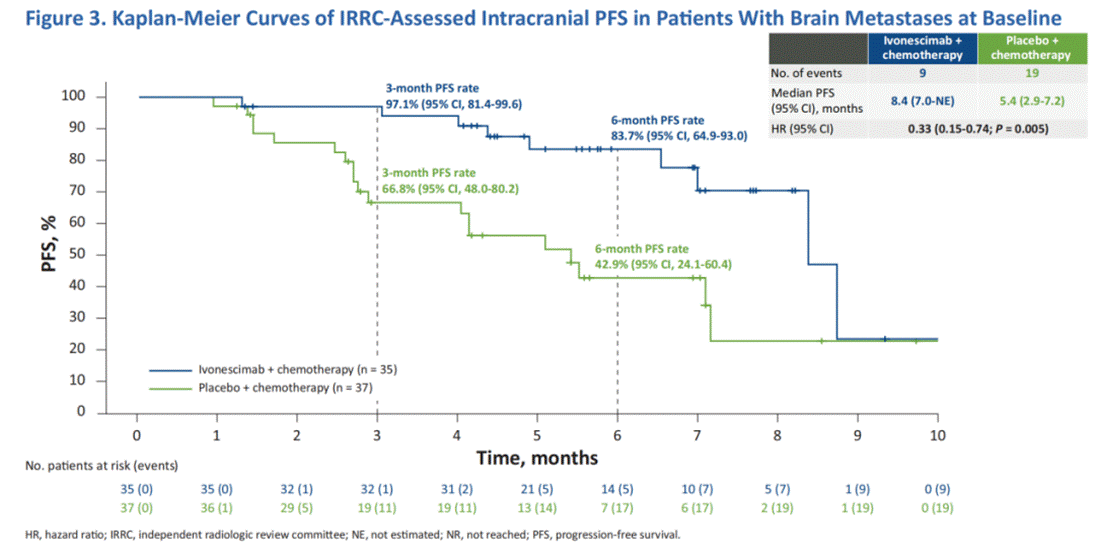
Figure 2. Intracranial PFS results in baseline brain metastasis population of HARMONi-A study
In addition to the outstanding efficacy of ivonescimab for EGFR-positive populations with brain metastasis observed in HARMONi and HARMONi-A, results from the HARMONi-2 study in driver gene-negative NSCLC also indicate that: in the brain metastasis subgroup, PFS with ivonescimab monotherapy was 8.0 months versus 5.0 months with pembrolizumab, with an HR of 0.55. This shows that ivonescimab compared with traditional PD-1 monoclonal antibody (pembrolizumab) also demonstrates a stronger benefit trend in treating brain metastasis, reducing the risk of disease progression or death by 45% [8], further consolidating ivonescimab's dominant position in treating NSCLC patients with brain metastasis.
Based on these outstanding data, ivonescimab has been recommended in the Chinese Treatment Guidelines for Lung Cancer Brain Metastasis (2026 Edition) for non-squamous NSCLC patients with brain metastasis who are refractory to EGFR-TKI [9]. Furthermore, the Chinese Clinical Diagnosis and Treatment Guidelines for Brain Metastasis in Driver Gene-Positive Non-Small Cell Lung Cancer (2025 Edition) also notes that, for EGFR-mutant NSCLC patients with brain metastasis who are resistant to targeted therapy, ivonescimab plus chemotherapy may be considered (recommended) [10], providing clear evidence-based guidance for clinicians.
Why can ivonescimab achieve such outstanding benefits in the NSCLC brain metastasis population and significantly reduce the risk of brain metastasis occurrence? This requires an in-depth exploration from a mechanistic perspective.
Mechanism of Brain Metastasis: VEGF and the Blood–Brain Barrier
The formation of brain metastasis is a multi-step, highly complex biological process involving tumor cell detachment from the primary lesion, invasion of the blood circulation, traversal of the blood–brain barrier (BBB), and colonization and proliferation in the brain microenvironment. Normal brain tissue possesses the blood–brain barrier (BBB), an important defense structure formed by cerebral microvascular endothelial cells through tight junction proteins (such as Claudin-5 and Occludin) and adherens junction proteins (such as VE-cadherin), which strictly restricts the entry of macromolecules and immune cells from the blood into the brain parenchyma, thereby maintaining the stability of the brain's internal microenvironment. However, during the process of tumor brain metastasis, vascular endothelial growth factor (VEGF) secreted by metastatic tumor cells or the brain microenvironment can activate VEGFR-2 on the surface of endothelial cells; via Src kinase-mediated phosphorylation and endocytosis of tight junction proteins, and through the Rho/ROCK pathway-induced cytoskeletal contraction, BBB permeability increases, providing an "opportunity" for transendothelial migration of tumor cells into the brain parenchyma. This also underpins the potential mechanistic advantage of ivonescimab in treating patients with baseline brain metastasis and in reducing or delaying brain metastasis. Bevacizumab has previously received approval for second-line treatment of glioma.
Ivonescimab's "Target-Immune Integration" Mechanism Effectively Controls Brain Metastasis and Significantly Reduces Its Risk
Mechanism of Ivonescimab in Treating Brain Metastasis
Ivonescimab is the world's first-in-class PD-1/VEGF bispecific antibody; its unique symmetric tetravalent structure integrates PD-1 and VEGF blockade into a single molecule, enabling highly synergistic anti-PD-1 and anti-VEGF activity in vivo. On one hand, the PD-1 component of ivonescimab can block the PD-1/PD-L1 pathway to relieve T-cell suppression by the tumor microenvironment, peripherally activating T cells; these activated T cells are capable of actively traversing the impaired blood–brain barrier to enter the brain parenchyma, or entering the cerebrospinal fluid via the choroid plexus and meningeal lymphatics, thereby exerting antitumor effects [11]. However, the immune microenvironment of brain metastatic lesions is often in a suppressed state, causing CD8+ T cells in brain metastatic tumors to become exhausted, greatly limiting therapeutic efficacy. This is precisely where the anti-VEGF component of ivonescimab comes into play: anti-VEGF can normalize tumor vasculature and improve the immune microenvironment, thereby providing an optimal "battlefield" environment for T cells whose inhibition has been relieved by the anti-PD-1 component, enhancing the effect on brain metastatic lesions. Meanwhile, anti-VEGF can also alleviate cerebral edema and improve neurological function. In summary, ivonescimab's target-immune integration and highly synergistic mechanism enable it to exert stronger efficacy in treating tumor brain metastasis.
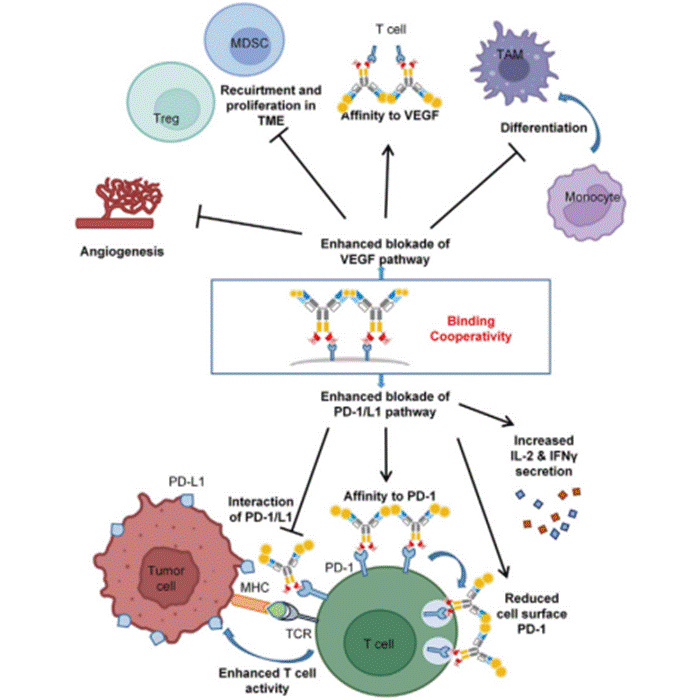
Figure 3. Mechanism of action of ivonescimab
Brain-Protective Mechanism of Ivonescimab
Repairing the "protective shield" and maintaining blood–brain barrier integrity: After VEGF-A secreted by tumor cells binds to VEGFR-2 on the surface of cerebral microvascular endothelial cells, it activates Src kinase-mediated phosphorylation and endocytosis, directly disrupting tight junction proteins (the structural basis of the BBB). Simultaneously, it contracts the cytoskeleton through the Rho/ROCK pathway, physically pulling apart cell junctions. This converts the BBB from a "locked" state to a "leaky" state, opening a gateway for tumor cells to metastasize to the brain. Ivonescimab's anti-VEGF activity can repair the blood–brain barrier [12].
Blocking the "navigation signal" for brain metastasis: VEGF itself is a potent chemokine; the VEGF signaling pathway can upregulate the expression of certain chemokine receptors (such as CXCR4) on the surface of tumor cells. These receptors interact with highly expressed ligands in brain tissue (such as CXCL12), forming a "navigation" signal that guides tumor cells to directionally migrate toward the brain. Ivonescimab's anti-VEGF activity can interfere with this chemotactic signal, reducing the efficiency of tumor cell migration toward the brain [13].
Reducing tumor cell adhesion: The VEGF signaling pathway can upregulate the expression and activity of integrins (such as αvβ3 and α5β1) on the tumor cell surface. Highly expressed integrins make tumor cells more likely to adhere to cerebral microvascular endothelial cells and the blood–brain barrier, promoting transendothelial migration into the brain parenchyma [14].
Ivonescimab's target-immune integration mechanism can reduce and delay the occurrence of brain metastasis, while efficiently killing tumor cells and "normalizing" tumor vasculature, controlling VEGF overexpression as much as possible from the source, and reducing the risk of brain metastasis. This is also what significantly differentiates ivonescimab from traditional PD-1 monoclonal antibodies or ADC-class drugs.
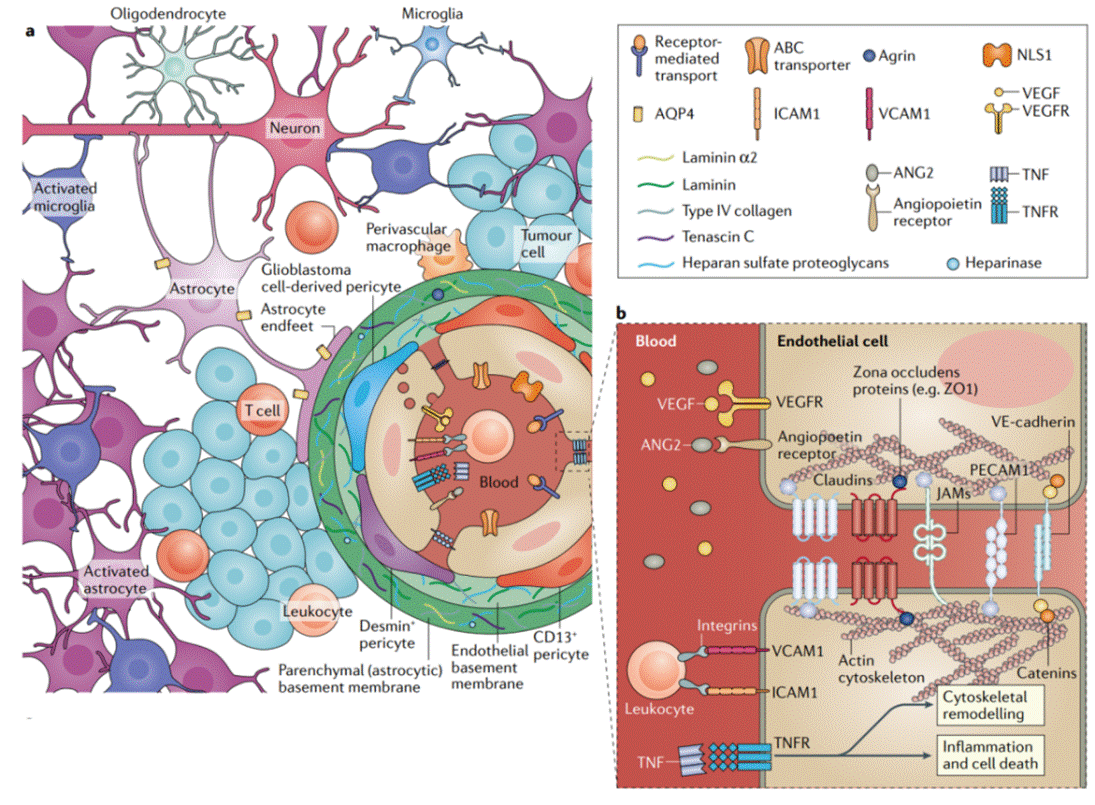
Figure 4. VEGF-mediated changes in cell adhesion proteins, accompanying the transformation from blood-brain barrier (BBB) to blood-tumor barrier (BTB) [15]
Summary and Outlook
Brain metastasis has always been a "bottleneck" that is difficult to overcome in the clinical diagnosis and treatment of non-small cell lung cancer (NSCLC). It is not only an independent negative prognostic factor for patient survival benefit, but is also accompanied by severe neurological sequelae—cognitive impairment, motor dysfunction, epilepsy, and intracranial hypertension—causing a precipitous deterioration in patients' quality of life (QoL). From a health economics perspective, intensive imaging follow-up, radiotherapy intervention, and complex inpatient management impose enormous consumption of medical resources and a heavy socioeconomic burden. Therefore, exploring a systemic "brain protection" strategy that can both efficiently eliminate existing intracranial lesions and block the occurrence of new metastases has become a core focus of precision lung cancer treatment.
As the world's first-in-class PD-1/VEGF bispecific antibody, ivonescimab—with its highly synergistic "target-immune integration" mechanism—has achieved a paradigm shift in the NSCLC brain metastasis field from "passive treatment" to "systemic brain protection." Clinical studies have confirmed that, for patients with baseline brain metastases, ivonescimab can significantly extend intracranial PFS and reduce the risk of intracranial progression; for patients without baseline brain metastases, ivonescimab demonstrates outstanding "brain protection" value by repairing the blood–brain barrier and blocking tumor chemotactic signals, significantly reducing the cumulative incidence of intracranial progression and markedly delaying the onset of brain metastasis, with the intracranial progression incidence maintained at a low level of 3% [1]. Therefore, in the comprehensive treatment strategy for EGFR-TKI-pretreated patients in clinical practice, the ivonescimab regimen should be introduced early in order to maximally control and reduce the risk of brain metastasis and significantly prolong overall survival. For first-line treatment of driver gene-negative advanced NSCLC, adopting the ivonescimab regimen at an early stage when patients' performance status and immune function are still good can also exert greater antitumor activity, and through its "brain protection" properties, effectively reduce the long-term risk of brain metastasis. The clinical application of the ivonescimab regimen marks the formal entry of NSCLC treatment into a new era of "proactive brain protection," illuminating the path toward a higher-quality, longer survival with long-term intracranial stability and quality-of-life benefit for patients.
References:
[1] Le X, et al. Intracranial efficacy of ivonescimab plus chemotherapy in epidermal growth factor receptor (EGFR) tyrosine kinase inhibitor-resistant, EGFR-mutated non-small cell lung cancer in the HARMONi study. 2026 ELCC. 15P.
[2] Ye LY, et al. The structure of blood-tumor barrier and distribution of chemotherapeutic drugs in non-small cell lung cancer brain metastases. Cancer Cell Int. 2021 Oct 24;21(1):556.
[3] Souza VGP, et al. Advances in the Molecular Landscape of Lung Cancer Brain Metastasis. Cancers (Basel). 2023 Jan 24;15(3):722.
[4] Zhao W, et al. Epidermal growth factor receptor mutations and brain metastases in non-small cell lung cancer. Front Oncol. 2022 Nov 15;12:912505.
[5] HARMONi-A Study Investigators; Fang W, et al. Ivonescimab Plus Chemotherapy in Non-Small Cell Lung Cancer With EGFR Variant: A Randomized Clinical Trial. JAMA. 2024 Aug 20;332(7):561-570.
[6] Zhang L, et al. Final Overall Survival Analysis: HARMONi-A Study — Ivonescimab + chemotherapy versus Chemotherapy in patients with EGFR-mutant NSCLC progressed on EGFR TKI. 2025 SITC. 1348.
[7] Zhang L, et al. Intracranial Progression-Free Survival With Ivonescimab Compared to Placebo in the HARMONi-A Trial of Patients With Previously Treated EGFR Mutation-Positive Non-Small Cell Lung Cancer. 2024 ESMO IO. 134P.
[8] Xiong A, et al. Ivonescimab versus pembrolizumab for PD-L1-positive non-small cell lung cancer (HARMONi-2): a randomised, double-blind, phase 3 study in China. Lancet. 2025;405(10481):839-849.
[9] Chinese Association of International Exchange for Promoting Health; Oncologist Branch of Chinese Medical Doctor Association. Chinese Treatment Guidelines for Lung Cancer Brain Metastasis (2026 Edition). Chinese Journal of Oncology, 2026, 48(1):44-78.
[10] Lung Cancer Medical Education Professional Committee of Chinese Medical Education Association; Brain Metastasis Collaboration Group of Beijing Medical Award Foundation Lung Cancer Medicine Youth Expert Committee. Chinese Clinical Diagnosis and Treatment Guidelines for Brain Metastasis in Driver Gene-Positive Non-Small Cell Lung Cancer (2025 Edition). Chinese Journal of Lung Cancer, 2025, 1(28):1-21.
[11] Engelhardt B, et al. Capture, crawl, cross: the T cell code to breach the blood-brain barriers. Trends Immunol. 2012 Dec;33(12):579-89.
[12] Avraham H, et al. VEGF-A-mediated disruption of the blood-brain barrier in brain metastasis. Cancer Research, 2010, 70(21), 8335-8344.
[13] Steeg P. Targeting the blood-brain barrier in brain metastasis. Nature Reviews Clinical Oncology, 2016, 13(8), 478-492.
[14] Desgrosellier J, et al. Integrins in cancer: biological implications and therapeutic opportunities. Nature Reviews Cancer, 2010, 10(1), 9-22.
[15] Steeg PS. The blood-tumour barrier in cancer biology and therapy. Nat Rev Clin Oncol. 2021 Nov;18(11):696-714.

