


The New England Journal of Medicine (NEJM) has recently published the results of two key phase 3 clinical studies, SHASTA-3 and SHASTA-4, of plozasiran in severe hypertriglyceridemia [1]. The studies showed that median triglyceride levels in patients treated with plozasiran for 12 months fell by 79% and 81%; more than 90% of patients reached the treatment goal of a triglyceride level below 5.6 mmol/L; and the risk of acute pancreatitis fell by 78%. The findings have been published in a leading journal and may change the treatment landscape for severe hypertriglyceridemia. This article invites Prof. Jianping Li of Peking University First Hospital, the principal investigator for SHASTA-3 in China, to interpret and comment on the core data.
Expert Profile: Prof. Jianping Li

- Vice President, Peking University First Hospital
- Director, Institute of Cardiovascular Diseases, Peking University First Hospital
- Principal investigator for SHASTA-3 in China
Article Key Points
- SHASTA-3 and SHASTA-4 are global, randomised, double-blind, placebo-controlled phase 3 trials
- A total of 757 patients were enrolled, with 504 on plozasiran and 253 on placebo
- Median triglycerides at month 12 fell by 79% in SHASTA-3 and 81% in SHASTA-4 (P<0.001)
- At month 12, 91% and 93% reached a triglyceride level below 5.6 mmol/L
- In a pooled analysis, acute pancreatitis risk fell by 78% (RR=0.22; 95% CI, 0.07-0.67; P=0.008)
- Time to first acute pancreatitis event was 283 days with plozasiran and 182 days with placebo
- Adverse events were low in incidence and similar to placebo, with no reported hypersensitivity
- SHASTA-3 included 85 Chinese patients, and plozasiran was approved in China for FCS in January 2026
SHASTA-3/4 Results Published in NEJM
 Fig. 1. Screenshot of the Original Article on Plozasiran for Severe Hypertriglyceridemia and Risk of Pancreatitis
Severe hypertriglyceridemia (sHTG) is a common dyslipidaemia, defined as triglycerides (TG) above 5.6 mmol/L. Persistently elevated TG places patients with sHTG at substantial long-term risk of acute pancreatitis, and hypertriglyceridemia has become the second leading cause of acute pancreatitis in China [2]. Hypertriglyceridaemic acute pancreatitis carries a heavy disease burden, with high recurrence, high rates of severe disease and high mortality, and it affects patients’ lives substantially, yet long-term management of TG in patients with sHTG has lacked effective means [3-6].
Current management of sHTG is built on lifestyle intervention together with conventional triglyceride-lowering drugs such as fibrates and omega-3 fatty acids, and this approach still faces two challenges. First, the efficacy of current drug therapy is limited: conventional agents achieve roughly a 30% to 50% reduction in TG, and some patients still fail to reach the clinical goal, which guidelines set at a TG level below 5.6 mmol/L to prevent acute pancreatitis [6,7]. Second, long-term medication is difficult: patients with sHTG need long-term management, and many have poor tolerability to oral drugs and poor adherence, so disease management urgently needs to be optimised.
Plozasiran is the first and, as of November 2026, the only siRNA drug in the world that targets apolipoprotein C3 (APOC3). It precisely targets APOC3 mRNA in the liver, reduces APOC3 synthesis, and lowers TG through lipoprotein lipase-dependent and independent pathways. As a drug with an innovative mechanism, it has already demonstrated significant efficacy in reducing TG and the risk of acute pancreatitis in patients with familial chylomicronemia syndrome (FCS), and it was approved in China in January this year for the treatment of FCS [8,9]. The two studies now published in NEJM, SHASTA-3 and SHASTA-4, were designed to evaluate the efficacy and safety of plozasiran in adults with sHTG.
Study Design
SHASTA-3 and SHASTA-4 are two global, multicentre, randomised, double-blind, placebo-controlled phase 3 clinical studies. Key inclusion criteria included a recorded fasting TG level of at least 5.6 mmol/L. Subjects were randomised 2:1 to receive either plozasiran (25 mg) or placebo by subcutaneous injection at baseline and at months 3, 6 and 9. After month 12, patients could opt to enter an open-label extension study, or be followed up for assessment 3 months after the end of treatment (study design shown in Fig. 2).
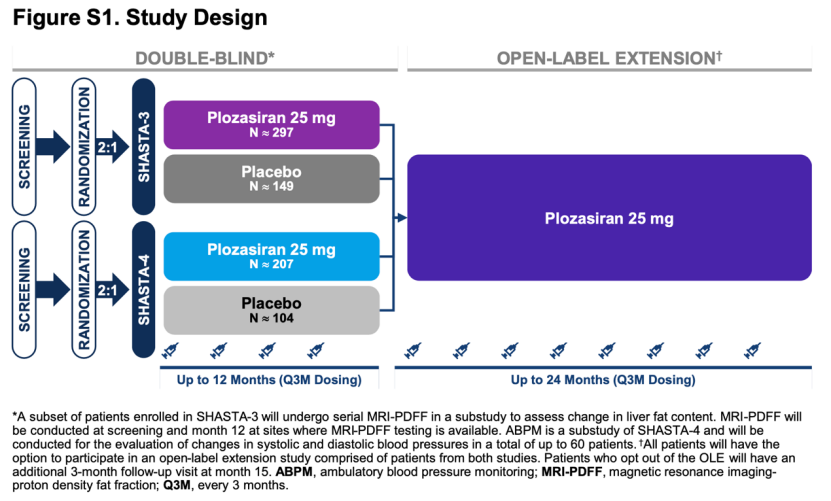 Fig. 2. Study Design of SHASTA-3 and SHASTA-4
The primary efficacy endpoint was the percentage change in fasting TG from baseline at month 12, compared with the placebo group. Key secondary endpoints included the change in TG from baseline at month 10; the proportion of patients reaching a TG below 5.6 mmol/L and below 1.7 mmol/L at month 12; the change in TG from baseline at month 12 in the subgroup with baseline TG of at least 10 mmol/L; the change in remnant cholesterol and in non-high-density lipoprotein cholesterol at month 12. Both studies also pool acute pancreatitis-related endpoints, including the acute pancreatitis event rate, incidence and the time to first acute pancreatitis event.
Results
From April 2024 to June 2026, SHASTA-3 and SHASTA-4 enrolled 446 and 311 patients respectively, 757 patients in total. Of these, 504 received plozasiran and 253 received placebo; SHASTA-3 included 85 Chinese patients.
The populations enrolled in the two studies were broadly representative of patients with sHTG, and baseline demographic and clinical characteristics were generally balanced between the plozasiran and placebo groups. Mean age was 52 and 53 years in SHASTA-3 and SHASTA-4 respectively, and most patients were male. Between 25% and 30% had a history of cardiovascular disease, the proportion with diabetes was 57% and 60% in the two studies, and 21% of patients in each group had a history of acute pancreatitis. At baseline, most patients were receiving lipid-lowering treatment including fibrates. Baseline median TG was approximately 7.6 mmol/L and 8.3 mmol/L in the two studies, and 30% and 37% of patients had TG of at least 10 mmol/L.
Primary Endpoint: Median Triglyceride Reduction of 79%-81%
At month 12, the median reduction in fasting TG from baseline in patients receiving plozasiran was 79% in SHASTA-3 and 81% in SHASTA-4, significantly greater than with placebo (P<0.001) (see Fig. 3).
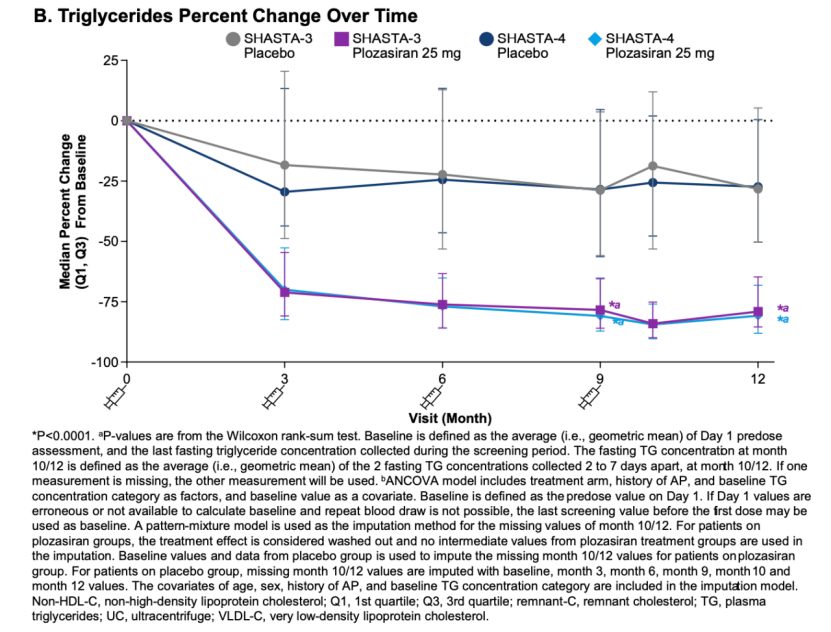 Fig. 3. Median Percentage Change in Triglycerides from Baseline over Time
Secondary Endpoints: Over 90% of Patients Reached the Pancreatitis Risk Threshold
At month 10, the median reduction in TG in the plozasiran group was 84% and 85% in the two studies. Among patients with baseline TG of at least 10 mmol/L, the median reduction in TG at month 12 was 85% in both studies.
At month 12, 91% and 93% of patients receiving plozasiran reached a TG below 5.6 mmol/L, the threshold for acute pancreatitis risk, while 52% and 55% of patients in the plozasiran group reached a TG below 1.7 mmol/L, compared with only 8% and 2% of patients in the placebo group (all comparisons P<0.001).
Changes in Other Lipid Markers
In SHASTA-3 and SHASTA-4, the mean reduction in remnant cholesterol in the plozasiran group was 51% and 49%. In addition, decreases in non-high-density lipoprotein cholesterol, APOC3 and apolipoprotein B were observed in both studies.
Pancreatitis Endpoints: Acute Pancreatitis Risk Reduced by 78%
In a pooled analysis of the two studies, the risk of acute pancreatitis was reduced by 78% with plozasiran compared with placebo (RR=0.22; 95% CI, 0.07-0.67; P=0.008), and the incidence of first acute pancreatitis was reduced by 74% (OR=0.26; 95% CI, 0.08-0.82; P=0.02). In the plozasiran group, the time to the first acute pancreatitis event was 283 days, compared with 182 days in the placebo group (HR=0.26; 95% CI, 0.09-0.78; P=0.02).
Further data in high-risk subgroups were disclosed at the European Society of Cardiology (ESC) congress in 2026. In the high-risk subgroup with a previous history of acute pancreatitis, the risk of acute pancreatitis was reduced by 91% with plozasiran (RR=0.09; 95% CI, 0.02-0.41; P=0.002); in patients at very high risk, with TG of at least 10 mmol/L and a previous history of acute pancreatitis, the incidence of acute pancreatitis was 100% lower with plozasiran than with placebo [10].
Safety
This full publication, based on the results presented at the ESC congress, discloses more safety data and further supports the safety of plozasiran. The incidence of adverse events, serious adverse events and adverse events leading to discontinuation was low in the plozasiran group and was generally similar to the placebo group. Compared with placebo, plozasiran was not associated with increases in alanine aminotransferase or aspartate aminotransferase levels. During both trials, neither group reported adverse events indicating hypersensitivity or allergic reactions.
Summary of Findings
SHASTA-3 and SHASTA-4 show that plozasiran achieves a reduction of about 80% in TG in patients with sHTG, brings more than 90% of patients below the 5.6 mmol/L acute pancreatitis risk threshold, and reduces the risk of acute pancreatitis by 78%. These results suggest that the treatment goal in sHTG can be extended from controlling TG levels to addressing clinical risks such as acute pancreatitis, opening a new chapter in the treatment of sHTG.
Expert Commentary
The results of SHASTA-3 and SHASTA-4, published in the New England Journal of Medicine, demonstrate the clinical value of plozasiran as an innovative drug and the strength of its evidence base. The data published for plozasiran in sHTG carry milestone significance and bring several new expectations to the field.
First, the clinical data make stronger triglyceride lowering a goal that can be pursued. Conventional triglyceride-lowering drugs have limited efficacy in patients with sHTG, whereas the reduction of about 80% with plozasiran makes it possible to reach the clinical goals of a TG below 5.6 mmol/L and below 1.7 mmol/L.
In addition, the data on reduction of acute pancreatitis risk are encouraging: more than 90% of patients can bring TG below the 5.6 mmol/L acute pancreatitis risk threshold, and a 78% reduction in the hard endpoint of acute pancreatitis gives clinical practice greater confidence on the strength of evidence.
Against the difficulties of poor tolerability and poor adherence faced by patients with sHTG, plozasiran offers good safety and the convenience of dosing once every three months.
China participated in the global simultaneous development of the sHTG indication for plozasiran, with 85 patients taking part in this study, and it is hoped that plozasiran will provide more Chinese patients with sHTG an effective, safe and convenient new option.
Reference
[1] Watts GF, Ballantyne CM, Blanco Echevarria A, et al. Plozasiran for Severe Hypertriglyceridemia and Risk of Pancreatitis. N Engl J Med. 2026;395(18):1805-1817. doi:10.1056/NEJMoa2610014.
[2] Chinese Medical Association Branch of Emergency Medicine, Shanghai Medical Association Branch of Emergency Medicine. Expert consensus on emergency diagnosis and treatment of acute pancreatitis. Zhonghua Jizhen Yixue Zazhi. 2024;33(4):470-479.
[3] Guan L, Ding L, Wan J, et al. Serum triglyceride levels are associated with recurrence in patients with acute hypertriglyceridemic pancreatitis. Front Med (Lausanne). 2023;10:1079637. doi:10.3389/fmed.2023.1079637.
[4] Zhang XL, Li F, Zhen YM, et al. Clinical study of 224 patients with hypertriglyceridemia pancreatitis. Zhonghua Yi Xue Za Zhi. 2015;128(15):2045-2049.
[5] Expert Consensus Group on Acute Hypertriglyceridemia Pancreatitis. Expert consensus on the diagnosis and emergency treatment of acute hypertriglyceridemia pancreatitis. Zhonghua Quan Ke Yi Xue. 2021;24(30):3781-3783, F01.
[6] Zimodro JM, Rizzo M, Gouni-Berthold I. Current and emerging treatment options for hypertriglyceridemia: State-of-the-art review. Pharmaceuticals (Basel). 2025;18(2):147. doi:10.3390/ph18020147.
[7] IAP/APA/EPC/IPC/JPS Working Group. International Association of Pancreatology revised guidelines on acute pancreatitis 2025. Pancreatology. 2025;25(6):770-814. doi:10.1016/j.pan.2025.04.020.
[8] Watts GF, Rosenson RS, Hegele RA, et al. Plozasiran for managing persistent chylomicronemia and pancreatitis risk. N Engl J Med. 2025;392(2):127-137. doi:10.1056/NEJMoa2409368.
[9] Plozasiran sodium injection, package insert. January 5, 2026.
[10] Plozasiran for Severe Hypertriglyceridemia and Risk of Pancreatitis: The SHASTA-3 and SHASTA-4 Pivotal Trial 12-Month Results. ESC 2026, HOTLINE 9.

