


Prof. Yilong Wu of Guangdong Provincial People’s Hospital presented the primary results of a Phase 2 study evaluating JS207 plus chemotherapy in patients with unresectable stage III non-small cell lung cancer during an oral session at the 27th World Conference on Lung Cancer, held in Seoul, Republic of Korea, from September 12 to 15, 2026.
The study explored whether neoadjuvant treatment with the PD-1 and VEGF bispecific antibody could enable subsequent surgery in a population considered unresectable at baseline. The findings are preliminary and derive from a small, single-arm Phase 2 study with limited follow-up.
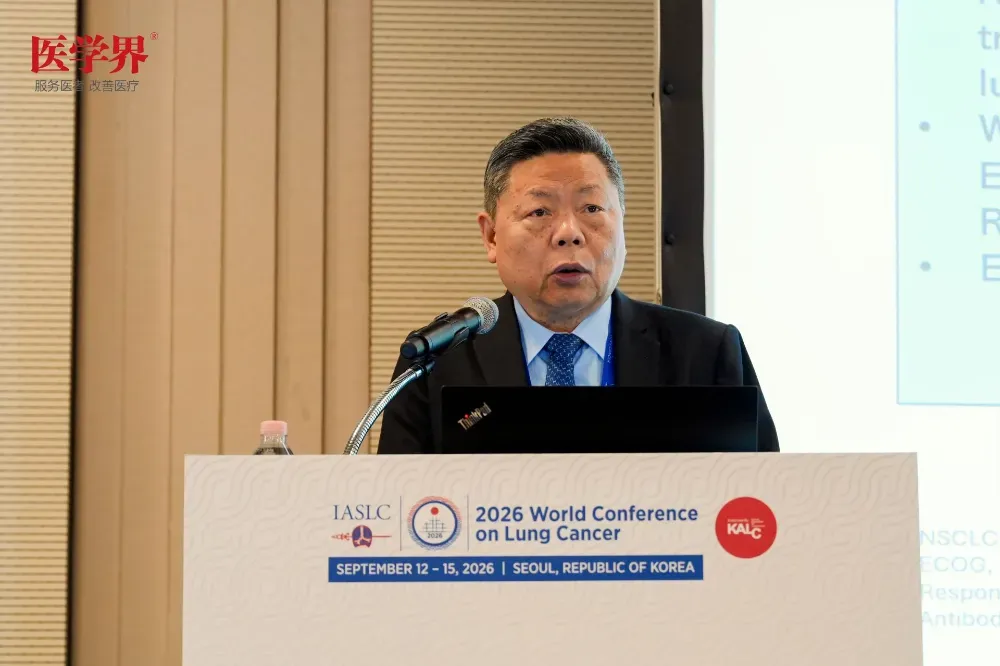
Fig. 1. Prof. Yilong Wu presents the JS207 Phase 2 study at WCLC 2026.
Study Design
The Phase 2 study (NCT06944470) evaluated the efficacy and safety of JS207 combined with platinum-doublet chemotherapy in unresectable stage III non-small cell lung cancer. Eligible patients received neoadjuvant treatment and were then assessed by a multidisciplinary team to determine subsequent management.
A safety lead-in period of at least 21 days was incorporated into the neoadjuvant phase to evaluate the toxicity of JS207 plus chemotherapy and select the JS207 dose. The initial JS207 dose was 10 mg/kg, with 15 mg/kg specified as an alternative dose. The primary endpoint was pathologic complete response rate.
Patient Characteristics
Forty-two patients were enrolled and received JS207 10 mg/kg by intravenous infusion every three weeks. Of the enrolled patients, 92.9% were men, 69.0% were younger than 65 years, and 47.6% had an Eastern Cooperative Oncology Group performance status of 0. Squamous cell carcinoma accounted for 59.5% of tumors and adenocarcinoma for 33.3%. Disease stage was IIIA in 38.1%, IIIB in 38.1%, and IIIC in 23.8%.
Surgical Conversion and Pathologic Response
At the June 4, 2026 data cutoff, 25 patients in the intention-to-treat population were assessed as resectable, corresponding to a surgical conversion rate of 59.5%. Twenty-two patients underwent surgery. Among these patients, the pathologic complete response rate was 50.0% (11 of 22), and the major pathologic response rate was 77.3% (17 of 22).
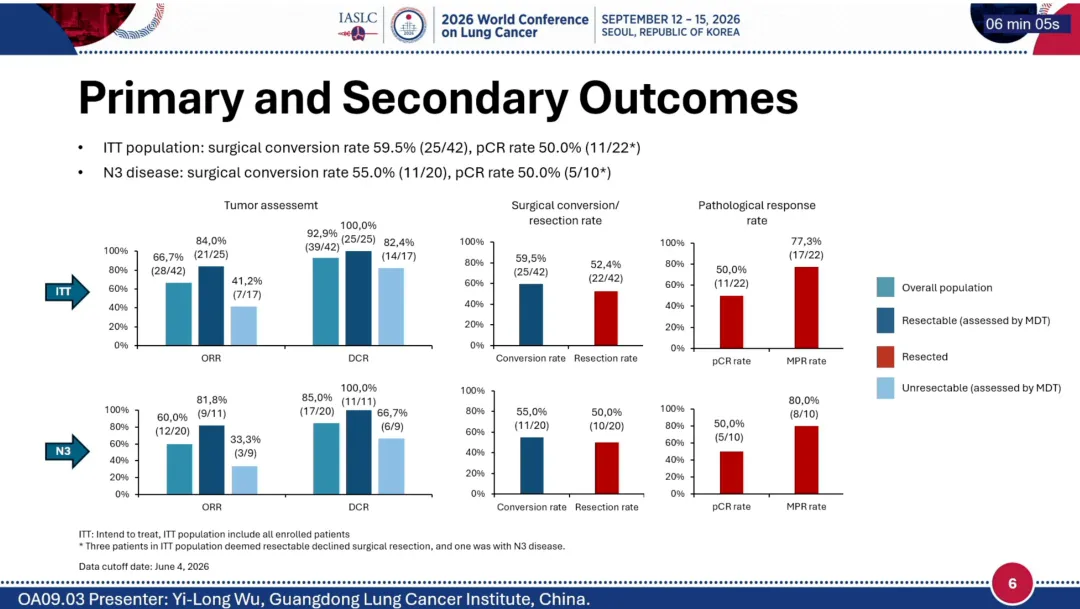
Fig. 2. Surgical conversion, pathologic complete response, and major pathologic response in the JS207 study.
Event Free Survival
At the June 4, 2026 cutoff, median follow-up was 7.4 months. Median event-free survival had not been reached in the intention-to-treat population. The six-month event-free survival rate was 80.5% (95% CI, 68.4%-94.7%).
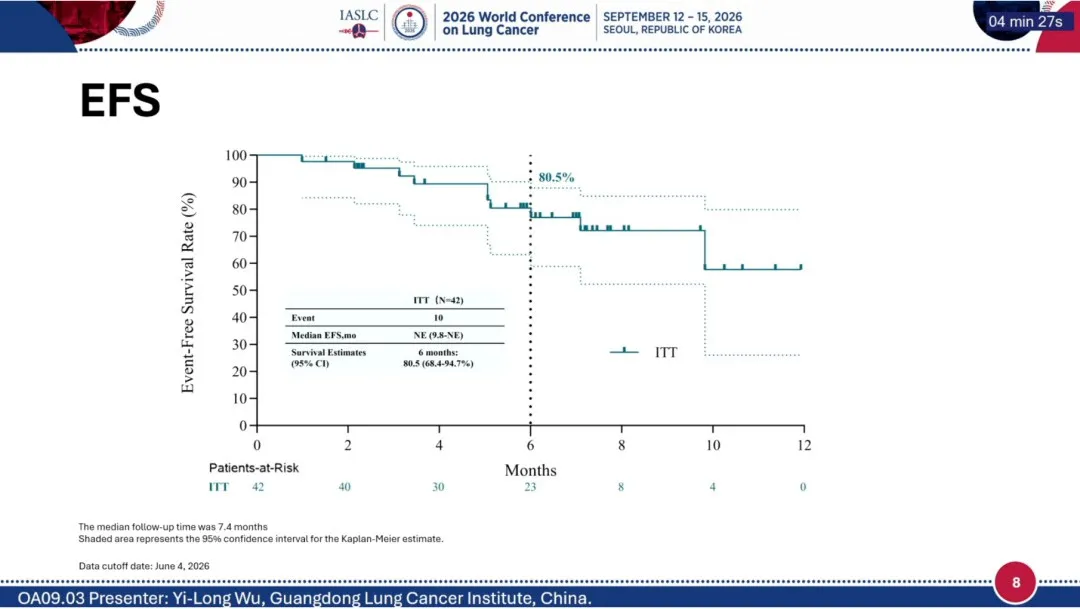
Fig. 3. Event-free survival in the intention-to-treat population.
The six-month event-free survival rates were 95.2% in the surgery group, 77.8% in the chemoradiotherapy group, and 0.0% in patients who did not receive local treatment. These subgroup results should be interpreted cautiously because treatment allocation was not randomized and patient numbers were limited.
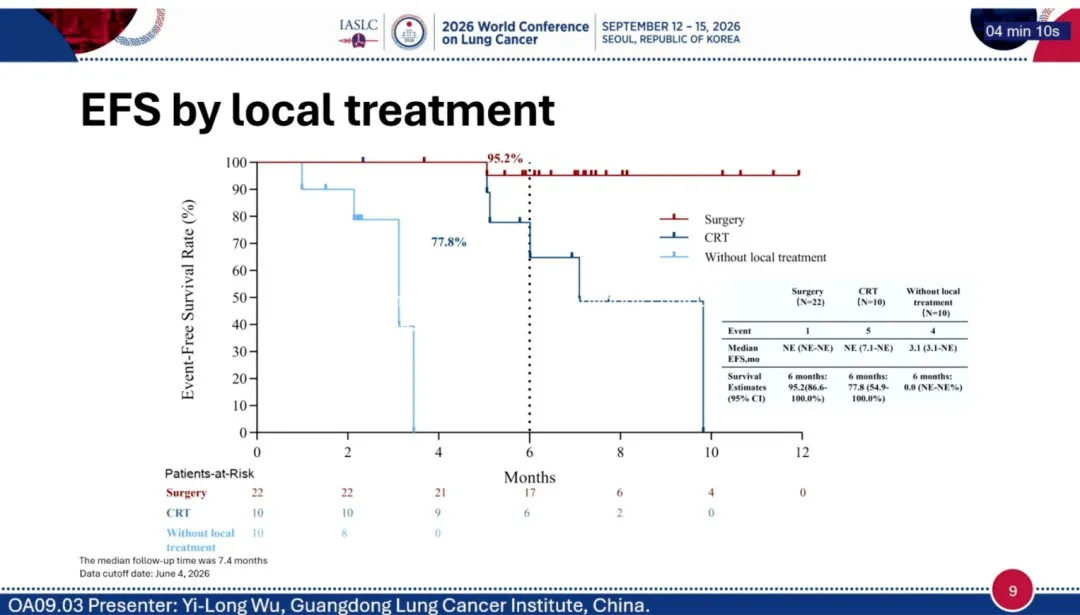
Fig. 4. Event-free survival according to subsequent local treatment.
Safety
At the February 28, 2026 safety cutoff, treatment-emergent adverse events were reported in 97.6% of patients, serious adverse events in 26.2%, and grade 3 or higher treatment-emergent adverse events in 59.5%. The most common treatment-emergent adverse events included anemia, decreased white blood cell count, and decreased neutrophil count.
Interpretation
The Phase 2 results suggest that JS207 plus chemotherapy may enable surgery and produce substantial pathologic responses in some patients with initially unresectable stage III non-small cell lung cancer. Questions remain regarding patient selection, treatment duration, timing of surgery, and postoperative management.
Longer follow-up and larger controlled studies are needed to characterize durability, confirm safety, and determine whether this treatment strategy improves long-term outcomes.
Reference
Wu YL, Zhong WZ, Zhang P, et al. OA09.03. A Phase 2 Study of JS207, a PD-1/VEGF Bispecific Antibody, Plus Chemotherapy in Patients With Unresectable Stage III NSCLC. Presented at: 2026 World Conference on Lung Cancer.

