


The 2026 Annual Congress of the European Hematology Association (EHA) is currently underway in Stockholm, Sweden, where multiple cutting-edge discoveries in hematology are being presented.
On June 11, 2026, at 17:15 local time (23:15 Beijing time), a novel study from the team of Prof. Huilai Zhang at Tianjin Medical University Cancer Institute and Hospital was featured on the international stage. The work was presented by Dr. Junlei Jia during an oral session (Abstract No. EHA-5501, Short: S247).
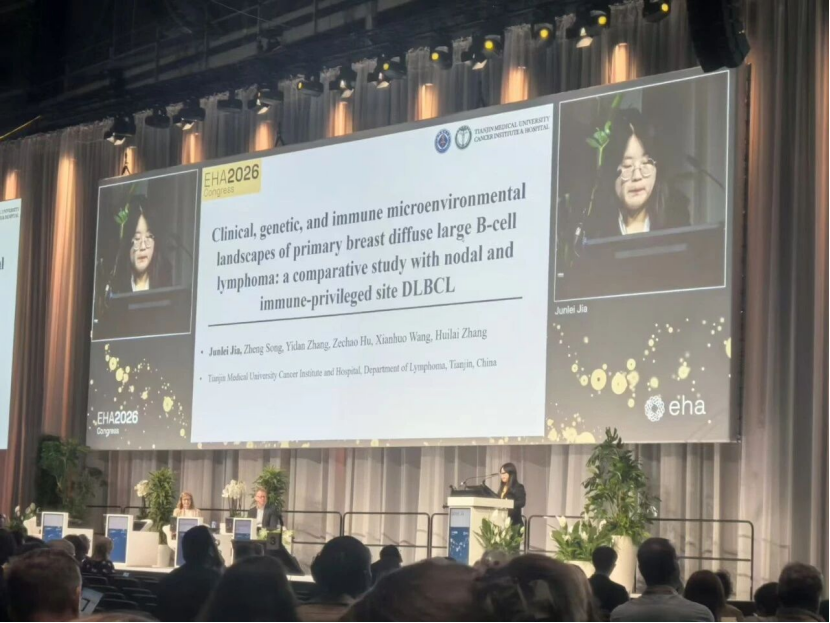
Figure 1. Oral Presentation by Dr. Junlei Jia at the Congress
The study focuses on a rare subtype—primary breast diffuse large B-cell lymphoma (PB-DLBCL). Through a comprehensive multi-dimensional integrative analysis, the team for the first time systematically delineated its unique clinical characteristics, genomic mutation landscape, and tumor immune microenvironment. These findings provide high-level evidence to overcome current limitations in precision diagnosis and treatment of PB-DLBCL and offer new insights for optimizing clinical management strategies.
A Chinese-led Multi-omics Study Redefining Precision Diagnosis in PB-DLBCL
The study included a total of 703 patients with DLBCL, systematically stratified into three groups: PB-DLBCL, nodal-origin DLBCL, and immune-privileged site DLBCL (IP-DLBCL). Cases with secondary extranodal involvement were strictly excluded.
Through integrated analyses of clinical outcomes, DNA/RNA sequencing, molecular subtyping, tumor microenvironment profiling, and cellular model construction, the study comprehensively characterized the distinct biological features of PB-DLBCL and systematically compared similarities and differences across the three subtypes—addressing a long-standing gap in the field.
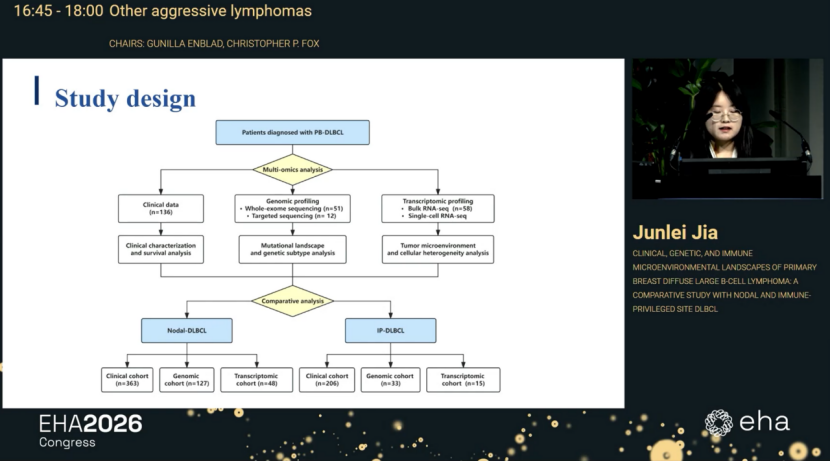
Figure 2. Study Design of the Multi-omics Integrative Analysis in PB-DLBCL
Large-scale Multi-omics Profiling Reveals the Biological Architecture of PB-DLBCL
An inverse probability of treatment weighting (IPTW) approach was applied to adjust for intergroup differences, ensuring robust and unbiased comparisons.
Deep multi-omics profiling was performed, including DNA sequencing of 223 samples and RNA sequencing of 121 samples. Molecular subtyping was conducted using the LymphGen algorithm, and tumor immune microenvironment classification was analyzed via the LME framework. In addition, the team successfully established a novel immortalized PB-DLBCL cell line, providing a valuable experimental platform for mechanistic studies, drug screening, and therapeutic validation.
Clinically, the median age at diagnosis was 57 years, with a broad age distribution. The disease demonstrated highly aggressive pathological features: the non-GCB subtype accounted for 53.0%, significantly higher than the GCB subtype (26.1%). A high proliferative index was observed, with 63.4% of patients exhibiting Ki-67 levels above 80%. Bilateral breast involvement was rare (4.4%), providing important epidemiological reference data for staging and clinical assessment.
IPTW-adjusted survival analyses revealed a paradigm-shifting finding. Among the three subtypes, IP-DLBCL showed the poorest overall prognosis. PB-DLBCL exhibited a distinct biphasic survival pattern: progression-free survival (PFS) was superior to nodal-origin DLBCL within the first 8 years, but inferior in long-term follow-up.
This unique pattern explains a clinically challenging phenomenon observed in practice—“favorable short-term response but increased long-term relapse risk”—and provides new guidance for longitudinal monitoring, risk stratification, and long-term disease management.
Distinct Mutational Signatures Distinguish the Three DLBCL Subtypes
Multi-omics mutation profiling revealed a characteristic genomic landscape of PB-DLBCL, dominated by recurrent driver alterations including PIM1 (63%), SPEN (46%), NOTCH2 (35%), CD79B (33%), and CREBBP (33%), forming a distinct molecular signature.
Subtype comparisons revealed:
- Both PB-DLBCL and IP-DLBCL showed significant enrichment of BCR/NF-κB pathway mutations, consistent with their non-GCB phenotype.
- Compared with nodal-origin DLBCL, PB-DLBCL demonstrated significant enrichment of epigenetic regulators and NOTCH2 pathway alterations, serving as key discriminatory molecular features.
- A clear gradient pattern was observed across subtypes: TP53 mutation frequency decreased progressively with extranodal specialization, whereas PIM1 mutation frequency increased, providing potential biomarkers for subtype classification and prognostic assessment.
Based on LymphGen classification, distinct molecular subtype distributions further confirmed the independent biological identity of PB-DLBCL. Specifically, PB-DLBCL was predominantly classified into MCD (48.6%) and EZB (34.3%) subtypes, whereas IP-DLBCL was strongly enriched for the MCD subtype (79.2%), and nodal-origin DLBCL showed a more balanced distribution.
Importantly, PTPRK, MAP2K1, and DNMT3A mutations were identified for the first time as independent risk factors for late relapse and shorter PFS in PB-DLBCL, offering new potential targets for risk stratification and personalized intervention.
Immune Microenvironment Profiling Highlights Therapeutic Implication
The tumor immune microenvironment plays a central role in treatment response and long-term outcomes in lymphoma.
Using the LME classification framework, the study found that PB-DLBCL harbors a higher proportion of exhausted immune microenvironments and a significantly lower proportion of germinal center-like microenvironment compared with nodal-origin DLBCL.
These findings suggest that immune suppressive remodeling is a key feature of PB-DLBCL biology and may underlie its propensity for late relapse and poorer long-term prognosis. This provides a strong rationale for future exploration of immunotherapeutic and microenvironment-targeted strategies.
Meanwhile, the newly established immortalized PB-DLBCL cell line fills a critical gap in available experimental models, enabling in vitro mechanistic studies, therapeutic screening, and translational research in this rare subtype.
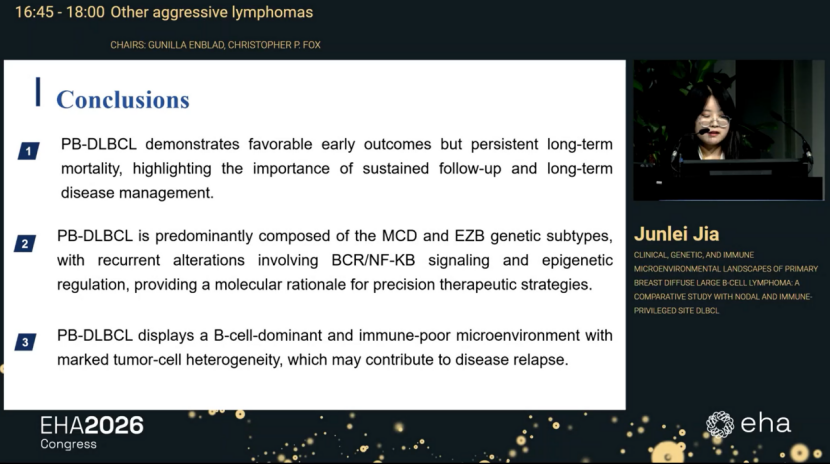
Figure 3. Key Conclusions of the PB-DLBCL Study
Conclusion
As an increasing number of multicenter datasets and original research outputs from China are presented on the global stage, Chinese investigators are gradually transitioning from followers of international guidelines to leaders in defining the biological characteristics of rare disease subtypes.
This study not only provides an essential Chinese perspective and evidence base for global precision hematology but also underscores the growing academic influence of China in the field of hematologic malignancies.

