


At the ESMO 2026 Congress in Madrid, Prof. Li Zhang of Sun Yat-sen University Cancer Center presented new data from the phase 3 PANKU-Lung01 study (abstract LBA71), which has met its primary endpoint, in the late-breaking abstract session. Izalontamab brengitecan (iza-bren) is the world-first and first approved EGFR x HER3 bispecific antibody-drug conjugate (ADC); the PANKU-Lung01 results further show the potential of bispecific ADCs in later-line treatment of EGFR-mutant non-small cell lung cancer (NSCLC).
Article Key Points
- Phase 3 PANKU-Lung01 (LBA71): iza-bren vs platinum-based chemotherapy after third-generation EGFR-TKI failure
- 422 patients treated (216 vs 206); data cutoff July 15, 2026
- BICR median PFS 11.14 vs 5.7 months (HR 0.40, 95% CI 0.31-0.51, P<0.0001)
- Confirmed ORR 60.2% vs 34.5%; median duration of response 10.45 vs 5.68 months
- OS immature but showing a favorable trend (HR 0.66, 95% CI 0.47-0.91)
- Grade ≥3 TRAEs predominantly hematologic; only 1.9% discontinued treatment
- Confirmed ILD in 2 patients (0.9%): one grade 3, one grade 1
- Results published simultaneously in The Lancet; presented as LBA71
- CDE has accepted and granted priority review to the EGFR-TKI-resistant NSCLC indication
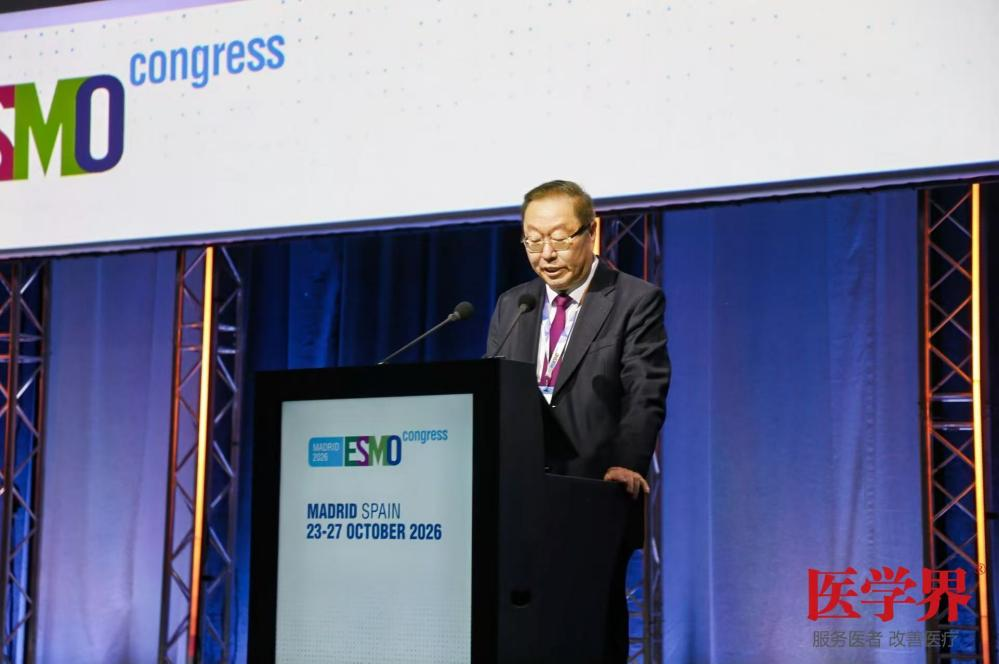 Fig.1. Prof. Li Zhang Presenting the PANKU-Lung01 Results at the ESMO 2026 Congress
PANKU-Lung01 Meets Primary Endpoint; Bispecific ADC Explores New Path in Later-Line Therapy
Study Design
PANKU-Lung01 is a multicenter, randomized, open-label phase 3 trial evaluating izalontamab brengitecan in patients with locally advanced or metastatic EGFR-mutant non-squamous NSCLC whose disease progressed after EGFR-TKI therapy. Patients harbored sensitizing EGFR mutations (exon 19 deletion or L858R) and had progressed after third-generation EGFR-TKI treatment. They were randomized 1:1 to iza-bren 2.5 mg/kg intravenously on days 1 and 8 of each 3-week cycle, or to platinum-based chemotherapy (pemetrexed plus cisplatin or carboplatin every 3 weeks).
The primary endpoint was progression-free survival (PFS) assessed by blinded independent central review (BICR); overall survival (OS) was a secondary endpoint. The prespecified interim analysis served as the final PFS analysis and an interim OS analysis.
Efficacy
As of the data cutoff of July 15, 2026, 422 patients had received treatment, 216 in the iza-bren arm and 206 in the platinum-based chemotherapy arm. The median follow-up for PFS was 14.6 and 15.2 months, respectively.
By BICR assessment, the median PFS in the iza-bren arm reached 11.14 months (95% CI 9.2-12.7), significantly longer than 5.7 months (95% CI 5.5-5.9) in the chemotherapy arm (HR 0.40; 95% CI 0.31-0.51; P<0.0001), a 60% reduction in the risk of disease progression or death.
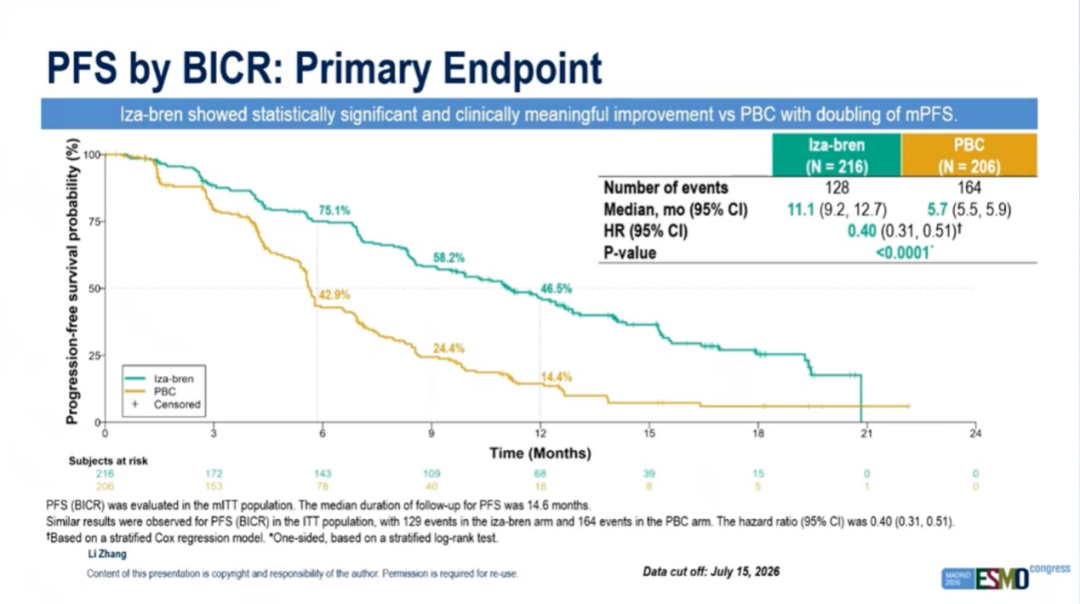 Fig.2. BICR-assessed Progression-free Survival in PANKU-Lung01
For OS, although the data remain immature, the iza-bren arm has already shown a trend toward OS improvement over platinum-based chemotherapy (HR 0.66; 95% CI 0.47-0.91).
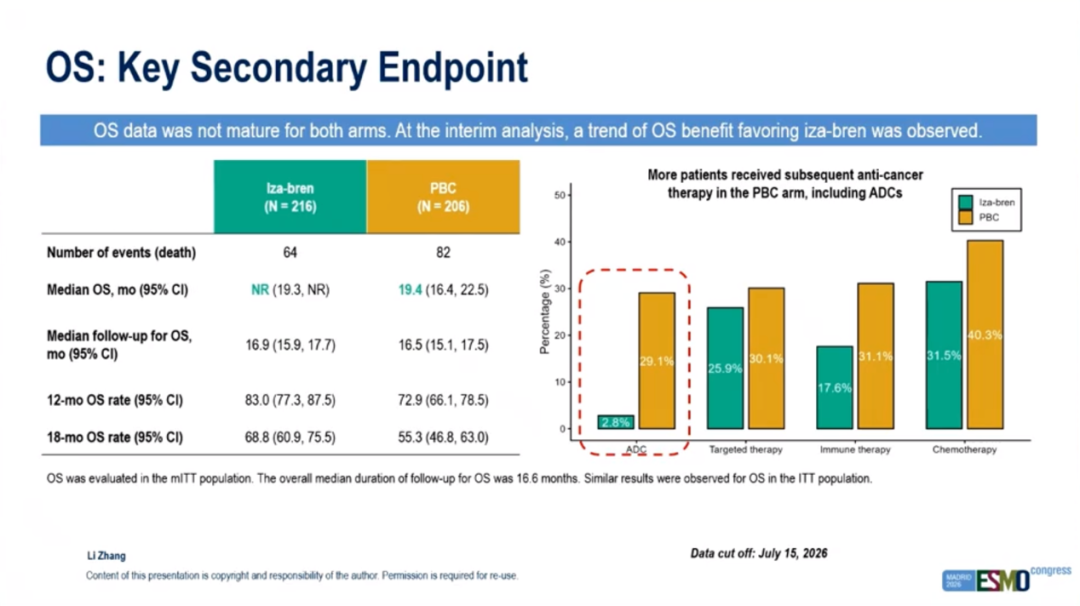 Fig. 3. Overall Survival in PANKU-Lung01
Other efficacy endpoints were also positive. The confirmed objective response rate (cORR) by BICR was 60.2% with iza-bren, clearly higher than 34.5% with chemotherapy; the median durations of response were 10.45 and 5.68 months, respectively.
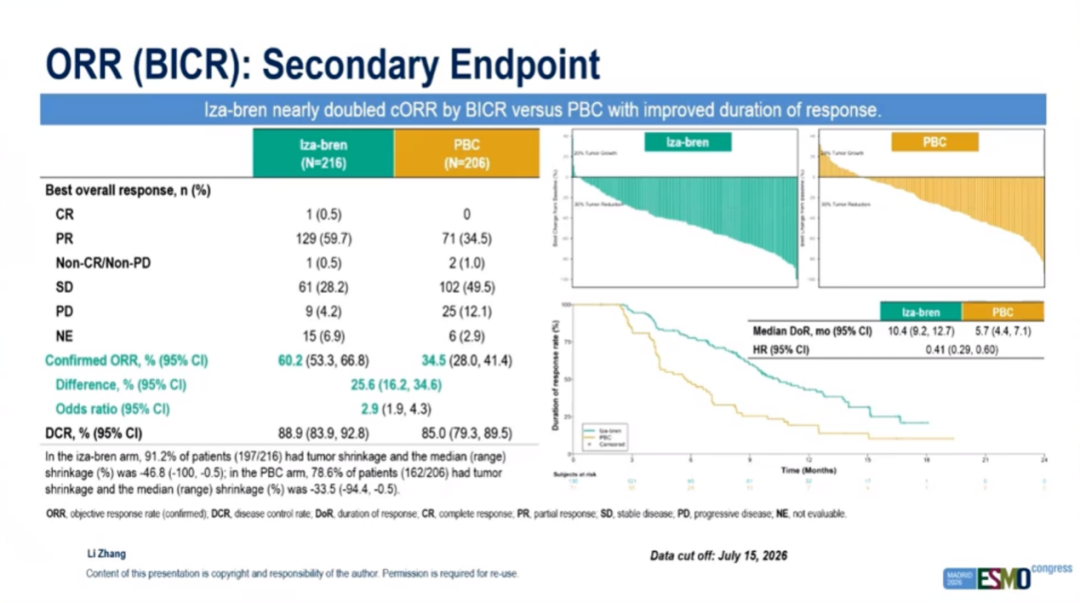 Fig.4. Confirmed Objective Response Rate in PANKU-Lung01
Safety
Iza-bren showed a controllable overall safety profile. Grade ≥3 treatment-related adverse events (TRAEs) were predominantly hematologic. With standard supportive care, most TRAEs were manageable, and only 1.9% of patients in the iza-bren arm discontinued treatment due to TRAEs.
Notably, 2 cases of interstitial lung disease (ILD) were confirmed by independent review in the iza-bren arm, an incidence of 0.9%, of which one was grade 3 and one grade 1. No new safety signals were identified, and the overall safety profile was consistent with previous studies.
Breaking Through the Drug-Resistance Dilemma: Lung Cancer Treatment Enters the Era of Bispecific ADCs
Treatment after EGFR-TKI resistance remains a major challenge in the clinical management of EGFR-mutant NSCLC. The positive phase 3 results of PANKU-Lung01 show that iza-bren significantly prolonged PFS versus platinum-based chemotherapy, reducing the risk of progression or death by 60%, with favorable ORR and duration of response, extending the potential application of ADCs in EGFR-mutant lung cancer.
The Center for Drug Evaluation (CDE) of the National Medical Products Administration has accepted the marketing application for izalontamab brengitecan for the new indication of EGFR-TKI-resistant NSCLC and included it in priority review. If approved, it may provide a chemotherapy-free new option for these patients. Meanwhile, the global phase 3 IZABRIGHT-Lung02 study is ongoing to further evaluate the efficacy and safety of iza-bren in global populations.

