


The ESMO 2026 Annual Meeting was held Oct 23 to 27, 2026, in Madrid, Spain. On Oct 23, Prof. Bo Lan of the National Cancer Center, Chinese Academy of Medical Sciences, presented the results of the randomized phase 3 PANKU-Breast01 study (LBA50), assessing the efficacy and safety of izalontamab brengitecan (iza-bren) in patients with HR+/HER2- unresectable locally advanced or metastatic breast cancer whose disease had progressed after endocrine therapy and chemotherapy.
Article Key Points
- PANKU-Breast01, phase 3, n=383: iza-bren 2.5 mg/kg on days 1 and 8 of each 3-week cycle vs chemotherapy
- Primary endpoint, BICR median PFS 8.2 vs 4.0 months (HR 0.41, 95% CI 0.33-0.53, P<0.0001)
- Confirmed ORR 40.5% vs 20.2%; median DoR 6.9 vs 4.2 months
- Consistent benefit across all PFS subgroups analyzed
- OS immature at interim analysis (median follow-up 17.8 months); no adverse effect on OS observed
- Grade 3 or higher TRAEs predominantly hematologic; manageable with growth factor support, delays, and dose reductions
- Discontinuation for TRAEs 1.6% vs 1.0%; treatment-related deaths 1.1% vs 0.5%
- Alopecia 53.2% vs 43.0% and fatigue 49.5% vs 22.3%; ILD in 2 patients (1.1%), grade 1 or 2
- Evidence status: presented as LBA50 at ESMO 2026 and published simultaneously in The Lancet; peer reviewed
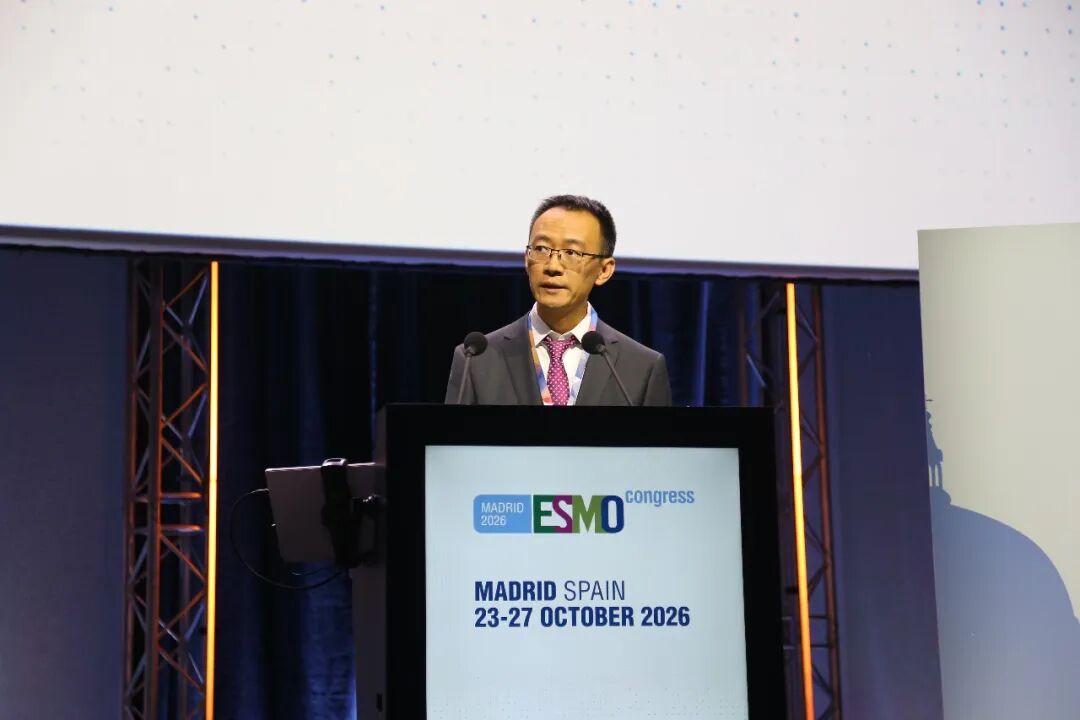 Fig.1. Prof. Bo Lan Presenting the PANKU-Breast01 Results at the ESMO 2026 Meeting
A Dual EGFR/HER3 Antibody-Drug Conjugate in Previously Treated Disease
First-line endocrine therapy combined with a CDK4/6 inhibitor has improved outcomes in HR+/HER2- advanced breast cancer, but treatment after resistance remains a challenge. In patients who have already received endocrine therapy, a CDK4/6 inhibitor, and chemotherapy, survival benefit from existing options remains limited.
Iza-bren is a first-in-class bispecific antibody-drug conjugate (ADC) targeting EGFR and HER3, carrying the potent topoisomerase I inhibitor payload Ed-04. In earlier studies, iza-bren showed preliminary antitumor activity in HER2-negative locally advanced or metastatic breast cancer, with a confirmed objective response rate (cORR) of 36.4% and a median progression-free survival (mPFS) of 6.9 months. The phase 3 PANKU-Breast01 study was conducted on this basis, comparing iza-bren with treatment of physician’s choice (TPC) in previously treated patients with HR+/HER2- unresectable locally advanced or metastatic breast cancer.
Study Design and Population
Eligible patients had disease progression after at least one line of endocrine therapy and one to two lines of chemotherapy, and had previously received a CDK4/6 inhibitor and a taxane. HR-positive disease was defined as ER 1% or greater and/or PR 1% or greater, and HER2-negative disease as IHC 0, 1+, or 2+/ISH-negative.
Patients were randomized 1:1 to iza-bren at 2.5 mg/kg, with dosing on days 1 and 8 of each 3-week cycle, or to TPC with eribulin, capecitabine, gemcitabine, or vinorelbine.
The primary endpoint was progression-free survival (PFS) assessed by blinded independent central review (BICR). Secondary endpoints included overall survival (OS). The prespecified final analysis of PFS also served as the interim analysis of OS.
Efficacy: PFS and Response Rate
As of the July 21, 2026 data cutoff, 383 patients had been randomized and treated: 190 in the iza-bren arm and 193 in the TPC arm. Median follow-up for PFS was 15.24 months and 13.63 months, respectively.
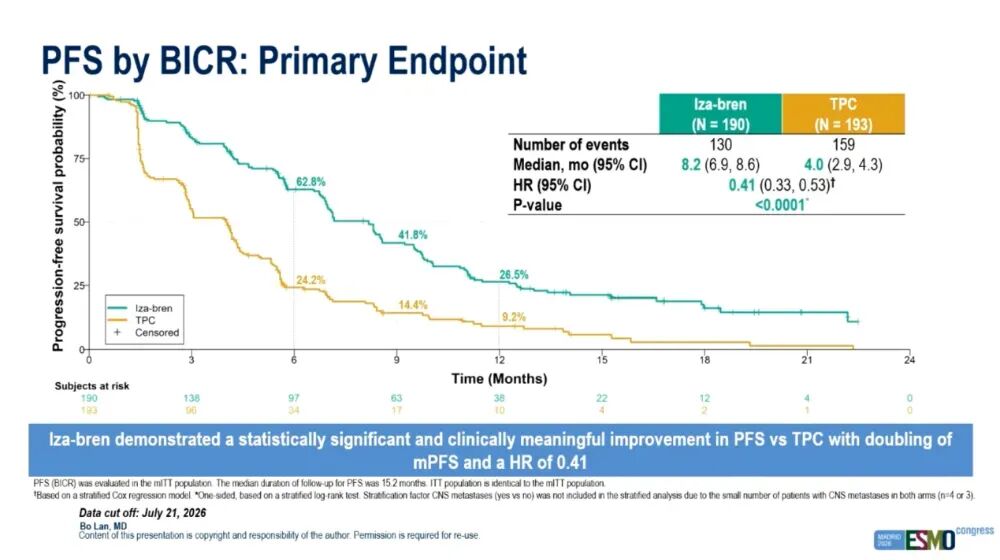 Fig.2. Primary Endpoint: Progression-free Survival by Blinded Independent Central Review
Iza-bren significantly improved BICR-assessed PFS compared with TPC. Median PFS was 8.2 months (95% CI 6.9-8.6) with iza-bren versus 4.0 months (95% CI 2.9-4.3) with TPC, a 59% reduction in the risk of disease progression or death (HR 0.41, 95% CI 0.33-0.53, P<0.0001). Consistent benefit was observed in all PFS subgroup analyses.
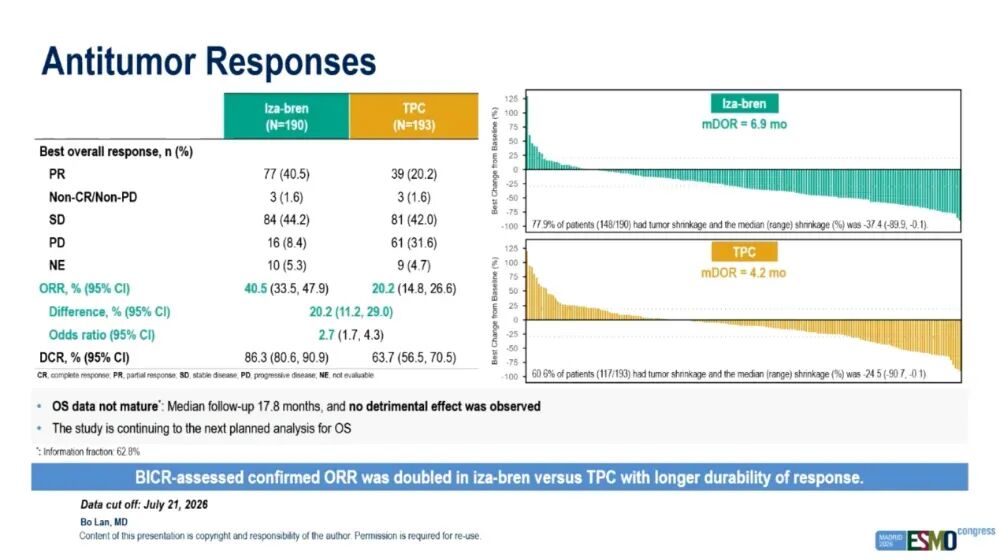 Fig.3. Confirmed Objective Response Rate and Median Duration of Response
Confirmed ORR by BICR was 40.5% (95% CI 33.5-47.9) with iza-bren versus 20.2% (95% CI 14.8-26.6) with TPC, and median duration of response was 6.9 months versus 4.2 months, indicating more durable responses with iza-bren.
Overall Survival
OS data were not yet mature at the interim analysis, with a median follow-up of 17.8 months. No adverse effect on OS was observed. Follow-up will continue and the next planned OS analysis will be conducted.
Safety
The safety profile of iza-bren was generally manageable, with a low rate of discontinuation for treatment-related adverse events (TRAEs). Discontinuation for TRAEs occurred in 1.6% of the iza-bren arm and 1.0% of the TPC arm, and TRAEs resulting in death occurred in 2 patients (1.1%) and 1 patient (0.5%), respectively.
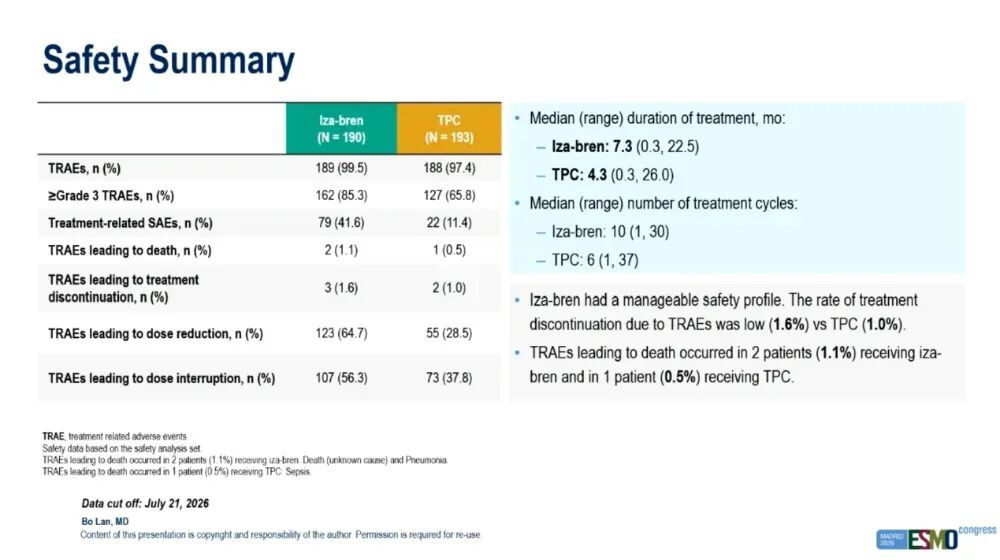 Fig. 4. Safety Analysis
Common TRAEs reported in at least 30% of patients were mainly hematologic events, including anemia, thrombocytopenia, and neutropenia. Through growth factor support, treatment delay, and dose reduction, these events were generally manageable, and most patients were able to continue iza-bren.
Non-hematologic adverse events were mostly mild, with alopecia and fatigue the most frequent. Alopecia occurred in 53.2% of the iza-bren arm versus 43.0% of the TPC arm, and fatigue in 49.5% versus 22.3%. In addition, 2 patients (1.1%) in the iza-bren arm had adjudicated interstitial lung disease (ILD), all of grade 1 or 2. No new safety signal was identified.
Conclusions
PANKU-Breast01 showed that iza-bren significantly prolonged PFS and increased objective response rate compared with physician’s choice chemotherapy in previously treated HR+/HER2- advanced breast cancer, with generally manageable safety. The results provide a new basis for treatment in patients whose disease has progressed after endocrine therapy and chemotherapy, and also illustrate the potential of bispecific ADCs in this setting.
Reference
Bo Lan, et al. Randomized Phase III Study of Izalontamab Brengitecan (iza-bren) in Previously Treated Unresectable Locally Advanced or Metastatic HR+/HER2- Breast Cancer (BC): PANKU-Breast01. 2026 ESMO. Abstract LBA50. ClinicalTrials.gov identifier NCT06343948.

