


Results from two phase 3 trials of HRS-7535, an oral small-molecule glucagon-like peptide-1 receptor agonist (GLP-1RA), were presented at the 2026 Annual Meeting of the European Association for the Study of Diabetes (EASD). OUTSTAND-1, presented by Prof. Miao Yu of Peking Union Medical College Hospital, evaluated the efficacy and safety of HRS-7535 as monotherapy in patients with early type 2 diabetes mellitus (T2DM). OUTSTAND-2, presented by Prof. Dongni Yu of Beijing Hospital, compared HRS-7535 with dapagliflozin in patients whose T2DM was inadequately controlled with metformin. Both trials reported improvements in glycemic control and multiple cardiometabolic measures, with a safety profile consistent with the GLP-1RA class.
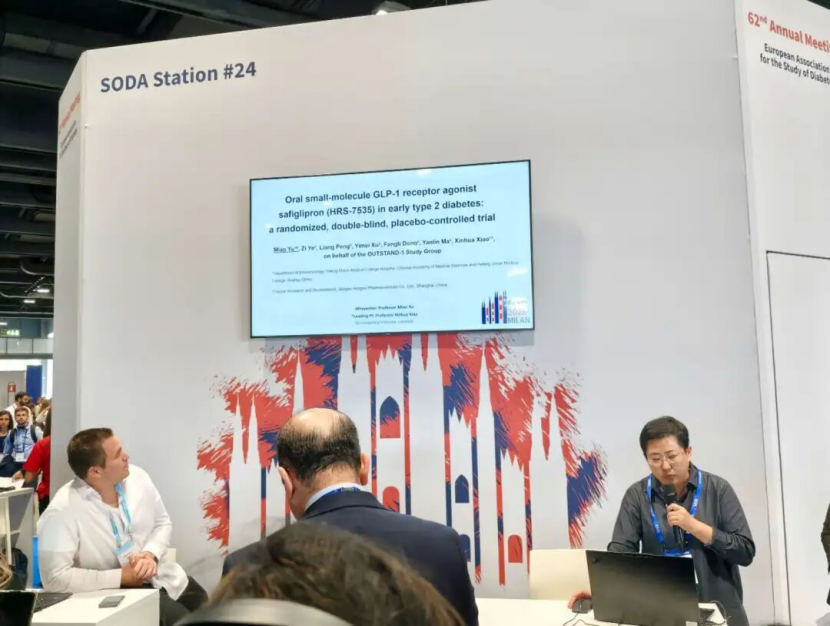
Fig. 1. OUTSTAND-1 Results Presented by Prof. Miao Yu
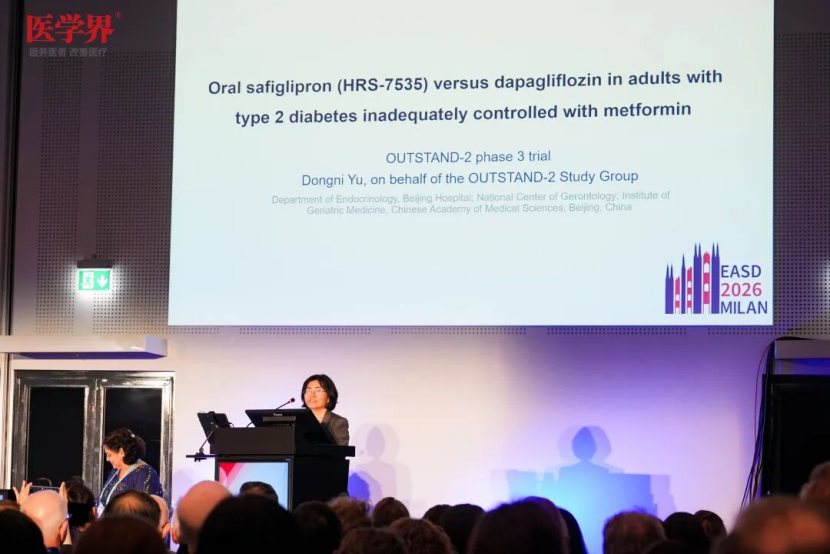
Fig. 2. OUTSTAND-2 Results Presented by Prof. Dongni Yu
OUTSTAND-1: HbA1c Reduction of up to 1.68 Percentage Points With Monotherapy in Early T2DM
OUTSTAND-1 was a phase 3, double-blind, placebo-controlled, multicenter trial in Chinese adults with T2DM managed with diet and exercise alone. Eligible participants were aged 18-75 years and had a glycated hemoglobin (HbA1c) level of 7.0%-10.0%.
A total of 284 participants were randomized in a 1:1:1:1 ratio to receive once-daily oral HRS-7535 at 30, 60, or 90 mg, or placebo, for 32 weeks. This was followed by a 20-week extension, during which participants in the placebo group switched to HRS-7535 30 mg. Participants assigned to the 60 mg and 90 mg groups started at 30 mg, with dose increases of 30 mg every 4 weeks. The primary endpoint was the change in HbA1c from baseline at week 32.
Baseline Characteristics
At baseline, the mean age was 49.4 years, mean HbA1c was 7.95%, mean body weight was 77.5 kg, and mean body mass index (BMI) was 27.8 kg/m². The median duration of T2DM was 1.6 years, and 66.5% of participants had never used glucose-lowering medication.
Glycemic Outcomes at Week 32
Under the efficacy estimand, HbA1c decreased from baseline by 1.40, 1.48, and 1.68 percentage points in the HRS-7535 30, 60, and 90 mg groups, respectively, compared with 0.06 percentage points in the placebo group. The corresponding placebo-adjusted differences were -1.34, -1.42, and -1.62 percentage points (all p < 0.0001).
Under the treatment-policy estimand, the corresponding changes in HbA1c were -1.40, -1.38, and -1.63 percentage points, compared with -0.18 percentage points with placebo (all p < 0.0001 versus placebo).
The proportions of participants achieving HbA1c <7.0% were 83.5%, 89.6%, and 86.6% in the HRS-7535 30, 60, and 90 mg groups, respectively, compared with 14.8% with placebo. The corresponding proportions achieving HbA1c ≤6.5% were 62.8%, 80.1%, and 85.0%, compared with 13.0% with placebo.
During the 32-week treatment period, no participants in the HRS-7535 groups required rescue therapy for hyperglycemia, compared with 9.7% in the placebo group.
Body Weight and Other Metabolic Measures
Body weight decreased in a dose-dependent manner in the HRS-7535 groups. Improvements were also reported in fasting plasma glucose (FPG), systolic blood pressure (SBP), lipid profiles, urinary albumin-to-creatinine ratio (UACR), homeostasis model assessment of β-cell function (HOMA-β), homeostasis model assessment of insulin resistance (HOMA-IR), and the disposition index.
Safety
The most common adverse events were gastrointestinal and were generally mild to moderate and transient. Adverse events led to treatment discontinuation in 1.4%, 2.9%, and 6.9% of participants in the HRS-7535 30, 60, and 90 mg groups, respectively, compared with 0% in the placebo group. No level 3 hypoglycemia or deaths were reported, and no hepatotoxicity signal was observed.
These findings suggest that HRS-7535 monotherapy improves glycemic control and multiple cardiometabolic risk factors in Chinese adults with early T2DM, with an observed safety profile consistent with other GLP-1RAs.
OUTSTAND-2: Noninferiority to Dapagliflozin Across All Doses and Superiority at 90 mg
OUTSTAND-2 was a phase 3, randomized, double-blind, active-controlled, multicenter trial in Chinese adults with T2DM inadequately controlled with metformin. Eligibility criteria included a T2DM duration of at least 3 months, HbA1c of 7.5%-11.0%, BMI of 19.0-40.0 kg/m², and stable metformin treatment for at least 8 weeks.
Participants were randomized in a 1:1:1:1 ratio to receive once-daily oral HRS-7535 at 30, 60, or 90 mg, or dapagliflozin 10 mg, for 32 weeks, followed by a 20-week extension. Participants assigned to HRS-7535 60 or 90 mg started at 30 mg, with dose increases of 30 mg every 4 weeks. The primary endpoint was the change in HbA1c at week 32.
Of the 810 participants randomized, 809 received treatment, and 86.5% completed treatment.
Baseline Characteristics
At baseline, the mean age was 52.2 years, mean HbA1c was 8.60%, mean body weight was 74.7 kg, and mean BMI was 27.1 kg/m². The median duration of T2DM was 5.0 years. Before screening, 97.7% of participants had been receiving metformin at a dose of at least 1,500 mg/day.
Glycemic Outcomes at Week 32
HbA1c decreased from baseline by 1.58, 1.50, and 1.68 percentage points in the HRS-7535 30, 60, and 90 mg groups, respectively, compared with 1.28 percentage points in the dapagliflozin group.
The estimated differences versus dapagliflozin were:
- HRS-7535 30 mg: -0.30 percentage points (95% confidence interval [CI], -0.51 to -0.09).
- HRS-7535 60 mg: -0.22 percentage points (95% CI, -0.44 to -0.01).
- HRS-7535 90 mg: -0.40 percentage points (95% CI, -0.62 to -0.19).
All HRS-7535 doses met the prespecified noninferiority criterion, using a margin of 0.4 percentage points (all p < 0.0001 for noninferiority). The 90 mg dose also demonstrated superiority to dapagliflozin.
The proportions of participants achieving HbA1c <7.0% were 55.7%, 54.9%, and 63.5% in the HRS-7535 30, 60, and 90 mg groups, respectively, compared with 36.5% with dapagliflozin. The corresponding proportions achieving HbA1c ≤6.5% were 41.4%, 38.9%, and 48.6%, compared with 16.1% with dapagliflozin.
HRS-7535 treatment was also associated with reductions in body weight and improvements in FPG, SBP, lipid profiles, and UACR.
Safety Through 52 Weeks
During the 52-week treatment period, the most common adverse events were gastrointestinal, primarily nausea, vomiting, and diarrhea. These events were generally mild to moderate and transient.
Adverse events led to treatment discontinuation in 4.0%, 3.9%, and 3.9% of participants in the HRS-7535 30, 60, and 90 mg groups, respectively, compared with 1.0% in the dapagliflozin group. No level 3 hypoglycemia or hepatotoxicity signals were reported.
In this trial, once-daily oral HRS-7535 was noninferior to dapagliflozin for HbA1c reduction at week 32 in Chinese adults with T2DM inadequately controlled with metformin, with superiority demonstrated at 90 mg. Higher proportions of participants achieved HbA1c targets with HRS-7535, and improvements were reported in multiple cardiometabolic measures. The observed safety profile was consistent with the GLP-1RA class.
Clinical Implications
The phase 3 OUTSTAND-1 and OUTSTAND-2 findings presented at EASD 2026 support the potential of HRS-7535 as monotherapy in early T2DM and as add-on therapy in patients inadequately controlled with metformin.
In OUTSTAND-1, HRS-7535 90 mg reduced HbA1c by 1.68 percentage points, and glycemic target attainment was substantially higher with HRS-7535 than with placebo. In OUTSTAND-2, all HRS-7535 doses met the noninferiority criterion versus dapagliflozin, while the 90 mg dose demonstrated superiority. Higher glycemic target attainment and improvements in multiple metabolic measures were also reported.
As a once-daily oral small-molecule GLP-1RA described as having no meal-related dosing restrictions, HRS-7535 may offer a convenient treatment option for early intervention and combination therapy in T2DM. These findings reflect the Chinese study populations and the follow-up periods reported; improvements in cardiometabolic measures should not be interpreted as evidence of reduced cardiovascular event risk.

