


Obesity, as a complex chronic metabolic disease, has long faced the clinical dilemma of “easy to lose weight, hard to maintain it.”Although the clinical application of incretin‑based drugs has brought breakthrough progress to obesity treatment in recent years, issues such as differences in drug tolerance, weight rebound after discontinuation, individualised treatment planning, and multidisciplinary collaboration remain core challenges in current clinical practice. At the 2026 Annual Meeting of the Chinese Society of Endocrinology (CSE), Prof. Shen Qu, Head of the Obesity Group of the Chinese Society of Endocrinology, Director of the Obesity Diagnosis and Treatment Center at Shanghai Tenth People’s Hospital, and Director of the Endocrinology and Metabolism Center at SinoUnited Health, delivered a landmark report titled Annual Advances in Obesity and Interpretation of the Latest Domestic and International Guidelines. He systematically elaborated on the evolution of obesity diagnosis and treatment concepts, shared practical experience in centralised management, and offered thoughtful reflections on the strengths and limitations of current international guidelines from a localisation perspective.
Expert Profile: Prof. Shen Qu
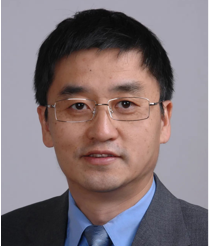
• Professor, Chief Physician, and Doctoral Supervisor
• Shanghai Leading Talent; Shanghai Medical Leading Talent
• Standing Committee Member, Chinese Society of Endocrinology, Chinese Medical Association; Head of the Obesity Group
• Chairman, Obesity and Metabolic Disorders Professional Committee, Chinese Health Management Association
• Director, Institute of Obesity, Tongji University School of Medicine
• Director, Obesity Management Center, Shanghai Tenth People’s Hospital, Tongji University
• Director, Endocrinology, Metabolism and Thyroid Center, SinoUnited Health
• Editorial Board Member, Chinese Journal of Endocrinology and Metabolism and International Journal of Endocrinology and Metabolism; has led more than 30 research projects (including National Natural Science Foundation of China projects)
1. Cognitive Innovation: A Profound Shift from “Weight Numbers” to “Metabolic Outcomes”
The diagnosis and treatment of obesity is undergoing a profound transformation from “phenotype” to “essence.” For a long time, clinical practice has relied on body mass index (BMI) as the core indicator for obesity diagnosis. However, multiple clinical practices have confirmed that BMI alone is insufficient to fully reflect abnormal fat distribution and its associated health hazards and clinical outcomes. In response, Prof. Qu advocates adopting the “BMI plus” concept from the Guidelines for Long‑term Weight Management and Clinical Drug Application in Patients with Obesity issued by the Chinese Society of Endocrinology as a new diagnostic consensus — that is, on the basis of BMI, integrating multidimensional indicators including waist circumference, waist‑to‑hip ratio, waist‑to‑height ratio, and visceral fat assessment to more accurately evaluate patients’ metabolic risk and fat distribution characteristics.
As diagnostic criteria become more refined, the etiological heterogeneity of obesity has become increasingly prominent. The pathophysiological mechanisms of obesity involve multiple complex network mechanisms, including adipose tissue inflammation, mitochondrial dysfunction, and central set‑point dysregulation. No single discipline can address these challenges independently; breaking down disciplinary barriers and implementing multidisciplinary collaboration is the only way forward. In addition, race, gender, and age are key variables determining the severity and clinical outcomes of obesity, which dictates that treatment plans must be highly individualised and cannot adopt a one‑size‑fits‑all approach. Therefore, Prof. Qu emphasised that the ultimate goal of obesity treatment should shift from the “result‑oriented” pursuit of short‑term weight loss to an “outcome‑oriented” focus on improving quality of life and disease prognosis across the entire lifespan — truly achieving a paradigm shift from “weight loss” to “metabolic improvement.”
2. Treatment Strategies: From Drug Application to Synergistic Combination Therapy
In terms of treatment modalities, Prof. Qu systematically analysed the limitations and boundaries of current obesity therapies. The 2026 American Diabetes Association (ADA) guidelines point out that obesity is associated with more than 200 diseases through mechanisms including mechanical stress, insulin resistance, ectopic fat accumulation, and systemic inflammation, and is closely linked to an increased risk of 27 types of cancer. This vast spectrum of disease associations requires that clinical intervention for obesity must break through the isolated single‑discipline treatment model and move toward multidisciplinary collaborative combination therapy.
On this basis, Prof. Qu highlighted the “pyramid” tiered treatment model: lifestyle interventions achieve 2%–8% weight loss, pharmacotherapy achieves 5%–20%, endoscopic procedures achieve 10%–20%, and bariatric surgery can achieve 25%–40%. He emphasised that each level of treatment has clear indications and efficacy boundaries; clinicians should develop staged, individualised treatment combinations based on the patient’s disease stage (ABCD staging) and obesity‑related comorbidities (ORCD).
In terms of pharmacotherapy, Prof. Qu, drawing on clinical practice, emphasised several key dimensions of standardised management:
First, timing of initiation. For patients with obesity (BMI ≥28 kg/m²), or overweight patients (BMI ≥24 kg/m²) with ORCD, pharmacotherapy should be initiated on the basis of continued lifestyle intervention. For overweight patients with BMI 24–27.9 kg/m² and no obesity‑related comorbidities, pharmacotherapy may also be considered if lifestyle intervention fails.
Second, drug selection and titration strategy. Clinicians need to balance weight‑loss efficacy, comorbidity improvement, safety, and accessibility. The starting dose should follow the principle of “slow rather than fast,” with gradual titration to the maximum tolerated dose (MTD) to reduce the risk of gastrointestinal adverse reactions.
Third, the necessity of long‑term management. Pharmacotherapy should be maintained long‑term but adjusted flexibly according to individual circumstances. If discontinuation or switching is needed, patients should be informed to restart from a low dose and be closely monitored for weight rebound.
Fourth, prevention and management of adverse reactions. Incretin‑based drugs (including single‑target and dual‑target agonists) most commonly cause gastrointestinal adverse reactions, which typically occur during the dose‑escalation phase. Clinicians should inform patients in advance of coping strategies (such as eating small, frequent meals and avoiding high‑fat diets) and reduce the risk of treatment interruption due to intolerance through standardised pre‑management, thereby improving long‑term adherence. In addition, regardless of which weight‑loss drug is used, heart rate, renal function, pancreatic enzymes, and mood changes should be closely monitored, and the risk of gallbladder disease should be assessed.
3. Drugs and Guidelines: From “Evidence‑Based Reference” to “Localised Practice” — A Deep Reflection
In the guideline interpretation session, Prof. Qu conducted an in‑depth analysis of the strengths and limitations of current international and domestic obesity‑related guidelines. He pointed out that although international guidelines are forward‑looking in their frameworks, clinical implementation must be grounded in local realities and cannot be directly copied. The obesity and clinical obesity diagnostic thresholds set in international guidelines based on Western populations (such as BMI >30 or >40) are not fully applicable to Chinese populations. In particular, for Asian populations with a higher proportion of abdominal obesity, significant metabolic risk may already be present even at relatively low BMI levels. Moreover, there are significant differences in dietary structure, behavioural patterns, and lifestyle between China and Western countries; directly mimicking Western diets (such as long‑term cold foods, salads, etc.) is often difficult for Chinese patients to sustain long‑term. Clinicians should, on the basis of high‑quality evidence, fully integrate the racial characteristics, regional differences, and real‑world clinical practice of Chinese populations to develop individualised intervention strategies that truly meet the needs of Chinese patients.
As a representative example of localised practice, Prof. Qu specifically mentioned the Guidelines for Long‑term Weight Management and Clinical Drug Application in Patients with Obesity (2024 Edition), jointly developed by multidisciplinary experts in China. Based on long‑term clinical experience in China, this guideline innovatively proposed the “3 Earlys, 1 Long‑term, 1 Combination” concept (early treatment, early combination, early medication, long‑term medication, combination medication) and has been updated to a 2026 edition on the basis of clinical practice and evidence‑based medicine, providing a highly operational localised pathway for standardising the long‑term management of obesity in Chinese patients.
4. Implementation and Outlook: A New Patient‑Centred Pathway for Whole‑Course Management
Once treatment strategies and localised guidelines are gradually clarified, the key becomes how to implement them in a standardised manner. Prof. Qu proposed the eight‑character principle of “centralised management, individualised diagnosis and treatment,” and emphasised that the development of weight management centres is a long‑term cumulative process. Hardware facilities — such as space, equipment, and examination systems — can be quickly addressed through financial investment. However, the true core competitiveness lies in the “software” — the scientific understanding of professionals, a culture of multidisciplinary collaboration, and patient‑centred clinical decision‑making capacity. At the same time, adhering to patient‑centred shared decision‑making is the core principle throughout the entire obesity specialty care journey. Physicians should not unilaterally issue directives but should communicate fully with patients and jointly develop individualised treatment goals and execution plans. The 2025 American Association of Clinical Endocrinology (AACE) consensus has clearly required comprehensive assessment of patients with obesity, including weight history, physical examination, laboratory tests, social history, family history, and psychological assessment — providing an important reference for standardising obesity clinic processes.
At the conclusion of his presentation, Prof. Qu extended his perspective to the broader clinical reality. He acknowledged that obesity management still faces significant obstacles, including differences in drug tolerance, high patient heterogeneity, and difficulty in long‑term weight maintenance. However, unlike the past goal of simply pursuing “percentage of weight loss,” modern treatment concepts have achieved a leap from “weight‑loss tool" to "metabolic regulation modality.” With the deepening integration of digital medical technologies such as artificial intelligence and continuous glucose monitoring, and the gradual establishment of a “whole‑lifecycle outcome" orientation, obesity is expected to truly enter an era of "quantifiable, predictable, and intervenable” precision management.

