


Type 1 diabetes (T1D) has long been associated with wasting and weight loss. As treatment has changed, the clinical profile of people with T1D has shifted noticeably: overweight and obesity are increasingly common, may affect glycemic control, and are linked with long-term cardiovascular outcomes. Weight management has therefore become an unavoidable part of comprehensive T1D care.
At the 2026 national conference on endocrine and metabolic diseases, Prof. Zhenqi Liu of the University of Virginia delivered a lecture on T1D and obesity, systematically reviewing the epidemiology, mechanisms, and screening strategies, together with the latest evidence on glucagon-like peptide-1 receptor agonists (GLP-1RAs) combined with an automated insulin delivery (AID) closed-loop system. For pulmonologists, the relevance is that T1D with obesity commonly coexists with obstructive sleep apnea (OSA), obesity hypoventilation syndrome, and cardiovascular risk, and this talk offers a cross-disciplinary perspective on management.
Expert Profile: Prof. Zhenqi Liu

- Earned his medical degree and a master’s degree in endocrinology from Hunan Medical University in 1983 and 1986, went to the United States for study in 1990, and received certification as a Doctor of Medicine in 1992
- Subsequently obtained certification from the Educational Commission for Foreign Medical Graduates and a US medical licence
- Completed postdoctoral and clinical training at Yale University, the University of Virginia, and Washington Hospital Center
- Tenured professor in the Division of Endocrinology and Metabolism, University of Virginia, and the James M. Moss Professor of Diabetes
- Reviewer for the American Diabetes Association and the National Institutes of Health, and associate editor of the Journal of the Endocrine Society
- Member of the editorial boards of several international biology and medicine journals, and a member of the Publications Core Committee of the Endocrine Society
- Member of the Global Exchange Advisory Committee of the Endocrine Society, and chair of the Nutrition Science and Metabolism Interest Group of the American Diabetes Association
- Served as chief of the Division of Endocrinology and Metabolism at the University of Virginia (2012-2021), the Kenneth R. Crispell Professor (2013-2020), and associate editor of Reviews in Endocrine and Metabolic Disorders
- Member of the Professional Development Core Committee and the Scientific Research Core Committee of the Endocrine Society, and co-chair of the International Endocrine Scholar Working Group
- Advisory committee member of the American Diabetes Association, and president of the Chinese American Diabetes Society
- Main research interests are endothelial function, insulin resistance, and diabetic complications; his central contribution has been establishing the role of microvascular insulin resistance in abnormal glucose utilisation and in the development and progression of diabetic complications
- Has published more than 170 papers, with research funded by the National Institutes of Health and the American Diabetes Association, and has been named among the Best Doctors in America several times
Article Key Points
- Overweight or obesity affects about 62% of adults with T1D, versus 64% in people without diabetes and 86% in T2D
- Drivers of weight gain in T1D: energy surplus, exogenous insulin, reduced urinary glucose loss, and defensive eating
- Exogenous insulin lacks first-pass portal metabolism, promotes nutrient storage, and reduces urinary glucose excretion
- Intensive insulin therapy in DCCT produced greater weight gain and more frequent hypoglycaemia, feeding defensive eating
- ADA guidance treats obesity in adults with T1D (BMI 30.0 or above) the same as in other adults
- In the ADJUST-T1D trial (n=72), 36% of the semaglutide arm versus 0% with placebo reached the composite endpoint
- ADJUNCT ONE lowered HbA1c, weight, and insulin dose but raised symptomatic hypoglycaemia and ketosis
- The 2025 Diabetes Technology Society consensus supports GLP-1RA as adjunctive therapy for adults with T1D using AID
- No GLP-1RA has yet been approved for weight management in T1D; ketone monitoring is standard of care regardless
Obesity in T1D Is Common and Traditional Assumptions Need Updating
Prof. Liu opened with a historical photograph. On December 7, 1922, the patient known as “J.L.” weighed only 15 pounds before receiving insulin; by February 26, 1923, after insulin therapy had begun, the weight had risen to 30 pounds (Fig. 1). That historical image reflects both the marked wasting that characterised people with T1D before insulin was available and the substantial effect insulin treatment had on restoring weight.
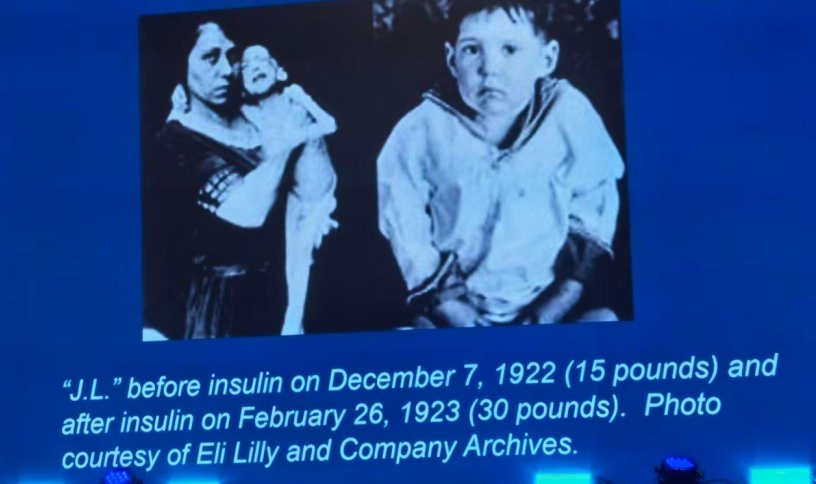 Fig. 1. Photographs of Patient J.L. before and after Insulin Treatment
A century later, with insulin therapy widely used, the weight distribution of people with T1D has changed markedly. United States National Health Interview Survey (NHIS) data for 2016-2020 show that about 62% of adults with T1D are overweight or obese, close to the 64% recorded in people without diabetes; for type 2 diabetes (T2D) the figure was 86% (Fig. 2). Under current treatment conditions, weight problems in T1D are therefore as common as in the general population, and the traditional picture of weight loss as the typical feature of T1D no longer fits outside the acute phase of onset.
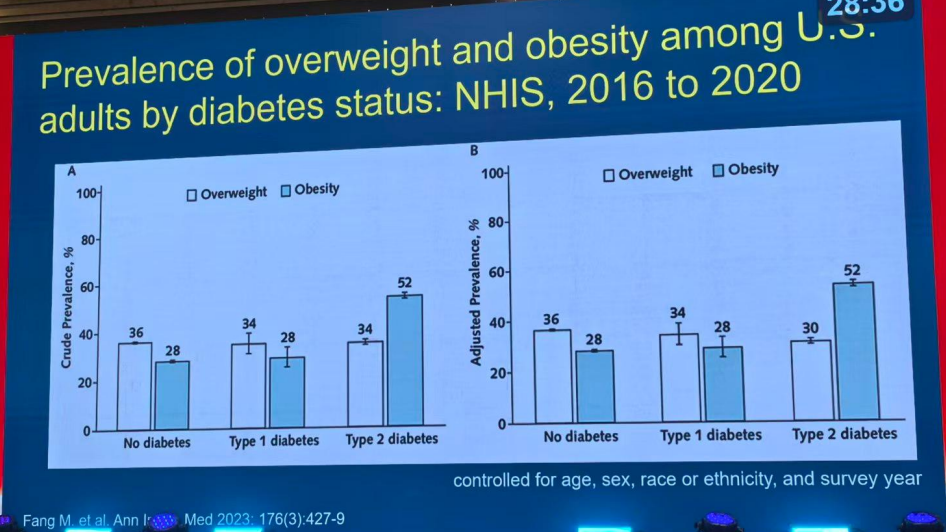 Fig. 2. Prevalence of Overweight and Obesity in Populations without Diabetes, with T1D, and with T2D
The impact of obesity on people with T1D extends well beyond body shape. The cardiovascular disease (CVD) risk in T1D is approximately 2 to 4 times that of the general population, and obesity is an important driver of several of these mechanisms. At the mechanistic level, metabolic and microvascular insulin resistance are already present in T1D even without established microvascular complications, and weight gain and insulin resistance reinforce each other while further increasing insulin requirements, forming a vicious cycle. Prof. Liu noted that this mechanism may explain why cardiovascular mortality in some people with T1D remains high even when glycaemic targets are met.
Energy Surplus, Insulin Anabolism, and Defensive Eating Drive Weight Gain
The drivers of obesity in T1D share features with the general population but also carry disease-specific elements. Prof. Liu summarised them as excess energy intake, the use of exogenous insulin, reduced urinary glucose excretion leading to energy retention, and defensive eating intended to prevent hypoglycaemia.
On energy intake, 2023 data put per capita consumption at 3,514 kcal in China and 3,914 kcal in the United States, against recommended intakes of 2,000 to 2,500 kcal for adult men and 1,600 to 2,000 kcal for adult women. Although the absolute figure is higher in the United States, body surface area is smaller in China, so intake per unit area may not be low. At the same time, energy expenditure has fallen sharply: vehicle ownership in China rose from about 105 million in 2011 to about 353 million in 2024, and sedentary work, less walking and less cycling have become the norm (Fig. 3). Rising intake and falling expenditure together form the basis of energy surplus.
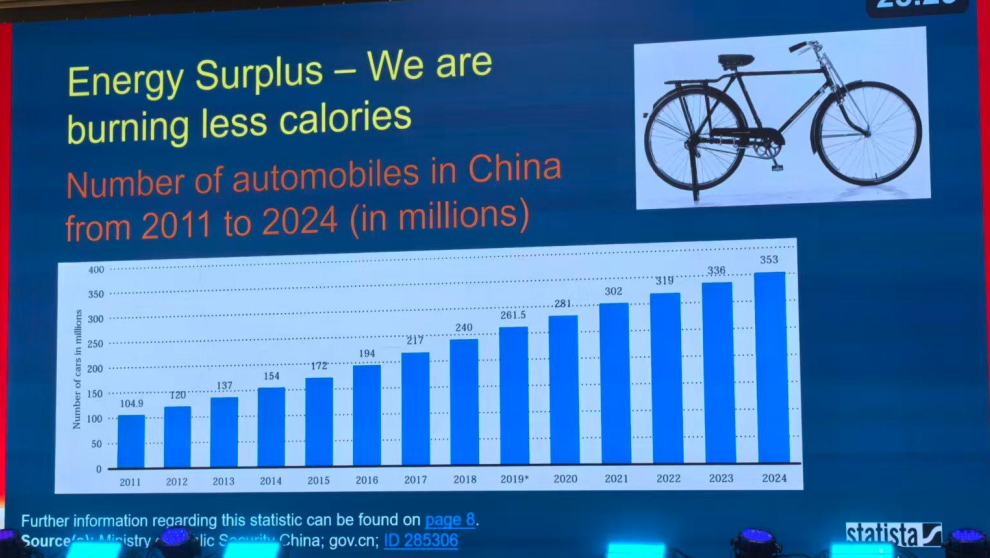 Fig. 3. Growth in Vehicle Ownership in China, 2011-2024
On this foundation, the wide use of insulin further amplifies energy storage. Insulin is a potent anabolic hormone, promoting glucose uptake, glycogen synthesis and fat synthesis while inhibiting lipolysis and ketone body generation (Fig. 4). For people with T1D, subcutaneous exogenous insulin enters the systemic circulation without the first-pass metabolism that occurs in the portal vein, which makes hyperinsulinaemia more likely and in turn promotes nutrient storage. Insulin also reduces urinary glucose excretion, functioning as “calorie preservation”; once blood glucose falls below the renal threshold, urinary glucose loss falls further and more energy is retained in the body. This energy-preserving effect is especially marked in intensive therapy: the Diabetes Control and Complications Trial (DCCT) showed more marked weight gain in the intensively treated group (Fig. 5). Further analysis found that hypoglycaemic episodes were also more frequent in the intensive group, and fear of hypoglycaemia led to “defensive eating”, which in turn added to the weight gain (Fig. 6). When a person with T1D also carries the insulin-resistance features associated with obesity, the characteristics of T1D and T2D overlap and a “double diabetes”can develop.
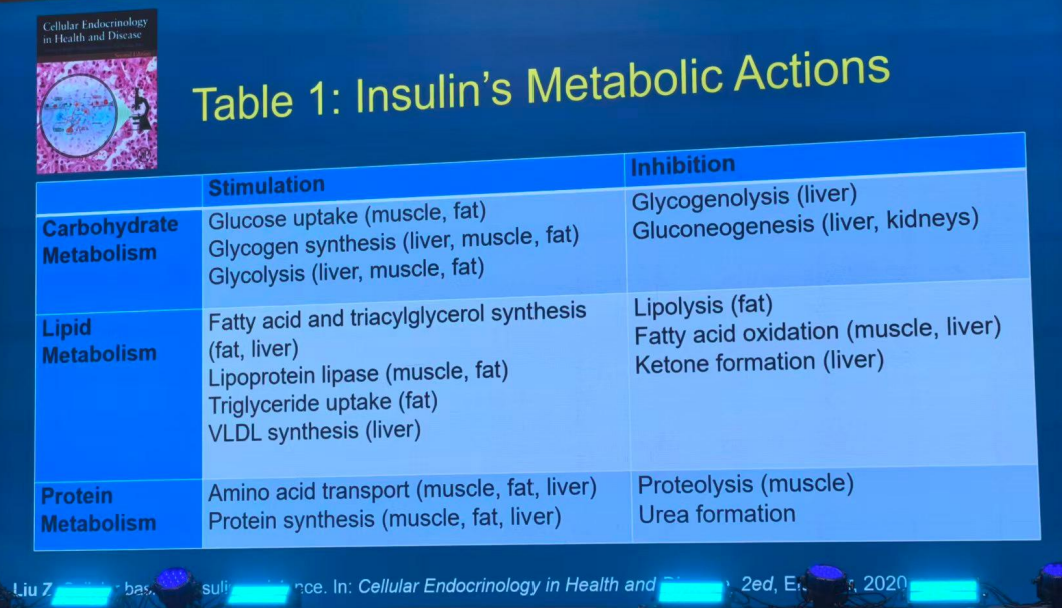 Fig. 4. Metabolic Effects of Insulin
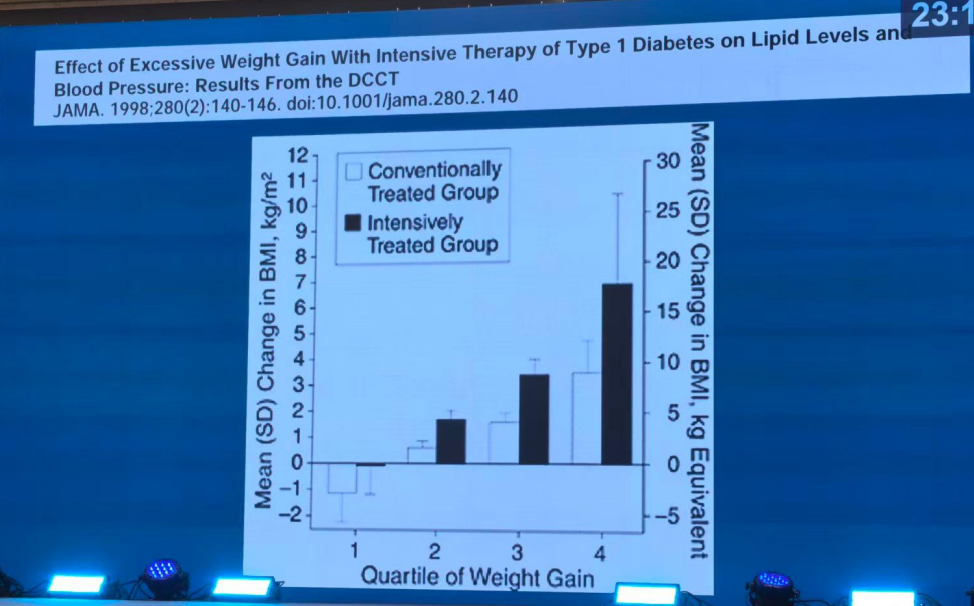 Fig. 5. Greater Weight Gain with Intensive Insulin Therapy in the DCCT
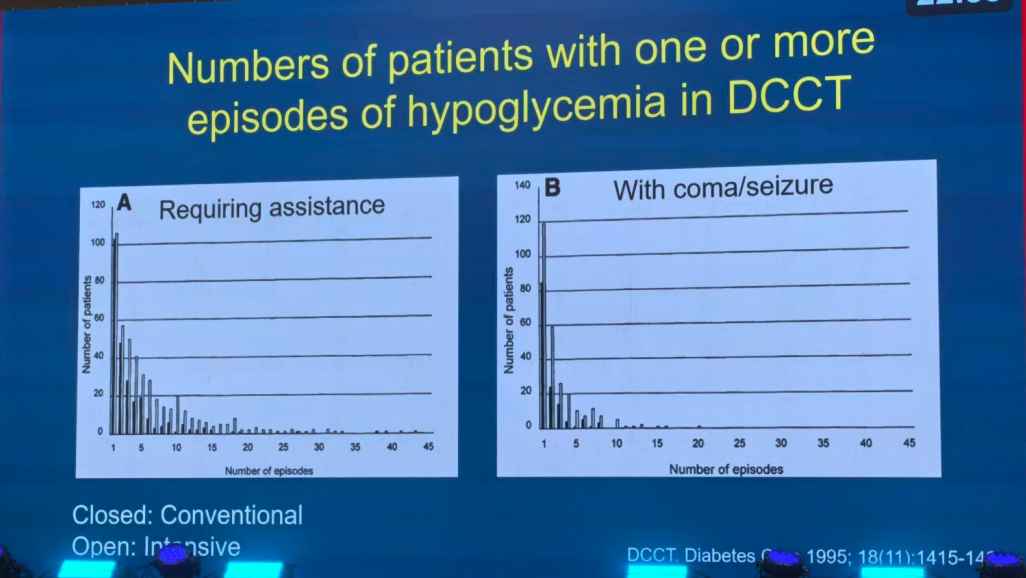 Fig. 6. Hypoglycaemic Episodes in the DCCT
Management Must Be Individualized, and Screening Should Cover Both T1D and T2D Complications
In managing T1D with obesity, clinical care cannot focus on glucose alone. Prof. Liu emphasised that glycaemic management and weight management should be assessed as two relatively separate problems and then combined into a single decision, with screening for all complications associated with both T1D and T2D.
This approach already appears at guideline level. American Diabetes Association (ADA) guidance recommends that adults with T1D and obesity (body mass index [BMI] 30.0 kg/m2 or above, or 27.5 kg/m2 or above for Asian Americans) be managed with the same strategies applied to other adults with obesity, including GLP-1RA-based treatment and metabolic surgery, with emphasis on shared decision-making. Obesity treatment should not be avoided on the grounds that a patient has T1D, and equally, T1D and obesity should not be conflated.
GLP-1RA Combined with AID: From Reluctance to Consensus Recommendation
Guideline recommendations have pointed the direction for practice, but the actual use of GLP-1RAs in T1D has not been straightforward. Early results from the ADJUNCT ONE trial showed that adding liraglutide to insulin lowered glycated haemoglobin (HbA1c), body weight, and insulin dose, but increased symptomatic hypoglycaemia and hyperglycaemia with ketosis, with the event rate for hyperglycaemia with ketosis rising in the 1.8 mg liraglutide group (Fig. 7). More difficult was the fact that GLP-1RAs delay gastric emptying, so insulin and carbohydrate absorption become mismatched, and individual responses vary widely, making precise management difficult with conventional insulin regimens. These concerns at one point restricted the use of GLP-1RAs in T1D.
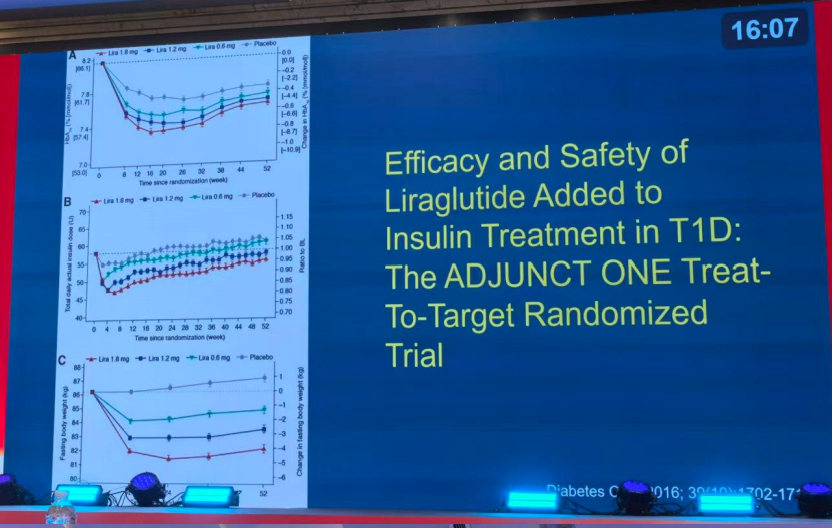 Fig. 7. ADJUNCT ONE: Liraglutide Added to Insulin Therapy in T1D
The arrival of AID closed-loop systems changed the picture. In a study of adults with T1D and obesity who were already using a standard AID system (n=72), the semaglutide group achieved the composite endpoint, defined as time in range (TIR) above 70%, time below range (tTBR) below 4%, and weight loss of 5% or more, in 36% of participants, compared with 0% on placebo, with no reports of diabetic ketoacidosis (DKA) and two severe hypoglycaemic episodes in each group (Fig. 8). At guideline level, the 2025 Diabetes Technology Society (DTS) consensus recommends that GLP-1RAs may be used as adjunctive therapy in people with T1D who use AID. It should be noted that no GLP-1RA has yet been formally approved for weight management in T1D, and clinical use requires full disclosure to patients, along with attention to insurance and shared decision-making.
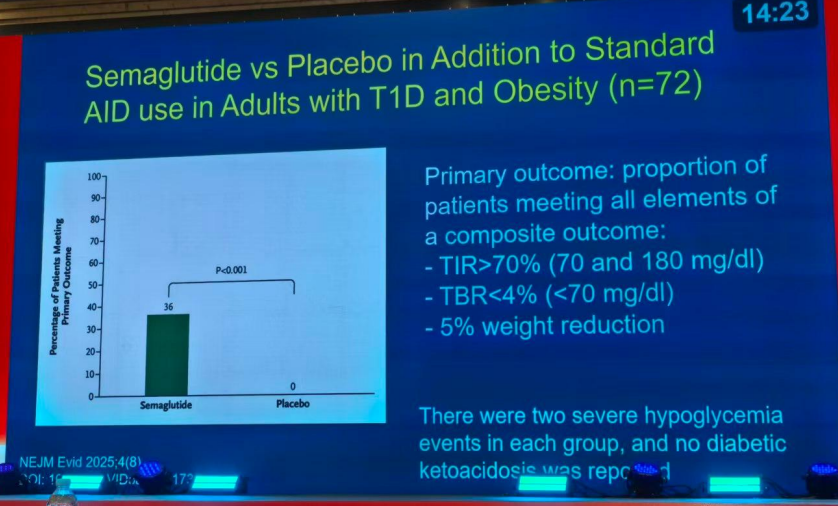 Fig. 8. Semaglutide versus Placebo in Adults with T1D and Obesity Using AID
From physiological mechanisms to clinical outcomes, GLP-1RA use in T1D also receives strong recommendations. It can improve the deficient postprandial suppression of glucagon in T1D, delay gastric emptying, reduce total daily insulin dose, and improve postprandial glucose variability and HbA1c; combined with AID it can also improve continuous glucose monitoring (CGM) metrics. Gastrointestinal (GI) side effects must be discussed in advance, particularly in patients with gastroparesis, and the mechanism of and strategies against rapid tachyphylaxis remain unclear (Fig. 9).
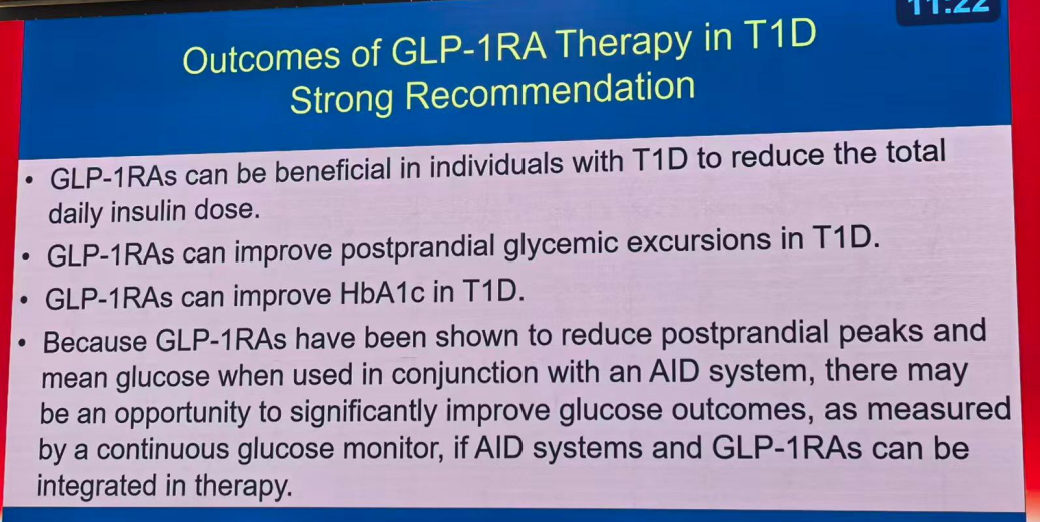 Fig. 9. Outcomes of GLP-1RA Therapy in T1D, Strong Recommendations
Several problems must still be solved before GLP-1RA combined with AID can be applied in practice. First, the GI side effects of GLP-1RAs can overlap with the symptoms of DKA, and people using AID require ketone monitoring, which is standard of care independent of GLP-1RA use; Prof. Liu recommended individualized low starting doses with slow titration. Second, AID systems still require better sensors and algorithms, and better insulins will also be needed in future. For example, rapid-acting insulin analogues combined with GLP-1RAs may help reduce or eliminate pre-meal bolus dosing, but how this matches the kinetics of carbohydrate absorption under delayed gastric emptying still needs further study. Third, as regards which patients may benefit most, the likely beneficiaries are those with overweight or obesity, insulin resistance, high insulin requirements, postprandial hyperglycaemia persisting after AID optimisation, and severe insulin resistance that prevents effective AID use (Fig. 10).
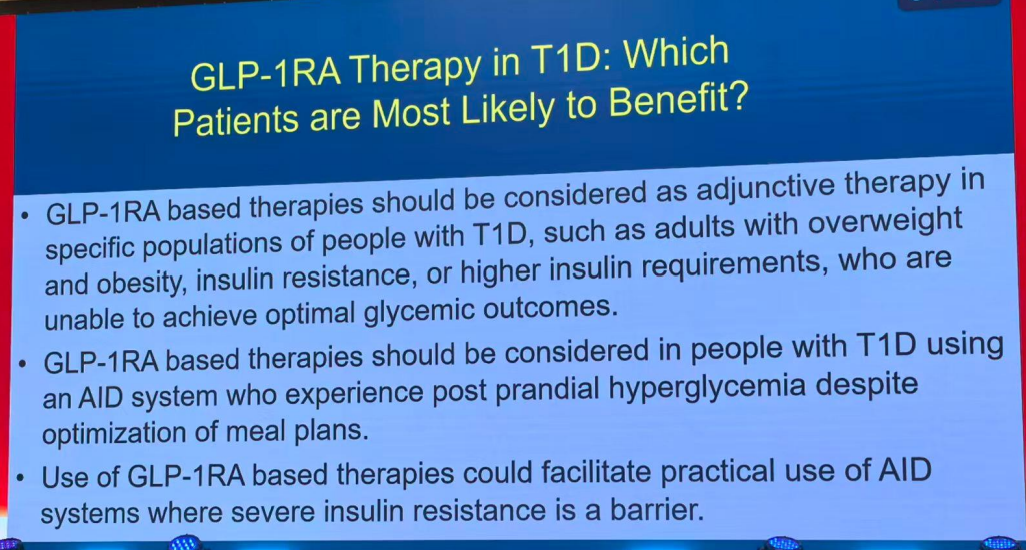 Fig. 10. Gaps in AID Systems and the Patients Most Likely to Benefit from GLP-1RA
Conclusion
Since insulin became available, the weight problem in T1D has shifted from wasting to overweight and obesity, and management strategies have changed accordingly. In his presentation, Prof. Liu systematically reviewed the multiple drivers of obesity in T1D, emphasised that glycaemic and weight management should be assessed separately and combined in decision-making, and identified GLP-1RA combined with AID closed-loop systems as a new effective tool for managing obesity in T1D. Clinical use of GLP-1RAs in T1D still requires attention to GI side effects, ketone monitoring, and individualised titration, and no agent has yet been formally approved for weight management in T1D. As AID closed-loop systems, artificial intelligence algorithms, rapid-acting insulins, and individualised treatment strategies continue to mature, management of obesity in T1D is expected to become more standardised. For pulmonologists, when a patient with T1D also has obesity, OSA, or obesity hypoventilation, working with endocrinology to integrate weight management, glycaemic control, and management of respiratory comorbidity may bring additional benefit.

