


At the ESMO 2026 Congress held October 23-27 in Madrid, Spain, Prof. Shun Lu of Shanghai Chest Hospital, Shanghai Jiao Tong University, reported the final analysis of the phase 3 NEOTORCH study, which evaluated perioperative toripalimab combined with chemotherapy in patients with resectable stage II/III non-small cell lung cancer (NSCLC). The results were presented as abstract LBA64 and published in Annals of Oncology the same day.
Article Key Points
- Final analysis of phase 3 NEOTORCH (LBA64): perioperative toripalimab in resectable stage II/III NSCLC, n=501
- Median follow-up reached 48.2 months at the April 18, 2026 data cutoff
- Investigator-assessed EFS: median not reached vs 20.2 months (HR 0.52, P<0.0001)
- Overall survival: HR 0.66 (95% CI 0.486-0.894, P=0.0072), a 34% reduction in the risk of death
- BIPR-assessed MPR 47.2% vs 9.2%; pCR 25.6% vs 1.2% (both P<0.0001)
- PD-L1 1-49% and ≥50% subgroups showed statistically significant EFS improvement; <1% a trend
- Novel “3+1+13” perioperative model: 3 neoadjuvant, 1 adjuvant, and up to 13 maintenance cycles
- Interim analysis published in JAMA 2024; final analysis published in Annals of Oncology
- Safety consistent with the interim analysis; no new safety signals identified
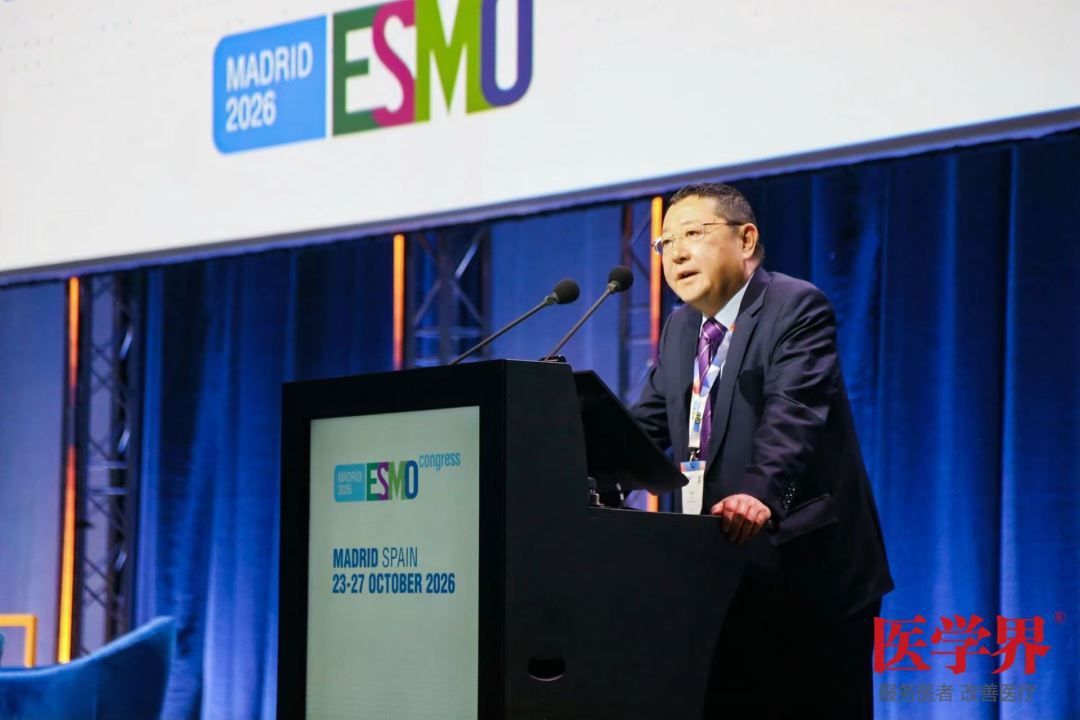 Fig.1. Prof. Shun Lu Presenting the Final Analysis of the NEOTORCH Study at the ESMO 2026 Congress
Background: Perioperative Immunotherapy and the NEOTORCH Model
Treatment decisions in stage II/III NSCLC are influenced by clinical stage, lymph node involvement, and surgical feasibility. Although surgical resection remains a key treatment modality for resectable NSCLC, a substantial proportion of patients still face recurrence and distant metastasis after surgery, leaving room for improvement in long-term outcomes.
The NEOTORCH study pioneered a “3+1+13” perioperative treatment model: three cycles of preoperative immunochemotherapy, one cycle of postoperative adjuvant immunochemotherapy, followed by 13 cycles of immunotherapy maintenance. Its interim analysis was published in JAMA in January 2024, making NEOTORCH the first phase 3 study worldwide in which an anti-PD-1 antibody achieved a positive event-free survival (EFS) result in the perioperative (neoadjuvant plus adjuvant) setting for NSCLC.
Study Design: The “3+1+13” Perioperative Model
NEOTORCH was a randomized, double-blind, placebo-controlled phase 3 trial. It enrolled adults with histologically confirmed resectable stage II/III NSCLC, excluding patients with nonsquamous NSCLC harboring EGFR or ALK alterations. Patients were randomized 1:1 to receive toripalimab 240 mg or placebo plus platinum-based chemotherapy every 3 weeks for 3 preoperative cycles and 1 postoperative cycle, followed by toripalimab or placebo monotherapy for up to 13 additional cycles.
The primary endpoints were investigator-assessed EFS (INV-EFS) and major pathological response (MPR) rate assessed by blinded independent pathological review (BIPR). Secondary endpoints included overall survival (OS), pathological complete response (pCR) rate, and safety.
Efficacy: Both EFS and OS Significantly Improved
A total of 501 patients were enrolled, including 404 with stage III disease and 97 with stage II disease; 250 patients were assigned to the toripalimab arm and 251 to the placebo arm. At the data cutoff of April 18, 2026, the median follow-up had reached 48.2 months. Baseline characteristics were balanced between arms.
Compared with placebo, toripalimab significantly improved investigator-assessed EFS, with a median EFS of not reached versus 20.2 months, corresponding to a 48% reduction in the risk of progression, recurrence, or death (HR 0.52; 95% CI 0.391-0.677; P<0.0001).
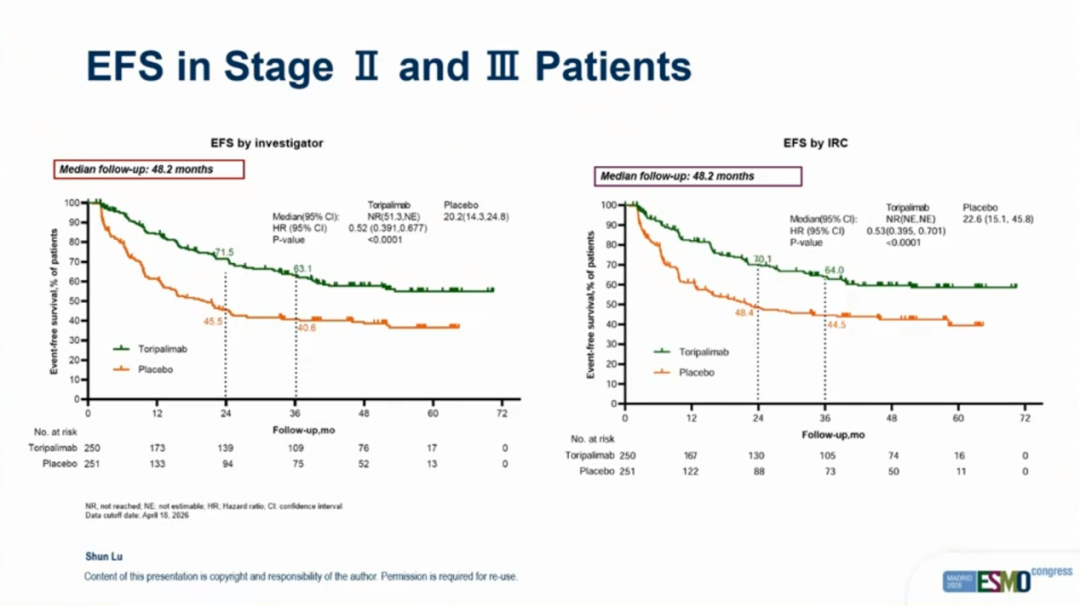 Fig.2. Event-free Survival in the NEOTORCH Final Analysis
Subgroup analyses showed EFS benefit trends across age, sex, ECOG performance status, and PD-L1 expression levels. The EFS improvement was statistically significant in the PD-L1 1-49% and PD-L1 ≥50% subgroups, while patients with PD-L1 <1% showed a trend toward benefit.
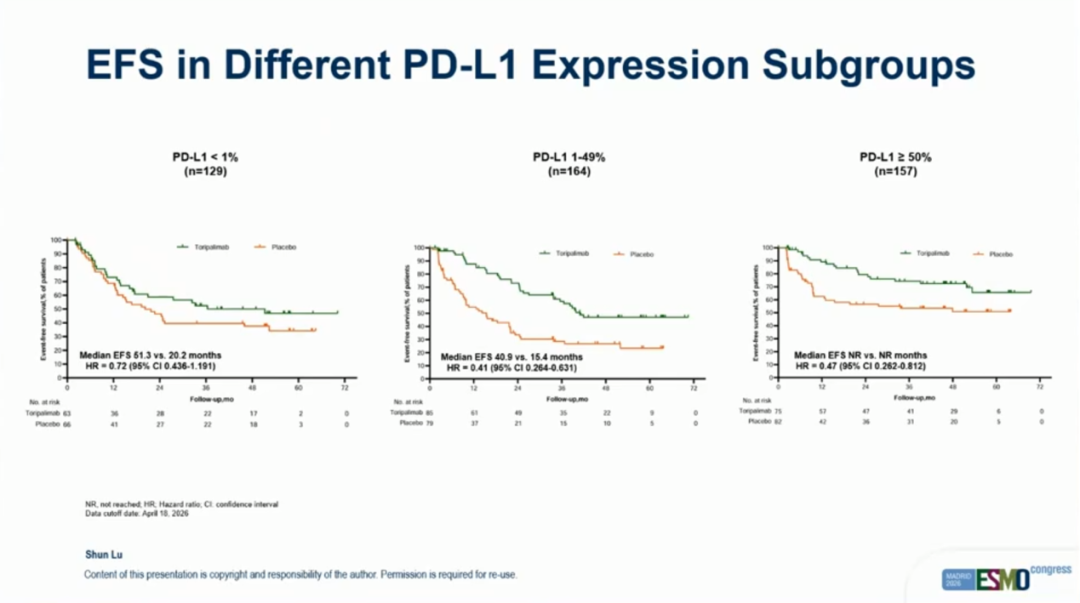 Fig.3. EFS by PD-L1 Expression Subgroup in the NEOTORCH Final Analysis
By BIPR assessment, the toripalimab arm achieved significantly higher MPR (47.2% vs 9.2%, P<0.0001) and pCR (25.6% vs 1.2%, P<0.0001) rates than the placebo arm, indicating deep pathological responses in this perioperative stage II/III NSCLC population.
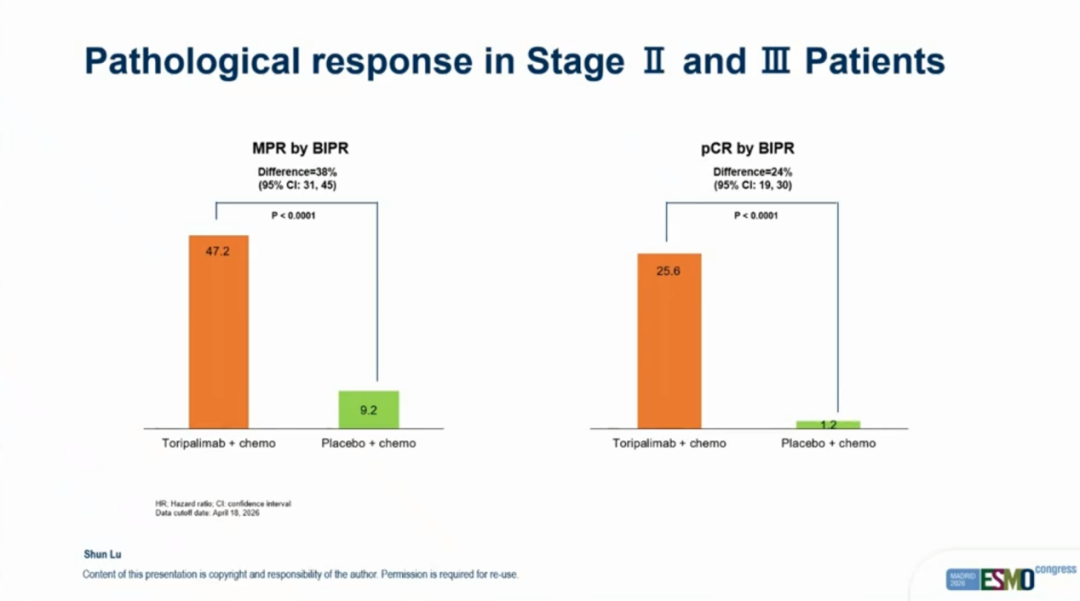 Fig.4. MPR and pCR Rates Assessed by BIPR in the NEOTORCH Final Analysis
Overall survival also significantly favored toripalimab. In the final analysis, toripalimab reduced the risk of death by 34% compared with placebo (HR 0.66; 95% CI 0.486-0.894; P=0.0072).
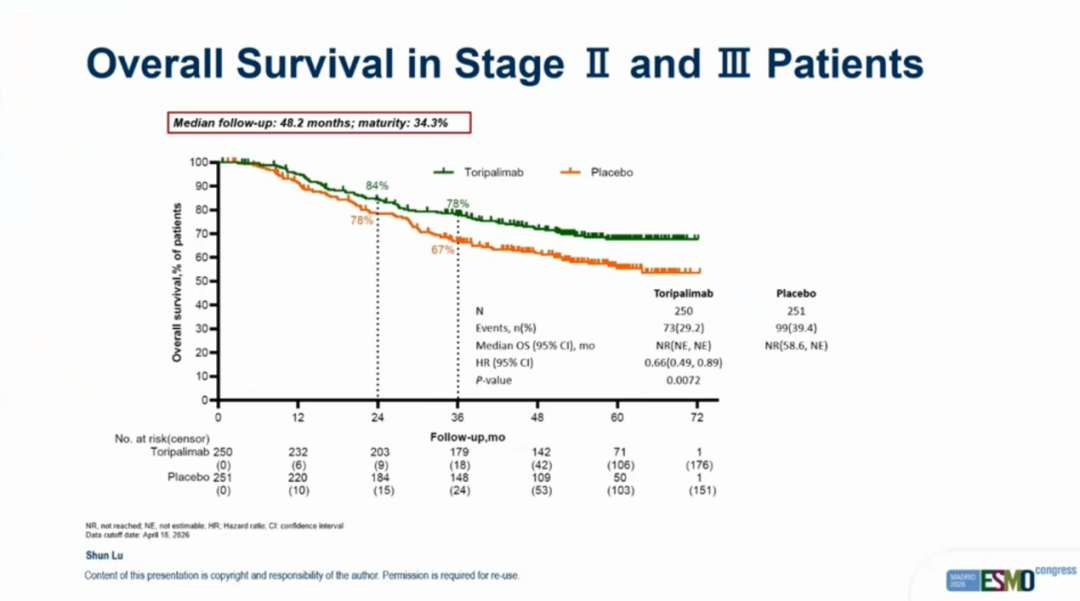 Fig.5. Overall Survival in the NEOTORCH Final Analysis
Taken together, with longer follow-up, the NEOTORCH final analysis further demonstrated that perioperative toripalimab not only significantly improved EFS but also translated into an OS benefit that was statistically and clinically significant, providing evidence support for long-term survival in patients with resectable stage II/III NSCLC.
Safety: No New Safety Signals
The safety profile of toripalimab was consistent with the interim analysis, and no new safety signals were identified.
Summary
For patients with resectable stage II/III NSCLC, postoperative recurrence and distant metastasis remain major challenges to long-term outcomes. The NEOTORCH study has progressively built the evidence base for perioperative toripalimab plus chemotherapy, from pathological response and EFS benefit to the OS benefit confirmed in this final analysis. The “3+1+13” perioperative model also provides an important exploration of how neoadjuvant and adjuvant treatment can be integrated. How to precisely identify patients most likely to benefit and further optimize treatment strategies remains a key direction of clinical research in resectable NSCLC.
Reference
[1]Non‑small Cell Lung Cancer Perioperative Immunotherapy Standardized Treatment Expert Consensus Group. Expert consensus on standardized clinical management of perioperative immunotherapy for non‑small cell lung cancer. Zhongguo Zhongliu Linchuang. 2024;51(9):433-446.
[2] Lu S, Zhang W, Wu L, Wang W, Zhang P, Neotorch Investigators. Perioperative toripalimab plus chemotherapy for patients with resectable non‑small cell lung cancer: the Neotorch randomized clinical trial. JAMA. 2024;331(3):201-211. doi:10.1001/jama.2023.24735

