


At the 6th International Congress of the Asian Oncology Society (AOS 2026), held in conjunction with the 64th Annual Meeting of the Japan Society of Clinical Oncology (JSCO) in Kobe, Japan, Prof. Jenny Seligmann of the University of Leeds presented and interpreted the 2026 ESMO Clinical Practice Guideline on metastatic colorectal cancer. The following summarises the core points of her presentation.
Expert Profile: Prof. Jenny Seligmann

• Professor of Gastrointestinal Oncology, University of Leeds
• Consultant Medical Oncologist, Leeds Teaching Hospitals NHS Trust; Deputy Director of Quality, NHS England
• Medical and medical sciences degrees from the University of Aberdeen in 2005; PhD from the University of Leeds in 2015
• Formerly Clinical Trial Fellow at Cancer Research UK; in clinical and academic medical oncology at Leeds since 2017
• Main research interests are colorectal cancer clinical trials, translational research and predictive biomarkers of treatment response
• Principal investigator of the international FOxTROT platform and the ARIEL-ENGIC trial; co-leads the CRC-STARS translational research programme in colorectal cancer
• Member of the European Society for Medical Oncology (ESMO) Faculty and of its Communication Committee for Lower Gastrointestinal Tumours
Article Key Points
• Molecular testing at diagnosis, with results within 14 days, now drives first-line selection in mCRC
• BREAKWATER gave first-line randomised evidence for encorafenib, cetuximab and mFOLFOX6 in BRAF V600E disease
• CheckMate 8HW improved PFS with dual immunotherapy versus nivolumab alone, with more grade 3-4 toxicity
• SUNLIGHT prioritised FTD/TPI plus bevacizumab in refractory disease, with median OS of 10.8 versus 7.5 months
• Cross-trial comparisons, including KEYNOTE-177 against CheckMate 8HW, are not head-to-head evidence
Why First-Line Decisions Must Start with Molecular Testing
Prof. Seligmann returned repeatedly to a practical reality in her talk: not every patient with metastatic colorectal cancer (mCRC) goes on to receive second-line, third-line or later-line treatment. If the regimen most likely to deliver tumour shrinkage or the chance of conversion to resectability is postponed out of routine, some patients may never reach the point at which they can receive it. Moving effective treatment earlier, however, is not the same as intensifying treatment for everyone; its premise is that molecular subgroups with genuine evidence of benefit are identified as early as possible.
The updated guideline recommends molecular testing of the primary tumour or a metastatic lesion at the time mCRC is diagnosed, with the aim of obtaining results within 14 days. Microsatellite instability (MSI)/DNA mismatch repair (MMR) status, extended RAS mutation status and BRAF V600E status directly affect first-line treatment selection. Circulating tumour DNA (ctDNA) testing may be considered when results are needed urgently, or when a tissue biopsy is not feasible or appropriate, but this does not mean that liquid biopsy has replaced tissue testing in all settings. For patients with RAS/BRAF wild-type disease, a left-sided primary tumour and fitness for intensified treatment, doublet chemotherapy plus an anti-epidermal growth factor receptor (EGFR) antibody is one of the preferred pathways in the guideline. For other patients, decisions should be stratified according to molecular background, the possibility of conversion to resectability and performance status (Fig. 1).
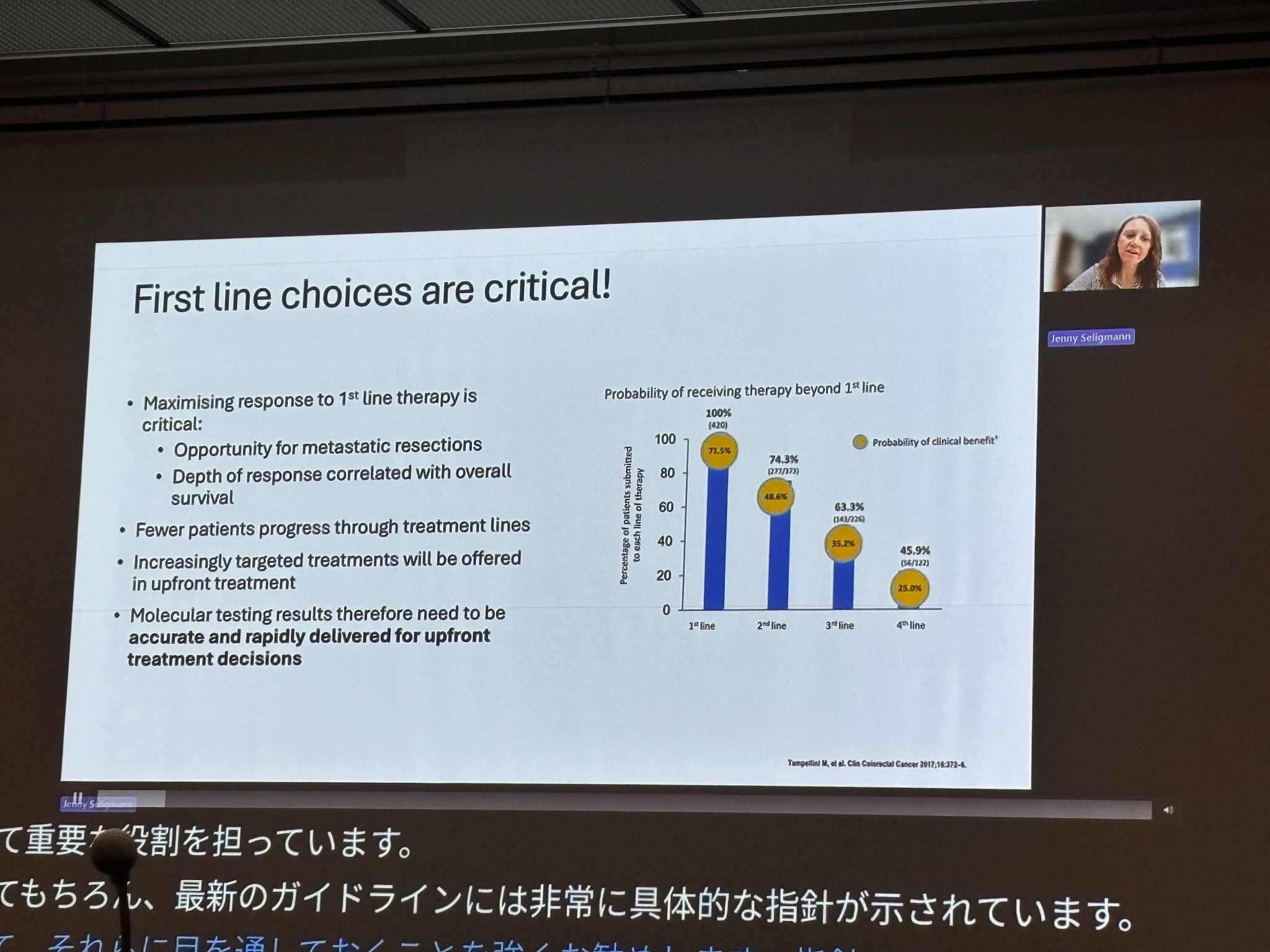 Fig. 1. First-Line Decisions Emphasise Maximising the Chance of Response and Obtaining Molecular Test Results as Early as Possible
Key Study Designs and Results: Which Evidence Really Changed Treatment Sequencing
BRAF V600E: BREAKWATER Moves Targeted Combination Chemotherapy to First-Line Treatment
For BRAF V600E-mutant mCRC, which carries a relatively poor prognosis, the presentation traced the evolution of evidence from BEACON to BREAKWATER. BEACON established the position of encorafenib plus cetuximab (EC) in previously treated patients; BREAKWATER moved the combination of EC with chemotherapy into the first line.
In the first-line randomised comparison in BREAKWATER, patients with BRAF V600E-mutant mCRC received encorafenib plus cetuximab plus mFOLFOX6 (EC plus mFOLFOX6). Median progression-free survival (PFS) was 12.8 months, compared with 7.1 months in the standard treatment group (HR 0.53, 95% CI 0.41-0.68); median overall survival (OS) was 30.3 months versus 15.1 months (HR 0.49, 95% CI 0.38-0.63). These data provide direct randomised evidence for placing targeted combination therapy in the first line, but they cannot be extrapolated to BRAF wild-type disease or to other mCRC populations.
Prof. Seligmann also showed a second randomised comparison from cohort 3 of BREAKWATER: 147 patients with BRAF V600E mutations who had not previously received systemic treatment for metastatic disease were allocated to EC plus fluorouracil, leucovorin and irinotecan (FOLFIRI, n=73) or FOLFIRI with or without bevacizumab (n=74). At the data cut-off of March 1, 2025, the objective response rate (ORR) by independent central review was 64.4% versus 39.2%, with an odds ratio of 2.756 (95% CI 1.420-5.348; one-sided P=0.0011), meeting the primary endpoint. A subsequent updated analysis on January 6, 2026 showed median PFS of 15.2 months versus 8.3 months (HR 0.44, 95% CI 0.27-0.70). It must be noted that the FOLFIRI and mFOLFOX6 backbones came from different randomised comparisons, so these numbers cannot be used to make direct judgements about superiority (Fig. 2).
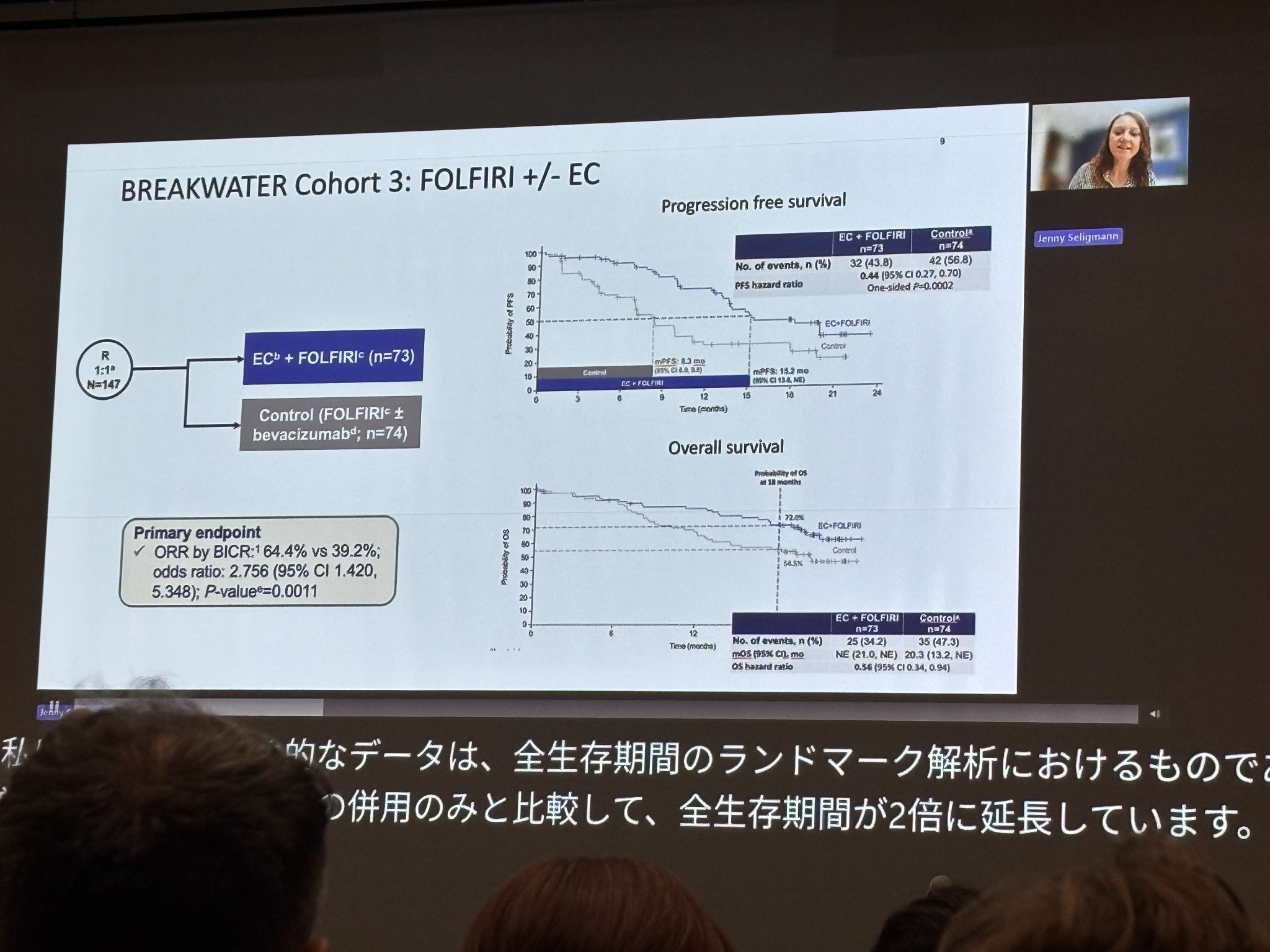 Fig. 2. BREAKWATER Compares the Trial Designs and Outcomes of the Targeted Doublet Combined with Different Chemotherapy Backbones
MSI-H/dMMR: Efficacy and Toxicity of CheckMate 8HW
First-line immunotherapy for the MSI-H/dMMR population is another important line of change. KEYNOTE-177 supports the use of pembrolizumab in the first line, while CheckMate 8HW provides two randomised comparisons: nivolumab plus ipilimumab (Nivo-Ipi) versus chemotherapy, and nivolumab plus ipilimumab versus nivolumab alone. Prof. Seligmann cautioned that these studies differ in line of therapy, analysis population and comparator, and that survival curves from different trials should not be treated as a “head-to-head” comparison.
In the CheckMate 8HW comparison of dual immunotherapy versus nivolumab alone, 707 patients were randomised to the dual immunotherapy group (n=354) or the single-agent group (n=353); the primary efficacy analysis was conducted in the population with centrally confirmed MSI-H/dMMR status. The prespecified analysis reported in 2025 showed improved PFS with the combination (HR 0.62, 95% CI 0.48-0.81; P=0.0003), with median PFS not reached in the dual immunotherapy group and 39.3 months in the single-agent group. This was a comparison across treatment lines and cannot be interpreted directly as “all treatment-naive patients should receive dual immunotherapy first” (Fig. 3).
Beyond benefit, the treatment burden has to be considered: grade 3-4 treatment-related adverse events occurred in 22% of the dual immunotherapy group and 14% of the nivolumab monotherapy group. Identifying patients who may do well on single-agent therapy, avoiding early progression and choosing treatment after immunotherapy failure therefore remain unresolved questions raised by the speaker. Better efficacy with dual immunotherapy does not mean that it is appropriate for every patient with MSI-H/dMMR disease (Fig. 4).
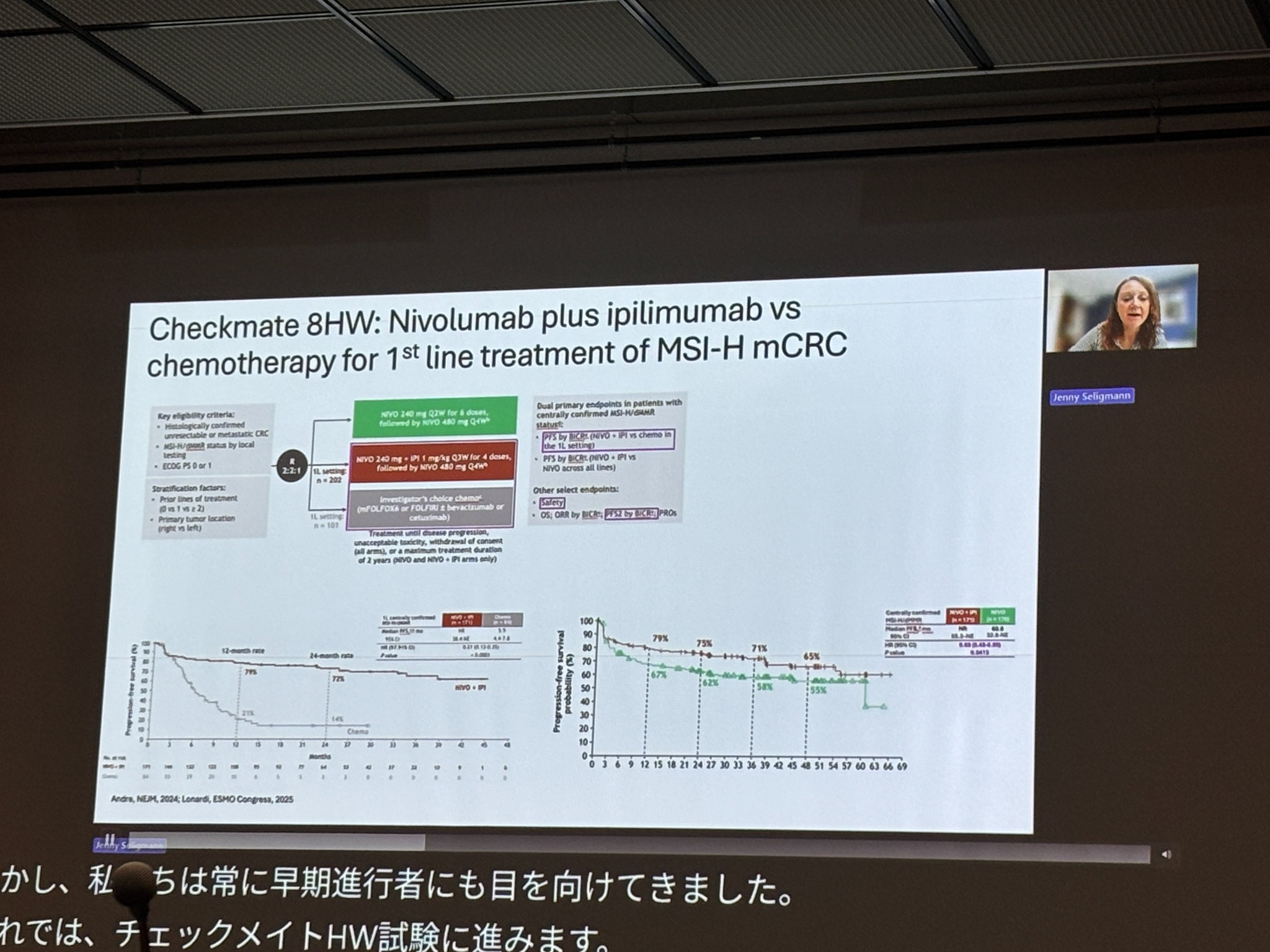 Fig. 3. Cross-Trial Presentation of CheckMate 8HW and KEYNOTE-177; Different Trials Cannot Be Compared Directly as Randomised Comparisons
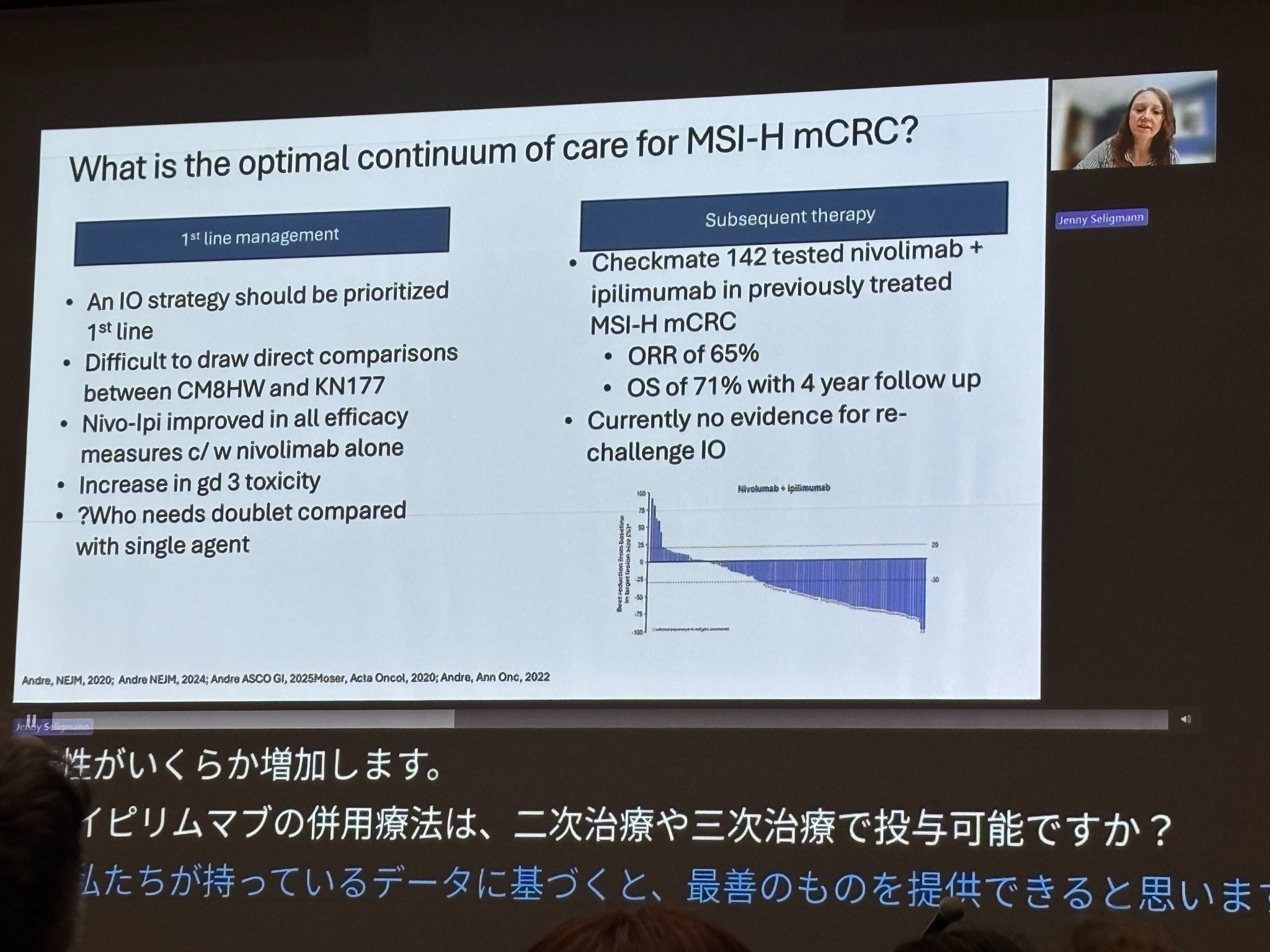 Fig. 4. Unresolved Questions on First-Line and Subsequent Immunotherapy in MSI-H Metastatic Colorectal Cancer Summarised by the Expert
Molecularly Unselected Patients: Chemotherapy Intensity and Maintenance Strategies Each Apply
For patients in whom no molecular finding identifies a specific targeted option for first-line treatment, Prof. Seligmann discussed where mFOLFOXIRI plus bevacizumab fits. A pooled analysis of five previous randomised trials suggested gains in response rate, PFS and OS with triplet chemotherapy, but also increased myelosuppression and gastrointestinal toxicity. It is more likely to suit patients with good performance status, higher tumour burden or a clear indication for downsizing, rather than a blanket intensification of chemotherapy for all patients.
At the maintenance stage, particularly where prolonged oxaliplatin administration is limited by neurotoxicity, the guideline selects maintenance strategies such as a fluoropyrimidine with bevacizumab or with an anti-EGFR agent according to the induction backbone. In selected patients with good response who have had a full discussion, treatment intervals may be considered cautiously, but greater caution is needed in those with a high tumour burden. Second-line treatment generally involves a rational switch from the previous oxaliplatin- or irinotecan-containing regimen, while distinguishing a change of agent after genuine progression from reintroduction after a treatment break (Fig. 5).
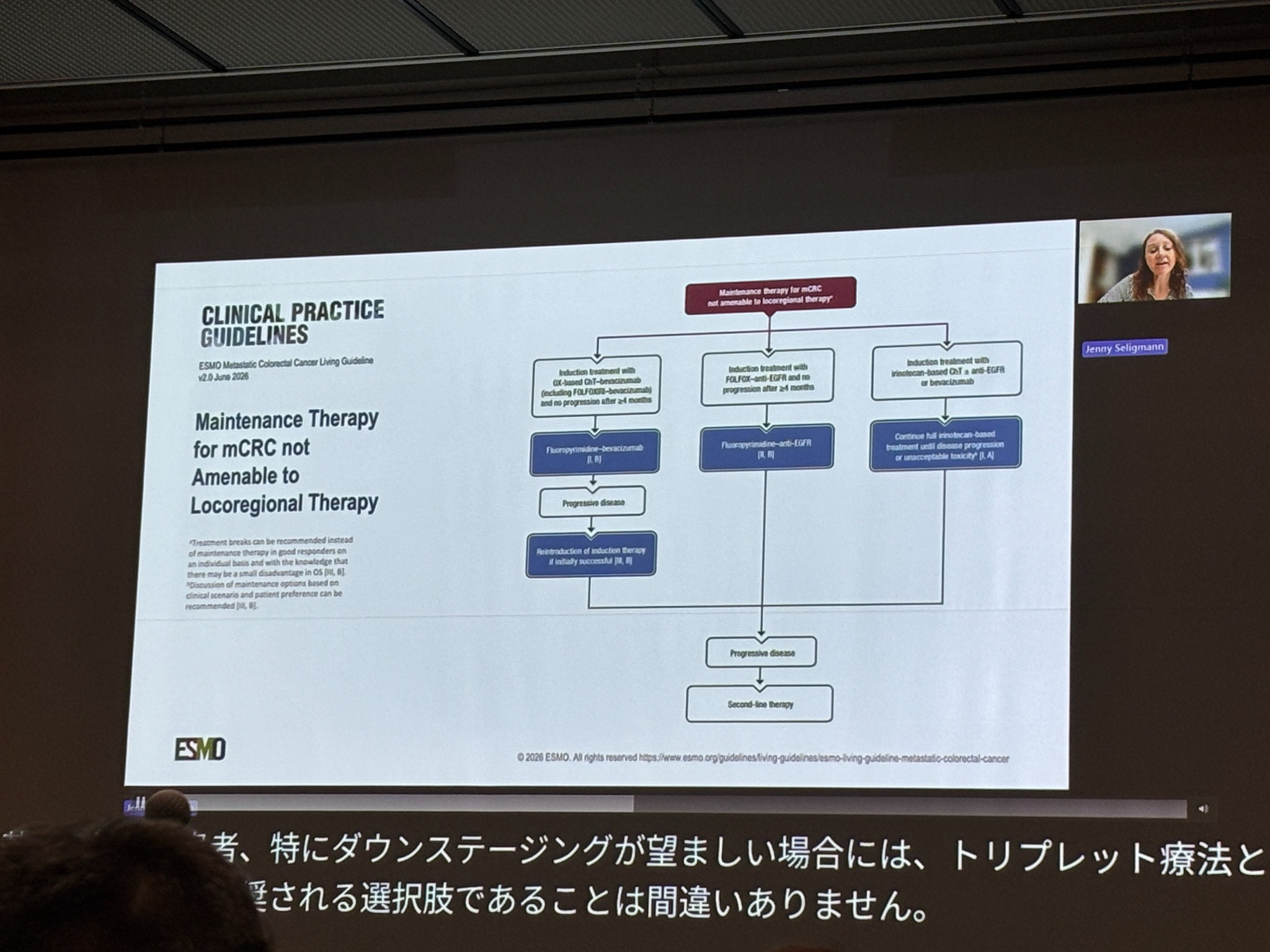 Fig. 5. Layered Pathways for Maintenance and Subsequent Treatment in Metastatic Colorectal Cancer in the 2026 ESMO Living Guideline
Refractory Metastatic Colorectal Cancer: SUNLIGHT Reshuffles the Evidence Priority in Later Lines
The change in later-line therapy is not simply an increase in the number of available agents; it means that the question of which regimen to use first is increasingly driven by randomised survival evidence. The phase 3 SUNLIGHT trial showed, in previously treated refractory mCRC, median OS of 10.8 months for trifluridine/tipiracil (FTD/TPI) plus bevacizumab versus 7.5 months for FTD/TPI alone (HR 0.61, 95% CI 0.49-0.77); median PFS was 5.6 months versus 2.4 months (HR 0.44, 95% CI 0.36-0.54). Prof. Seligmann used this to explain why the guideline emphasises the priority of this combination in later lines, while noting that regorafenib, fruquintinib and other subsequent choices still need to be considered in light of prior treatment, access and adverse events.
Rare Molecular Subgroups: Precision Treatment Opportunities in HER2 and KRAS G12C
MOUNTAINEER explored tucatinib plus trastuzumab in HER2-positive refractory mCRC; DESTINY-CRC02 evaluated trastuzumab deruxtecan (T-DXd) and drew attention to the risk of interstitial lung disease (Fig. 6); and CodeBreaK 300 assessed sotorasib plus panitumumab in previously treated KRAS G12C-mutant mCRC. Such studies are of real importance for defined patient groups, but the populations, study phases and comparator regimens are not identical, so single-arm response rates cannot be ranked alongside randomised survival endpoints.
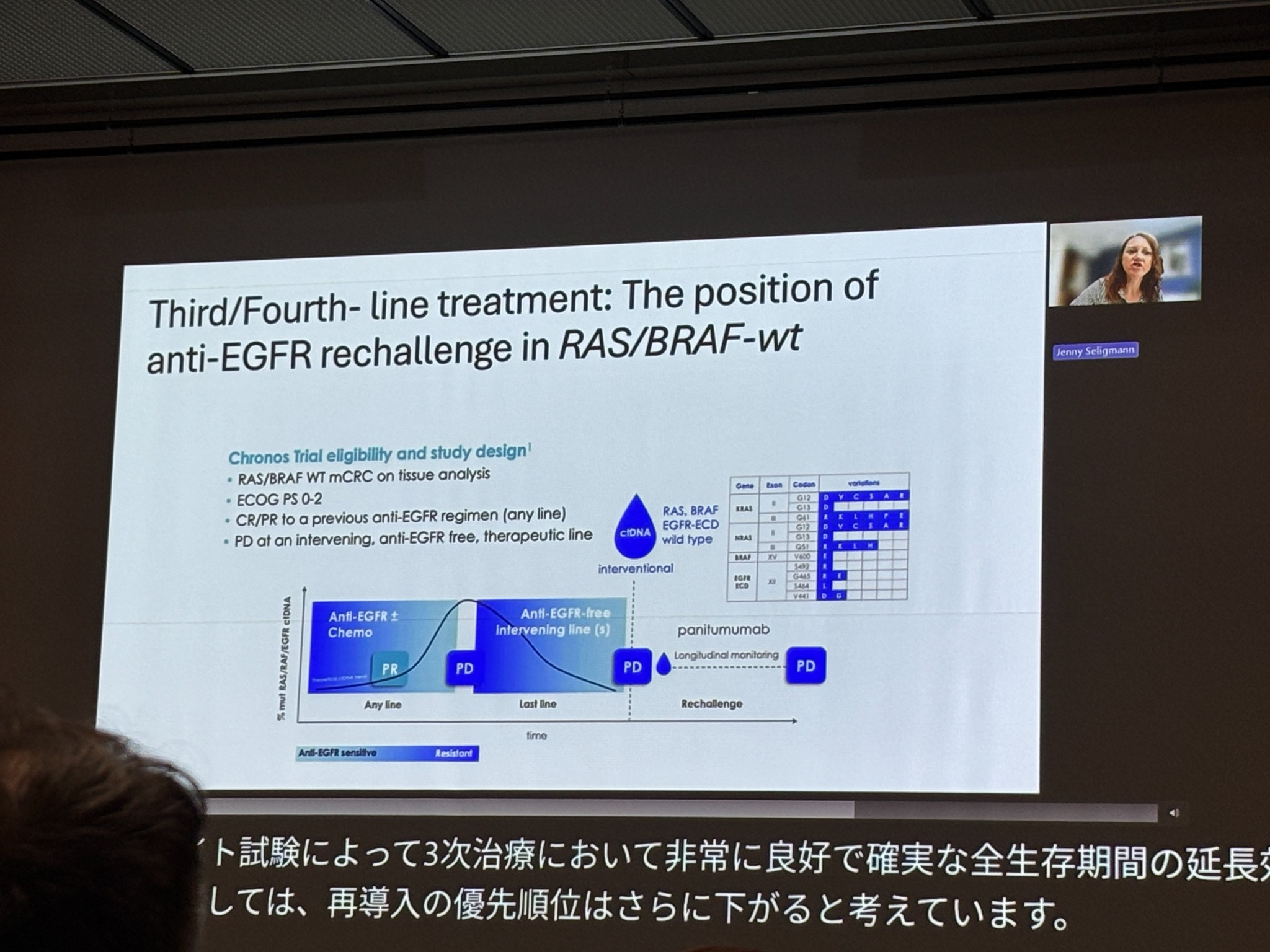 Fig. 6. Guideline Recommendations for Later-Line Treatment of Refractory Metastatic Colorectal Cancer and Their Levels of Evidence
Expert Interpretation: Treatment Sequence Should Follow Benefit Evidence, Not Inertia
Across Prof. Seligmann’s argument as a whole, the point of the guideline update is not only that there are more new regimens, but that the basis for judging treatment sequence is changing: baseline molecular subtype determines who is eligible for a given class of regimen; survival benefit in randomised trials determines the weight a regimen carries in the treatment pathway; and the patient’s treatment goal, performance status and adverse event risk determine how that evidence is applied to the individual. Reading a guideline off the response rate of a single trial, while ignoring the whole treatment journey, is a common way to misread it (see Fig. 7).
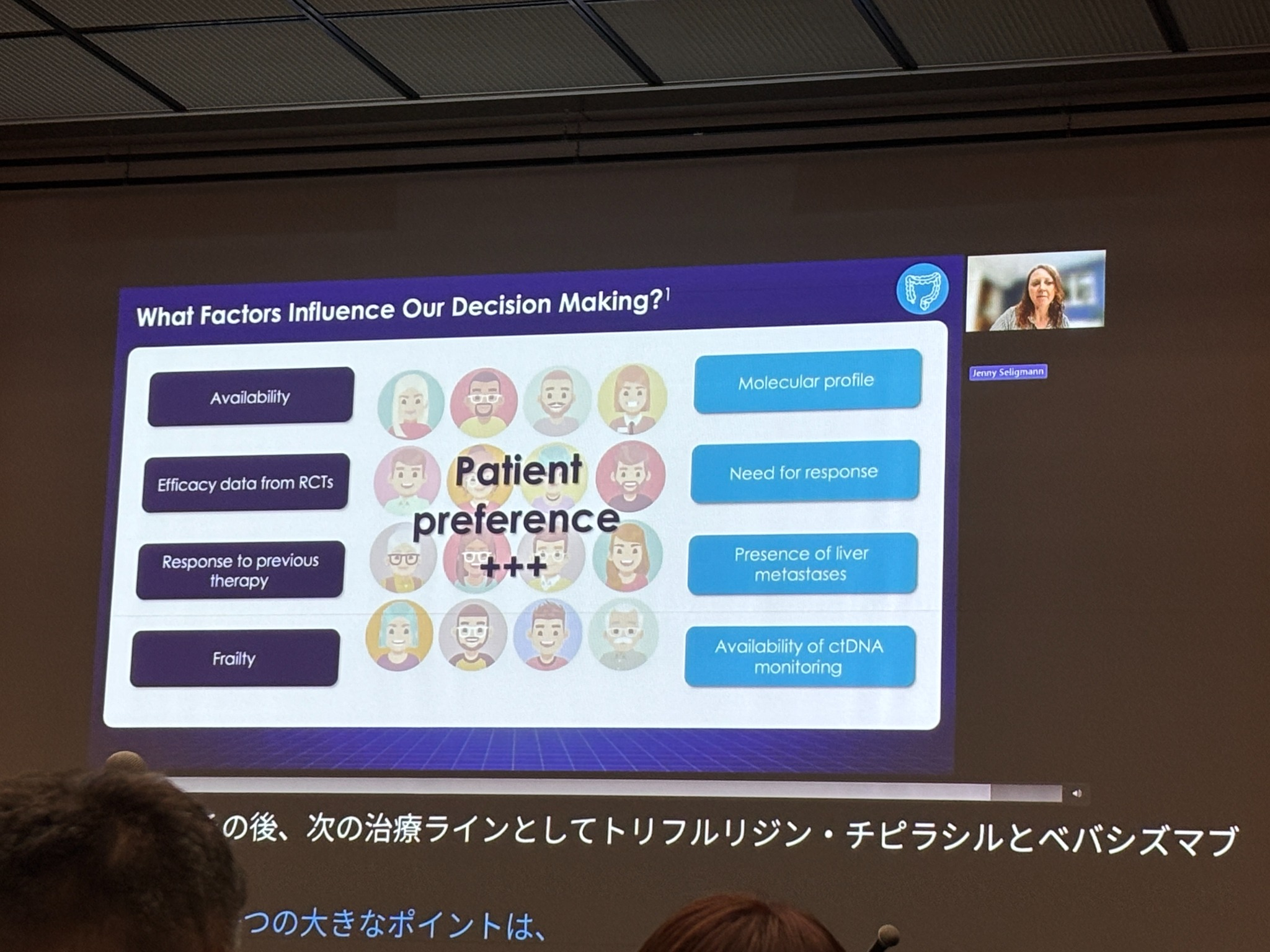 Fig. 7. Trial Data and Safety Considerations for HER2-Directed Therapy
Studies such as CHRONOS suggest that some patients who benefited from previous anti-EGFR therapy, after a period without anti-EGFR treatment and with no relevant resistance variants detected on ctDNA screening, may respond to anti-EGFR therapy again. Detection rules, treatment regimens and sample sizes differ markedly between studies, however, and a single-arm ORR cannot substitute for OS evidence against standard care. ctDNA screening therefore supports more precise candidate selection but does not guarantee that rechallenge will translate into a survival benefit (see Fig. 8).
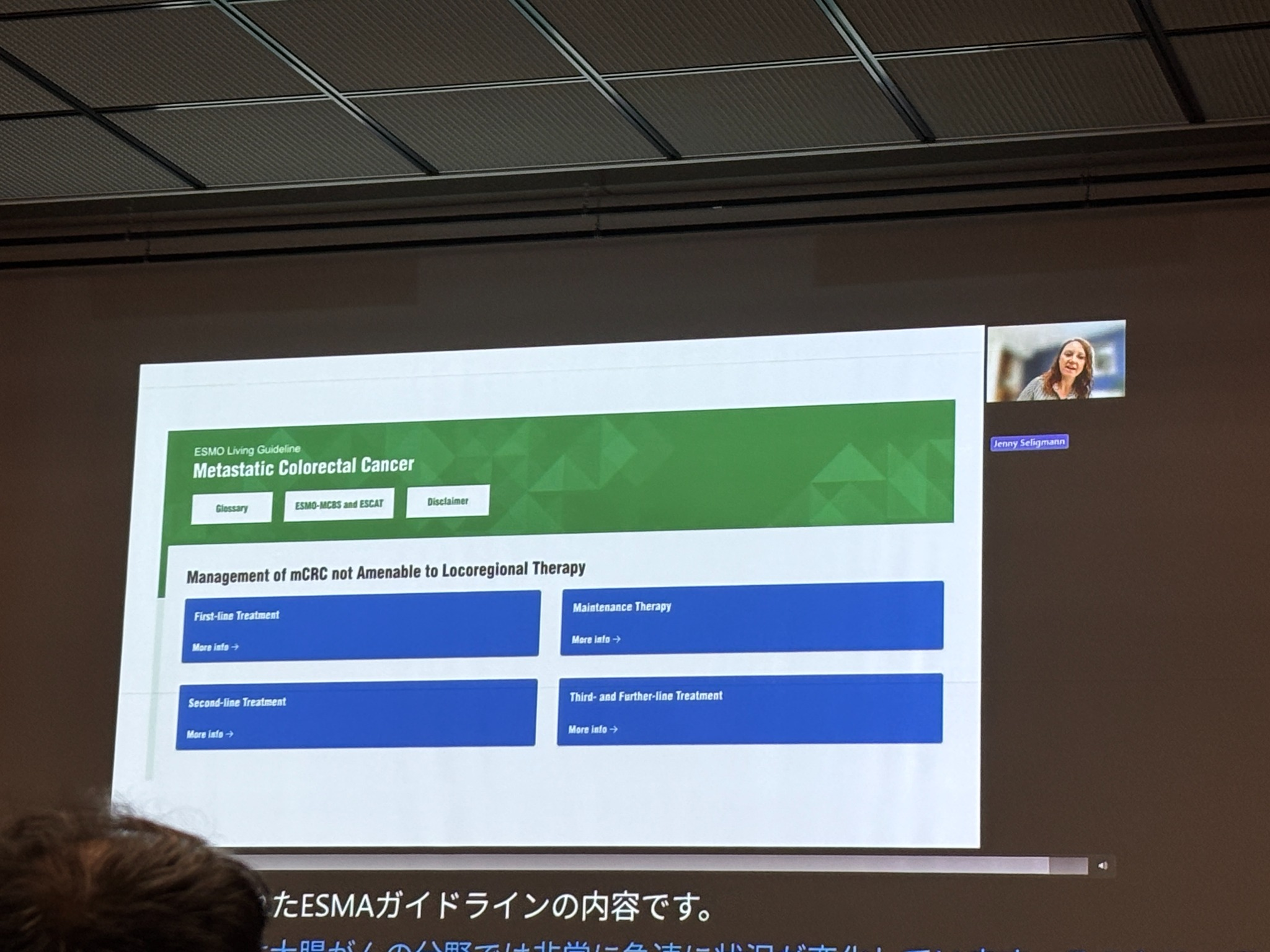 Fig. 8. CodeBreaK 300 Presents Evidence for Later-Line Targeted Therapy in KRAS G12C-Mutant Colorectal Cancer
On dual immunotherapy, Prof. Seligmann particularly cautioned against comparing the numbers from KEYNOTE-177 and CheckMate 8HW directly; the populations, randomised comparisons and endpoint analyses of the two studies are not identical. The same applies to anti-EGFR rechallenge, where objective responses in a small number of patients should not be equated with prolonged overall survival.
Conclusion: A Patient-Centred Approach and Guidelines as a Dynamic Decision Pathway
The 2026 ESMO guideline maps out a pathway that places greater emphasis on molecular stratification and the priority of evidence. At the close of her talk, Prof. Seligmann noted that response to previous therapy, resectability of lesions, access to treatment, quality of life and personal preference have to be considered alongside the results of clinical trials. What the guideline offers is a decision framework that is updated continuously, not a fixed prescription detached from the details of an individual case.

