


Fourteen studies on mazdutide were presented at the 28th Annual Conference of the Diabetes Branch of the Chinese Medical Association (CDS 2026), alongside two thematic reports on the drug’s weight-loss and glycemic evidence in Chinese adults with obesity and type 2 diabetes (T2D). Mazdutide is a glucagon (GCG)/glucagon-like peptide-1 (GLP-1) dual receptor agonist developed by Innovent Biologics, which describes it as the world’s first dual receptor agonist of its kind. Prof. Chen Xiaoping of the China-Japan Friendship Hospital presented the Phase 3 weight-loss and liver fat data, and Prof. Li Yanbing of the First Affiliated Hospital of Sun Yat-sen University presented the glycemic data. The 14 new datasets comprise 3 oral presentations, 8 posters and 3 written communications, covering mechanistic analysis, benefit in defined subgroups and refined efficacy assessment. All 14 are conference data and have not been peer-reviewed in full.
Article Key Points
- 14 mazdutide datasets presented at CDS 2026: 3 oral, 8 posters, 3 written communications
- GLORY Phase 3: weight loss of up to 20% and waist circumference reduced by 14 cm
- Mazdutide 6 mg lowered liver fat by 80.2% over 48 weeks at baseline liver fat of at least 10%
- DREAMS-3: dual HbA1c and weight target attainment more than double that with semaglutide
- New congress datasets are conference data and have not been peer-reviewed in full
Obesity With Fatty Liver: Phase 3 Weight-Loss Evidence in Chinese Populations
Opening his report, “Mechanism Breakthrough, Potent Weight Loss: Mazdutide for Weight Management and Metabolic Therapy in Chinese Populations”, Prof. Chen Xiaoping of the China-Japan Friendship Hospital set out three limitations he identified in current obesity management in China. First, disease phenotype: overweight and obesity in China are characterized mainly by abdominal obesity [1-2], and at the same body mass index (BMI) Chinese adults have significantly higher risk of metabolic comorbidities [3-5], with a prevalence of fatty liver comorbidity exceeding 80% [6]. Second, treatment: the receptors targeted by existing mainstream weight-loss drugs are scarcely expressed in the liver, and their improvement in liver fat is generally less than 50% [6-7]. Third, evidence fit: most weight-loss drugs derive their core data from European and US populations, which he said cannot readily guide treatment in Chinese adults with abdominal obesity [9-12].
Mazdutide acts on two complementary pathways. GLP-1 receptor activation suppresses appetite, delays gastric emptying and reduces energy intake [13-17]. The GCG receptor is highly expressed in the liver, and its activation directly modulates hepatic fat metabolism, promoting fatty acid beta-oxidation and fat breakdown while reducing the expression of proteins involved in lipid synthesis [18-19]. Mechanistic and preclinical studies suggest that the two actions are complementary, increasing energy expenditure while reducing intake [20-22]; clinical evidence for the combined effect comes from the trials described below.
Phase 3 studies conducted in Chinese adults with overweight or obesity provide the clinical evidence for this dual approach. In the GLORY series, mazdutide produced weight loss of up to 20% and a 14 cm reduction in waist circumference [23-24]. In patients with baseline liver fat content of at least 10%, mazdutide 6 mg reduced liver fat by 80.2% over 48 weeks [23-24]. Improvements were also observed across blood pressure, blood lipids, serum uric acid and liver enzymes. Adverse events were mainly mild-to-moderate gastrointestinal reactions, with a low rate of discontinuation due to adverse events and overall good tolerability.
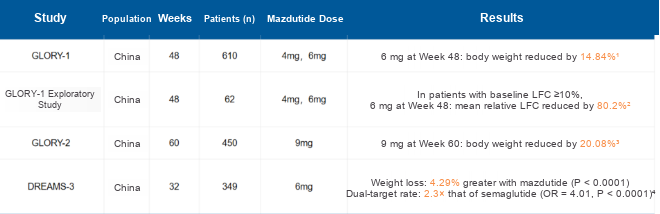 Fig. 1. Key Phase 3 Studies Validating the Weight-Loss Efficacy of Mazdutide
Based on this body of evidence, mazdutide has been recommended in several Chinese guidelines and consensus documents on long-term weight management and the clinical application of weight-loss drugs in patients with obesity [25-28].
Type 2 Diabetes: Targeting Hepatic Glucose and Lipid Metabolism
In his report, “Chinese Data, Chinese Solutions: From Evidence to Practice in Metabolic Correction”, Prof. Li Yanbing of the First Affiliated Hospital of Sun Yat-sen University described the parallel difficulties in T2D. China has the world’s largest population with T2D, yet only about 30% of patients achieve glycemic control, and rates are lower among those with overweight or obesity [29-31]. He noted that nearly 40% of Chinese patients with T2D have abdominal obesity, and that visceral fat accumulation affects hepatic fat metabolism, which in turn is reciprocally linked to insulin resistance and forms a vicious cycle [32-35]. Most existing glucose-lowering drugs act on peripheral organs without directly intervening in hepatic glucose and lipid metabolism [36-38].
Against this background, the concept of metabolic correction offers a different framing: beyond lowering glucose, addressing disease drivers such as insulin resistance and ectopic fat deposition, with the aim of improving the course of disease over the long term. Mazdutide is consistent with this concept. GCG receptor activation acts directly on the liver, promoting hepatic fatty acid oxidation and lipid breakdown, and is reported to enhance hepatic insulin sensitivity and reduce hepatic fat, improving hepatic insulin resistance, which gives it, on mechanistic grounds, the potential for disease modification [18-22]. This mechanism rests largely on preclinical and mechanistic data rather than on clinical outcomes [18-22].
The DREAMS programme tested mazdutide across stages of disease in Chinese adults with T2D. In DREAMS-1, mazdutide monotherapy reduced HbA1c by 2.15% in treatment-naive patients with T2D [39]. In DREAMS-2, mazdutide was superior to dulaglutide for both glycemic control and weight loss in treated patients with T2D [40]. DREAMS-3, an open-label phase 3b trial comparing mazdutide with semaglutide head-to-head in patients with T2D and obesity, showed superior glycemic and weight benefit with mazdutide: the composite of HbA1c below 7% with weight loss of at least 10% was more than twice the rate achieved with semaglutide, and the improvement in insulin resistance was 2.3 times that of the comparator [41]. These data were reported as a conference abstract at ADA 2026 (abstract 1226-OR), and full results have not yet been published in a peer-reviewed journal. A post hoc analysis indicated benefits for glycemic stability and beta-cell function beyond glycemic lowering alone [42].
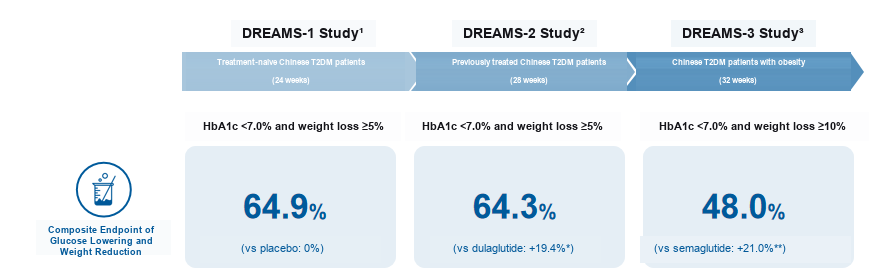 Fig. 2. Composite Glycemic and Weight-Loss Endpoint Results in the Mazdutide 6 mg Group
On the strength of the glycemic, weight and metabolic data, mazdutide has also been recommended in expert consensus documents, including the Multidisciplinary Expert Consensus on Management of Type 2 Diabetes with Metabolic-Associated Steatotic Liver Disease (2026 edition) [28,43-44].
Fourteen New Data Sets: Mechanism, Subgroups and Refined Assessment
The three oral presentations addressed three distinct questions. A subgroup analysis of GLORY-1 found that weight-loss benefit was not affected by the type or number of baseline comorbidities, including metabolic-associated steatotic liver disease, hyperuricemia and hypertension; even among participants with three or more comorbidities, weight reduction with 6 mg versus placebo reached 12.66%, and 75.0% of participants achieved weight loss of at least 5%. A subgroup analysis of GLORY-2 in women of reproductive age found that 9 mg significantly improved menstrual cycle regularity, with annualized menstrual frequency in participants with oligomenorrhea nearly doubling from baseline, while the insulin resistance index fell by 41.1% across the full cohort of women of reproductive age. A third presentation reported, at the molecular level, that mazdutide regulates hepatic urate production directly through activation of GCGR-related signaling, providing a mechanistic basis for the observed effect on uric acid.
The eight posters added detail, covering waist-circumference improvement and BMI normalization across baseline BMI subgroups, consistent systolic blood pressure benefit across subgroups, multidimensional body composition improvement in women with obesity, optimization of glycemic variability in patients with T2D, and exploration of adipose thermogenesis pathways. The three written communications added real-world studies and observations of special cases, connecting randomized trial data with practice settings and providing reference material for individualized management in complex cases.
Conclusion
Overall, the Phase III studies in the GLORY and DREAMS series have established a robust evidence base for mazdutide in weight management and the treatment of type 2 diabetes mellitus (T2DM) in the Chinese population. The 14 studies presented at this congress further extend and enrich this core evidence base in terms of mechanistic depth, population breadth, and clinical precision. As the local evidence system continues to mature and the concept of metabolic correction deepens, mazdutide will provide more comprehensive diagnostic and therapeutic support for patients with metabolic comorbidities in China, advancing the management of metabolic diseases toward greater precision and individualization.
Reference
[1] Chen K, et al. Diabetes Obes Metab. 2023 Nov;25(11):3390-3399.
[2] Zhang LF, et al. Obesity. 2019;27(11):1898-1905.
[3] National Health Commission of the People’s Republic of China. Guidelines for the diagnosis and treatment of obesity (2024 edition). 2024.
[4] He W, et al. Obesity (Silver Spring). 2015;23(3):684-691.
[5] American Diabetes Association Professional Practice Committee. BMJ Open Diabetes Res Care. 2026;13(Suppl 1):e006247.
[6] Chen K, et al. Diabetes Obes Metab. 2023 Nov;25(11):3390-3399.
[7] Romero-Gómez M, et al. J Hepatol. 2023;79(4):888-897.
[8] Gastaldelli A, et al. Lancet Diabetes Endocrinol. 2022;10(6):393-406.
[9] Neeland IJ, et al. Circulation. 2018;137(13):1391-1406.
[10] Su QJ, et al. Nature. 2026 May;653(8115):770-775.
[11] Cui YY, et al. Diabetes Ther. 2024;15(4):781-799.
[12] Wang TZ, et al. Diabetes Ther. 2025 Mar;16(3):449-470.
[13] Gabery S, et al. JCI Insight. 2020 Mar 26;5(6):e133429.
[14] Friedrichsen et al. Diabetes Obes Metab. 2021;23:754-62.
[15] Gibbons C, et al. Diabetes Obes Metab. 2021 Feb;23(2):581-588.
[16] Sandro C, et al. Obes Pillars. 2024 Sep. V11.
[17] Seino Y, et al. J Diabetes Investig. 2010;1(1-2):8-23.
[18] Longuet C, et al. Cell Metab. 2008;8(5):359-371.
[19] Gan L, et al. Pharmaceuticals (Basel). 2026;19(3):371.
[20] Sarina K, et al. Physiol Rev. 2024 Jul 1;104(3):1021-1060.
[21] Sánchez-Garrido MA, et al. Diabetologia. 2017 Oct;60(10):1851-1861.
[22] Stefano DP, et al. Obes Rev. 2022 Feb;23(2):e13372.
[23] Ji L, et al. N Engl J Med. 2025 Jun 12;392(22):2215-2225.
[24] Gao L, et al. JAMA. 2026;336(5):377-388.
[25] Chinese Medical Association, Endocrinology Branch. Guidelines for long-term weight management and clinical application of weight-loss drugs in patients with obesity. Chinese Journal of Endocrinology and Metabolism. 2026;42(8):641-669.
[26] Chinese Medical Doctor Association, Endocrinology and Metabolism Branch. Chinese Journal of Diabetes. 2025;17(8):950-970.
[27] Cardiovascular Metabolic Alliance. Expert consensus on weight management in patients with cardiovascular disease (2025). Chinese Journal of Cardiology (Online Edition). 2025;8(1):1-17.
[28] Management of obesity-related metabolic comorbidities in adults: consensus statements and endocrine expert recommendations. Chinese Journal of Practical Internal Medicine. 2025;45(8):657-671.
[29] Genitsaridi I, et al. Lancet Diabetes Endocrinol. 2026 Feb;14(2):149-156.
[30] Ji LN, et al. BMC Public Health. 2013 Jun 21;13:602.
[31] Chen R, et al. Med Sci Monit. 2015 May 19;21:1440-6.
[32] Diabetes, Obesity, and CardioMetabolic CARE. 2026;doci260003.
[33] Sharabi K, et al. Mol Aspects Med. 2015 Dec;46:21-33.
[34] Biddinger SB, et al. Cell Metab. 2008 Feb;7(2):125-34.
[35] Jornayvaz FR, et al. Cell Metab. 2012 May 2;15(5):574-84.
[36] Mudaliar S. J Indian Inst Sci. 2023:1-11.
[37] March CA, et al. Horm Res Paediatr. 2022;95(6):593-607.
[38] Haiqiang Ya, et al. BMJ. 2024 Jan 29:384:e076410. doi:10.1136/bmj-2023-076410.
[39] Zhu D, Zhao J, Cai H, et al. Mazdutide versus placebo in Chinese adults with type 2 diabetes. Nature. 2025. doi:10.1038/s41586-025-10026-w.
[40] Guo L, Zhang B, Xue X, et al. Mazdutide versus dulaglutide in Chinese adults with type 2 diabetes. Nature. 2025. doi:10.1038/s41586-025-10031-z.
[41] Mazdutide vs semaglutide in Chinese adults with type 2 diabetes and obesity (DREAMS-3): a randomized, open-label, phase 3b trial. ADA 2026, abstract 1226-OR. Diabetes. 2026;75(Suppl 1):doi:10.2337/db26-1226-or.
[42] Goshrani et al. Diabetes Obes Metab. 2025 Feb 25;27(5):2342-2362.
[43] Chinese Medical Association Health Management Branch, Chinese Association of Traditional Chinese Medicine Hepatobiliary Disease Branch, China Health and Liver Alliance (CHESS). Expert consensus on multidisciplinary management of type 2 diabetes with metabolic-associated steatotic liver disease (2026 edition). Chinese Medical Journal. 2026;106(4):305-320.
[44] Expert consensus on weight management in patients with type 2 diabetes (2024 edition). International Journal of Endocrinology and Metabolism. 2024;44(5):359-370.

