


It is well known that antibiotic resistance is a "silent pandemic", more deadly than malaria and HIV [1-2]. However, over the past 20 years, the size of the global antibiotic drug market has gradually shrunk, and many large pharmaceutical companies have announced the abandonment of the antibiotic pipeline. The reason is that the research and development of new mechanism and new target antibiotics is difficult, and the cost is not proportional to the return.
However, a biopharmaceutical company from China has been facing difficulties in this "cold track", devoting itself to solving the problem of pathogenic microbial infections, especially drug-resistant bacterial infections, for 30 years. Its head is a simple and modest female scientist, Lu Wanying, founder and chairman of Shanghai Gaoke United Biotechnology Research and Development Co., Ltd. (Hereinafter referred to as "Shanghai Gaoke Biology").
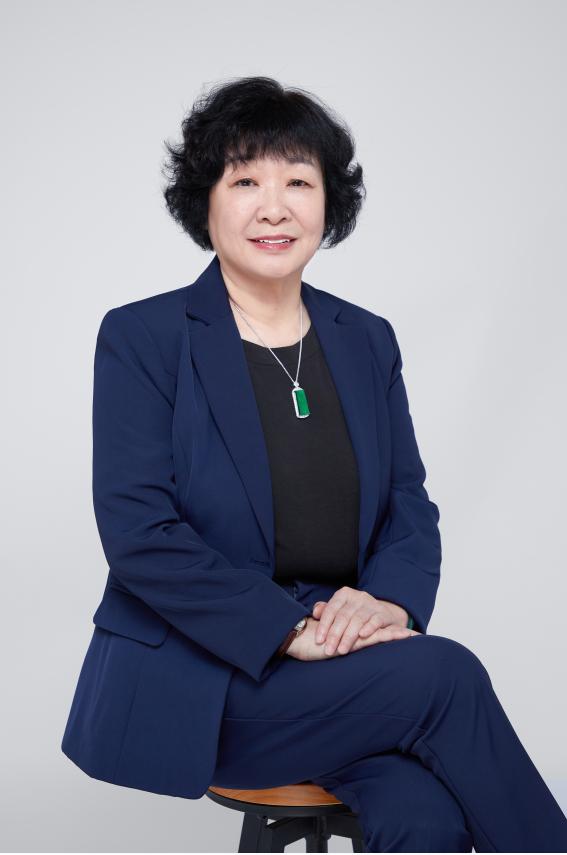
Fig. 1 Lu Wanying, founder and chairman of Shanghai Gaoke United Biotechnology Research and Development Co., Ltd.
In 1993, Lu Wanying and her lover Huang Qingshan jointly put forward the new concept of "biological sterilization"; in 2005, on the list of the first prize of Shanghai Science and Technology Progress Award, the project of "development, application and industrialization of lysostaphin compounding technology" was on the list; In 2022, on the stage of the 11th China Innovation and Entrepreneurship Competition, the class I biological anti-infective drug "recombinant lysostaphin paint" shocked the audience in the office of Pudong New Area in Shanghai, Lu Wanying recalled the story-telling course of entrepreneurship while telling the "medical think tank" about the choice and future of Shanghai's high-tech biology.
First put forward the concept of "biological sterilization", self-mockery of "ignorance and fearlessness"
The story of Lu Wanying and "biological sterilization" began in the early 1990s.
At that time, Lu Wanying specialized in epidemiology and gradually realized that traditional disinfectants had the disadvantages of corrosiveness, flammability, poor stability and environmental pollution. By chance, she attended the "Forum on Medical Devices and Sanitary Products" held in Germany, at which foreign experts and scholars were actively seeking a safer and more environmentally friendly substance to replace the existing disinfectants.
In fact, when a new batch of new antibacterial drugs such as cephalosporin came out, European and American scholars were immersed in joy. People were optimistic that the fight against bacteria was no longer the focus of pharmaceutical research and development, but instead invested in cancer and other diseases.
Lu Wanying recalled that some "enzymes" were introduced by experts at the meeting, but they were not related to the field of medicine. They were mainly used for cleaning bed sheets and disintegrating stains. "Enzymes can directly destroy the cell walls of bacteria and have significant bactericidal effects. But at that time, no one studied this direction at all.
It was this forum that inspired Lu Wanying. She thought, if we can find an efficient and easily preserved biological enzyme, will it open up a new field of disinfection and anti-bacterial? So for the first time, she had the idea of developing biological enzymes to kill bacteria.
After returning to China, Lu Wanying and her husband, Professor Huang Qingshan of Fudan University, began to communicate, and they hit it off and decided to develop a biological sterilization product.
She told the "medical think tank" that the two later identified lysostaphin from a number of biological enzymes. Lysostaphin is a kind of endopeptidase, which can destroy the integrity of cell wall and dissolve bacteria, and has a direct killing effect on bacteria. When it is compounded with lysozyme, it not only enlarges the bactericidal spectrum, but also improves the bactericidal activity by nearly 100 times.
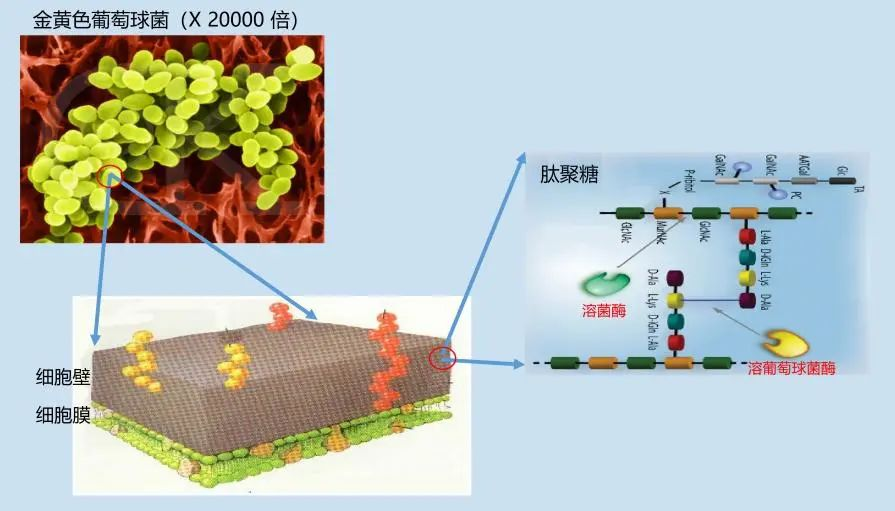
Fig. 2 Enzyme action mechanism/provided by Shanghai Gaoke
In order to obtain the recognition of domestic experts in the field of disinfection, Lu Wanying held the project kick-off meeting in the newly completed Shanghai International Convention Center at that time, and specially invited many well-known experts in the field of biology and disinfection to attend the meeting, including Professor Liu Yujing and Professor Xue Guangbo, the founders of disinfection in China.
At that launch meeting, Lu Wanying officially introduced the concept of "biological sterilization" and the sterilization mechanism, which has been used up to now, that is, to replace some antibiotics and chemical disinfectants with antibacterial enzymes or peptides. What is more exciting is that in the initial stage of the research and development of biological enzymes, the scientific research team successfully saved a patient with "super bacteria" infection after the operation.
In fact, at that time, domestic experts and scholars were not optimistic about biological sterilization technology. Lu Wanying laughed at herself as "ignorant and fearless" before she embarked on the long road of research and development of biological sterilization. "At that time, experts from the Center for Disease Control and Prevention found it very difficult and almost impossible to do it." Lu Wanying laments that if you want to do something, you need not only to unite others, but also to have the ability to persuade others, instead of retreating from difficulties.
After suffering, the advent of Class III medical devices
Lu Wanying and her team spent six years from their determination to successfully develop the first bio-enzyme disinfectant at home and abroad. She also proved with practical actions that Chinese enterprises are highly innovative in the field of biomedicine.
In 1995, lysostaphin and its compound preparation were rated as a national new product; in 1999, the product was granted the first hygiene license for biological disinfection products by the former Ministry of Health; In 2003, the first invention patent related to lysostaphin was obtained. However, with the birth of the world's first bio-enzyme disinfectant, its core technology has also attracted the attention of foreign investors.
Lu Wanying told the "medical think tank" that a foreign company once wanted to buy Shanghai Gaoke Biology as a whole, and the other side offered very tempting conditions for this, but she repeatedly declined. In her opinion, "people should know how to be grateful, otherwise nothing can be done.". The state has supported many major projects in this project and set up major projects, which can be said that the state has achieved us. How can one hand over the results for the sake of self-interest? I still want to do something for my country.
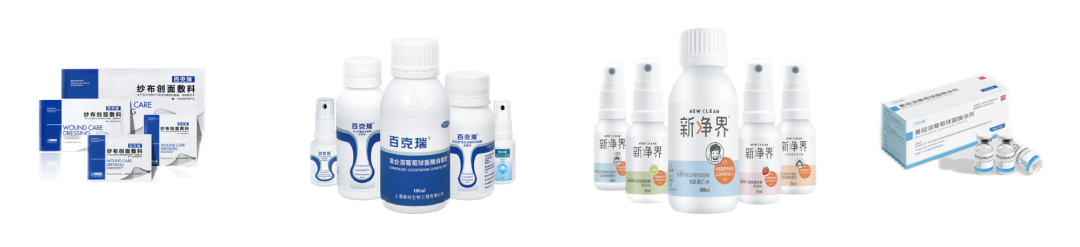
Fig. 3 Product map of Baikerui (first left and second left)/provided by Shanghai Gaoke
With the support of this concept, in 2005, Baikerui series of compound lysostaphin dressings (Class III medical devices) were officially launched, and the indications were gradually extended from the initial burn patients to the prevention and treatment of diabetic foot, anorectal, obstetric lateral incision wounds, abdominal wounds and other wounds.
As we all know, every indication needs to be verified clinically. Lu Wanying, with the attitude of a scientist, is extremely prudent and strictly controls the quality. "There is a veto power within the company, once a product sample is found to be unqualified, the whole batch of products will be discarded, and the products that do not meet the requirements will not be allowed to flow to the market." She said that products going to the market do not mean the ultimate victory, on the contrary, more supervision is needed.
For this reason, the number of adverse events related to Baikerui series of compound lysostaphin wound dressings has been only single digits since its introduction 20 years ago. With excellent product quality, This product has been included in the Guidelines for Wound Diagnosis and Treatment in China (2015 Edition), the Guidelines for Perioperative Wound Treatment in Anorectal Diseases, the Series of Research and Development and Application of New Wound Treatment Technologies, and the Application of Enzyme and Biological Debridement Technologies in Wound Treatment. Authoritative guidelines such as National Expert Consensus on Surgical Treatment of Diabetic Foot with Refractory Wounds (2020) have been recognized for their clinical efficacy and safety.
From Equipment to Medicine, Persisting in New Anti-infective Drugs Made in China
Looking at the world, most of the anti-infective new drug research and development enterprises are abroad, and few domestic companies participate in the whole chain of drug research and development in this field.
This gap also prompted Lu Wanying to come up with an idea, that is, to develop a truly self-developed anti-infective drug, which is difficult for Lu Wanying, who has never done new drug research and development. But she said she was ready to bite the hard bone of "new drug research and development".
To her surprise, the research and development of new drugs is hundreds of times more difficult than she imagined, but this "hard bone" has been gnawed to the present.
One day in 2005, Lu Wanying had just finished her operation and was notified to go to Beijing for defense in less than two weeks. This defense will also determine whether Shanghai Gaoke Biology can engage in clinical research on national class I anti-infective drugs. "This meeting will not be postponed because I had an operation. I have to go." Under great pressure, Lu Wanying rushed to Beijing with the pain of the wound. She said, "Sometimes we have to do something, and we have to endure the pain that ordinary people can't bear."
Finally, Shanghai Gaoke Biology obtained the approval of the national class I anti-infective new drug clinical trial. After getting the approval of clinical trials, it is followed by a steady stream of funds and tremendous hard work. In order to have funds for clinical trials, Lu Wanying has raised funds many times, and the process is full of twists and turns.
For example, many foreign fund companies have asked Shanghai Gaoke Biology to move out of China, which has been repeatedly rejected by Lu Wanying. Later, the local government extended a helping hand and allocated 150 million government funds to Shanghai Gaoke Biology to protect it from the control of foreign capital. This "helping hand" also contributed to the settlement of Shanghai Gaoke Biology in Jing'an, Jiangxi Province, and the construction of 14000m2 GMP standard workshop for health food, medical equipment and disinfection products.
The difficulties don't stop there. Due to the constant adjustment of the new drug declaration policy, Lu Wanying, who is not familiar with the process, has run into a wall in many places.
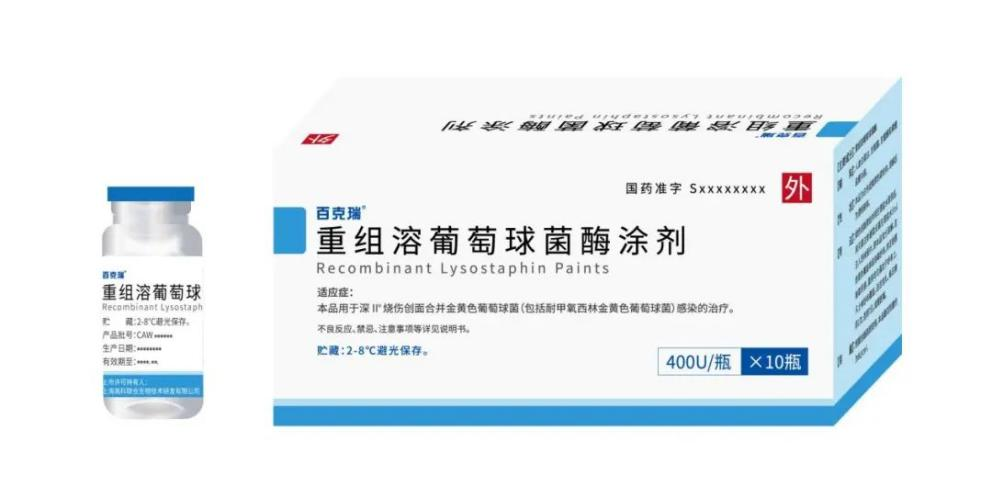
Fig. 4 Drugs to be declared by Shanghai Hi-Tech/provided by Shanghai Gaoke
As early as 2015, Shanghai Hi-Tech has completed all phase I-III clinical trials of new drugs, and all application materials have been prepared. However, when it plans to apply for new drugs in 2018, it coincides with the new regulations issued by the state: that is, three batches of qualified products can continue to apply only after they have obtained production approval. This made Lu Wanying once in a dilemma, but the Shanghai Municipal Government gave strong support at this time and launched the Zhangjiang Biomedical Innovation Functional Platform. The company finally obtained the drug production license B of the new drug in November 2022.
In the face of many hit a wall, LuWanYing but there is a kind of experience after the storm, "sometimes suffering is a kind of growth, After you will be more determined, Precipitate. You may not have done things, In the hint that you also need to polish, In the innovation of the leap, At that time to become everyone's eyes' different '!"
Houde Zaiwu, "the essence of educating people lies in moral education"
Talents are an important support for the development of enterprises, and Shanghai Hi-Tech Biology is also well versed in it.
In the enterprise vision of "leading biology to resist infection and make life more beautiful", Shanghai Hi-Tech Biology has Shanghai National Post-doctoral Enterprise Research Workstation, Shanghai Expert Workstation and Fudan University to build a master of engineering practice base. Talents continue to show strong vitality in the innovative research and development of Shanghai Hi-Tech Biology.
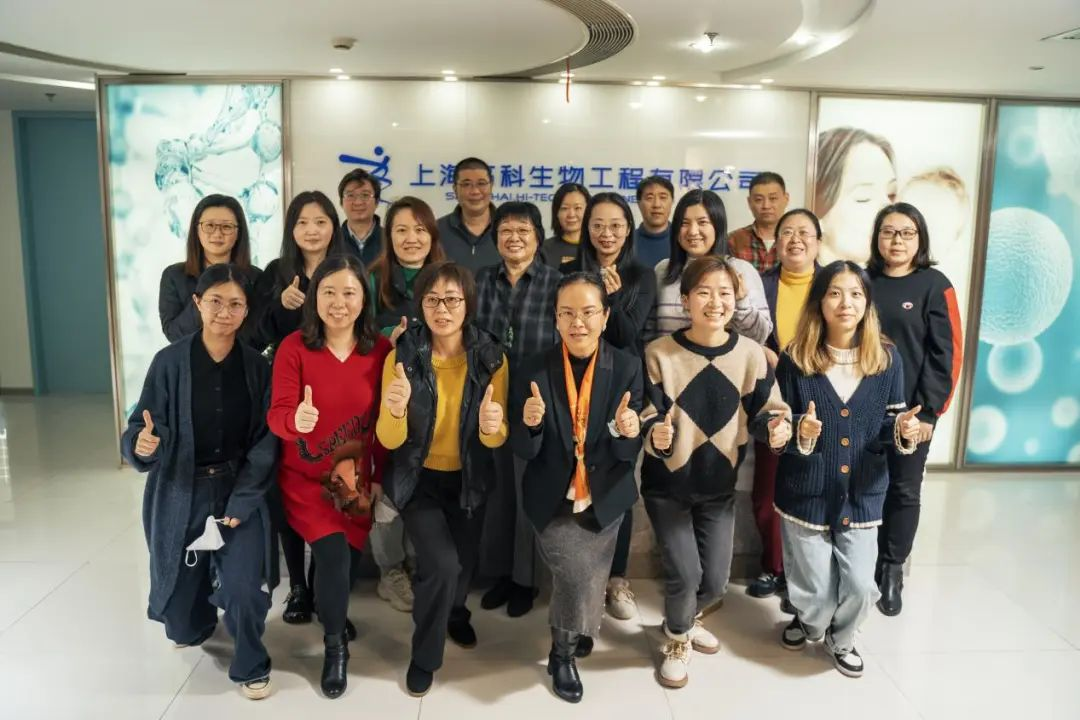
Fig. 5 Postdoctoral photo/provided by Shanghai Gaoke
As of 2023, Shanghai Hi-Tech Biology has trained 15 postdoctoral/doctoral talents, and many postdoctoral/doctoral students have finally chosen to stay in Shanghai Hi-Tech Biology. Lu Wanying said proudly, "There are several doctors who have worked here for more than 20 years, and now they are the core backbone of the company."
Good talent training system and talent growth environment make Shanghai Hi-Tech Biology harvest continuously. At the 2023 Shanghai International Conference on Disinfection and Infection Prevention and Control, the scientific research team won two awards, and all the eight papers were published in the 2023 Collection of Academic Papers of Shanghai Anti-Drug Association. Such academic achievements are rare in a private enterprise. "I am particularly gratified to see the strength of the younger generation rising." Lu Wanying said.
In her opinion, the essence of educating people lies in moral education. Lu Wanying likes the four words "Houde Zaiwu" hanging on the wall of the conference room very much, because it represents hardship and suffering, but also means accumulation and thin hair.
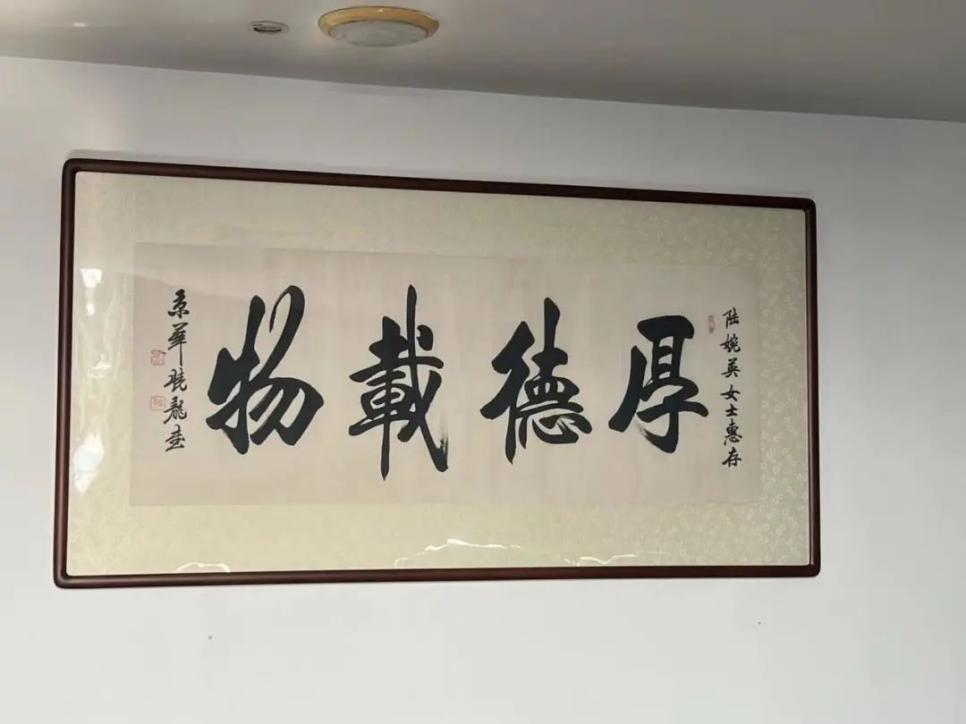
Fig. 6 taken at Shanghai Hi-Tech Office/ "MedJ".
As a scientist and entrepreneur, Lu Wanying sincerely shared her five suggestions on the growth and entrepreneurship of young scientists:
Treat the experimental results realistically and avoid tampering with the experimental data.
Steadfastly improve R & D capabilities, with unsurpassable "skills".
Keep learning and keep curious about knowledge.
Learn to persist and don't give up when you encounter difficulties.
To maintain close integration with the market, good products must be recognized by the market.
Beyond medicine, make life more beautiful
Talking about the future of Shanghai Hi-Tech Biology, Lu Wanying put her goal on the whole field of biological anti-infection. "In addition to the deep cultivation of the existing medical device market, we also need to apply our biological enzyme technology in dental implants, orthopedics and other consumables for innovative exploration. In the field of new drugs, we will continue to lay out the biological anti-infective product line, start the clinical research of the second new drug as soon as possible, and serve the country in special scenarios."
In addition, Shanghai Hi-Tech Biology also takes the consumer medical field as the second growth curve, so that its biological sterilization technology can empower civil consumer goods and better realize the enterprise vision of "making life more beautiful". At present, Shanghai Hi-Tech Bio-enzyme patented household paper products have been listed, Shanghai Hi-Tech Bio-owned oral care brand "Xinjingjie" has also realized the direct retail of To C in Tianmao Store, while the research and development work in new areas such as food preservation is in full swing.
Shanghai Gaoke Biology has won the first battle of "biological sterilization" in the past 30 years, but the story of "making life more beautiful" may have just begun.

