


Postoperative recurrence monitoring in colorectal cancer has long depended on imaging and carcinoembryonic antigen (CEA), both of which have limited sensitivity, so that by the time imaging picks up a recurrent lesion the best window for intervention has often passed. Circulating tumour DNA (ctDNA) testing captures molecular residual disease (MRD) and can identify high-risk patients for recurrence earlier. Being able to detect MRD, however, is not the same as improving prognosis by acting on the MRD result, and a wide clinical gap remains between diagnosis and effective intervention. At the Precision Medicine International Symposium (PPIS-2) of the 64th annual meeting of the Japan Society of Clinical Oncology (JSCO 2026), held in conjunction with the 6th International Congress of the Asian Oncology Society (AOS 2026), Prof. Hideaki Bando of the National Cancer Center Hospital East, Japan, delivered a lecture entitled “SCRUM-MONSTAR: Advancing Drug Development and Clinical Trials through a Nationwide Precision Oncology Platform”. He reviewed the results of this nationwide genomic screening platform and reported the latest data from the CIRCULATE-Japan series of trials, which use ctDNA-based MRD monitoring.
Expert Profile: Prof. Hideaki Bando

- Director of the Pharmaceutical Development Promotion Division, National Cancer Center Hospital East, Japan
- Director of the Translational Research Support Office and of the International Research Promotion Office, and Head of the Department of Gastroenterology, National Cancer Center Hospital East
- Council member of the Japanese Cancer Society, and leader of the working group on guidance documents for multi-cancer early detection of the Japanese Society of Cancer Treatment
- Clinical speciality in gastrointestinal tumour management and cancer drug therapy
- Research fields include precision cancer medicine, circulating tumour DNA testing, translational research, and the application of real-world data
- Trained at the National Cancer Institute, United States; formerly Head of the Department of Drug Therapy, Aichi Cancer Center
- Graduated from the School of Medicine, Asahikawa Medical University in 2004
Article Key Points
- SCRUM-Japan has enrolled more than 50,000 patients and enabled 24 new drugs with 27 indications
- Among 16,144 genomically profiled patients, about 5% entered a trial and the overall ORR was 29.2%
- Biomarker-matched treatment was associated with MST of 19.1 months versus 15.3 months
- In GALAXY, postoperative ctDNA positivity was associated with shorter DFS (HR=11.99, P<0.0001)
- ALTAIR met no primary endpoint: median DFS 9.30 versus 5.55 months (HR=0.79, 95% CI 0.60-1.05; P=0.107)
- Grade 3 or higher haematological adverse events with FTD/TPI were 73.0% versus 3.3% with placebo
- Japan approved Signatera as an MRD detection procedure on June 24, 2026
- VEGA has completed enrolment of 1,000 patients and is in follow-up; results are not yet available
Before Looking at MRD: The Platform First Showed that Testing Can Secure Drugs
The SCRUM-Japan trial started in 2015, led by the National Cancer Center Hospital East and run as an industry-academic collaboration in which pharmaceutical companies and testing companies provide funding, genomic testing for patients nationwide, and active matching to appropriate clinical trials. The platform has now enrolled more than 50,000 patients and has helped bring 24 new drugs with 27 indications to approval. Among the 16,144 patients who completed genomic profiling, about 5% entered a clinical trial, with an overall objective response rate (ORR) of 29.2%. The central figure is that patients treated on the basis of biomarker matching reached a median survival time (MST) of 19.1 months, significantly longer than 15.3 months in the non-matched group (HR=0.767, P<0.001). At the level of real-world data (RWE), this supports the core precision oncology loop of testing, matching, and survival benefit.
Several representative trials have built on this base. In the TRIUMPH trial, pertuzumab plus trastuzumab in human epidermal growth factor receptor 2 (HER2) positive metastatic colorectal cancer produced an ORR of 30% by tissue testing and 28% by ctDNA testing. In the HERALD trial, trastuzumab deruxtecan (T-DXd) in HER2-amplified solid tumours produced an ORR of 56.5%, significantly higher than the 37.1% in the overall population of DESTINY-PanTumor02 (Fig. 1).
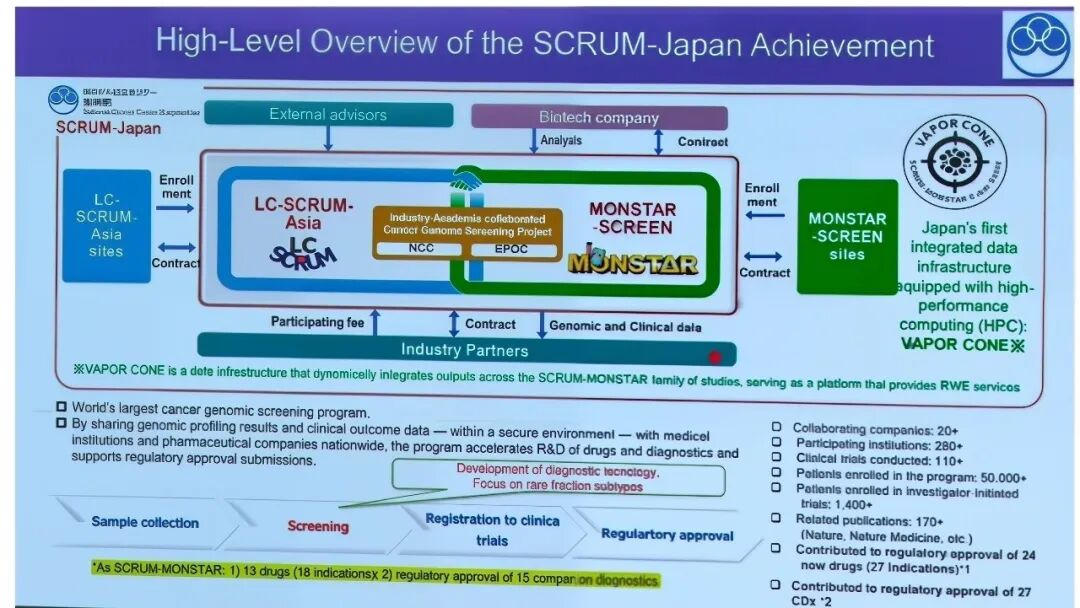 Fig. 1. Overview of the SCRUM-Japan Platform and Its Main Achievements
HR 11.99: What Recurrence Risk Does Postoperative Circulating Tumour DNA Positivity Imply?
The CIRCULATE-Japan programme includes the GALAXY observational cohort, which performs dynamic postoperative ctDNA monitoring in patients with resectable colorectal cancer and has now enrolled 6,300 patients (Fig. 2). Within the MRD window of 2 to 10 weeks after surgery, ctDNA-positive patients had a disease-free survival (DFS) that was significantly shorter than that of negative patients (HR=11.99, P<0.0001), and the hazard ratio rose to 12.08 in multivariable analysis, exceeding the predictive power of traditional pathological factors such as microsatellite instability (MSI) status and BRAF mutation. The 24-month DFS rate was 85.1% in the ctDNA-negative group and only 20.57% in the positive group (Fig. 3). As Prof. Bando pointed out, these data establish ctDNA as the strongest prognostic marker after surgery. At the same time he emphasised that an observational association demonstrates the capacity to predict risk, not the proposition that intervening on the MRD result improves outcome; the latter question requires a randomised interventional trial.
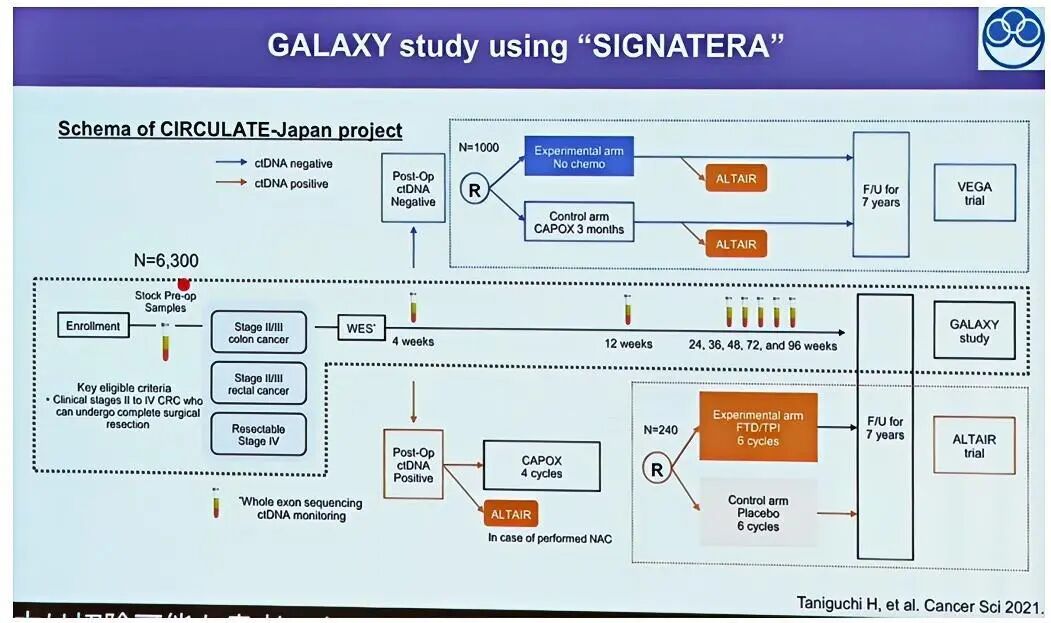 Fig. 2. Overall Design of the CIRCULATE-Japan and GALAXY Studies
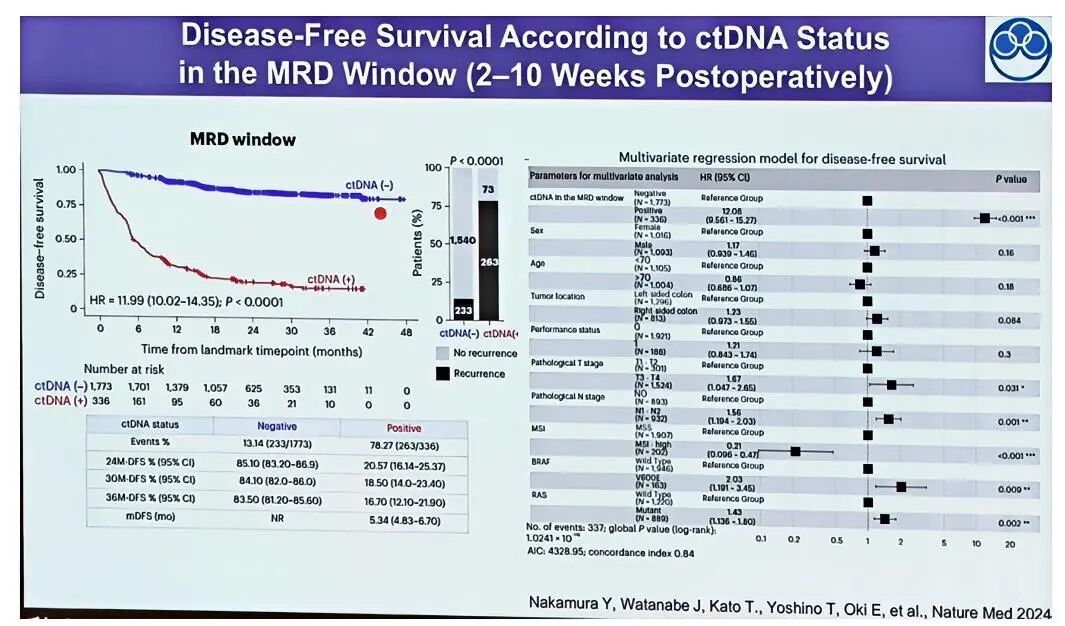 Fig. 3. Disease-Free Survival Curves by Circulating Tumour DNA Status in the MRD Window
Reflection on the Negative ALTAIR Result: Why Early Treatment Did Not Change Outcomes
If ctDNA positivity predicts such a high risk of recurrence, would intervening early, before recurrence becomes visible on imaging, actually change survival? The ALTAIR study, published in Nature Medicine, was designed as the first randomised phase 3 trial to answer exactly this clinical question. The trial (EPOC1905, NCT04457297) enrolled patients with colorectal cancer who were ctDNA-positive after curative resection and had no measurable disease on imaging, and randomly assigned them 1:1 to trifluridine/tipiracil (FTD/TPI) or placebo for 6 cycles, with 243 patients enrolled in total (Fig. 4). DFS, the primary endpoint, did not reach statistical significance: median DFS was 9.30 months with FTD/TPI and 5.55 months with placebo (HR=0.79, 95% CI 0.60-1.05, P=0.107). This negative conclusion became the central premise for reading every subsequent analysis of the trial.
Although the primary endpoint was not met in the overall population, further exploration showed a larger difference in the stage IV subgroup (n=66, HR=0.53, P=0.012), and a post hoc blinded central imaging review gave an HR of 0.75 in the overall population (P=0.0406). As Prof. Bando made clear, these subgroup and post hoc analyses carry no adjustment for multiplicity, are exploratory and hypothesis-generating, and cannot replace the negative result on the primary endpoint (Fig. 5). The safety cost also cannot be ignored in clinical decisions: grade 3 or higher haematological adverse events occurred in 73.0% of patients on FTD/TPI, compared with 3.3% on placebo. When overall survival benefit has not reached statistical significance, clinicians must weigh a heavy toxicity burden against potential benefit carefully.
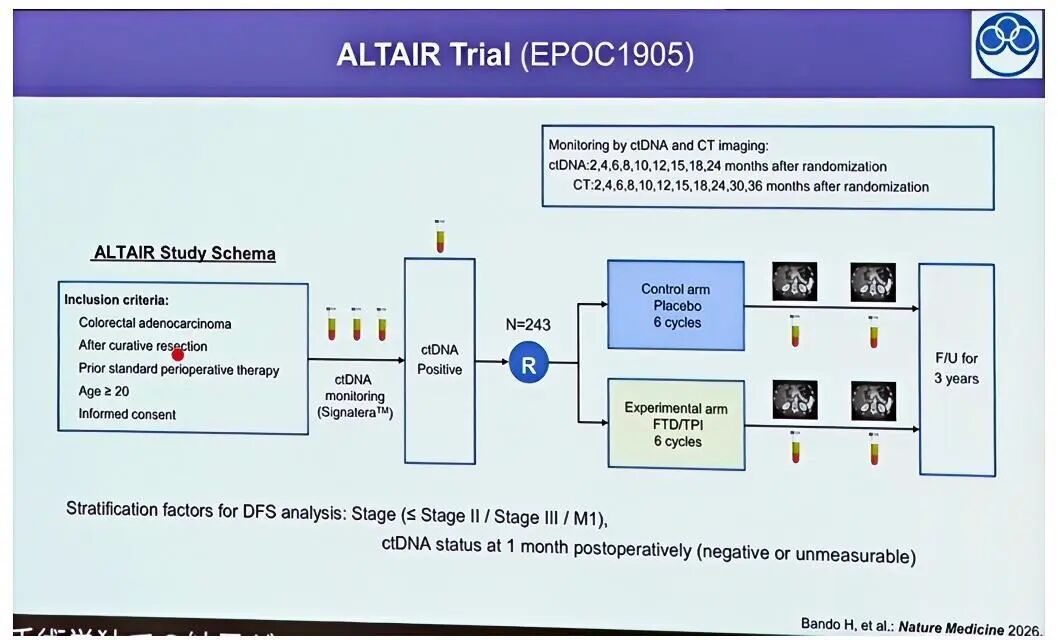 Fig. 4. Study Design of the ALTAIR Trial
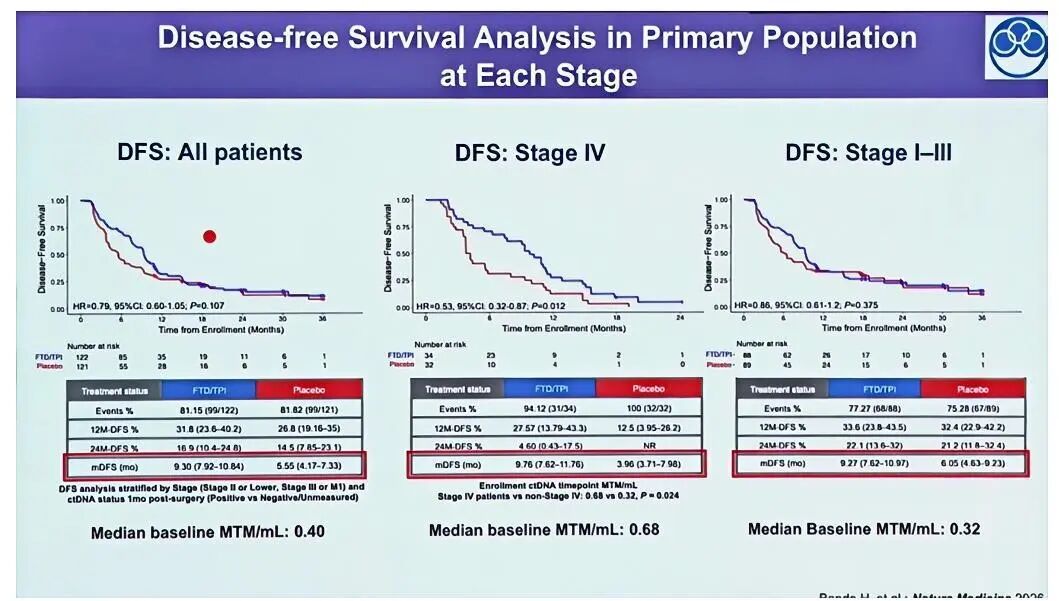 Fig. 5. Disease-Free Survival Analysis in the Overall Population and by Stage in the ALTAIR Trial
From Detection to Treatment: What VEGA and WGS Must Answer after Approval
Although the primary endpoint of ALTAIR was not met, the volume of data accumulated on the CIRCULATE-Japan platform led Japanese regulators to approve the Signatera diagnostic system as an MRD detection procedure on June 24, 2026 (approval number 30800BZI00018000). This is the first MRD detection system approved in Japan, and marks MRD’s move from a research tool into routine clinical practice. Before this, JSCO had issued a position statement on the clinical rational use of MRD testing, accompanied by a patient handbook (Fig. 6).
If detection answers whether MRD can be found, then the VEGA trial, whole-genome sequencing (WGS) and AI pathology have to answer the harder question of what should be done once it has been found. On the side of treatment de-escalation, the VEGA trial aims to test whether MRD-negative patients can safely omit adjuvant chemotherapy (N=1,000; enrolment is complete and the trial is in follow-up). On the side of technical refinement and precision selection, new-generation WGS-based MRD testing has reached sensitivity at the 10-4% tumour fraction level, and research teams are actively exploring deeper integration of artificial intelligence (AI) pathological analysis with MRD testing, in the hope of distinguishing more precisely which patients can safely be de-escalated and which need escalated intervention. On this basis, the MONSTAR-3.5 platform plans to launch LIBRA, a randomised controlled trial of MRD plus digital pathology-guided de-escalation (N=1,000) (Fig. 7).
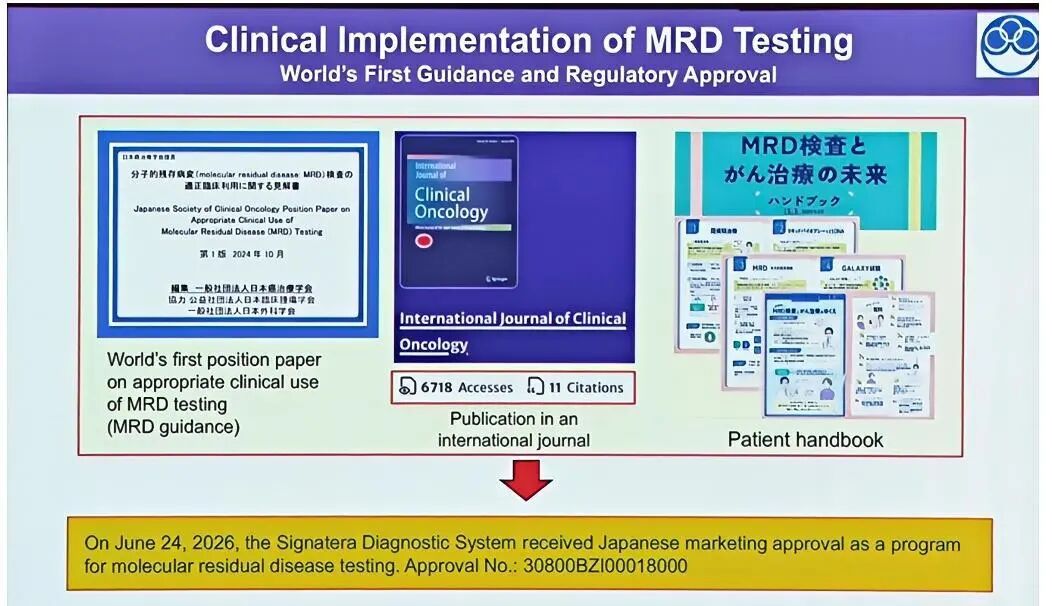 Fig. 6. Clinical Implementation of MRD Testing: Japan’s First Regulatory Approval and the Position Statement
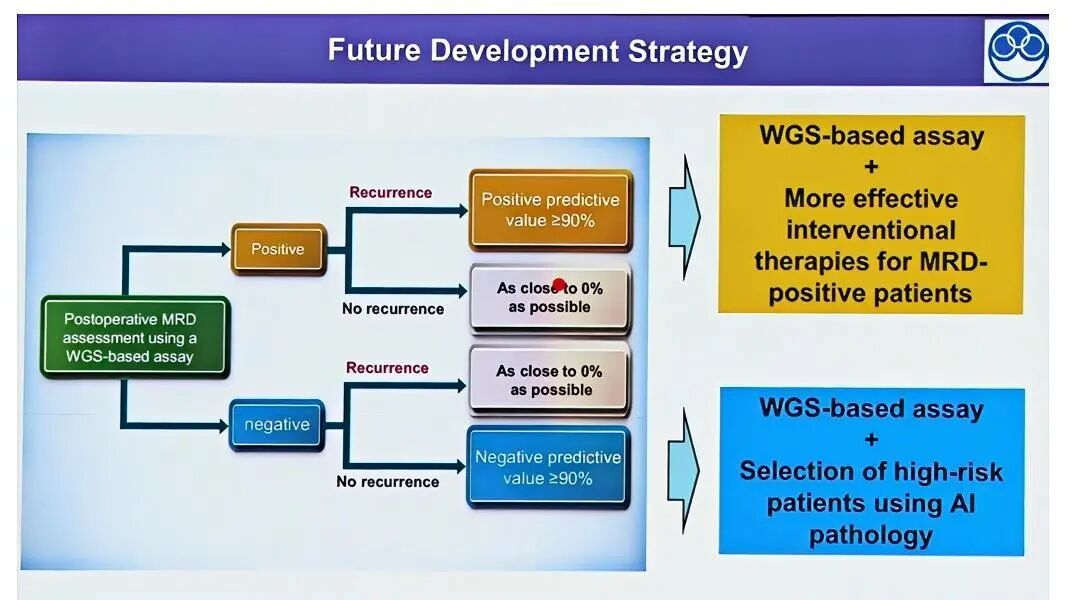 Fig. 7. Future Development Strategy: High-Sensitivity WGS Testing Combined with AI Pathology to Guide Precision Treatment
Conclusion
In this talk, Prof. Bando mapped out the practice of precision oncology in Japan. More than a decade of SCRUM-MONSTAR has shown that a nationwide industry-academic genomic screening network can empower targeted drug development and open the clinical loop of testing, matching, and survival benefit. On that basis, large-scale data from the GALAXY observational cohort established postoperative ctDNA as a strong prognostic biomarker for recurrence risk, and provided the key data foundation for regulatory approval of Japan’s first MRD detection system, Signatera. ALTAIR, however, did not meet its primary endpoint, and the accompanying haematological toxicity indicates that, in the absence of conclusive evidence, intervening early on the basis of MRD positivity alone has not been shown to confer clinical benefit. Moving from precise identification of recurrence risk to adjusting treatment safely and effectively on the basis of that risk still requires confirmatory prospective randomised interventional evidence such as VEGA.

