


Cardiovascular-kidney-metabolic (CKM) syndrome, a newly defined cluster of interconnected health risks, is alarmingly prevalent in the U.S., according to a JAMA study published in June 2024. Analyzing data from 10,762 adults (2011–2020), researchers found that nearly 90% met criteria for CKM (Stage 1 or higher), with 15% in advanced stages (3–4). Older adults (≥65 years), men, and Black individuals bore the heaviest burden, with advanced CKM rates of 55.3%, 16.9%, and 18.9% respectively. A companion study in Arteriosclerosis, Thrombosis, and Vascular Biology added a critical gender dimension: while women had lower CKM prevalence, they faced higher all-cause and cardiovascular mortality risks at every stage, likely due to delayed diagnosis or biological vulnerabilities.
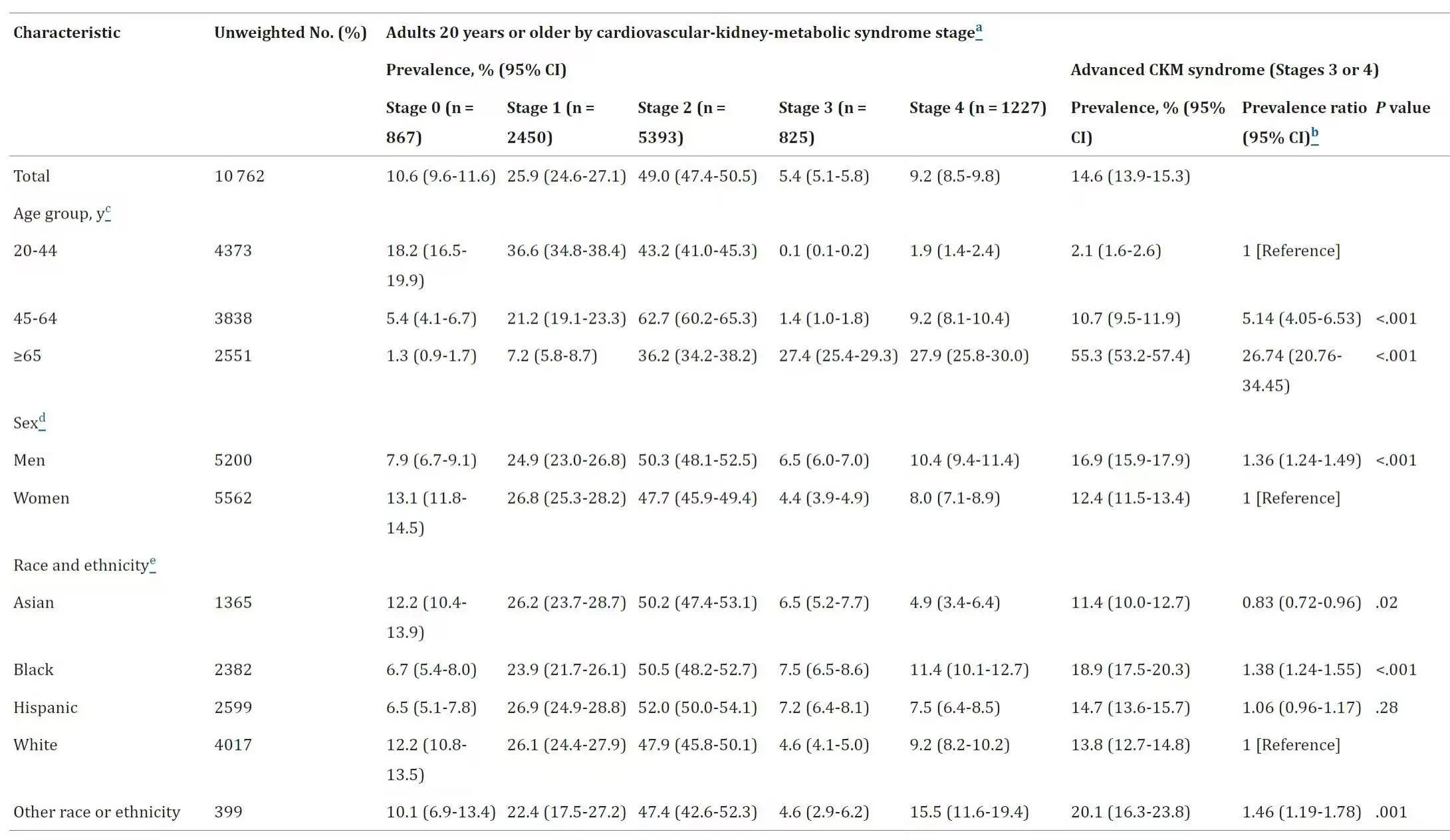
Figure 1. Prevelance of CKM Staging Among U.S. Adults by Age, Sex, Race, and Ethnicity (2011–March 2020)
In China, a JACC: Asia study of three cohorts (n=47,319) revealed distinct trends shaped by aging and diabetes. Among Beijing’s rural Pinggu cohort, 50.4% of adults ≥65 had advanced CKM, with men at higher risk. In the national CHARLS study (≥45 years), advanced CKM reached 37.5% in older adults, rising to 78.8% in elderly type 2 diabetes patients (3B study), driven by hypertension and dyslipidemia. Unlike the U.S., where obesity is a primary driver, China’s CKM burden is linked to its rapidly aging population (13.5% ≥65 years) and high diabetes prevalence (30% in seniors).
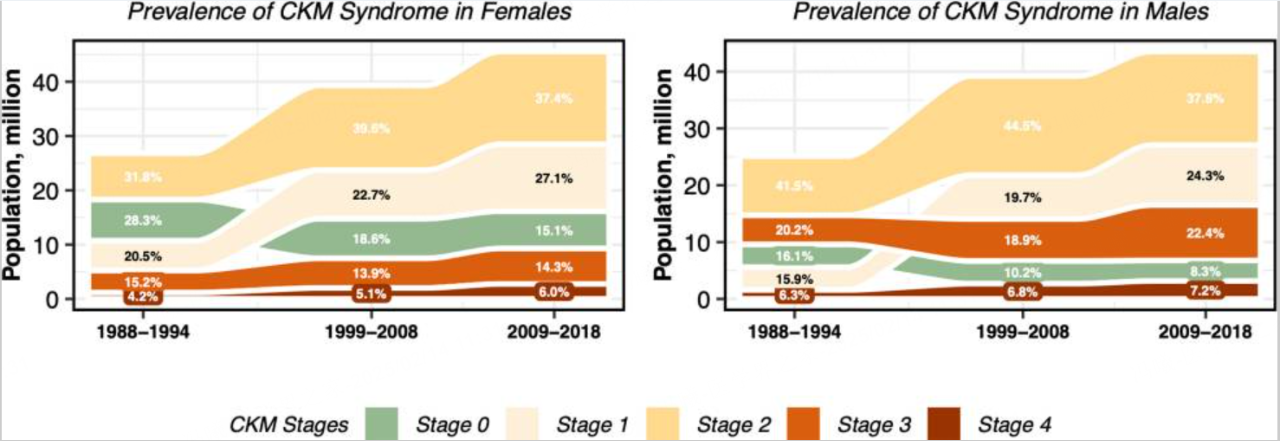
Figure 2. Gender-Stratified Prevalence of CKM (1988–2018)
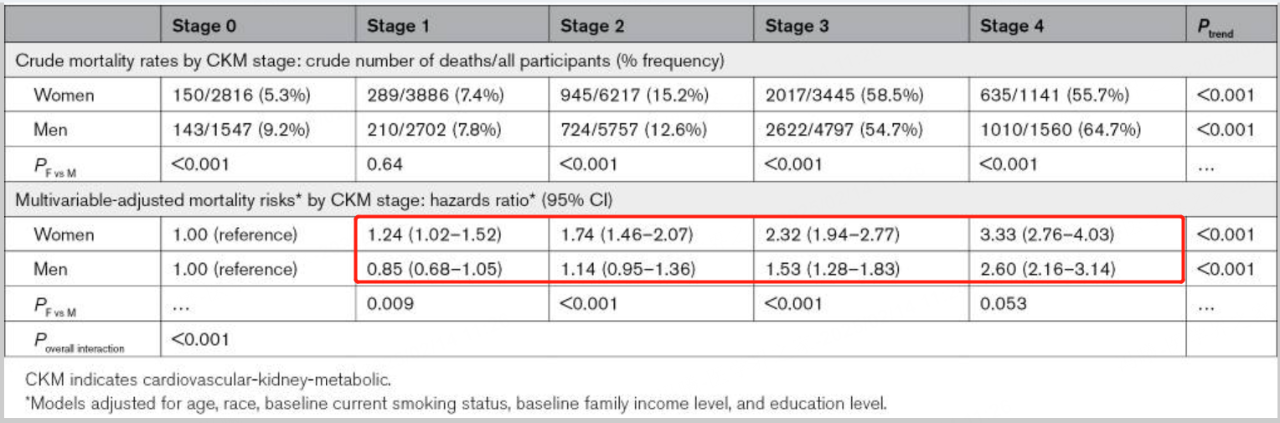
Figure 3. Gender-Specific Associations Between CKM and All-Cause Mortality
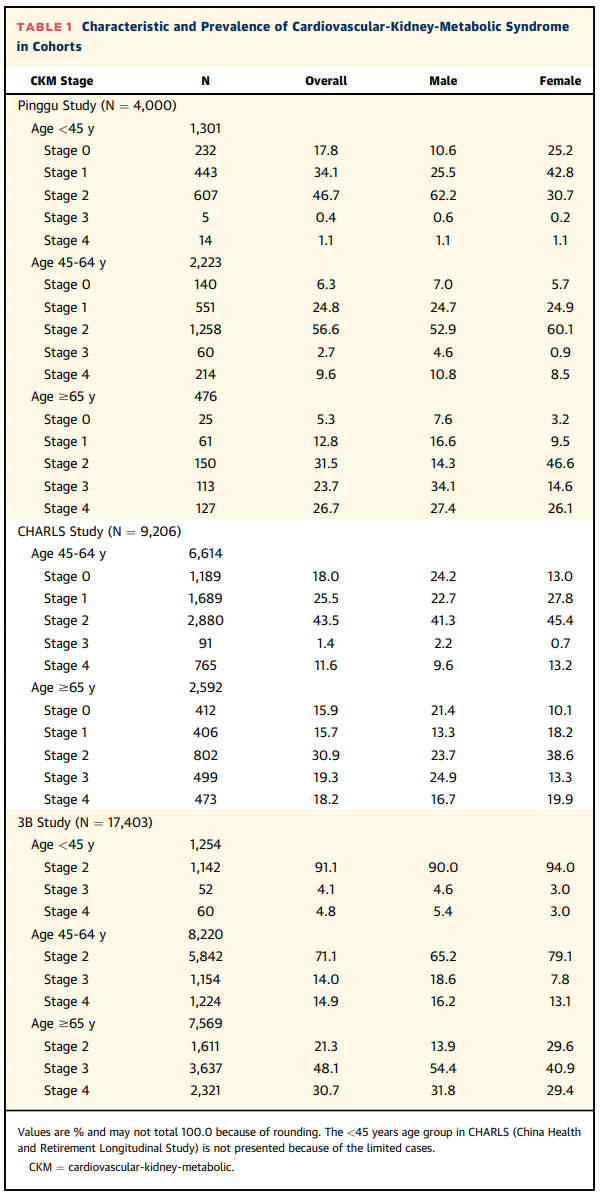
Figure 4. Prevalence of CKM in the Three Included Study Cohorts
The findings highlight urgent needs for targeted interventions: annual cardiovascular risk assessments and kidney function screenings for older adults and diabetics in China, and gender-specific mortality risk management in the U.S. As CKM becomes a global public health crisis, cross-cultural strategies must address metabolic risk factors, aging demographics, and healthcare disparities to curb its progression.

