


The 2025 World Conference on Lung Cancer (WCLC 2025) is currently taking place in Barcelona, Spain. As the most influential multidisciplinary oncology conference in the field of lung cancer and other thoracic malignancies, WCLC remains committed to disseminating the latest diagnostic and therapeutic advances while providing a platform for global experts and scholars to collaborate.
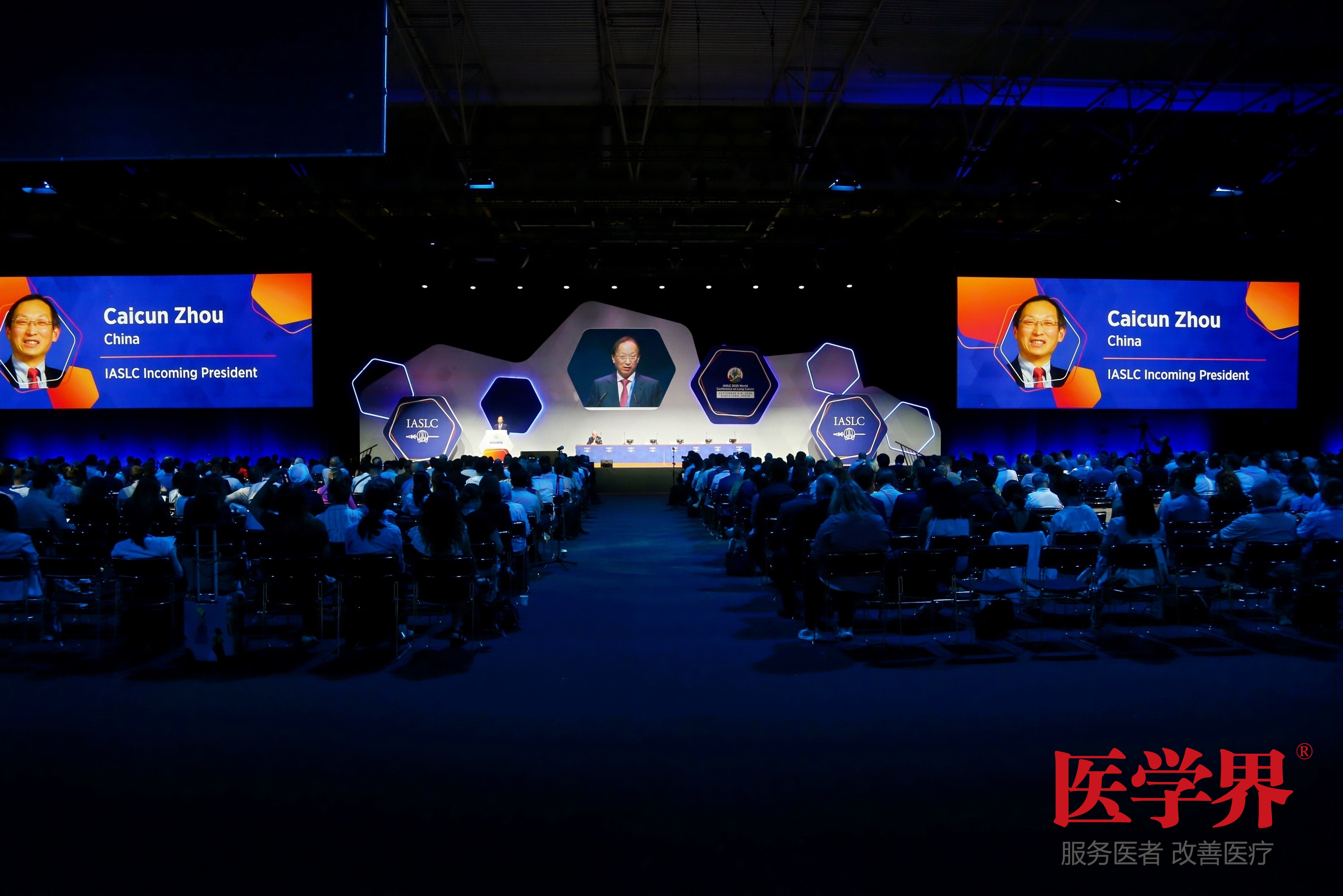
On September 8, the conference witnessed a historic moment: the International Association for the Study of Lung Cancer (IASLC) held a presidential flag-handover ceremony. Dr. Paul Van Schil from Antwerp University Hospital, Belgium, concluded his term and officially transferred the presidency to Dr. Caicun Zhou from Shanghai East Hospital, Tongji University. This marks the official beginning of Dr. Caicun Zhou’s term as IASLC President (2025–2027), with his leadership expected to further advance the global field of thoracic oncology.
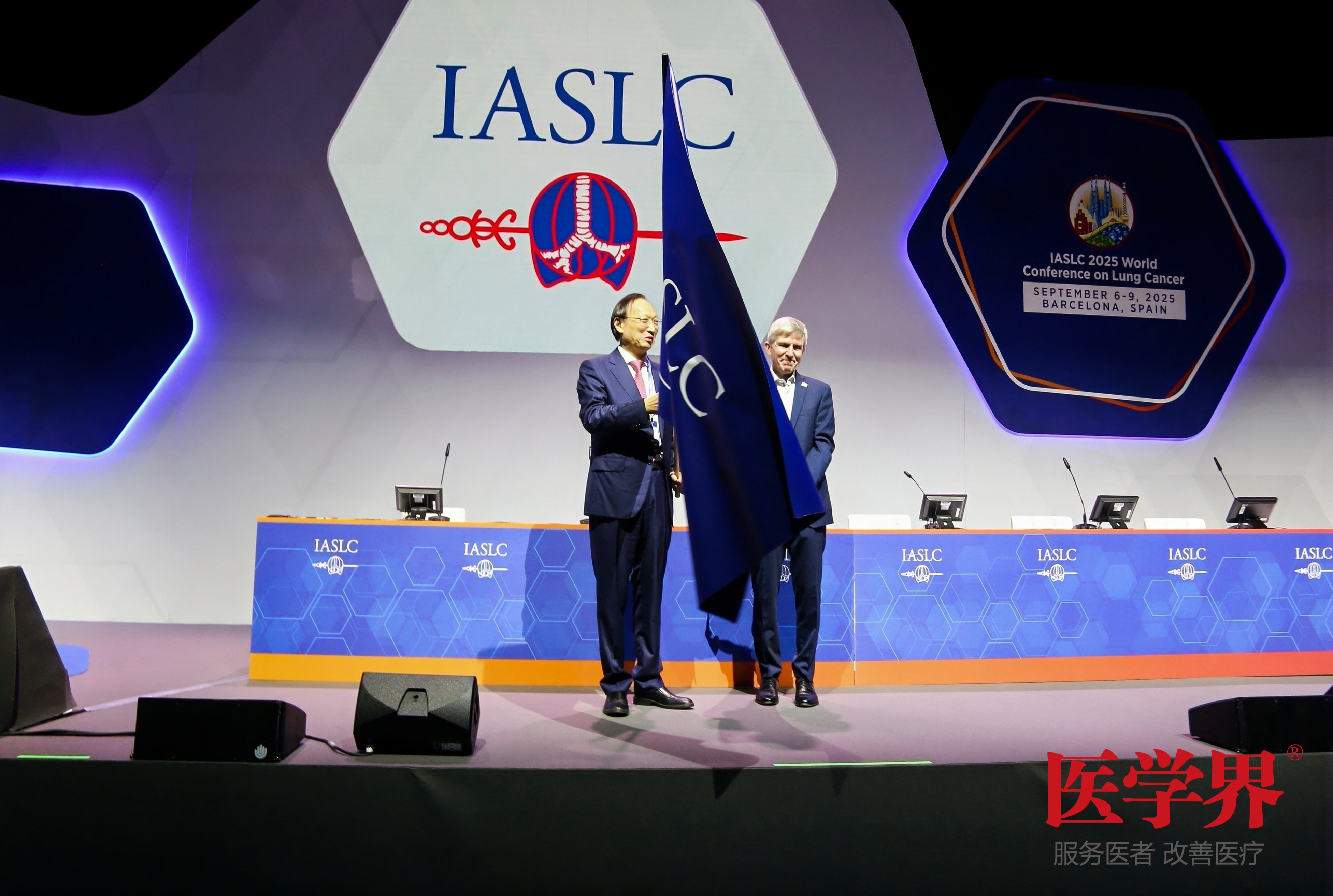
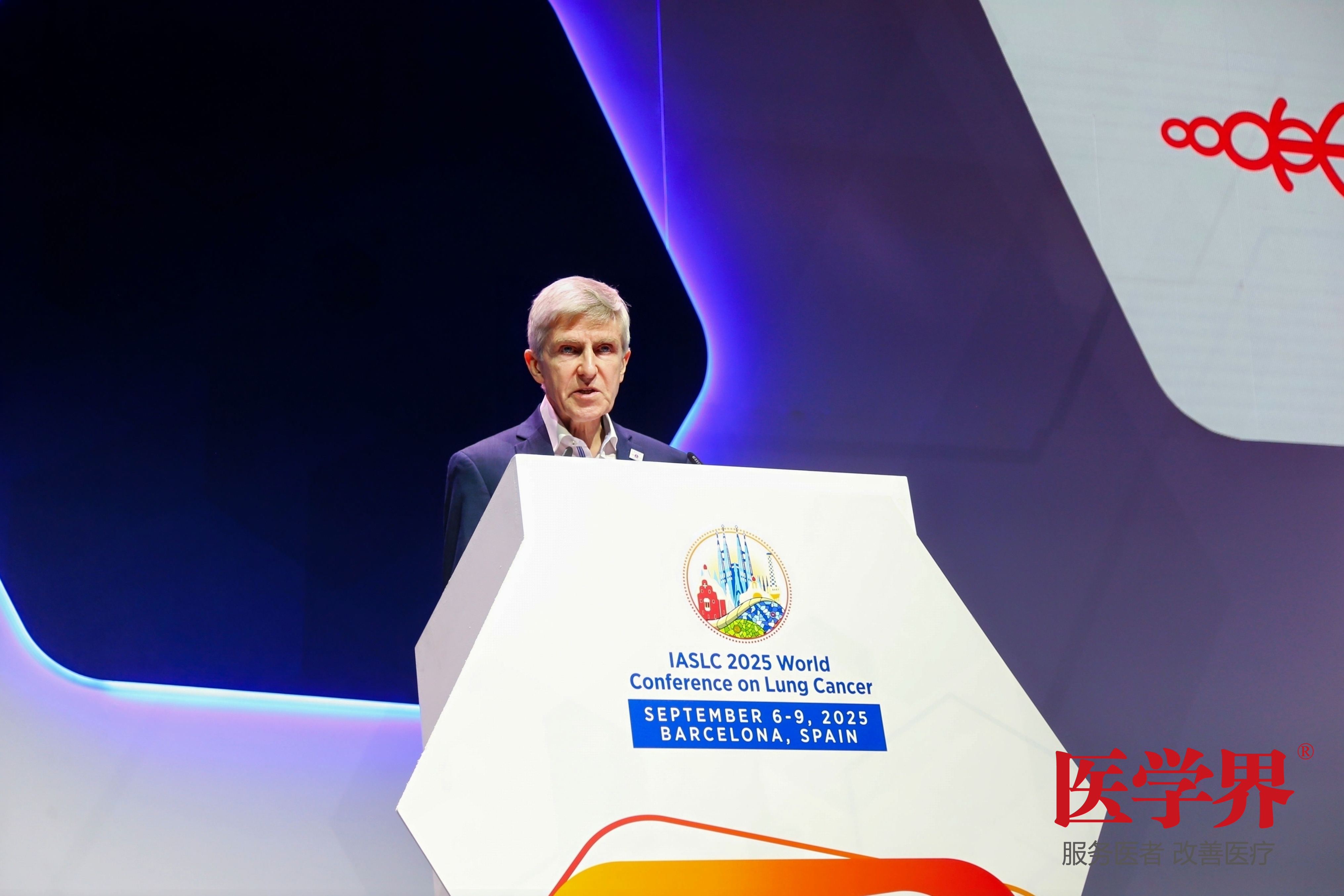
At the ceremony, Dr. Paul Van Schil reflected with gratitude on his tenure, describing service to IASLC as the “honor of a lifetime.” Though a thoracic surgeon from a “relatively niche” specialty within the association, his election exemplified IASLC’s inclusive philosophy—that everyone has a path to leadership. He highlighted five key achievements: steady progress on the 9th edition Tumor Staging Project, the growth of the association’s two academic journals, the launch of the five-year strategic plan in 2024, expanded global collaborations, and the establishment of the Lung Cancer 360 education platform. He also recalled the IASLC 50th anniversary celebration and expressed full confidence in Dr. Caicun Zhou’s leadership.
In his inaugural address, Dr. Caicun Zhou expressed deep appreciation for Dr. Paul Van Schil’s exceptional leadership and contributions, calling his own appointment “one of the greatest honors” of his life. He underscored the patient-centered philosophy at the core of his vision, emphasizing that lung cancer is not merely a disease but a shared global health challenge, and that no patient should be denied access to optimal treatment.
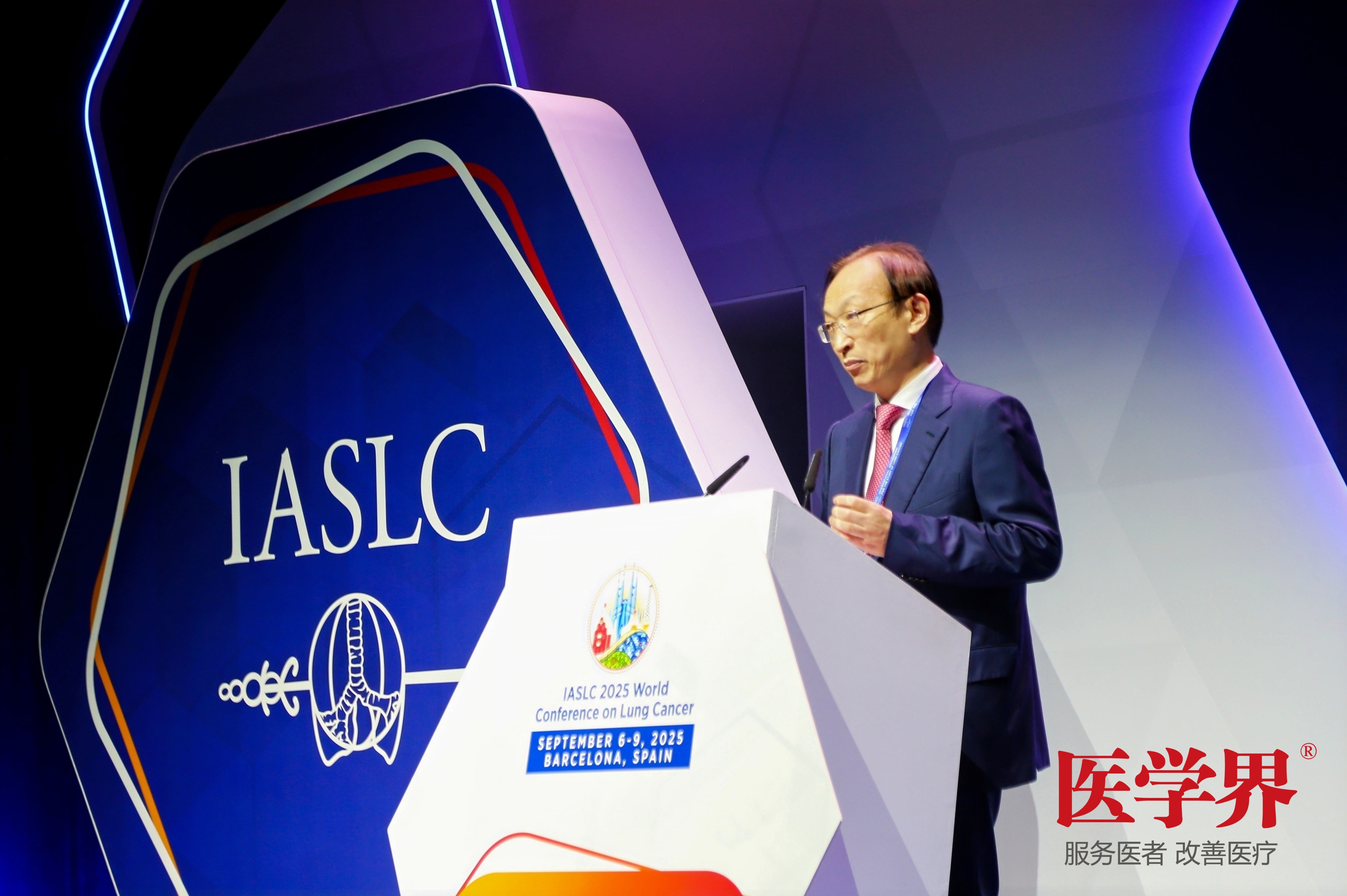
Reflecting on his career that began in Shanghai and later spanned the globe, Dr. Caicun Zhou reaffirmed IASLC’s guiding spirit that “cancer knows no borders.” With more than 8,000 members across 110 countries, IASLC has been built on multidisciplinary collaboration and aspires to remain the global authority in thoracic oncology. Looking ahead, he outlined four priorities: strengthening international and multidisciplinary research, promoting innovation and expanding global clinical trials, reducing disparities through educational initiatives, and raising awareness of the humanistic aspects of lung cancer while prioritizing patients’ voices. He pledged to dedicate himself fully to serving members and called for collective efforts to make lung cancer a curable disease.

