


Introduction:
When T-DXd Has Become a Global Consensus, Can Domestic ADCs Break Through?
HER2-positive breast cancer was once regarded as the molecular subtype with the worst prognosis, and the development of anti-HER2 targeted agents has completely rewritten the fate of this patient population. Trastuzumab deruxtecan (T-DXd) has now become the global standard second-line therapy for HER2-positive advanced breast cancer. However, in many countries and regions including China, pyrotinib plus capecitabine remains an important second-line option, reflecting regional differences in treatment pathways. In this context, a question naturally arises: in the T-DXd era, how can domestic HER2-targeted antibody-drug conjugates (ADCs) break through?
Recently, The Lancet Oncology published online the interim results of the HORIZON-Breast01 study, led by the team of Prof. Erwei Song of Sun Yat-sen Memorial Hospital, with encouraging data answering this question [1].
 Fig. 1. Study Screenshot
Study Design: Anchored in Chinese Clinical Practice, Challenging the Second-Line Standard
HORIZON-Breast01 is a multicenter, open-label, randomized controlled Phase 3 clinical trial. The most valuable feature of its design is the choice of control — the investigators did not select T-DXd, which is not yet widely available in China, but rather the pyrotinib plus capecitabine regimen explicitly recommended as the second-line standard by the Chinese Society of Clinical Oncology (CSCO) guidelines. This design ensures that the study conclusions directly address the core concerns of Chinese clinicians: how much better is rarecituximab than our current standard regimen?
1. Inclusion Criteria
The study enrolled 287 HER2-positive advanced breast cancer patients who had previously received trastuzumab and taxane therapy in the advanced setting, or progressed within 12 months after receiving anti-HER2 monoclonal antibody plus taxane in the neoadjuvant/adjuvant setting.
2. Randomization
Patients were randomized 1:1 to the rarecituximab group (142 patients, starting dose 4-8 mg/kg every 3 weeks) or the pyrotinib plus capecitabine group (145 patients, pyrotinib 400 mg once daily + capecitabine 1,000 mg/m² twice daily for the first 14 days of each 3-week cycle).
3. Endpoints
The primary endpoint was progression-free survival (PFS) assessed by blinded independent central review (BICR). Secondary endpoints included investigator-assessed PFS, overall survival (OS), objective response rate (ORR), duration of response (DoR), and safety.
It is worth noting that baseline characteristics were well balanced between the two groups: 72% of patients had previously received pertuzumab, 76% had HER2 immunohistochemistry (IHC) 3+ expression, and median prior lines of therapy was 1 in both groups — fully representative of the typical treated HER2-positive advanced breast cancer population in current clinical practice.
Efficacy Analysis: Consistent Benefit Across All Subgroups, Record-Breaking Data
At the data cutoff of June 30, 2025, with median follow-up of 15.0 months (rarecituximab) and 13.9 months (control), a total of 124 PFS events had occurred. The results demonstrated overwhelming efficacy advantage.
1. Primary Endpoint
Median PFS in the rarecituximab group was 30.6 months (95% CI: 16.8-not reached), versus only 8.3 months in the control group (95% CI: 6.9-11.0). The hazard ratio (HR) was as low as 0.22 (95% CI: 0.15-0.34), P<0.0001, meaning the risk of disease progression or death was reduced by 78%. The 12-month PFS rates were 84.7% and 35.5%, respectively — a striking difference.
This 30.6-month median PFS figure is one of the longest reported in any Phase 3 study of second-line therapy for HER2-positive advanced breast cancer to date.
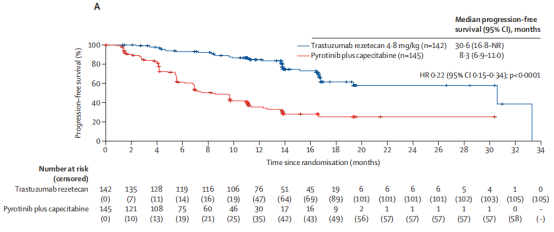 Fig. 2. PFS Kaplan-Meier Estimates by BICR
2. Secondary Endpoints
The investigator-assessed median PFS also showed significant benefit (33.3 vs 8.1 months, HR=0.16); ORR reached 81.7% (vs 55.9% in the control group), meaning the vast majority of patients receiving rarecituximab achieved substantial tumor shrinkage; median DoR was also longer, at 27.8 vs 10.9 months. OS data are still immature (median OS not reached in either arm), but a clear trend toward benefit has been observed (HR=0.31, nominal P=0.0012), with 12-month OS rates of 96.3% and 88.4%, respectively.
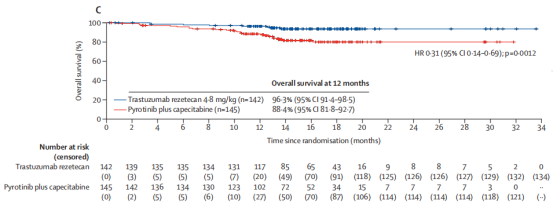 Fig. 3. OS Kaplan-Meier Estimates. Source: as cited in the source report.
3. Subgroup Analysis
Rarecituximab’s PFS benefit was consistent across virtually all pre-specified subgroups, including by hormone receptor status, HER2 expression level (IHC 3+ or IHC 2+/ISH+), presence of visceral metastases, prior pertuzumab therapy, and number of prior therapy lines (1 vs ≥2). This broad subgroup consistency strongly demonstrates the robustness and universality of the drug’s efficacy.
4. Considerations for Subsequent Therapy
Notably, in the control group, 58% of patients received subsequent antitumor therapy after disease progression, of whom 50% received subsequent anti-HER2 ADC therapy (including 23% who received T-DXd). Despite such strong subsequent-line therapy crossover, rarecituximab still demonstrated significant PFS and OS benefit trends, further validating its clinical value as a frontline second-line therapy.
Safety Analysis: Distinct Safety Profile, Low ILD Incidence
The incidence of any-grade treatment-related adverse events (TRAEs) in the rarecituximab group was 99% (vs 100% in the control group), with comparable overall incidence between the two groups.
The most common adverse events (AEs) were hematologic toxicities, with grade ≥3 events primarily consisting of neutrophil count decrease (54% vs 9%), white blood cell count decrease (20% vs 3%), and platelet count decrease (11% vs 1%). These hematologic events have extensive clinical management experience and can usually be effectively controlled through dose adjustment and supportive care.
The incidence of treatment-related serious adverse events (TRSAEs) was similar between the two groups (13% vs 12%). The proportion of patients requiring dose reduction due to AEs in the rarecituximab group was 23%, significantly lower than the control group’s 65%; the proportion of permanent treatment discontinuation due to AEs was only 5% (vs 1% in the control group), suggesting favorable overall tolerability.
Particular attention is warranted regarding interstitial lung disease (ILD): 4 cases (3%) occurred in the rarecituximab group, with no grade ≥4 events, and an exposure-adjusted incidence of 2.5%/patient-year, significantly lower than the 10.5% reported for T-DXd in DESTINY-Breast03. This may be related to its drug-to-antibody ratio (DAR) of 6 and chiral cyclopropyl modification of the payload, which enhances plasma stability.
Clinical Decision-Making Implications and Future Outlook
The interim analysis of HORIZON-Breast01 carries multi-layered clinical significance.
1. Provides Clear Evidence of Efficacy Advantage
On the core endpoint of median PFS, rarecituximab not only significantly outperformed the current Chinese standard regimen, but its 30.6-month figure is also leading globally among similar studies. Although cross-trial comparisons require caution, this value is in the same range as T-DXd’s mature PFS in DESTINY-Breast03 (approximately 28.8 months), establishing its academic position as a highly effective new ADC.
2. Provides Localized Evidence for Chinese Clinical Practice
Unlike T-DXd’s pivotal registration studies, HORIZON-Breast01 used the regimen recommended by Chinese clinical guidelines as the control, with all enrolled patients being Chinese. This design enables the study conclusions to directly and powerfully guide Chinese physicians’ clinical decisions, and provides high-quality evidence-based support for medical insurance access and drug availability policies.
3. Enriches the Dimensions of Clinical Decision-Making
In a time when T-DXd has already established a global position, the emergence of rarecituximab is not a simple “me too” but a choice with comparable efficacy but a differentiated safety profile. For patients with baseline impaired lung function, high ILD risk, or poor tolerance of gastrointestinal adverse events, rarecituximab may become a more attractive treatment option.
Summary
In summary, rarecituximab provides HER2-positive advanced breast cancer patients with an efficient, safe, and clearly supported by Chinese-population data new second-line treatment strategy. As OS data mature and clinical experience accumulates, this drug is expected to occupy an important position in the global treatment landscape for HER2-positive breast cancer.
Reference
[1] Yao H, Zhang Q, Li H, et al. Rarecituximab versus pyrotinib plus capecitabine for patients with HER2-positive metastatic breast cancer (HORIZON-Breast01): interim analysis of a multicentre, open-label, randomised, controlled, phase 3 trial. Lancet Oncol. 2026; Published Online July 1, 2026.

