


A Hong Kong teenager suffering from a rare PROS syndrome has successfully undergone facial tumor resection and functional reconstruction surgery at the Seventh Affiliated Hospital of Sun Yat-sen University in China. The patient had a right facial mass present since birth, which recurred after five surgeries over 19 years, causing severe facial deformation and hearing loss. The successful diagnosis and treatment of this case demonstrate significant progress in China’s rare disease management.
A Long Medical Journey: Five Surgeries Fail to Resolve the Condition
The 19-year-old patient had a right facial mass since infancy and was diagnosed with a lipoma at a local hospital at age 1, undergoing the first resection. Unfortunately, over the next 18 years, despite four additional surgeries, the tumor recurred repeatedly and grew more aggressively each time. As the tumor enlarged, it caused severe deformation of the right side of the face, affecting the lip, nose, and jaw. The ear canal was completely blocked by overgrown bone, resulting in significant hearing loss.
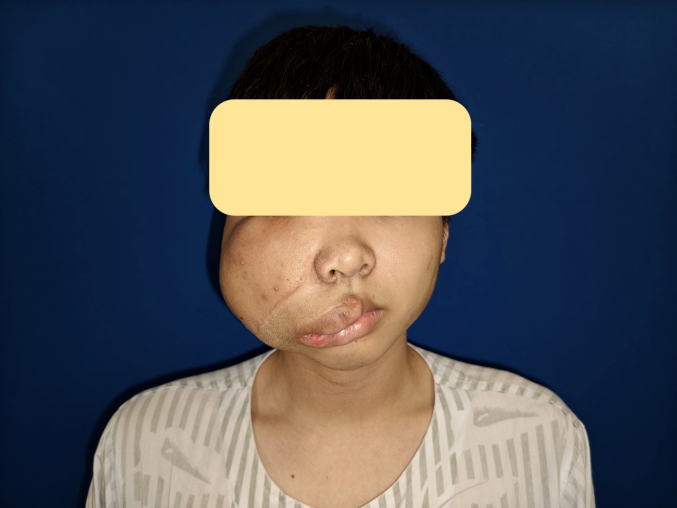
Figure 1: Preoperative photo of Xiao Li. Image source: The Seventh Affiliated Hospital of Sun Yat-sen University.
After unsuccessful treatment attempts, the patient’s family was referred to Dr. Yunping Fan, Chief of the Department of Otolaryngology at the hospital, known for his expertise in oral and maxillofacial surgery. They traveled from Hong Kong to Shenzhen for consultation. After detailed examination, Dr. Fan found the condition far more complex than anticipated: besides the visible mass, there was extensive bone hyperplasia at the nasal root compressing nerves—causing frequent pain—and a cholesteatoma in the right ear posing a risk of intracranial infection.
Precise Diagnosis: Unraveling the One-in-a-Million Rare Disease
Faced with this complex case, Dr. Fan’s team arranged detailed imaging. Deputy Chief Physician Yalei Shang and Physician Huabin Huang from the Radiology Department identified three key features on CT scans: lipoma accompanied by skeletal deformity, soft tissue density lesions with calcification, and fluid accumulation suggesting right otomastoiditis. These findings led the team to suspect CLOVES syndrome, a form of PROS (PIK3CA-Related Overgrowth Spectrum) disorder.
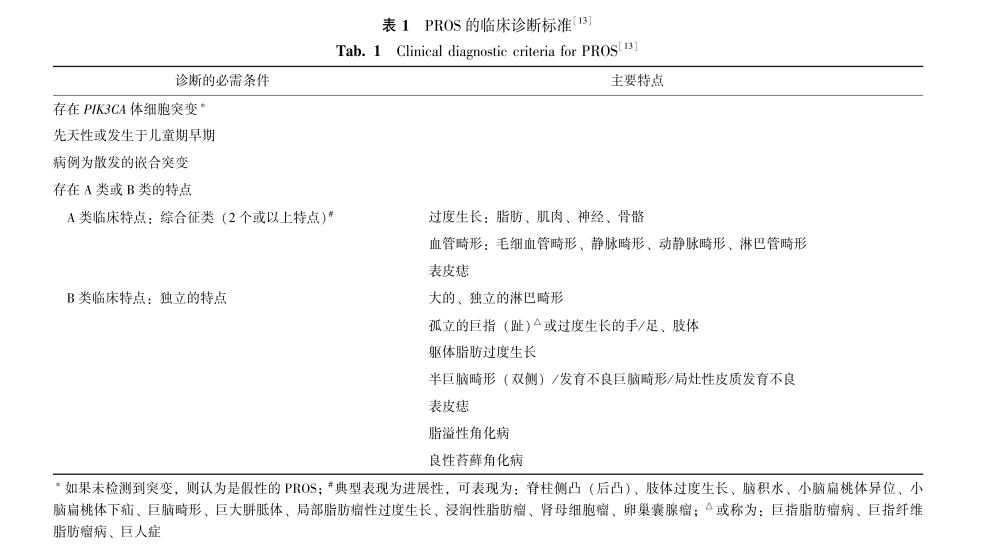
Figure 2: Clinical Diagnostic Criteria for PROS Syndrome. Image source: "Current Diagnosis and Treatment Status of PIK3CA-Related Overgrowth Spectrum Disorders".
PROS is caused by somatic PIK3CA mutations, with a global incidence of only around one in a million. The mutation leads to uncontrolled tissue overgrowth. Due to the rarity of the disease, genetic testing is essential for confirmation. However, detecting the mosaic PIK3CA mutation is complex and costly—amounting to approximately 30,000 RMB out-of-pocket. Despite the financial strain from previous surgeries, the family opted for testing, which confirmed PROS syndrome.
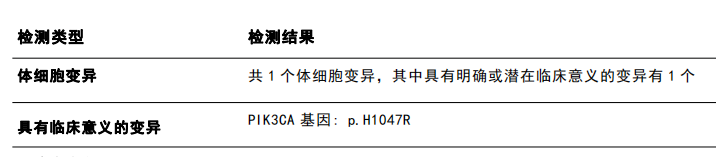
Figure 3: Genetic test results of Xiao Li. Image source: The Seventh Affiliated Hospital of Sun Yat-sen University.
The hospital quickly formed a multidisciplinary team (MDT) involving otolaryngology, radiology, pathology, oncology, neurosurgery, prenatal diagnosis, and stomatology. After thorough discussion, the MDT designed a staged treatment plan: first, remove the facial mass and perform maxillofacial reconstruction; second, address the ear condition; and finally, establish long-term follow-up with medication if needed. This approach balanced urgency with sustainable management.
High-Risk Surgery: Facial Reconstruction Completed in 7 Hours
On June 18, Dr. Fan’s team began the first-stage surgery, which posed three major challenges: preserving delicate facial nerves to avoid paralysis, managing severe scar tissue from five prior surgeries, and addressing irregular bone deformities. In a seven-hour procedure, the team successfully removed the tumor, reshaped the facial bones, and transplanted a myocutaneous flap from the thigh to repair the defect.
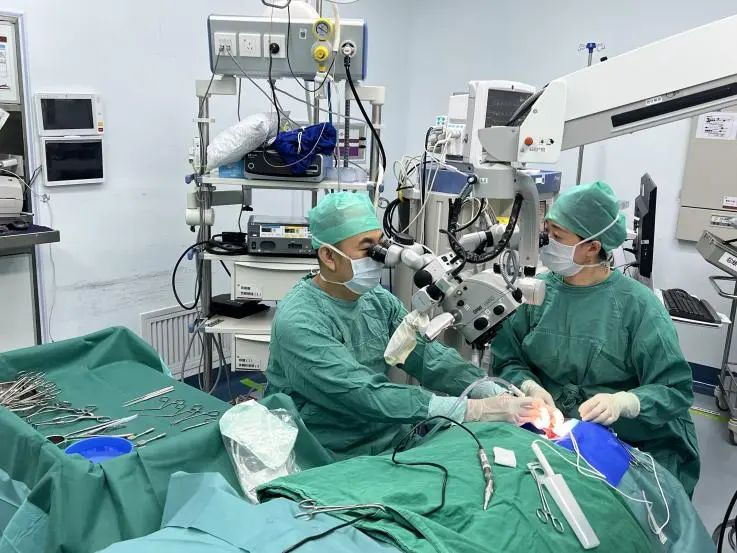
Figure 4: Dr. Fan Yunping and Dr. Qi Hui performing surgery. Image source: The Seventh Affiliated Hospital of Sun Yat-sen University.
During surgery, a critical finding emerged: as bone at the ear canal was ground away, a large amount of pus was released. Dr. Fan remarked, “This finding underscored the urgency of the procedure, as further delay could have led to intracranial infection or even life-threatening complications.” A month later, the team performed a cholesteatoma removal, carefully separating lesions adhered to the auditory ossicles. The patient now reports improved hearing to a mild hearing loss level, with final results pending a six-week postoperative hearing test.
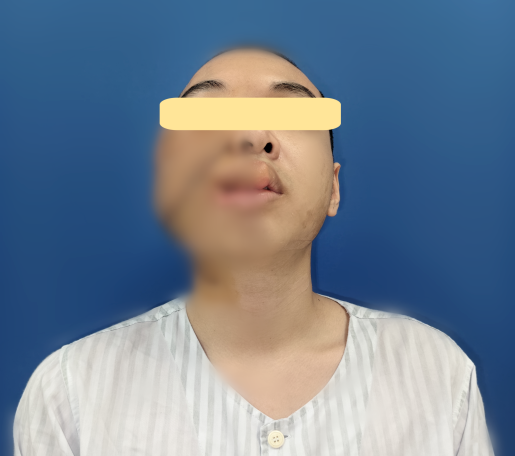
Figure 5: Postoperative photo of Xiao Li showing largely restored facial symmetry. Image source: The Seventh Affiliated Hospital of Sun Yat-sen University.
Dr. Fan emphasized that PROS syndrome was included in China’s Second List of Rare Diseases in September 2023, marking an important milestone. While targeted drugs such as PI3K inhibitors have shown clinical efficacy, considering the patient’s age, financial situation, and potential long-term risks, the team adopted a “monitor-and-intervene” strategy, involving regular follow-ups and introducing medication only if necessary, to balance disease control and economic burden.
This case highlights the critical role of multidisciplinary collaboration in rare disease management. From accurate diagnosis and personalized surgery to acute intervention and long-term care, the team established a comprehensive framework for PROS syndrome. Although a clinician may encounter such a case only once in a career, each successful treatment contributes significantly to medical progress.
The patient’s facial appearance and function have improved markedly, and this experience offers valuable insights for managing similarly complex cases. With continuous improvement in China’s rare disease diagnosis and treatment system, more patients can hope to receive timely and effective care, restoring their health and quality of life.

