


Biliary tract cancer (BTC) includes intrahepatic cholangiocarcinoma, extrahepatic cholangiocarcinoma, and gallbladder cancer. These tumours are heterogeneous, often lack typical early symptoms, and have no established screening approach; many patients are ineligible for curative surgery at diagnosis. TOPAZ-1 established durvalumab plus chemotherapy as a first-line standard for advanced BTC, but further improvement in survival remains needed.
Ivonescimab is a bispecific antibody targeting PD-1 and VEGF, designed to modulate immune checkpoint signaling and angiogenesis simultaneously. At ESMO 2026,Prof.Jian Zhou of Zhongshan Hospital, Fudan University, presented the prespecified interim analysis of the phase 3 HARMONi-GI1 trial (abstract LBA8), comparing first-line ivonescimab plus gemcitabine and cisplatin with durvalumab plus the same chemotherapy.
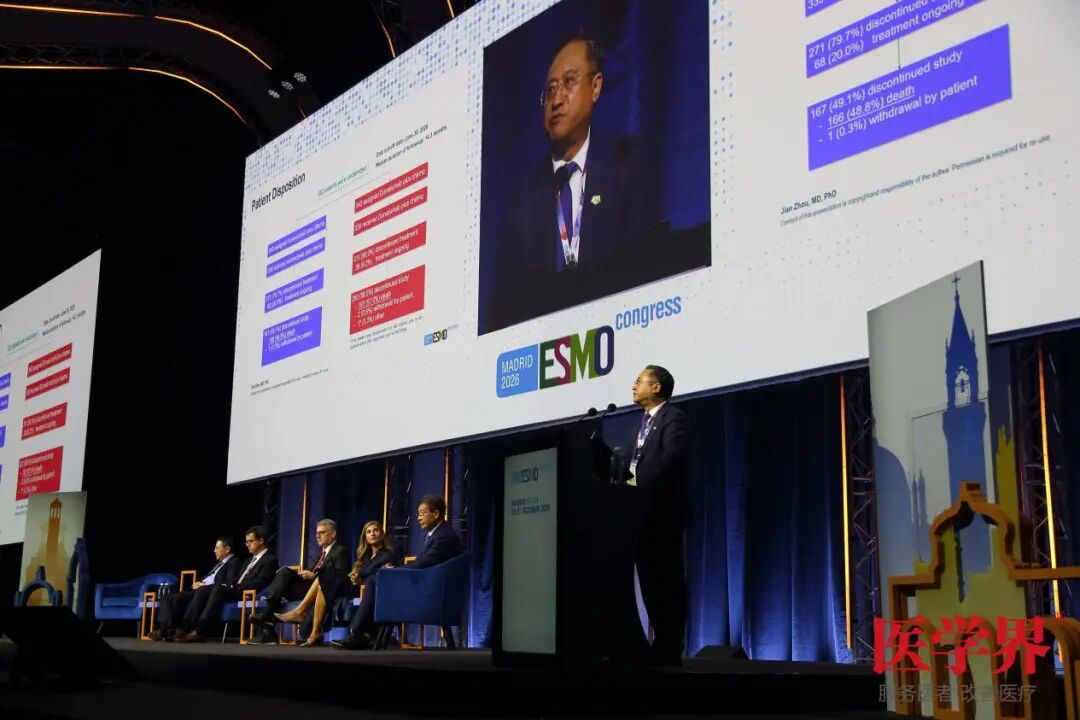 Fig. 1.Prof.Jian Zhou Presenting HARMONi-GI1 at ESMO 2026
Article Key Points
- HARMONi-GI1 compared ivonescimab versus durvalumab, each with gemcitabine and cisplatin, in first-line advanced BTC
- The randomized double-blind phase 3 trial enrolled 682 patients across multiple centres in China
- Median follow-up was 14.3 months at the June 30, 2026, data cutoff
- Median OS was 14.9 versus 12.1 months (HR 0.75, 95% CI 0.61-0.92, one-sided P=0.0031)
- Median PFS was 8.4 versus 5.8 months (HR 0.61, 95% CI 0.51-0.72, one-sided P<0.0001)
- ORR was 53.8% versus 32.5%, and DCR was 91.5% versus 77.8%
- Grade 3/4 adverse events during treatment occurred in 82.0% versus 72.3% of patients
- Proteinuria and hypertension were more frequent with ivonescimab, but were mostly grade 1 or 2
- The prespecified interim analysis was presented as a conference abstract and has not been peer-reviewed
Study Design and Baseline Characteristics
HARMONi-GI1 is a multicentre, randomized, double-blind, controlled phase 3 trial conducted in China. It enrolled previously untreated patients with unresectable locally advanced or metastatic BTC. Participants were stratified by disease status, locally advanced or metastatic, and primary tumour site, intrahepatic cholangiocarcinoma, extrahepatic cholangiocarcinoma, or gallbladder cancer, before 1:1 randomization.
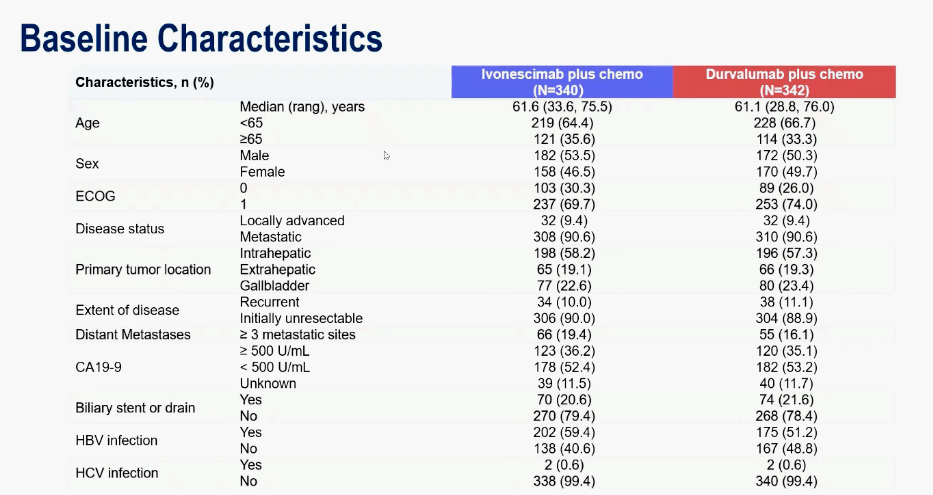
The trial planned to enroll 682 eligible patients. At the June 30, 2026, data cutoff, 340 patients had been assigned to ivonescimab plus chemotherapy and 342 to durvalumab plus chemotherapy. Median follow-up was 14.3 months. Baseline characteristics were balanced: median age was approximately 61 years, more than 90% had metastatic disease, and nearly 60% had intrahepatic cholangiocarcinoma. Compared with similar BTC trials conducted in Europe and North America, this cohort included a higher proportion of patients with hepatitis B virus infection. Baseline carbohydrate antigen 19-9, previous biliary stent placement, ECOG performance status, and other prognostic characteristics did not differ markedly between groups.
The primary endpoint was overall survival (OS). Secondary endpoints included investigator-assessed progression-free survival (PFS) and objective response rate (ORR).
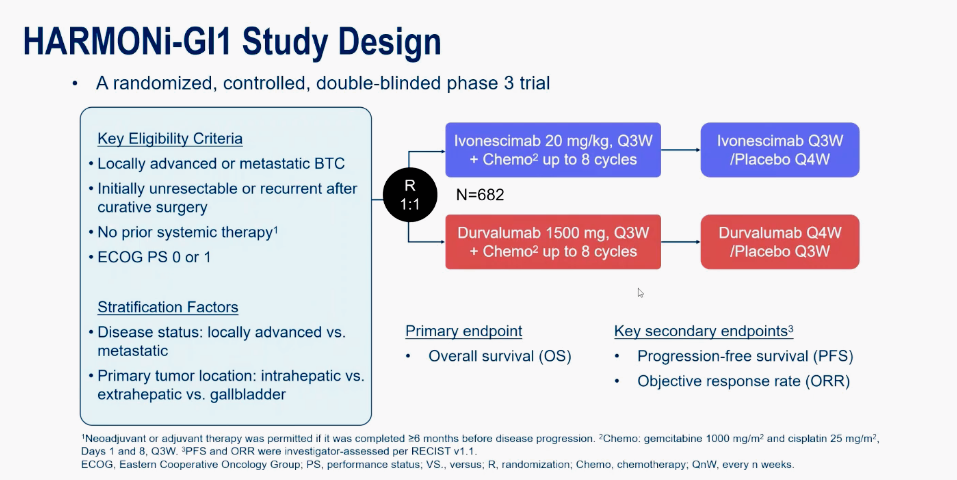 Fig. 2. HARMONi-GI1 Study Design
Table 1. Baseline Patient Characteristics
Overall Survival Met the Prespecified Superiority Boundary
The interim analysis met the prespecified superiority endpoint for OS. Median OS was 14.9 months with ivonescimab plus chemotherapy (95% CI 12.9-NE) versus 12.1 months with durvalumab plus chemotherapy (95% CI 11.0-13.4), giving a hazard ratio (HR) of 0.75 (95% CI 0.61-0.92, one-sided P=0.0031). The result crossed the statistical superiority boundary specified for the interim analysis.
The 12-month OS rate was 59.7% with ivonescimab versus 50.7% with durvalumab; the corresponding 18-month rates were 44.0% and 32.5%. Prespecified subgroup analyses showed trends favouring ivonescimab in patients with locally advanced disease, intrahepatic cholangiocarcinoma, older age, female sex, and ECOG performance status 1. Some subgroups were small and their confidence intervals were wide.
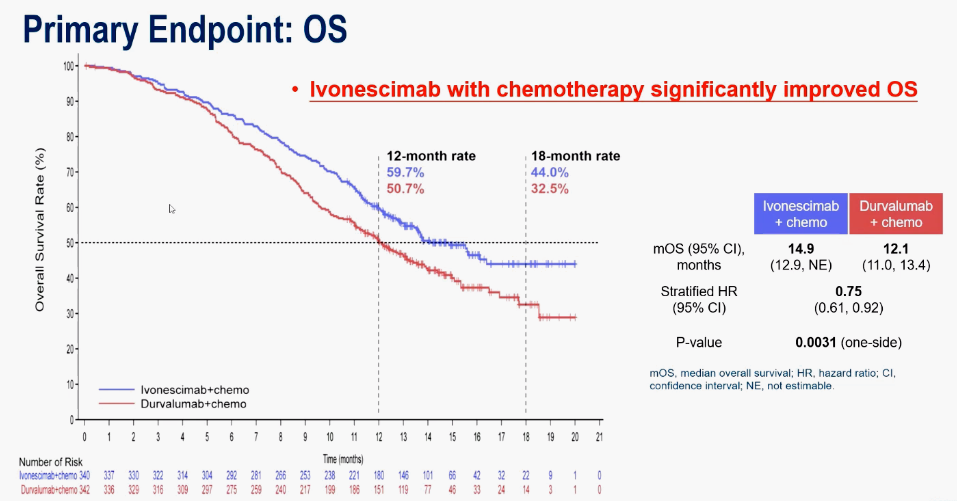 Fig. 3. Overall Survival Outcomes in HARMONi-GI1
Progression-Free Survival Improved Early
Median investigator-assessed PFS was 8.4 months with ivonescimab plus chemotherapy (95% CI 7.5-9.3) versus 5.8 months with durvalumab plus chemotherapy (95% CI 5.6-7.2). The stratified HR was 0.61 (95% CI 0.51-0.72, one-sided P<0.0001).
The 6-month PFS rates were 68.7% and 49.3%, respectively, and the 9-month rates were 49.3% and 31.7%. The curves separated early and the between-group difference persisted during subsequent follow-up. Most subgroups showed a PFS benefit. In the gallbladder cancer subgroup, the HR was 0.66 (95% CI 0.47-0.94).
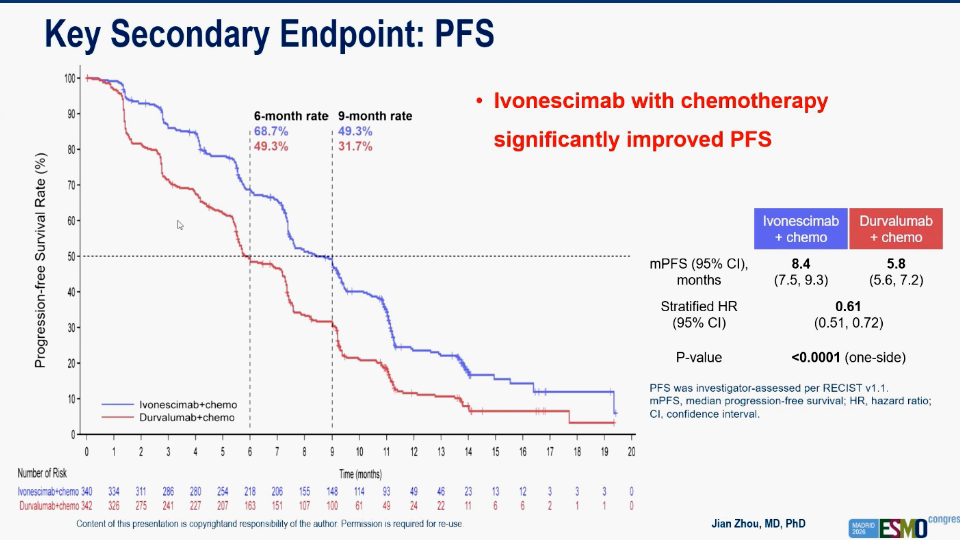 Fig. 4. Progression-Free Survival Outcomes in HARMONi-GI1
Tumour Response and Disease Control
ORR was 53.8% with ivonescimab plus chemotherapy (95% CI 48.4%-59.2%) versus 32.5% with durvalumab plus chemotherapy (95% CI 27.5%-37.7%). Disease control rates (DCRs) were 91.5% and 77.8%, respectively.
By primary tumour site, ORR in the intrahepatic cholangiocarcinoma subgroup was 54.0% versus 30.1%, in the extrahepatic cholangiocarcinoma subgroup 47.7% versus 36.4%, and in the gallbladder cancer subgroup 58.4% versus 35.0%.
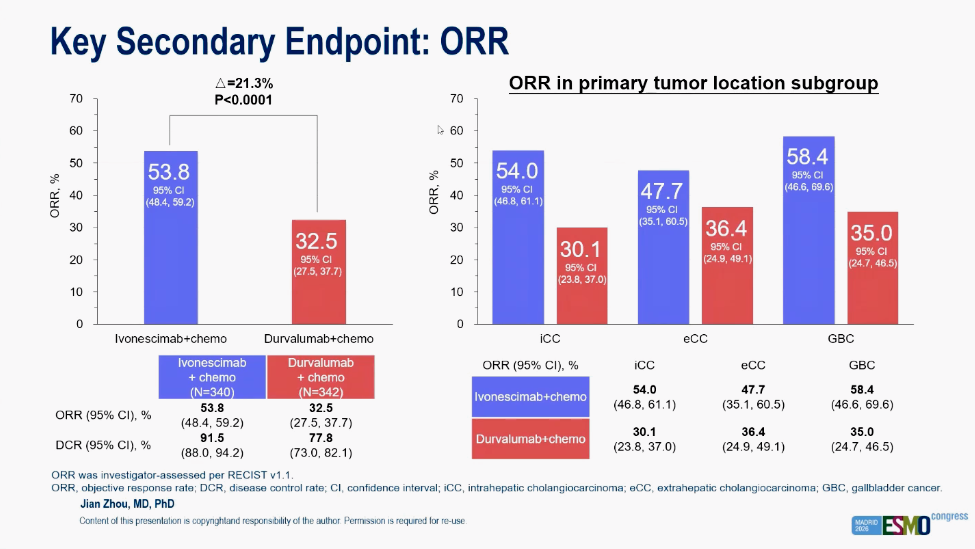 Fig. 5. Objective Response Outcomes by Primary Tumour Site
Safety Included Higher Rates of Proteinuria and Hypertension
Grade 3/4 adverse events during treatment occurred in 82.0% of the ivonescimab group and 72.3% of the control group. Serious adverse events occurred in 43.4% and 43.7%, respectively. Discontinuation because of a study drug occurred in 3.5% versus 5.6%.
Fatal adverse events occurred in 3.2% versus 3.8%, and fatal adverse events considered related to a study drug occurred in 0.9% versus 1.8%. The incidence of grade 3 or higher immune-related adverse events was 4.1% in both groups.
The overall adverse-event profile was consistent with the known toxicities of gemcitabine plus cisplatin, with haematological toxicities the most common events. Consistent with VEGF inhibition, proteinuria was more frequent with ivonescimab, at 32.2% versus 11.8%, as was hypertension, at 15.0% versus 2.4%. Most of these events were grade 1 or 2. Grade 3 or higher proteinuria occurred in 2.7% of the ivonescimab group, and grade 3 or higher hypertension in 5.6%. Grade 3 or higher bleeding events occurred in 1.5% versus 1.8%, and no marked between-group difference was reported in arterial or venous thrombotic events. No new unexpected safety signal was identified in this analysis.
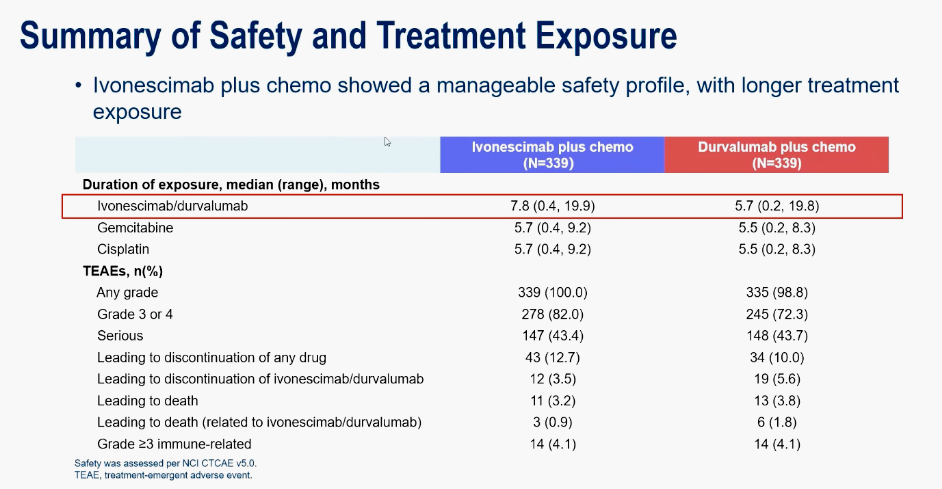 Fig. 6. Safety Outcomes in HARMONi-GI1
Interim Evidence and Remaining Questions
HARMONi-GI1 directly compared two immunotherapy-based combinations in the first-line treatment of advanced BTC. According to the investigators, the prespecified interim analysis met superiority endpoints for OS, PFS, and ORR. Unlike many previous BTC studies conducted predominantly in Europe and North America, this trial enrolled patients through a Chinese multicentre network and included a higher proportion with HBV infection, making its baseline profile relevant to Chinese clinical practice.
The analysis remains interim. Mature final OS data, patient-reported quality-of-life outcomes, and exploratory biomarker and subgroup analyses have not yet been released. Longer-term survival, delayed safety events, and effectiveness and tolerability in routine practice therefore require the final trial dataset and subsequent real-world evaluation.

