


At the Presidential Symposium of the ESMO 2026 Congress, results of the phase 3 HARMONi-GI1 trial (AK112-309), the first phase 3 study of the PD-1/VEGF bispecific antibody ivonescimab in biliary tract cancer, were presented as late-breaking abstract LBA8 by Prof. Jian Zhou, an academician of the Chinese Academy of Sciences and president of Zhongshan Hospital, Fudan University. Only 12 studies were selected for this year’s Presidential Symposium; ivonescimab has had a phase 3 study selected for two consecutive years, extending from lung cancer to biliary tract cancer.
Expert Profile: Prof. Jian Zhou

- Academician of the Chinese Academy of Sciences
- President, Zhongshan Hospital, Fudan University
- Executive Deputy Director, Liver Cancer Institute, Fudan University
- Recipient of the National Science Fund for Distinguished Young Scholars; Chang Jiang Scholars Distinguished Professor
- National leading talent in scientific and technological innovation (“Ten Thousand Talents Program”); Shanghai Science and Technology Elite
- Executive Chairman, Expert Committee of the National Health Commission Guideline for Diagnosis and Treatment of Primary Liver Cancer
- Chairman, Oncology Branch, Chinese Medical Association
- Immediate Past President, Asia-Pacific Primary Liver Cancer Expert Alliance (APPLE)
- Vice President and Secretary-General, Surgery Branch, Chinese Medical Doctor Association
- Chairman, Hepatobiliary Cancer Expert Committee, Chinese Society of Clinical Oncology (CSCO)
- Executive Council Member, Asian Pacific Association for the Study of the Liver (APASL)
- Chair-elect, Organ Transplantation Branch, Shanghai Medical Association
- Recipient of five National Science and Technology Progress Awards (first completer once, second completer twice)
- 155 SCI papers as first or corresponding author in Lancet, N Engl J Med, Cell, Science, J Clin Oncol, and other journals; H-index 100
Article Key Points
- Phase 3 HARMONi-GI1 (LBA8): ivonescimab plus GC vs durvalumab plus GC, first-line advanced BTC
- 682 patients randomized 1:1 (340 vs 342), covering iCCA, eCCA, and gallbladder cancer
- Primary endpoint met: median OS 14.9 vs 12.1 months (HR 0.75, 95% CI 0.61-0.92, P=0.0031)
- Median PFS 8.4 vs 5.8 months (HR 0.61, P<0.0001); 6-month PFS 68.7% vs 49.3%
- ORR 53.8% vs 32.5% (P<0.0001); DCR 91.5% vs 77.8%
- Serious adverse events comparable (43.4% vs 43.7%); no new safety signals
- VEGF-related proteinuria (32.2% vs 11.8%) and hypertension (15.0% vs 2.4%) mostly grade 1-2
- Results presented as a conference abstract; not yet peer-reviewed
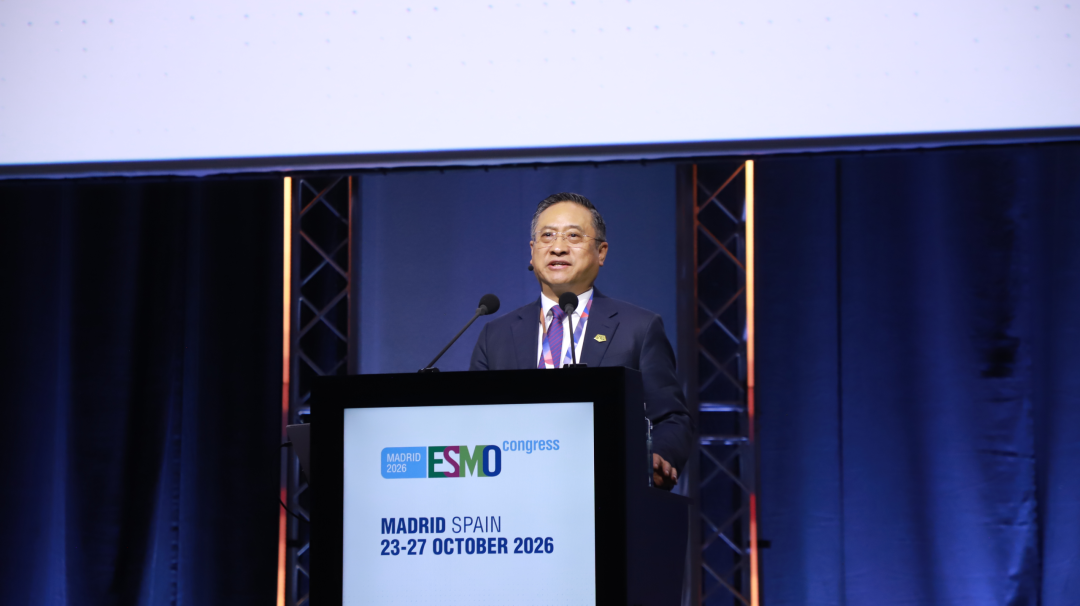 Fig. 1. Prof. Jian Zhou Presenting the HARMONi-GI1 Results at the ESMO 2026 Presidential Symposium
HARMONi-GI1 study results make a stunning debut, with OS reaching 14.9 months; the first head-to-head study to directly outperform the international first-line gold standard, leading the evolution of first-line treatment regimens for advanced biliary tract cancer
Study Design
HARMONi-GI1 (AK112-309) was a multicenter, randomized, double-blind, controlled registration-directed phase 3 trial that enrolled 682 patients with unresectable locally advanced or metastatic biliary tract malignancies, covering intrahepatic cholangiocarcinoma (iCCA), extrahepatic cholangiocarcinoma (eCCA), and gallbladder cancer (GBC). Patients were randomized 1:1 to ivonescimab plus gemcitabine-cisplatin (GC) chemotherapy or to durvalumab plus GC chemotherapy, the internationally recommended first-line standard regimen. The primary endpoint was OS; key secondary endpoints included PFS and ORR assessed by investigators per RECIST v1.1.
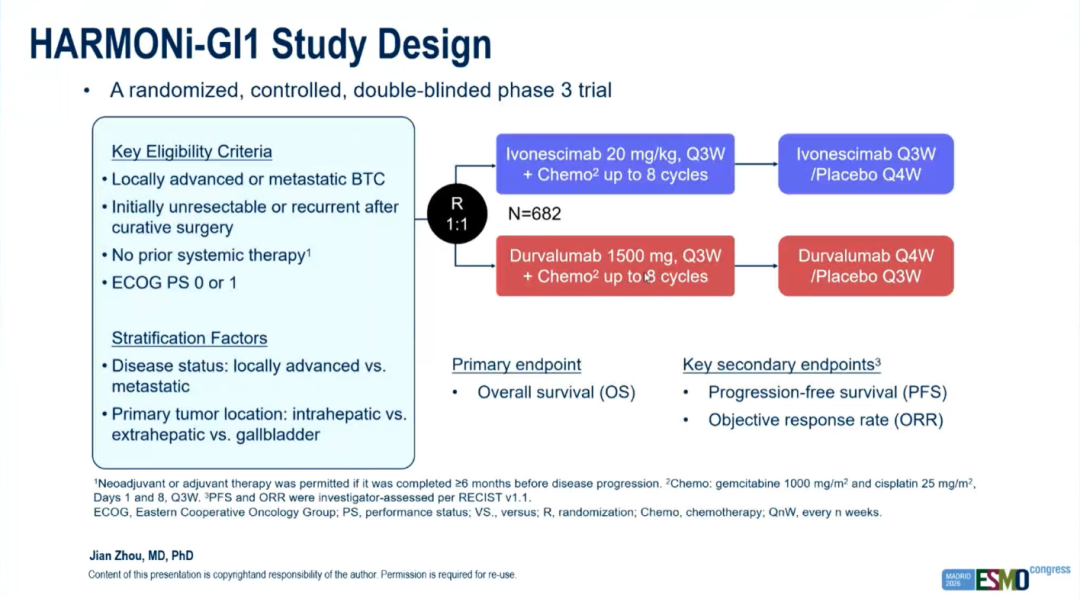 Fig.2. HARMONi-GI1 Study Design
Baseline Characteristics
The 682 randomized patients were assigned 1:1 to ivonescimab plus chemotherapy (n=340) or durvalumab plus chemotherapy (n=342). The population covered all three BTC subtypes, and randomization was stratified by disease status and primary tumor location, with balanced baseline characteristics between arms. At the data cutoff of June 30, 2026, the median follow-up was 14.3 months.
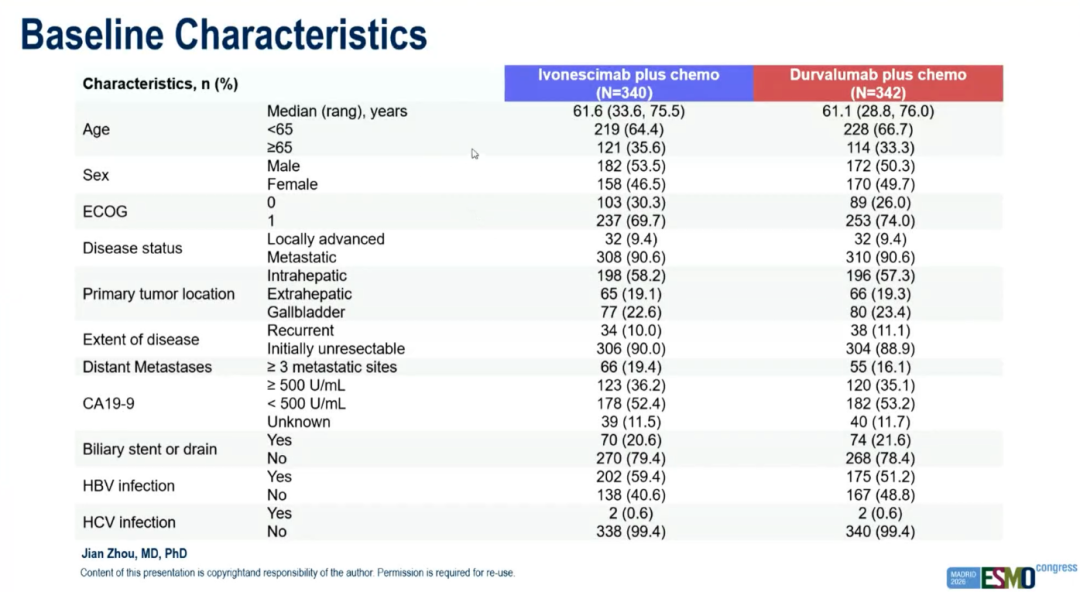 Fig.3. Baseline Characteristics of the HARMONi-GI1 Population
Primary Endpoint: Overall Survival (ITT Population)
In the intention-to-treat (ITT) population, median OS was 14.9 months (95% CI 12.9-NE) with ivonescimab plus chemotherapy versus 12.1 months (95% CI 11.0-13.4) with durvalumab plus chemotherapy, an extension of 2.8 months (HR 0.75; 95% CI 0.61-0.92; P=0.0031), corresponding to a 25% reduction in the risk of death. The 12-month OS rates were 59.7% versus 50.7%, and the 18-month OS rates were 44.0% versus 32.5%, with the survival benefit continuing to widen over time, showing a long-term survival tail.
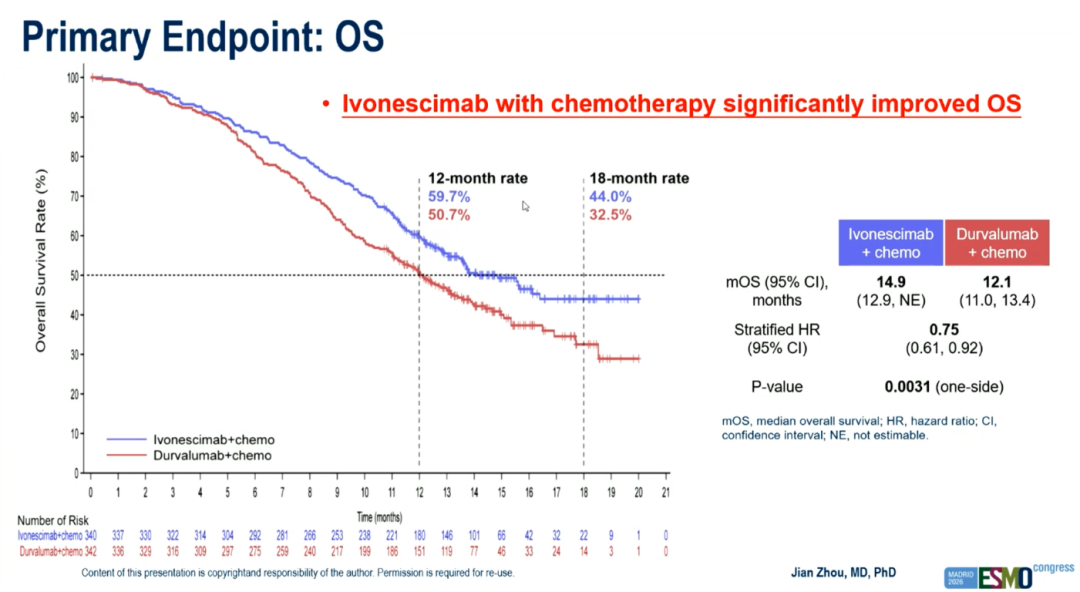 Fig.4. Overall Survival in the ITT Population of HARMONi-GI1
Secondary Endpoints (ITT Population)
-PFS: median PFS was 8.4 months (95% CI 7.5-9.3) with ivonescimab plus chemotherapy versus 5.8 months (95% CI 5.6-7.2) with durvalumab plus chemotherapy (HR 0.61; 95% CI 0.51-0.72; P<0.0001), a 39% reduction in the risk of progression or death; the 6-month PFS rates were 68.7% versus 49.3%.
-Tumor response: the ORR was 53.8% versus 32.5% (absolute difference 21.3%, P<0.0001), and the disease control rate (DCR) was 91.5% versus 77.8%.
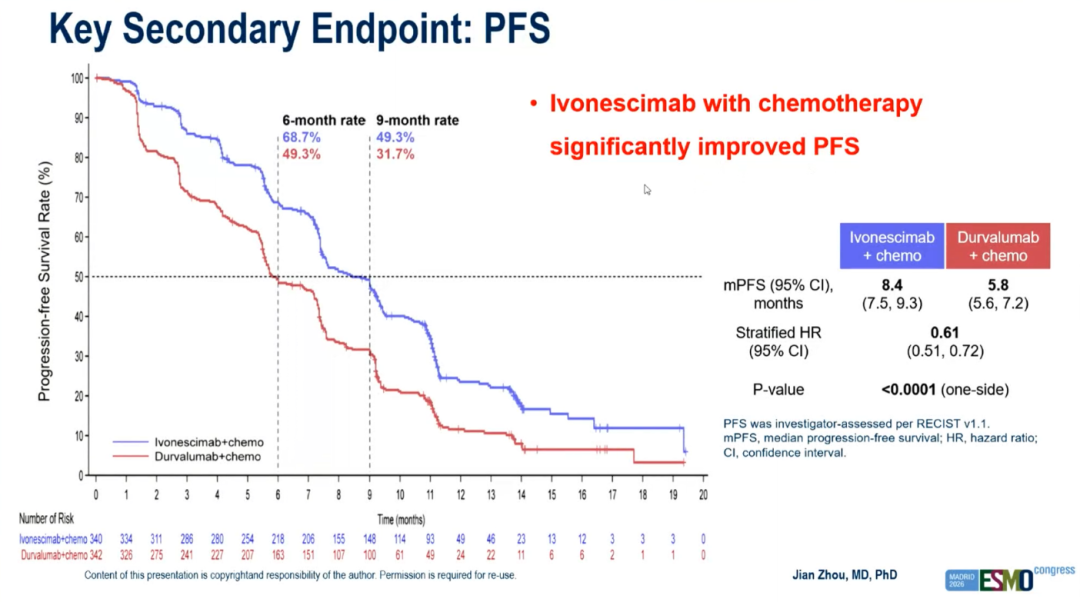 Fig.5. Progression-free Survival in the ITT Population of HARMONi-GI1
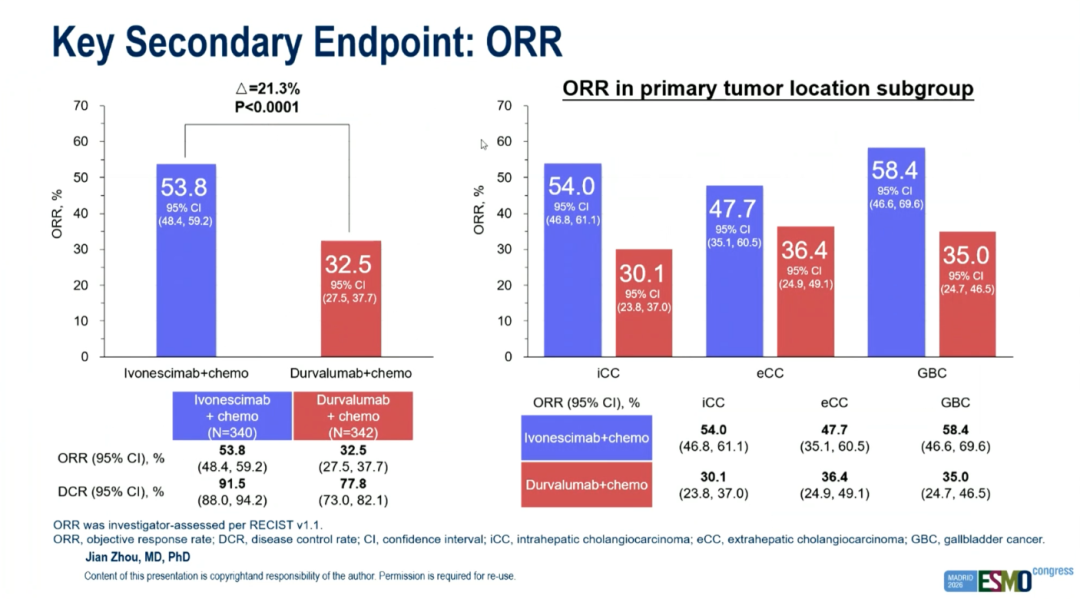 Fig.6. Objective Response Rate in the ITT Population of HARMONi-GI1
Subgroup Analyses
Subgroup analyses stratified by age, ECOG score, disease status, and other factors showed consistent OS and PFS benefit with ivonescimab plus chemotherapy across all subgroups.
Safety
The overall safety of ivonescimab was manageable despite longer drug exposure. Serious adverse event rates were comparable between arms (43.4% vs 43.7%), and no increase in grade ≥3 bleeding events was observed (1.5% vs 1.8%). Regarding toxicities associated with VEGF inhibition, higher rates of VEGF-related proteinuria (32.2% vs 11.8%) and hypertension (15.0% vs 2.4%) were observed, but these were predominantly grade 1-2. No new safety signals were identified overall.
Investigator Commentary
Prof. Jian Zhou commented on the clinical context of the study. First-line treatment of advanced biliary tract cancer has evolved over the past decade from chemotherapy alone to immunotherapy combinations. The ABC-02 study established gemcitabine plus cisplatin as the first-line standard, with a median OS of approximately 11.7 months. Subsequently, the TOPAZ-1 and KEYNOTE-966 phase 3 trials demonstrated that adding immune checkpoint inhibitors to GC provides further survival benefit, establishing immunochemotherapy as a first-line standard. However, the survival improvement from these immunotherapy combinations remains relatively limited: median OS was extended by only 1-2 months compared with chemotherapy alone, and the ORR was 26.7%-29%.
According to Prof. Zhou, this clinical predicament is closely related to the complex tumor biology of BTC. The immune microenvironment of BTC is complex, with some tumors showing immunosuppressive cell infiltration and insufficient cytotoxic T-cell infiltration, limiting sensitivity to PD-(L)1 blockade; marked molecular and immune heterogeneity also means that blockade of a single immune pathway is unlikely to benefit all patients.
He noted that HARMONi-GI1 was designed to address this clinical question by using the first-line gold standard, durvalumab plus chemotherapy, as the comparator and OS as the primary endpoint. Whereas previous studies asked whether immunochemotherapy was superior to chemotherapy, HARMONi-GI1 asked whether a PD-1/VEGF bispecific antibody plus chemotherapy could outperform the current best standard. With the primary OS endpoint met along with all key secondary endpoints, the study is, to his knowledge, the first phase 3 trial in advanced biliary tract cancer to achieve a positive OS result against the current international gold-standard comparator, providing key evidence for ivonescimab plus GC as a potential new first-line standard. He also noted that the study extends ivonescimab’s phase 3 evidence into gastrointestinal cancers, supporting further exploration of the PD-1/VEGF bispecific strategy across solid tumors.
Summary
The results of HARMONi-GI1 support the potential of ivonescimab plus chemotherapy as a new first-line treatment for advanced biliary tract cancer. Based on these positive results, the National Medical Products Administration has proposed granting priority review status to the first-line biliary tract cancer indication of ivonescimab plus chemotherapy in China. Meanwhile, the overseas partner Summit Therapeutics has partnered with the ECOG-ACRIN Cancer Research Group in the United States to launch EA2251, a global multicenter registrational phase II/III study of ivonescimab plus chemotherapy versus pembrolizumab or durvalumab plus chemotherapy as first-line treatment for advanced biliary tract cancer.
Reference
[1] Jian Zhou,et al.Ivonescimab plus chemotherapy versus durvalumab plus chemotherapy as first-line treatment for advanced biliary tract cancer: a randomized, controlled, double- blinded, phase 3 trial (HARMONi-GI1).2026 ESMO.LBA8.
[2] Valle J, et al. Cisplatin plus gemcitabine versus gemcitabine for biliary tract cancer. N Engl J Med 2010, 362(14):1273-1281.
[3] Sun H, et al. Durvalumab (D) plus gemcitabine-based (gem-based) chemotherapy as first-line therapy for Chinese patients (pts) with advanced biliary tract cancers (aBTC): A phase IIIb, single arm, open-label, multi-center study (TopDouble).2024 ESMO 45P.
[4] Kelley, R.K., et al, Pembrolizumab in combination with gemcitabine and cisplatin compared with gemcitabine and cisplatin alone for patients with advanced biliary tract cancer (KEYNOTE-966): a randomised, double-blind, placebo-controlled, phase 3 trial. Lancet, 2023. 401(10391): p. 1853-1865.

